DbcultAccessing Vault...
6.7/10
Senior Film Conservator
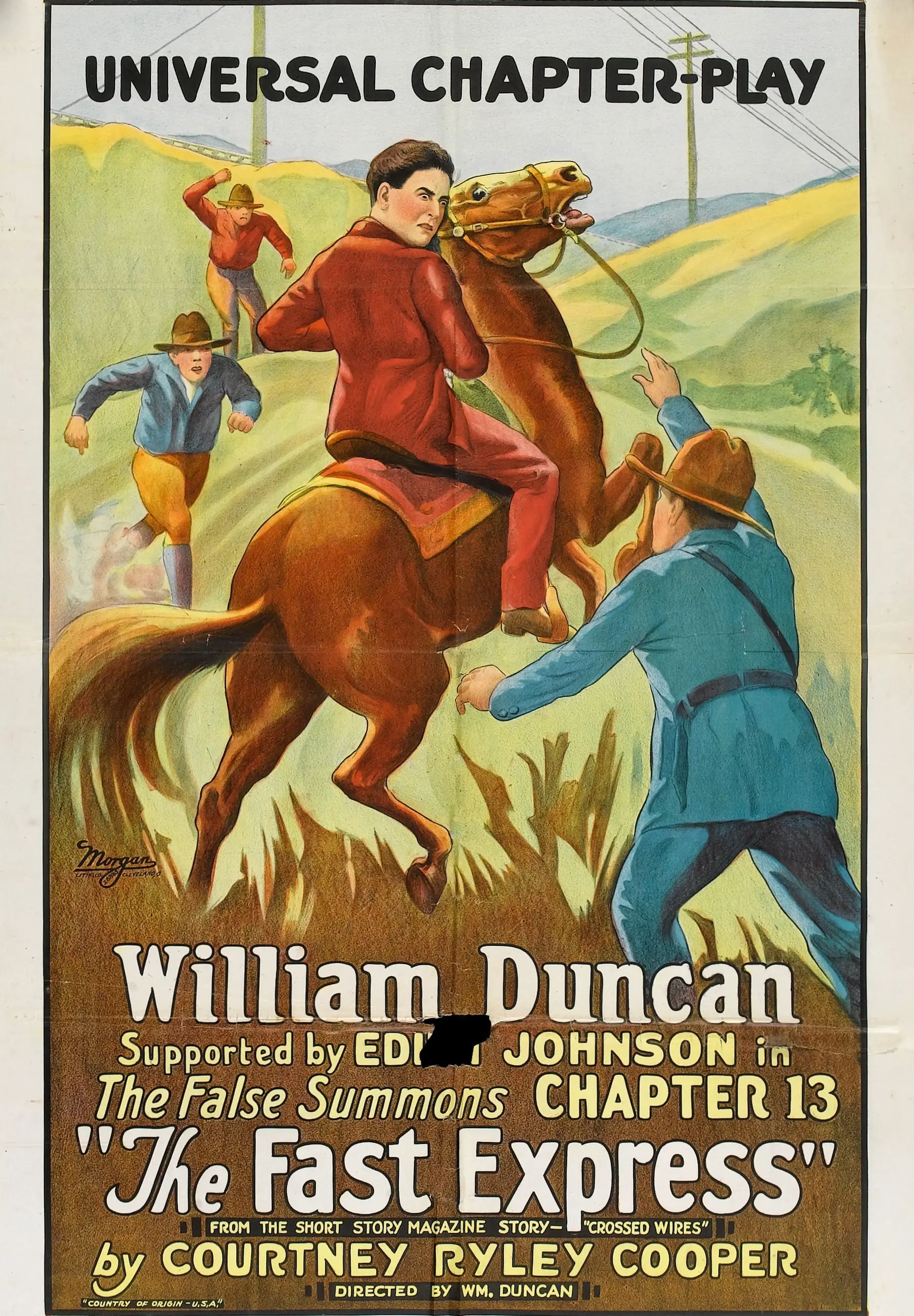
A definitive 6.7/10 rating for a film that redefined the boundaries of cult cinema. The Fast Express remains a cornerstone of transgressive art.
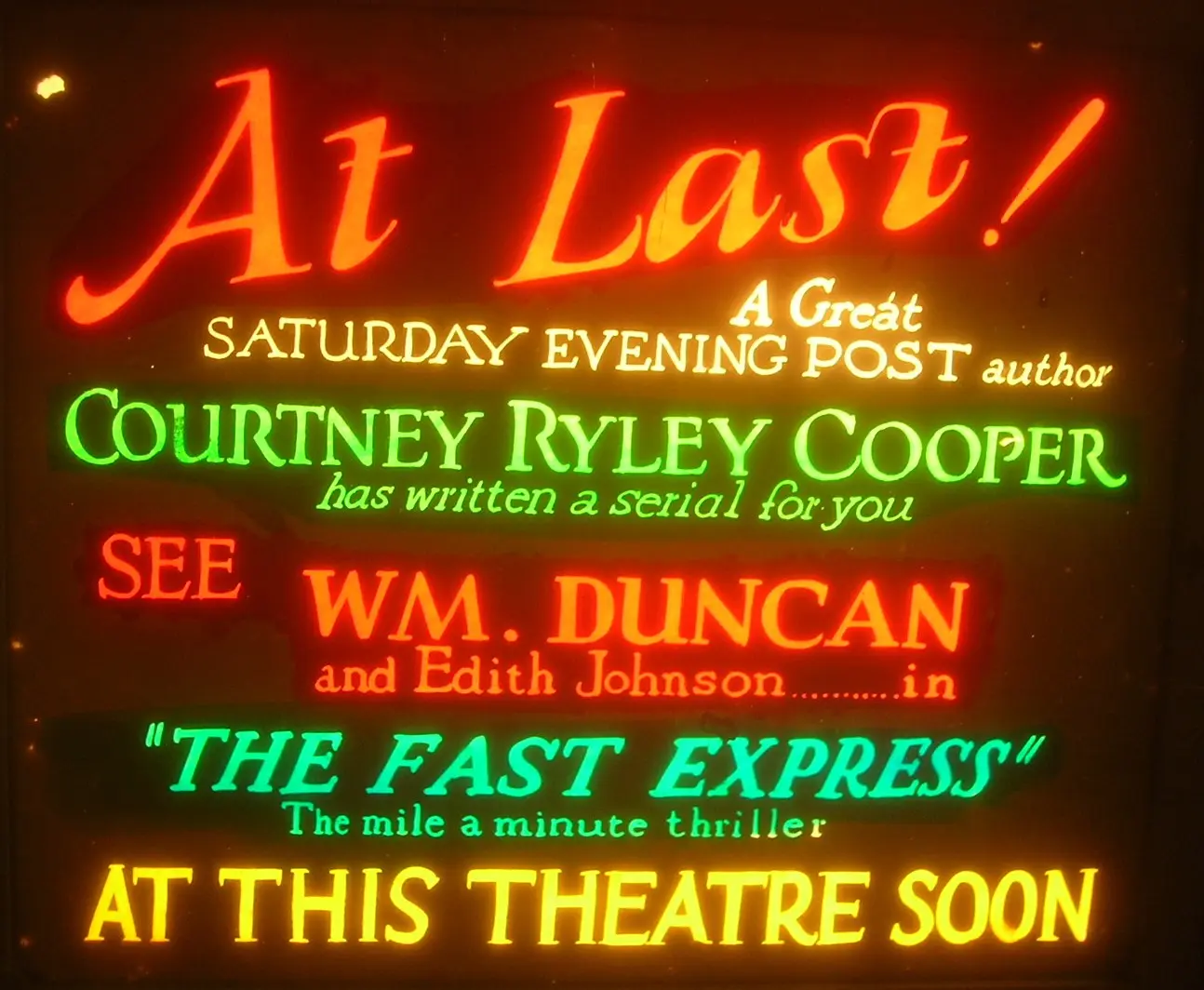
The celluloid flicker of the 1920s often sought to replicate the pulse of a nation in flux, but few artifacts capture that frenetic energy with the same visceral intensity as The Fast Express. This 1924 serial, a sprawling odyssey of steam and shadow, stands as a monument to the era of the 'stunt-king' and the 'serial queen,' embodied by the indomitable William Duncan and the luminous Edith Johnson. Unlike the more contemplative pacing found in A Gentleman from Mississippi, this production prioritizes the sheer mechanics of movement, turning the iron horse into a central protagonist of looming, metallic menace.
The narrative architecture of The Fast Express is a complex web of familial betrayal and corporate espionage. The screenplay—a collaborative effort by Courtney Ryley Cooper, Karl R. Coolidge, Paul M. Bryan, and George H. Plympton—functions like a finely tuned engine. It avoids the simplistic moral binary often found in The Little Fool, opting instead for a gritty realism that mirrors the soot-stained reality of the railroad industry. The stakes are not merely personal; they are systemic. We witness the friction between the old-world values of the pioneers and the cutthroat machinations of the new industrial titans.
The presence of Albert J. Smith and Harry Woods provides a formidable antagonistic force. These are not cartoonish villains but men of calculating greed, operating within the shadows of the rail yards. Their performance offers a stark contrast to the rugged idealism of Duncan. While The Whistle explored the labor-capital conflict through a more melodramatic lens, The Fast Express translates this tension into physical action, where every bridge crossing and high-speed pursuit becomes a metaphor for the struggle for control over the American future.
Visually, the film is a masterclass in the utilization of the natural environment. The cinematography captures the sheer scale of the locomotives, emphasizing their power through low-angle shots that make the machines appear like ancient, fire-breathing deities. This is a far cry from the domestic intimacy of Her First Kiss or the whimsical nature of Her Five-Foot Highness. In The Fast Express, the frame is frequently choked with smoke and steam, creating an atmospheric density that feels remarkably ahead of its time. The editing, necessitated by the serial format, is sharp and percussive, driving the viewer forward with a relentless momentum that mirrors the train itself.
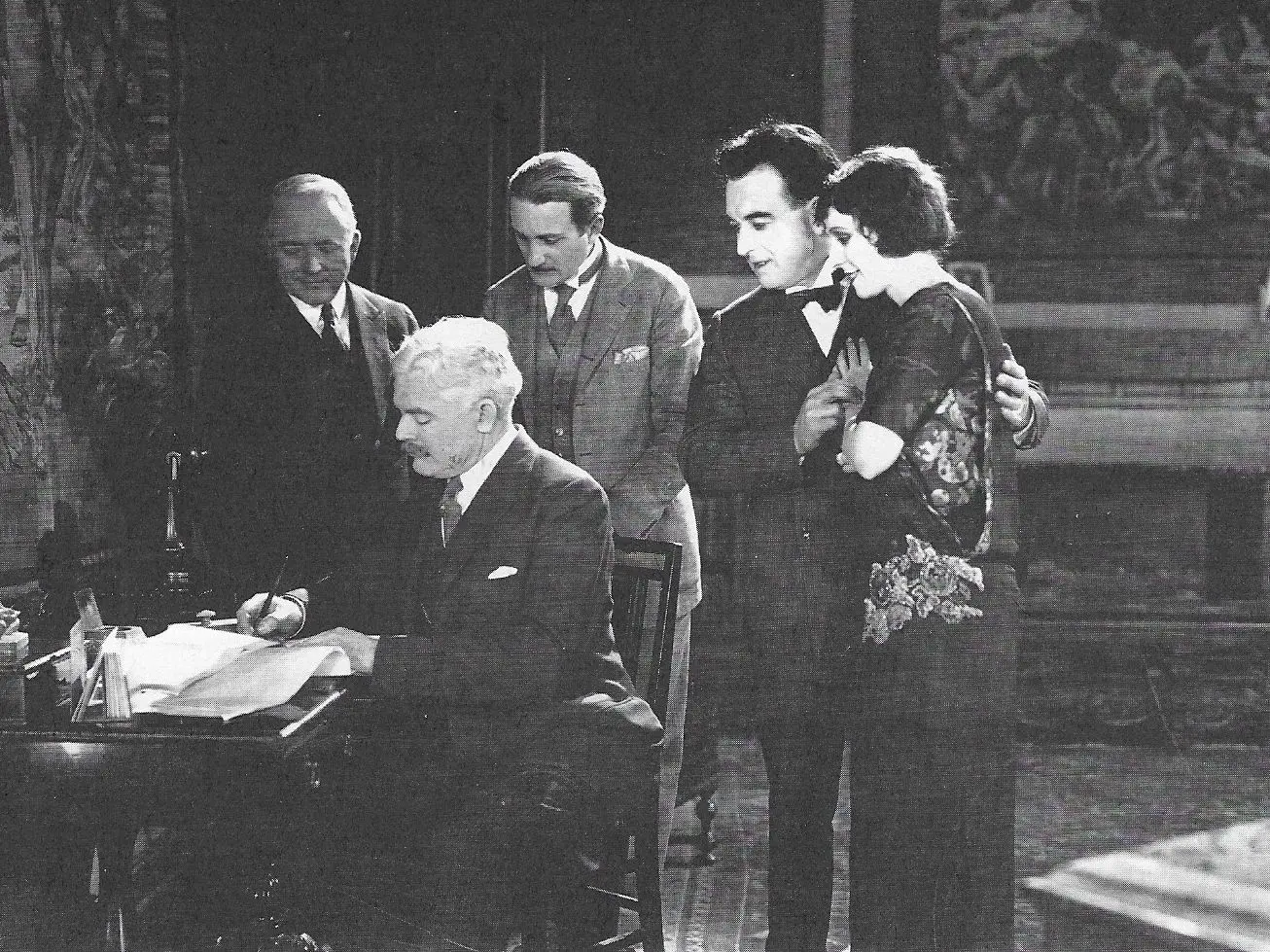
The stunt work, performed largely without the safety nets of modern CGI, carries a weight of authenticity that is genuinely breathtaking. When Duncan leaps between moving cars or clings to the side of a speeding engine, the danger is palpable. It is this commitment to physical verisimilitude that distinguishes the film from more staged adventures like Robinson Crusoe Hours. There is a raw, unvarnished quality to the action that demands respect, a testament to the era's disregard for personal safety in the pursuit of the perfect shot.
At the heart of the chaos lies the partnership between William Duncan and Edith Johnson. Their chemistry is the emotional ballast that prevents the film from becoming a mere technical exercise. Johnson, in particular, portrays Lucille Winston with a blend of vulnerability and steel that was rare for the period. She is not a passive prize to be won but an active participant in the unraveling of the conspiracy. This dynamic was a hallmark of their collaborative career, often seen in their other ventures, yet here it feels particularly refined. Their interactions provide a necessary human scale to the gargantuan industrial backdrop, reminding the audience that beneath the clatter of the tracks lie human hearts and shattered dreams.
Comparing this to the romantic subplots in The Alaskan or the brooding atmosphere of Blind Man's Holiday, one sees a different kind of maturity. There is a professional respect between the characters that mirrors the real-life marriage of the actors. This authenticity translates into a screen presence that is both commanding and relatable. Even when the plot veers into the more fantastical elements of the serial genre, the grounded performances of the lead duo keep the narrative tethered to reality.
While Devil McCare and Nan of Music Mountain leaned heavily on the mythos of the American West, The Fast Express finds its soul in the transition from the frontier to the metropolis. The railroad is the vein through which the lifeblood of the country flows, and the film treats it with a reverence that borders on the religious. We see echoes of the social stratification explored in The Halfbreed, though here the divisions are defined by the hierarchy of the rail line—from the wealthy passengers in the parlor cars to the laborers sweating in the engine room.
The supporting cast, including Joe Dominguez, Edward Cecil, and Harry Carter, populate this world with a diverse array of archetypes that feel lived-in. Even the smaller roles, like those played by Eva Gordon and Jim Welch, contribute to a sense of a larger, breathing society. This world-building is more expansive than the narrow focus of The Career of Katherine Bush or the ethereal qualities of Golden Dreams. It is a film that understands the importance of the environment in shaping the destiny of its inhabitants.
As the chapters of The Fast Express culminate in their inevitable high-octane resolutions, one cannot help but reflect on the evolution of the action genre. The film serves as a bridge between the early, simplistic chases of the nickelodeon era and the sophisticated, multi-layered thrillers of the late silent period. It shares a certain DNA with The Bargain in its exploration of honor among outlaws and the weight of past decisions, yet it pushes the technical boundaries further than its predecessors.
The collaborative writing team managed to infuse the story with a sense of urgency that rarely flags. Unlike In Bad, which relies on a more comedic rhythm, The Fast Express maintains a somber, almost noir-like intensity. The threat is always imminent; the clock is always ticking. This temporal pressure is what gives the film its enduring power. It is a reminder that in the age of progress, time is the most valuable—and most dangerous—commodity of all.
In the final analysis, The Fast Express is more than just a relic of a bygone era of filmmaking. It is a testament to the ingenuity and physical courage of the silent era's greatest practitioners. It captures the terrifying beauty of the machine age with a clarity that remains startling a century later. For those willing to look past the absence of dialogue, there is a symphony of sound to be found in the visual rhythm of the tracks, the hiss of the steam, and the desperate, silent cries of heroes fighting for their place in a world that is moving faster than they ever imagined.
The Fast Express (1924) remains a quintessential example of the American action serial, blending industrial grit with the timeless appeal of the hero's journey. It is a mandatory viewing for any serious student of cinematic history.
IMDb 5.5
1930
Community
Log in to comment.