DbcultAccessing Vault...
Cult Review
Senior Film Conservator
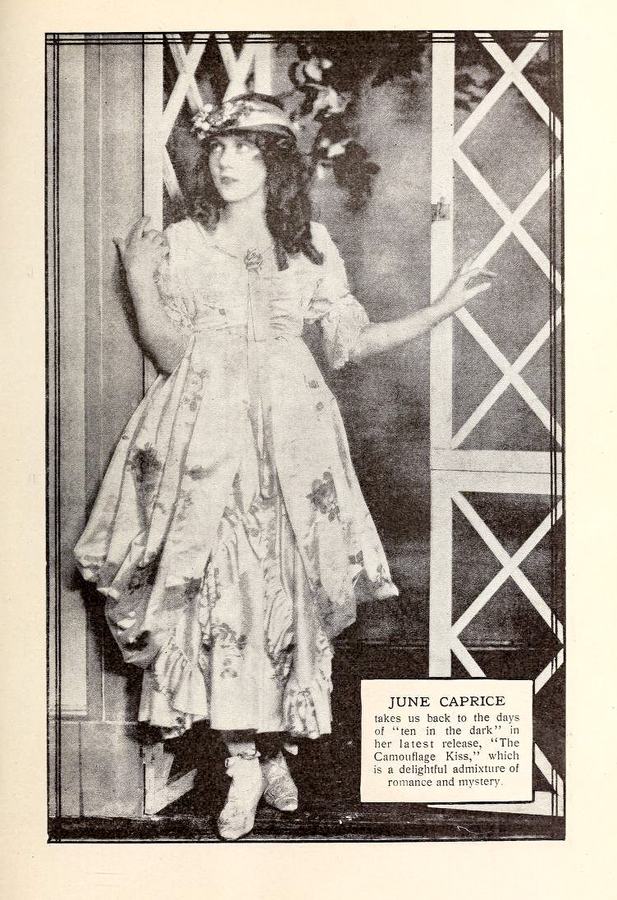
Step into the enchanting, often uproarious, world of early 20th-century cinema, and you'll inevitably encounter gems like A Camouflage Kiss. Released in 1918, this silent romantic comedy is a testament to the era's burgeoning narrative sophistication, demonstrating how filmmakers, even without spoken dialogue, could weave intricate tales of love, deception, and ambition with remarkable clarity and comedic flair. It’s a delightful foray into the conventions of farce, where mistaken identities and well-intentioned blunders pave the way for genuine affection. Far from being a mere historical curiosity, the film offers a vibrant snapshot of social mores and the universal complexities of human attraction, all wrapped in a package that remains surprisingly engaging over a century later.
At its core, A Camouflage Kiss is a masterclass in comedic construction, building its premise upon a foundation of both romantic aspiration and pragmatic business dealings. The narrative commences with Rudolph King, portrayed with a charmingly bumbling earnestness by George Bunny, finding himself in a dual entanglement: an engagement to the lovely Martha Thorne (June Caprice) and a nascent business partnership with her uncle, John Chandler (Bernard Thornton), focused on the rather prosaic, yet economically vital, enterprise of pork-and-bean production. This seemingly mundane culinary venture becomes the unlikely fulcrum upon which the entire romantic plot pivots, illustrating how the practicalities of livelihood often intersect with the more whimsical pursuits of the heart. The film cleverly establishes a context where financial success is not merely desired but is actively pursued through social engineering, setting the stage for a house party designed to secure a crucial contract with Pell Kingston (Pell Trenton), a pivotal procurement agent for the United States Army.
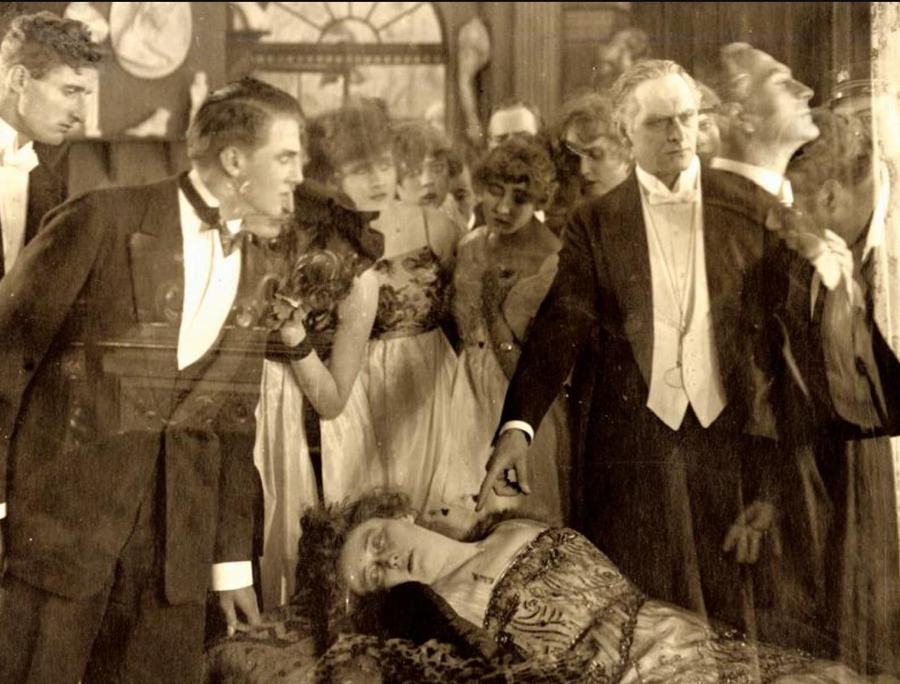
Rudolph’s character is central to the initial comedic thrust. Plagued by a profound shyness when it comes to expressing affection, particularly the intimate act of kissing, he concocts a scheme that is as audacious as it is ill-fated. Convinced that Martha needs to be persuaded of the 'merits' of kissing, and lacking the courage to perform the demonstration himself, he enlists the more dashing and confident Pell Kingston to stand in for him in the darkness. This 'camouflage kiss' is intended to be a proxy romantic overture, with Rudolph planning to claim credit for Martha's anticipated favorable response. It’s a classic comedic setup, ripe with potential for misunderstanding and misdirection, immediately establishing the film's commitment to lighthearted chaos. The scene itself, executed in the dim glow of the era's cinematography, becomes a pivotal moment, a clandestine exchange that, unbeknownst to Rudolph, forges a genuine spark between Martha and Pell. The silent film's reliance on exaggerated expressions and gestures truly shines here, conveying Martha's initial surprise, her growing pleasure, and the subsequent confusion when the lights illuminate the true identity of her suitor.
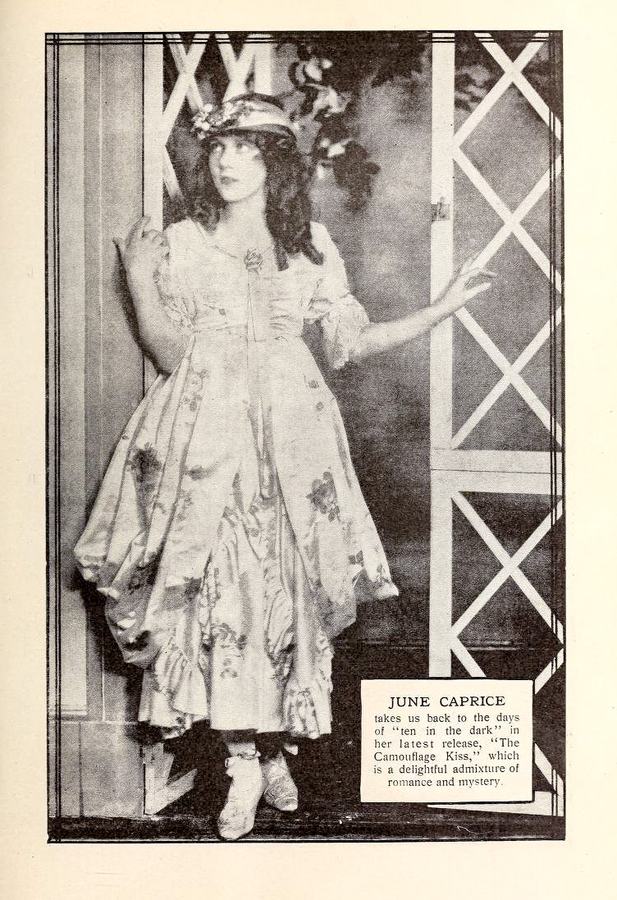
June Caprice, as Martha Thorne, navigates this revelation with a nuanced blend of indignation and burgeoning attraction. Her discovery that Pell, not Rudolph, was the true orchestrator of the kiss, far from causing offense, ignites an undeniable chemistry. This twist is crucial, elevating the film beyond simple slapstick to a more sophisticated exploration of genuine connection. It suggests that attraction isn't merely about who delivers the kiss, but who the kiss is from, and the inherent charisma of the individual. Pell Trenton, in the role of Pell Kingston, exudes a natural charm that makes his unintentional usurpation of Rudolph’s romantic role entirely believable. He is not a villain, but rather a man unwittingly drawn into a romantic imbroglio, his actions driven by a good-natured willingness to help a friend, yet with unforeseen consequences.
The narrative’s delightful complexity deepens with the introduction of Mrs. Irene Chandler (Lola May), Martha's aunt, who also develops a palpable interest in Pell. This additional layer of romantic pursuit transforms the initial love triangle into a more expansive, and infinitely more comedic, quadrangle of affections. Lola May's portrayal likely injects a further element of mature, perhaps slightly mischievous, desire, contrasting with Martha's more youthful and innocent attraction. This dynamic ramps up the potential for mistaken identities and misdirected affections, leading to a series of truly amusing amatory mix-ups that are the hallmark of classic farce. The film skillfully juggles these converging romantic threads, ensuring that each character’s pursuit of Pell contributes to the overall comedic tapestry without becoming overly convoluted or losing the audience’s sympathy for any particular party.
The writers, Ralph Spence and Jules Furthman, demonstrate a keen understanding of comedic timing and character motivation. The pacing of the misunderstandings, the visual gags, and the strategic use of intertitles to convey dialogue and internal thoughts are all meticulously orchestrated. In an era where storytelling relied heavily on visual cues, the screenplay for A Camouflage Kiss is remarkably robust, providing ample opportunity for the actors to convey emotion and intent through their expressions and physicality. George Bunny's Rudolph, for instance, transitions from timid suitor to bewildered bystander, his increasingly frantic efforts to reclaim Martha's affection providing much of the film's sustained humor. Bernard Thornton's John Chandler, while primarily concerned with the business deal, also contributes to the ensemble's dynamic, perhaps providing a grounded, if slightly exasperated, counterpoint to the romantic shenanigans.
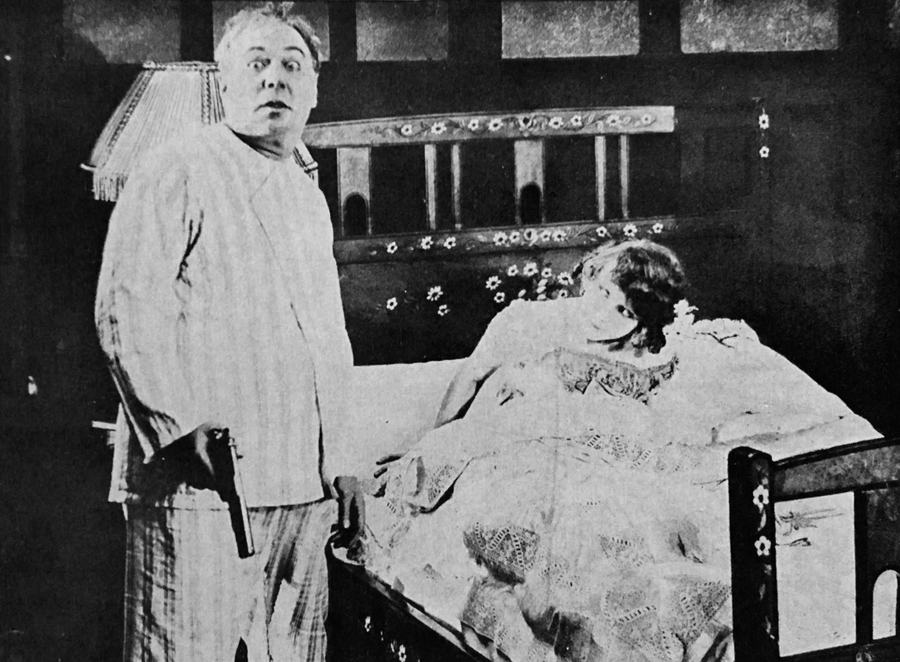
The genius of silent cinema, and particularly evident in a film like this, lies in its ability to communicate complex emotional states and comedic nuances through purely visual means. The actors’ performances are paramount, requiring a mastery of pantomime, facial expressions, and body language that could convey everything from subtle flirtation to outright exasperation. June Caprice, with her expressive eyes and graceful movements, effectively conveys Martha’s evolving feelings, from initial confusion to genuine love. Pell Trenton's confident demeanor and engaging smile make him an ideal romantic lead, capable of charming both the characters within the film and the audience watching it. The director, though uncredited in the plot synopsis, clearly understood how to frame these performances, using close-ups to emphasize reactions and wider shots to capture the chaotic energy of the house party. The use of light and shadow, especially during the pivotal 'camouflage kiss,' adds a layer of intimacy and mystery, enhancing the scene’s impact without needing a single spoken word.
Beyond its surface-level comedy, A Camouflage Kiss delves into several intriguing thematic territories. The most prominent, naturally, is the theme of deception and authenticity. Rudolph's scheme, born of insecurity, highlights the futility of trying to engineer affection. Martha's eventual realization and subsequent attraction to Pell underscore the idea that true connection is organic, often unpredictable, and cannot be fabricated or attributed through misdirection. It’s a gentle critique of pretense, suggesting that honesty, even if initially awkward, ultimately leads to more fulfilling relationships. This aligns with a broader societal shift towards valuing genuine sentiment over arranged marriages or purely pragmatic unions, a theme explored in many romantic narratives across different eras.
Another compelling theme is the intertwining of love and ambition. The house party, while ostensibly a social gathering, serves a dual purpose: a setting for romantic pursuits and a crucial stage for negotiating the army contract. This juxtaposition subtly suggests that even in matters of the heart, practical considerations and societal expectations often lurk beneath the surface. The pork-and-bean business, though a comedic element, grounds the characters in a reality where economic success is important, even during wartime. The film doesn't delve into the horrors of WWI, but the mention of an army contract for provisions subtly places the story within its contemporary historical context, reminding audiences of the global events unfolding even as these personal dramas play out.
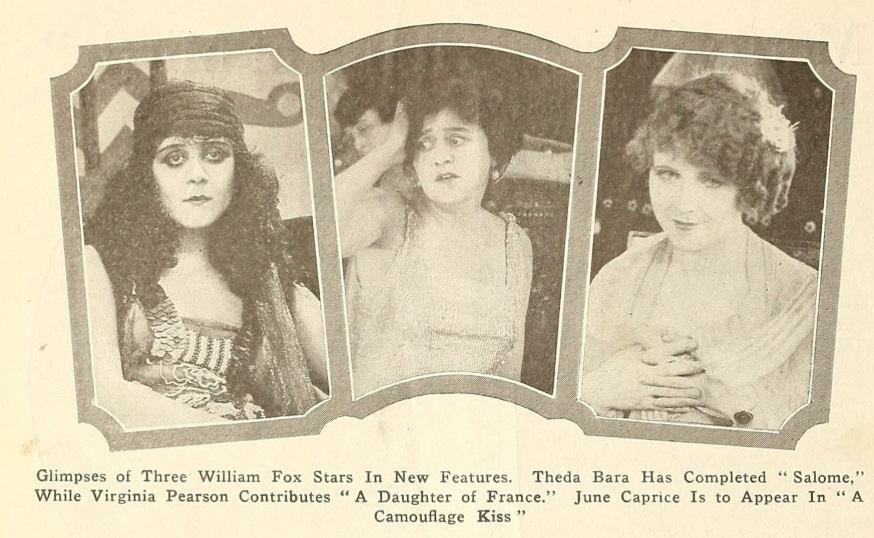
The film also touches upon social mores and the dynamics of flirtation in the early 20th century. Rudolph’s belief that Martha needs to be 'convinced of the merits of kissing' speaks volumes about a more reserved era where public displays of affection, or even the act of kissing itself, carried significant weight and perhaps required a certain level of coaxing. The various characters' approaches to courtship, from Rudolph's timid indirectness to Pell's effortless charm and Mrs. Chandler's more direct interest, offer a fascinating glimpse into the spectrum of romantic engagement during this period. The film ultimately champions spontaneous attraction over calculated maneuvers, a timeless message that continues to resonate.
Released in 1918, A Camouflage Kiss stands as a charming artifact from a pivotal moment in cinematic history. The industry was rapidly evolving, moving beyond simple actualities and single-reel shorts to embrace feature-length narratives with more complex plots and character development. This film exemplifies that progression, showcasing a clear understanding of narrative arcs, comedic pacing, and the power of visual storytelling. It was a period when films were truly a universal language, transcending linguistic barriers through their reliance on imagery, music (provided by live orchestras or pianists in theaters), and intertitles. The craftsmanship involved in conveying humor and emotion without spoken dialogue is particularly admirable, demanding a high level of skill from both the performers and the filmmakers.
While not a profound drama like Camille or a stark exploration of societal ills as seen in The Price of Silence, A Camouflage Kiss carves its niche in the lighter, more personal realm of romantic entanglements. It shares a certain spirit of lightheartedness with other comedies of its time, though perhaps more focused on the intricacies of personal relationships than the broader social satire that might be found in something like A Texas Steer. Its strength lies in its concentrated focus on the domestic sphere, transforming a single house party into a crucible for romantic destiny. The film's ability to maintain a buoyant tone while navigating multiple layers of deception and attraction speaks to the sophisticated comedic sensibilities of its creators.
The ultimate resolution of A Camouflage Kiss, with Pell and Martha leaving the party together, is both satisfying and inevitable. It champions genuine attraction over contrived arrangements, providing a heartwarming conclusion to the evening's delightful chaos. The film's enduring appeal lies in its timeless themes and its skillful execution. It reminds us that while the technology of filmmaking has undergone seismic shifts, the fundamental human experiences of love, longing, and the occasional comical blunder remain constant. For enthusiasts of silent cinema, or anyone with an appreciation for well-crafted romantic comedy, A Camouflage Kiss offers a charming and illuminating experience. It's a window into the past, yes, but also a mirror reflecting universal truths about the unpredictable, often hilarious, journey of finding one's true match. It serves as a beautiful example of how early cinema, even with its technical limitations, could deliver narratives rich in character, humor, and emotional resonance, proving that a well-told story, regardless of its era, will always captivate.
In an age where cinematic experiences are often defined by spectacle and sound, revisiting a film like A Camouflage Kiss is a refreshing reminder of the power of pure storytelling. It relies on the universal language of human expression, allowing audiences to fill in the gaps with their own imagination, guided by the compelling performances and the clever screenplay. It's a film that doesn't just entertain; it educates, offering insights into the evolution of film as an art form and the societal nuances of its time. Its legacy is not just as a silent comedy, but as a charming, witty, and surprisingly insightful piece of cinematic history that continues to delight and inform.
IMDb 6.8
1919
Community
Log in to comment.