DbcultAccessing Vault...
6.1/10
Senior Film Conservator
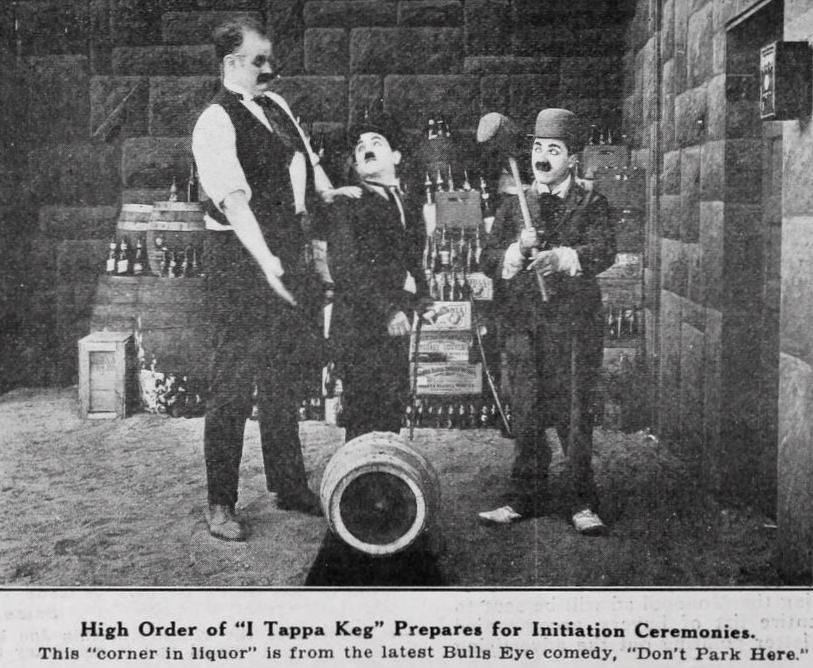
A definitive 6.1/10 rating for a film that redefined the boundaries of cult cinema. Don't Park Here remains a cornerstone of transgressive art.
Step back into the roaring twenties, a decade of flappers, jazz, and the inimitable charm of silent cinema. Among the myriad gems unearthed from this prolific era, Charley Chase's directorial touch, often felt even when not explicitly credited, shines through in the uproarious 1926 short, Don't Park Here. This isn't just another slapstick romp; it's a meticulously crafted ballet of comedic timing, a testament to the era's boundless creativity, and a delightful exploration of love, rivalry, and vehicular mayhem. As an expert film critic and enthusiast of the silent age, I find myself continually drawn to films like this, not merely for their historical significance, but for their enduring ability to elicit genuine laughter and admiration for the sheer physical artistry on display.
At its core, Don't Park Here is a vibrant, if somewhat convoluted, romantic triangle, a narrative device as old as storytelling itself, yet rendered fresh and exhilarating through the specific lens of 1920s silent comedy. We are introduced to two ardent suitors, both vying for the affections of the charming Evelyn Nelson. One, portrayed by the dynamic Monty Banks, embodies the archetypal underdog – perhaps less financially endowed, but brimming with an infectious energy and an unyielding spirit. His rival, a man of apparent means and a more direct, perhaps even aggressive, approach to courtship, is brought to life by Charles Dorety. The initial thrust of the plot sees Dorety's character employing the brute force of his wealth to accelerate his romantic conquest, spiriting Evelyn away to a minister's abode with the clear intention of making her his wife, effectively cutting Banks out of the picture entirely. This audacious move sets the stage for the ensuing pandemonium, creating an immediate and palpable sense of urgency.
However, the brilliance of Don't Park Here lies not just in its romantic friction, but in its ingenious interweaving of a secondary, seemingly disparate, plotline: a gang of audacious car thieves. These rogues operate with a cynical efficiency, stealing vehicles only to later 'resell' them to their original, desperate owners. This criminal enterprise, initially a backdrop of urban chaos, becomes the unlikely linchpin of Banks' desperate counter-scheme. Faced with the imminent loss of his beloved, Monty Banks' character, with a flash of inspired desperation, concocts a plan so audacious, so inherently absurd, that it could only exist within the realm of silent film comedy. He seeks out this very gang of car thieves, not to report them, but to enlist their unique talents in his quest to win back Evelyn. The premise itself is a stroke of comedic genius, transforming a mundane criminal element into a pivotal instrument of romantic rescue. One might even draw parallels to the ingenious, albeit more dramatic, use of unexpected allies in films like The Burglar and the Lady, though here, the stakes are romantic, not criminal justice, and the tone, unequivocally farcical.
Monty Banks, a name that perhaps doesn't resonate as loudly as Chaplin or Keaton today, was nevertheless a formidable comedic talent, possessing a unique blend of athleticism, charm, and an almost reckless abandon in his physical performances. In Don't Park Here, he is in his element, a whirlwind of nervous energy and determined slapstick. His character's desperation is palpable, yet always tinged with an underlying optimism that makes his increasingly outlandish schemes all the more endearing. Banks' ability to convey complex emotions and intricate plans through exaggerated gestures and facial expressions is a masterclass in silent acting. He doesn't just fall; he *performs* a fall. He doesn't just run; he *dances* through obstacles. This physical eloquence is crucial in a film where dialogue is absent, and Banks rises to the occasion with a performance that is both hilarious and surprisingly nuanced for a comedic short.
The supporting cast, including Charles Dorety as the rival, Leo White, Harry Mann, James Parrott, and Tiny Ward, all contribute to the film's frenetic energy. Evelyn Nelson, as the object of affection, embodies the demure yet desirable leading lady of the era, her reactions often serving as the anchor amidst the escalating chaos. Charley Chase, credited as a writer, undoubtedly infused the screenplay with his characteristic blend of situational comedy and escalating absurdity, elements that can be seen in many of his own directorial efforts. His understanding of comedic rhythm and character dynamics is evident throughout, providing a solid foundation for the physical gags to flourish.
The silent era was arguably the golden age of the chase sequence, and Don't Park Here delivers this staple with gusto. The integration of the car thieves into Banks' plan transforms what could have been a simple foot chase into a symphony of vehicular mayhem. Cars are not just props; they are active participants in the unfolding comedy. The visual gags involving the cars – near misses, improbable maneuvers, and the sheer audacity of the thieves' operations – are executed with precision and a palpable sense of fun. This isn't just about speed; it's about the creative use of space, timing, and the inherent comedic potential of urban traffic. The film showcases a delightful array of visual puns and escalating complications, where every solution to a problem invariably creates a larger, more absurd one.
The film's comedic strength lies in its relentless momentum. Once Banks' plan is set in motion, the narrative rockets forward, piling one improbable situation upon another. This escalating absurdity is a hallmark of great silent comedy. The audience is invited to revel in the sheer audacity of the premise and the ingenious ways the characters navigate their self-inflicted predicaments. It's a testament to the filmmakers' understanding of comedic escalation, a technique that ensures continuous engagement and laughter. One might recall the intricate machinations and compounding misfortunes in films like Skinner's Bubble, where a simple premise spirals into an intricate web of comedic complications, though Don't Park Here injects a more overtly criminal, yet ironically helpful, element.
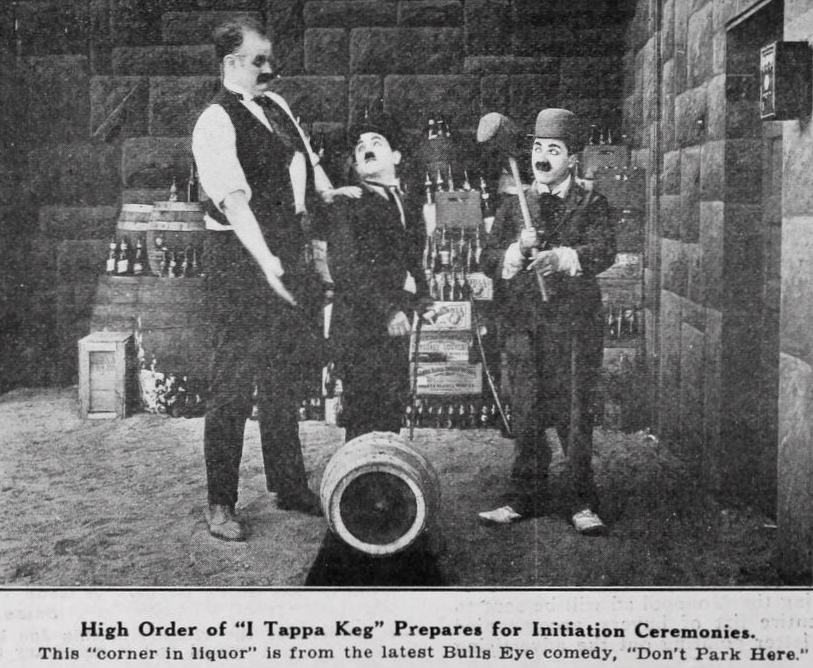
While the specific directorial credit for Don't Park Here is sometimes debated or shared, the characteristic hallmarks of the Hal Roach studio's comedic output are undeniable. The pacing is brisk, the gags are inventive, and there's a clear emphasis on visual storytelling. The cinematography, while perhaps not groundbreaking in its artistic ambition, is remarkably effective in conveying the action and enhancing the comedic beats. Close-ups are used judiciously to capture the actors' expressive faces, while wider shots allow the audience to appreciate the full scope of the elaborate stunts and chase sequences. The editing is sharp, ensuring that each gag lands with maximum impact and that the narrative never loses its frenetic energy. The film's short runtime, typical of comedies of the era, is utilized to its fullest, with no wasted frames or lingering shots. Every moment contributes to the overall comedic effect, a lesson in efficiency that many modern filmmakers could still learn from.
The film also serves as a fascinating snapshot of 1920s urban life. The cars, the streets, the fashions – all contribute to a vivid sense of place and time. The sheer number of vehicles involved in the chase sequences speaks volumes about the burgeoning car culture of the era, a phenomenon that simultaneously brought freedom and new forms of urban chaos. This backdrop isn't merely decorative; it's integral to the plot, as the very act of driving and parking (or rather, not parking, given the title's ironic suggestion) becomes a central arena for both romance and criminal enterprise. In a way, it reflects the anxieties and excitements of a rapidly modernizing society, much like how films such as America Is Ready might capture the spirit of an evolving nation, though with a distinctly different tone and focus.
What makes Don't Park Here, and indeed many silent comedies, so enduringly captivating? It's the universal language of physical comedy, the sheer ingenuity of visual gags that transcend linguistic and cultural barriers. There's a purity to it, an unadulterated joy in watching performers contort their bodies, contrive elaborate plans, and navigate increasingly ridiculous situations without uttering a single word. It demands a different kind of engagement from the audience, one where observation and interpretation are key. The absence of dialogue forces a focus on action, expression, and the rhythm of the cinematic narrative itself. This film is a vibrant example of how effective storytelling can be, even without the crutch of spoken words.
For those accustomed to the rapid-fire dialogue and complex narratives of contemporary cinema, returning to a film like Don't Park Here might feel like a journey into a different dimension of storytelling. Yet, within its seemingly simple premise lies a sophisticated understanding of human nature, comedic timing, and cinematic craft. It’s a reminder that laughter is a primal response, and that the mechanisms for eliciting it have evolved, but the core principles remain remarkably consistent. The film offers a delightful escape, a joyous romp through a bygone era, proving that sometimes, the most profound entertainment can be found in the most lighthearted of pursuits.
In comparison to other films of its time, Don't Park Here stands out for its particularly clever integration of the criminal element into the romantic comedy. While films like Other People's Money might explore financial intrigue, or Sudden Riches might delve into unexpected windfalls, Don't Park Here uses the mundane criminality of car theft as a spring-board for romantic triumph, turning societal ill into personal opportunity with a wink and a nod. This unique blend elevates it beyond a mere chase film, infusing it with a narrative quirkiness that is utterly charming. It's not just about who gets the girl; it's about the hilariously convoluted and utterly unexpected path taken to get her.
The brilliance of Charley Chase's writing, even for a brief short, is in how he manages to create distinct character arcs and motivations within such a condensed timeframe. Monty Banks isn't just a generic hero; he's a resourceful, slightly desperate, but ultimately charming individual. Evelyn Nelson is more than just a prize; her reactions and agency, however limited by the conventions of the era, drive significant plot points. The car thieves aren't faceless villains; their very existence and modus operandi are central to the comedic resolution. This level of detail and character integration in a short film is commendable and speaks to the high standards of comedic storytelling prevalent in the 1920s.
Ultimately, Don't Park Here is far more than a simple silent film curio. It's a vibrant, exhilarating piece of cinematic history that continues to entertain and impress with its ingenuity, its energetic performances, and its expertly choreographed chaos. It's a delightful reminder of the boundless possibilities of visual storytelling and the timeless appeal of a good laugh. So, if you ever find yourself needing a dose of pure, unadulterated cinematic joy, make sure to take a detour and spend some time with this unforgettable silent comedy. It’s a testament to the fact that even without a single spoken word, a film can speak volumes and leave an indelible mark on the viewer's imagination. Its legacy, though perhaps understated compared to some of its more famous contemporaries, is rich with the echoes of laughter and the enduring power of classic comedic artistry.
IMDb —
1925
Community
Log in to comment.