DbcultAccessing Vault...
5.7/10
Senior Film Conservator
A definitive 5.7/10 rating for a film that redefined the boundaries of cult cinema. Deti - tsvety zhizni remains a cornerstone of transgressive art.
The cinematic tapestry of the early 20th century is rich with forgotten gems, and among them shines Deti - tsvety zhizni, a Russian silent film whose very title, 'Children are the Flowers of Life,' promises a profound exploration of innocence, vulnerability, and resilience. This is not merely a film; it is a stark, lyrical poem etched onto celluloid, a testament to the enduring human spirit against a backdrop of societal upheaval and personal hardship. Directed with an almost ethnographic eye for detail and emotional truth, the picture, penned by Yuri Zhelyabuzhsky and Nikolai Tikhonov, transcends its era to offer a timeless meditation on compassion and survival.
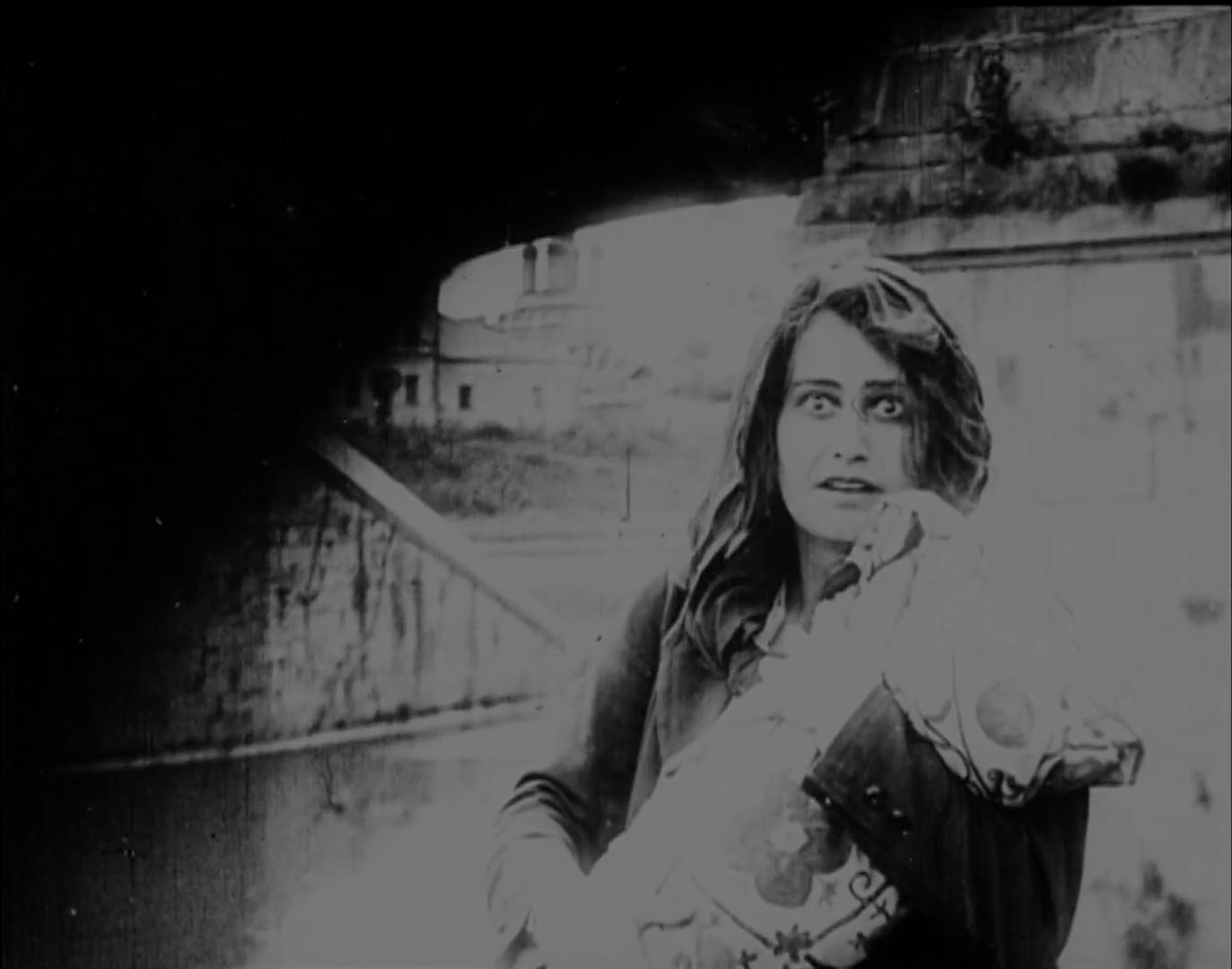
At its core, the narrative orbits around Anya, portrayed with breathtaking sincerity by Anna Dmokhovskaya. Her performance is a masterclass in silent film acting, conveying volumes with a single glance, a subtle tremor of the lip, or the determined set of her shoulders. Anya is not just a character; she is the embodiment of a generation forced to mature prematurely, her childhood stolen by the relentless demands of poverty in a desolate, post-revolutionary urban landscape. Her world is one of crumbling facades and empty bellies, where the simple act of finding a scrap of food becomes an epic struggle. Dmokhovskaya imbues Anya with an almost ethereal grace, a stark contrast to the grime and despair that surrounds her. She carries the weight of her ailing mother and two younger siblings with a quiet dignity that is both heartbreaking and inspiring, transforming hardship into a crucible for an unyielding spirit.
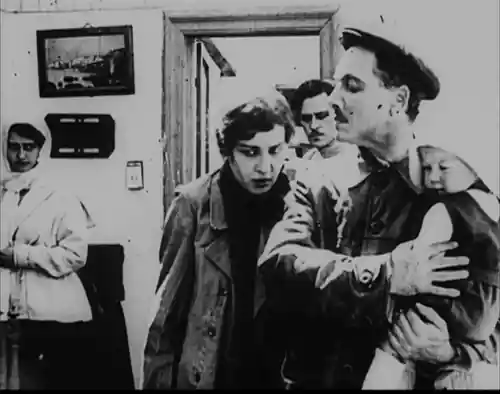
The film’s power lies not just in Dmokhovskaya’s central performance but in its nuanced portrayal of the adult world that both supports and threatens Anya. Vladimir Osvetsimsky, as the local official, initially presents a figure of bureaucratic detachment, his face a mask of weary pragmatism. He represents the systemic indifference that often accompanies widespread suffering, seeing the children as mere statistics or problems to be managed. However, the brilliance of Osvetsimsky’s portrayal, guided by the nuanced screenplay, is the gradual erosion of this facade. Anya’s unwavering devotion, her quiet strength in the face of impossible odds, slowly but surely penetrates his hardened exterior. It’s a subtle, internal shift, communicated through slight changes in posture or the lingering gaze, suggesting a nascent empathy struggling to break through the layers of cynicism. This arc is crucial; it prevents the film from descending into simplistic melodrama, instead offering a more complex view of humanity’s capacity for both cruelty and compassion.
Anatoli Nelidov, as the cynical former neighbor, serves as an equally compelling, albeit contrasting, adult presence. His character is a mirror reflecting the widespread disillusionment of the era, his observations of Anya’s struggle tinged with a weary resignation. He is the voice of experience, perhaps even bitterness, and his presence anchors the film in a stark reality, highlighting the immense odds stacked against Anya. The interplay between these adult figures and Anya is a masterclass in silent storytelling, where unspoken thoughts and emotions are conveyed through gesture, expression, and the careful choreography of the camera. The writers, Yuri Zhelyabuzhsky and Nikolai Tikhonov, craft a narrative that, despite its simplicity, resonates with profound psychological depth, exploring how hope can flicker even in the darkest corners.
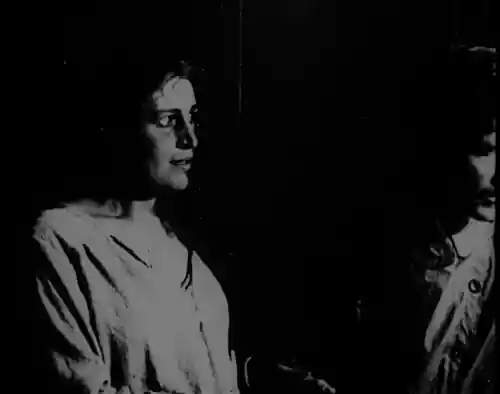
The thematic resonance of the film is undeniable. It delves into the universal struggle for dignity in the face of overwhelming adversity, the unbreakable bond of family, and the profound, transformative power of compassion. Anya’s constant efforts to shield her siblings from the harsh truths, to find small moments of beauty – a shared flower, a whispered story – underscore the film’s central metaphor. Children, indeed, are the 'flowers of life,' fragile yet resilient, holding the promise of renewal even when surrounded by decay. This sentiment echoes the humanistic core found in other contemporary dramas of hardship, though Deti - tsvety zhizni distinguishes itself through its specific focus on the child’s perspective and agency. One might draw parallels to the heavy burdens carried in films like The Millstone, where characters are crushed by circumstance, but Anya’s unwavering spirit offers a more defiant, albeit still tragic, counterpoint.
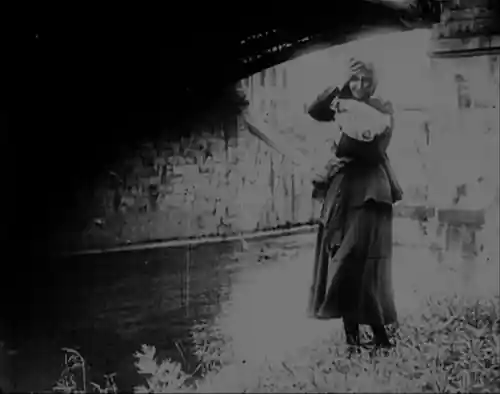
The climax of the film, involving Anya’s desperate quest for medicine, is a masterclass in escalating tension and emotional stakes. Her journey through the labyrinthine alleys of the city is not merely a physical one but a symbolic passage through the dangers and moral ambiguities of her world. Each obstacle she faces, each encounter, serves to deepen our understanding of her character and the brutal realities she confronts daily. This sequence is reminiscent of the relentless determination seen in other silent film heroines, yet Anya’s youth and the sheer innocence she retains make her struggle particularly heart-wrenching. The choices she is forced to make, the sacrifices she considers, speak volumes about the moral quandaries inherent in survival.
In its exploration of social structures and individual agency, Deti - tsvety zhizni offers a compelling, if subtle, social critique. The film doesn't preach, but rather presents a vivid portrait of a society grappling with its most vulnerable members. The plight of Anya’s family, the indifference of some, and the awakening empathy of others, serve as a microcosm of broader societal issues. This nuanced approach to social commentary elevates the film beyond mere melodrama, establishing it as a significant work that reflects its historical context while speaking to universal truths. Unlike the more explicit legal battles or moral dilemmas found in films such as Circumstantial Evidence, the injustices here are systemic and pervasive, rather than stemming from a single event, making Anya’s fight all the more profound.
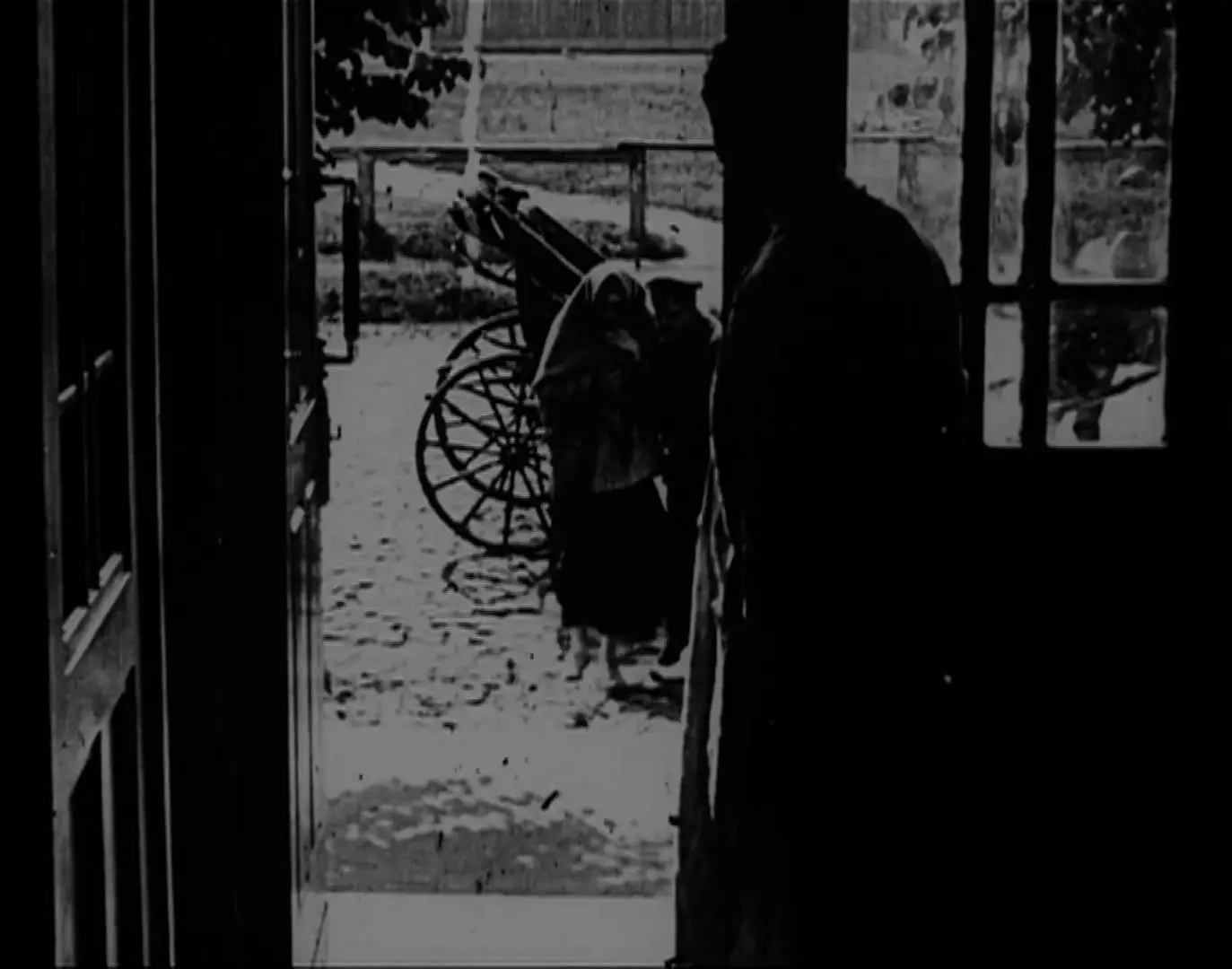
The film's ending, without providing a simplistic resolution, leaves a lasting impression. It does not offer a facile happy ever after, which would betray the gritty realism that precedes it. Instead, it concludes with Anya’s spirit unbroken, a quiet defiance in her eyes, a testament to her enduring strength. This ambiguity is one of the film’s greatest strengths, allowing the audience to ponder the true cost of survival and the persistent nature of hope. It suggests that even when circumstances remain bleak, the human capacity for resilience, particularly in the innocence of childhood, remains an unyielding force. This refusal to tie up all loose ends provides a more powerful and memorable conclusion, resonating with the sense of ongoing struggle that defines many lives.
The performances by Anna Dmokhovskaya, Vladimir Osvetsimsky, and Anatoli Nelidov are exemplary, demonstrating the profound ability of silent cinema to communicate complex emotions without a single spoken word. Dmokhovskaya, in particular, carries the film on her slender shoulders, her expressive face a canvas for the spectrum of human feeling. Her portrayal of Anya is one of the most memorable child performances of the era, conveying not just vulnerability but also an astonishing inner fortitude. The chemistry, or often lack thereof, between her and the adult characters creates a palpable tension and emotional depth that draws the viewer entirely into her world. This kind of raw, unadorned acting is a hallmark of the best silent films, relying purely on physical expression and emotional sincerity.
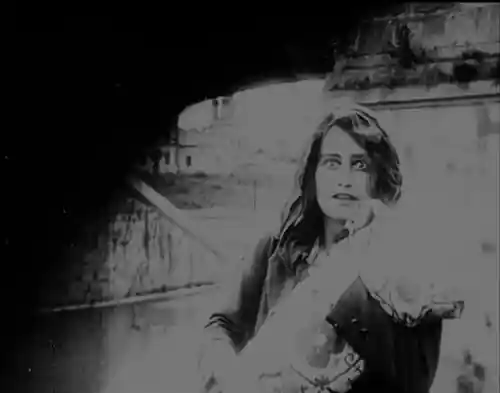
In many ways, Deti - tsvety zhizni stands as a powerful companion piece to other silent films that explore the depths of human emotion and societal pressures. While it doesn't share the same themes of romantic entanglement as El amor que huye, it shares a similar intensity of feeling and an exploration of lives profoundly impacted by external forces. Its depiction of a solitary female figure grappling with immense challenges evokes the spirit of films like A Woman Alone, yet Anya’s youth adds an additional layer of pathos and urgency. The film’s focus on the emotional journey of its central female character, particularly her internal strength and resilience, also brings to mind the psychological depth explored in The Heart of Jennifer, though the societal pressures here are far more existential.
The enduring legacy of Deti - tsvety zhizni lies in its ability to transcend language and time, speaking directly to the heart about universal human experiences. It is a film that reminds us of the fragility of life, the resilience of the human spirit, and the profound importance of compassion in a world often defined by hardship. For aficionados of silent cinema, and indeed for anyone seeking a deeply moving and thought-provoking cinematic experience, this film is an essential discovery. Its artistry lies in its restraint, its power in its emotional honesty, and its message in its timeless portrayal of innocence persevering against the odds. It is a work that demands to be seen, pondered, and remembered, a true 'flower of life' in the garden of cinematic history.

IMDb —
1930
Community
Log in to comment.