DbcultAccessing Vault...
6.2/10
Senior Film Conservator
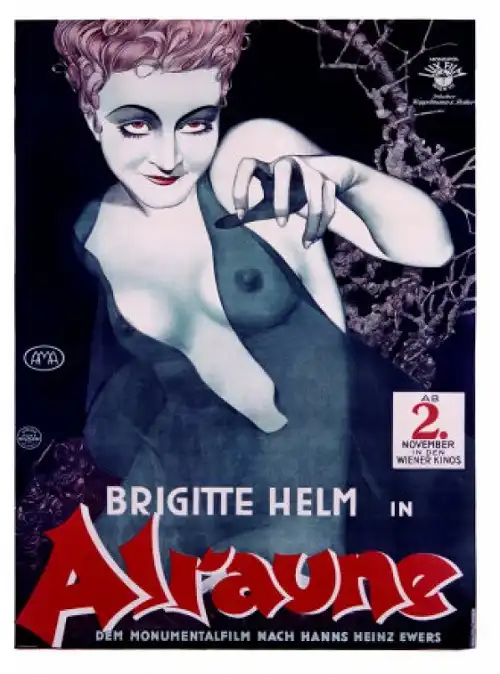
A definitive 6.2/10 rating for a film that redefined the boundaries of cult cinema. A Daughter of Destiny remains a cornerstone of transgressive art.
"A Daughter of Destiny" (also known as "Alraune"), one of the several silent adaptations of Hanns Heinz Ewers' notorious novel, is unequivocally worth watching today, especially for those with an appetite for German Expressionist cinema, early horror, and the unique screen presence of Brigitte Helm. This 1928 film offers a potent, if often melodramatic, exploration of nature versus nurture through a chilling genetic experiment. Viewers who appreciate the deliberate pacing and visual storytelling of the silent era will find much to dissect and admire here. However, those accustomed to modern narrative speeds or looking for straightforward emotional arcs will likely find its theatricality and occasional narrative leaps a challenge. It's a film that demands patience but rewards with striking imagery and a central performance that remains unsettlingly magnetic.
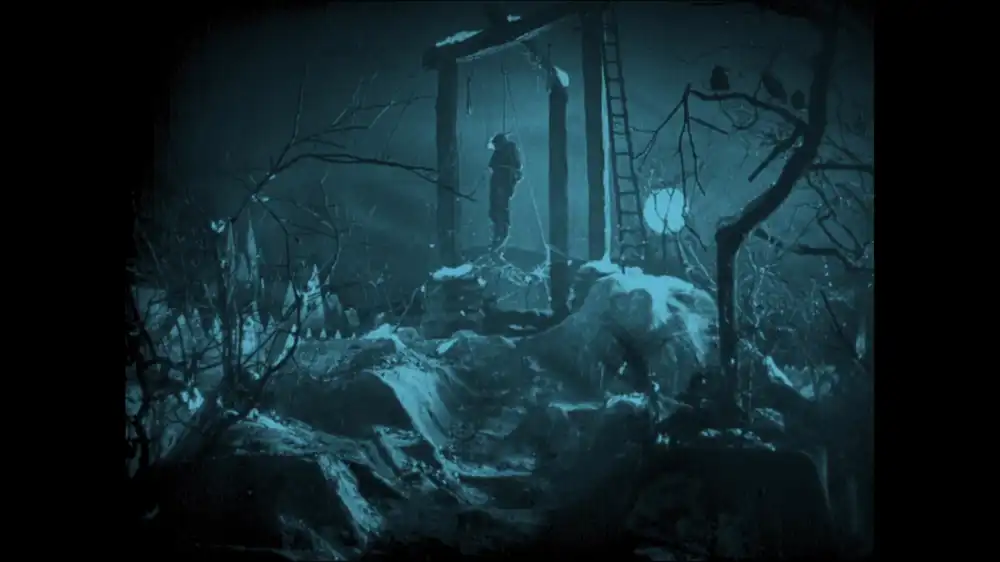
The core concept, penned by Ewers and adapted for the screen by Henrik Galeen, is what truly anchors "A Daughter of Destiny." The idea of a human being engineered without a soul, devoid of love due to its monstrous conception, is inherently compelling. Professor Brinken's (Paul Wegener) initial experiment, meticulously detailed in its clinical coldness, sets a disturbing tone. The scene where he procures the genetic material from the hanged man is surprisingly understated, relying on the implications rather than overt gore. This quiet horror establishes the film's commitment to psychological unease over jump scares, a commendable choice that lends a certain gravitas to the otherwise sensational plot.
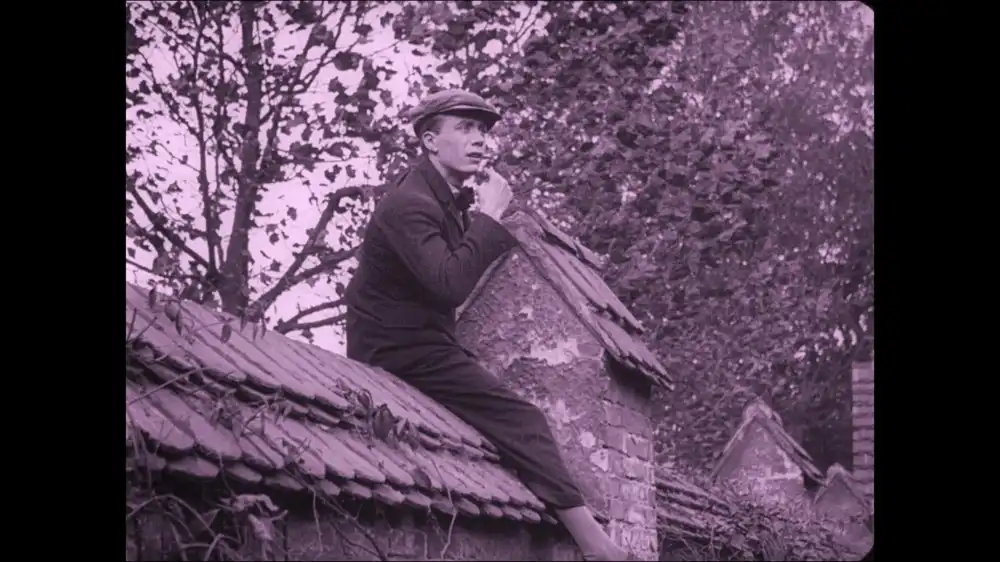
However, the film struggles at times to fully commit to the profundity of its own premise. While Alraune's lack of empathy is consistently shown, the narrative occasionally leans into more conventional melodrama, particularly in her romantic entanglements. It’s a tension between the film's philosophical aspirations and its need to deliver a compelling, if conventional, silent drama.
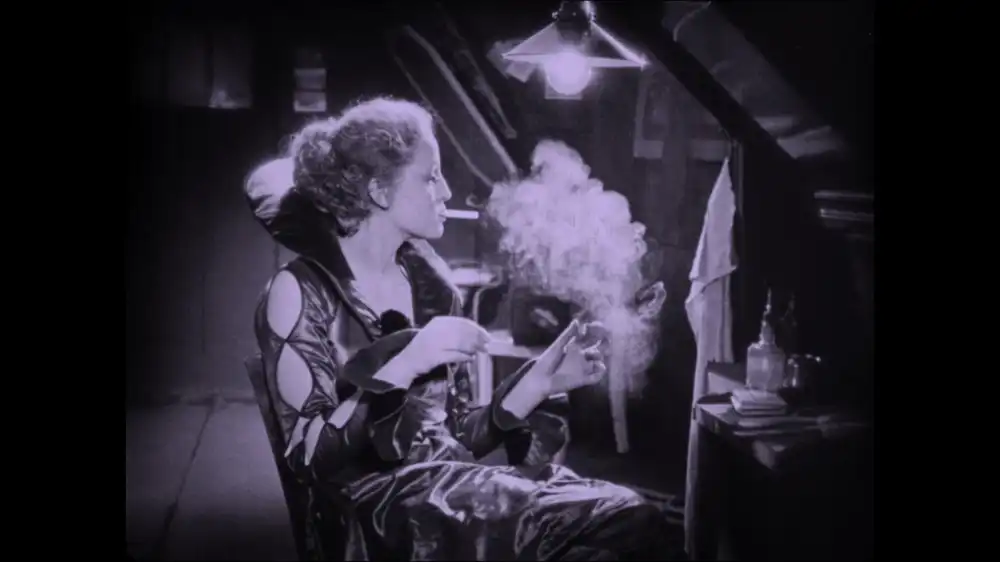
Brigitte Helm, fresh from her iconic dual role in "Metropolis," is the undeniable gravitational center of "A Daughter of Destiny." Her portrayal of Alraune is less about outright villainy and more about a profound, almost alien, detachment. From her earliest scenes as a young woman, there's a particular way she holds herself – often with hands clasped behind her back, head tilted slightly – that conveys an unsettling observation rather than engagement. She doesn't *act* like she lacks love; she simply *is* devoid of it. Her eyes, often wide and unblinking, register the world with an almost scientific curiosity, never genuine warmth.
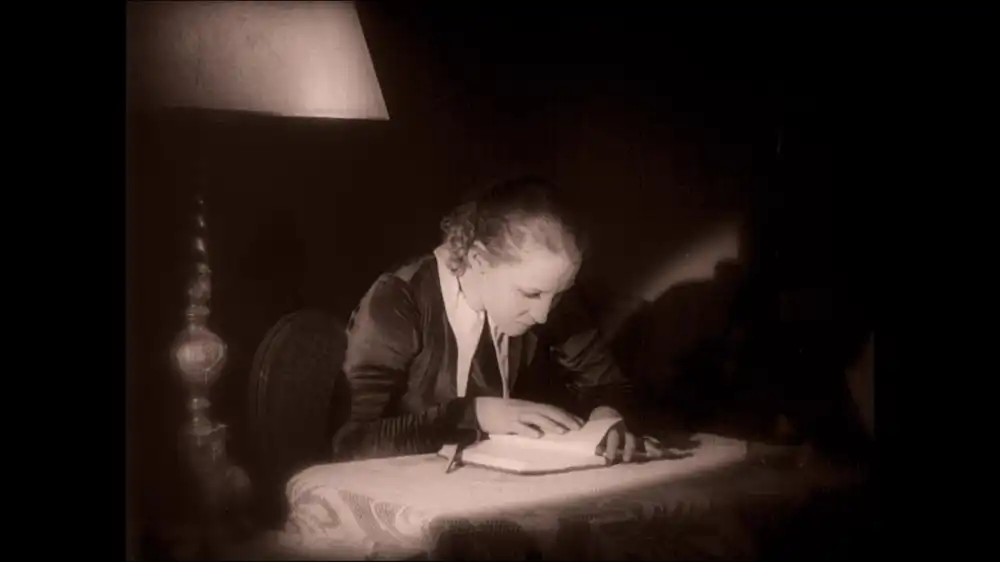
One striking moment occurs when she’s presented with a bouquet of flowers by a suitor. Instead of a typical reaction, she slowly, deliberately, pulls a single petal off, then another, her gaze unwavering, not at him, but at the wilting bloom. It’s a small, precise gesture that speaks volumes about her inability to connect with sentimental gestures. The other performances, while competent, often feel a shade too theatrical in comparison, particularly Iván Petrovich as Frank, who frequently defaults to broad expressions of anguish or infatuation. Frida Richard, as the initial sex worker, has a brief but poignant turn, conveying a quiet despair that grounds the film's more fantastical elements.
Visually, the film oscillates between the stark realism of its settings and moments of evocative, Expressionistic flair. The Professor's laboratory, for instance, isn't overtly stylized like something out of "The Cabinet of Dr. Caligari," but its cluttered shelves, bubbling beakers, and the pervasive shadows cast by its gas lamps create an atmosphere of scientific hubris bordering on the occult. Director Henrik Galeen, known for his work on The Golem, clearly understands how to build dread through environment.
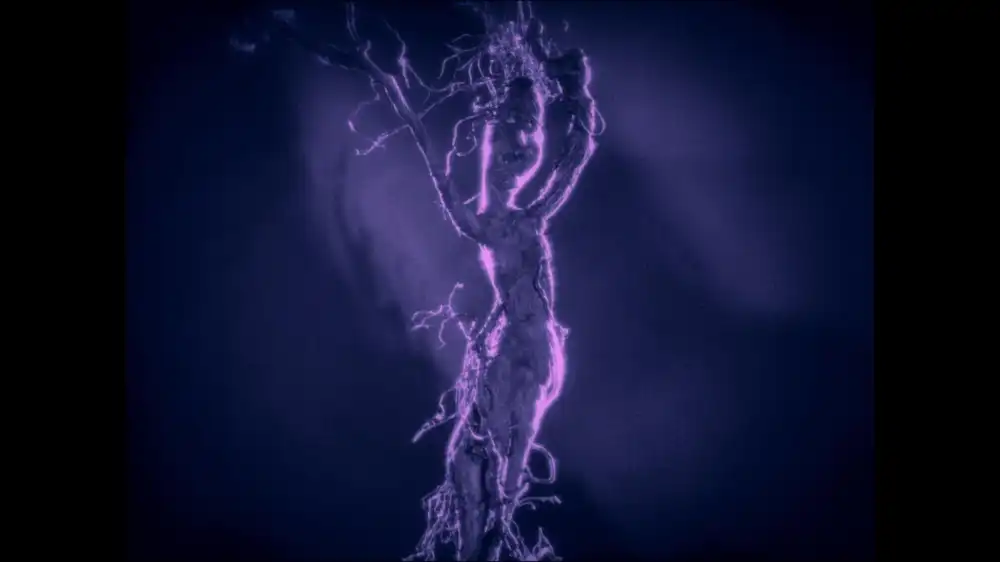
There are several beautifully composed shots that stand out. A recurring visual motif involves Alraune framed against vast, empty spaces – a long hallway, a dark garden – emphasizing her isolation and the expansive emptiness within her. The use of mirrors is also particularly effective, reflecting her image back at her, often distorted or fragmented, subtly hinting at her fractured nature. The costume design, especially for Alraune, is impeccable, evolving from demure dresses to more alluring, modern gowns as she matures, each choice reflecting her growing power and manipulation.
However, some of the crowd scenes feel a little stiff, with extras moving with a formality that sometimes breaks the illusion. And while the lighting is generally excellent, there are a few instances where a scene feels a bit flatly lit, losing some of the atmospheric tension established elsewhere.
Like many silent films, "A Daughter of Destiny" requires a certain adjustment to its pacing. The narrative, while intriguing, can feel episodic, jumping between Alraune's various conquests and their inevitable downfalls. While this structure effectively showcases her destructive nature, it occasionally sacrifices sustained tension for a series of dramatic vignettes. There are moments where reaction shots linger perhaps a beat too long, or a transitional scene could have been tightened. For example, the sequence detailing Alraune's early exploits feels a little repetitive, underscoring her coldness without necessarily advancing the plot in a meaningful way.
The film's tonal shifts are also notable. It begins with a chilling, almost philosophical horror, but as Alraune grows, it veers into a more melodramatic, almost romantic tragedy, before attempting to return to its unsettling roots in the final act. This can make the viewing experience a little uneven, as the audience is asked to shift gears between intellectual horror and passionate, if misguided, romance.
"A Daughter of Destiny" is a film that asks compelling questions about free will, destiny, and the ethics of scientific creation. While it doesn't always provide satisfying answers, its willingness to delve into such dark territory is what gives it lasting power. The ending, without spoiling specifics, is suitably ambiguous, leaving the audience to ponder whether Alraune is truly a victim of her origins or simply a product of her own choices. It avoids a neat, moralistic conclusion, which is a strength, allowing the unsettling nature of the premise to resonate long after the final frame.
"A Daughter of Destiny" is not a perfect film, and its silent-era conventions, coupled with some uneven pacing, will undoubtedly test the patience of some modern viewers. However, its audacious premise, coupled with Brigitte Helm's captivatingly icy performance, makes it an essential watch for anyone interested in the darker corners of cinematic history. It's a testament to the power of visual storytelling and a compelling example of Weimar-era anxieties about science and human nature. Approach it with an open mind and an appreciation for its historical context, and you will find a film that, despite its flaws, offers a genuinely unique and unsettling experience.

IMDb —
1936
Community
Log in to comment.