DbcultAccessing Vault...
5.1/10
Senior Film Conservator
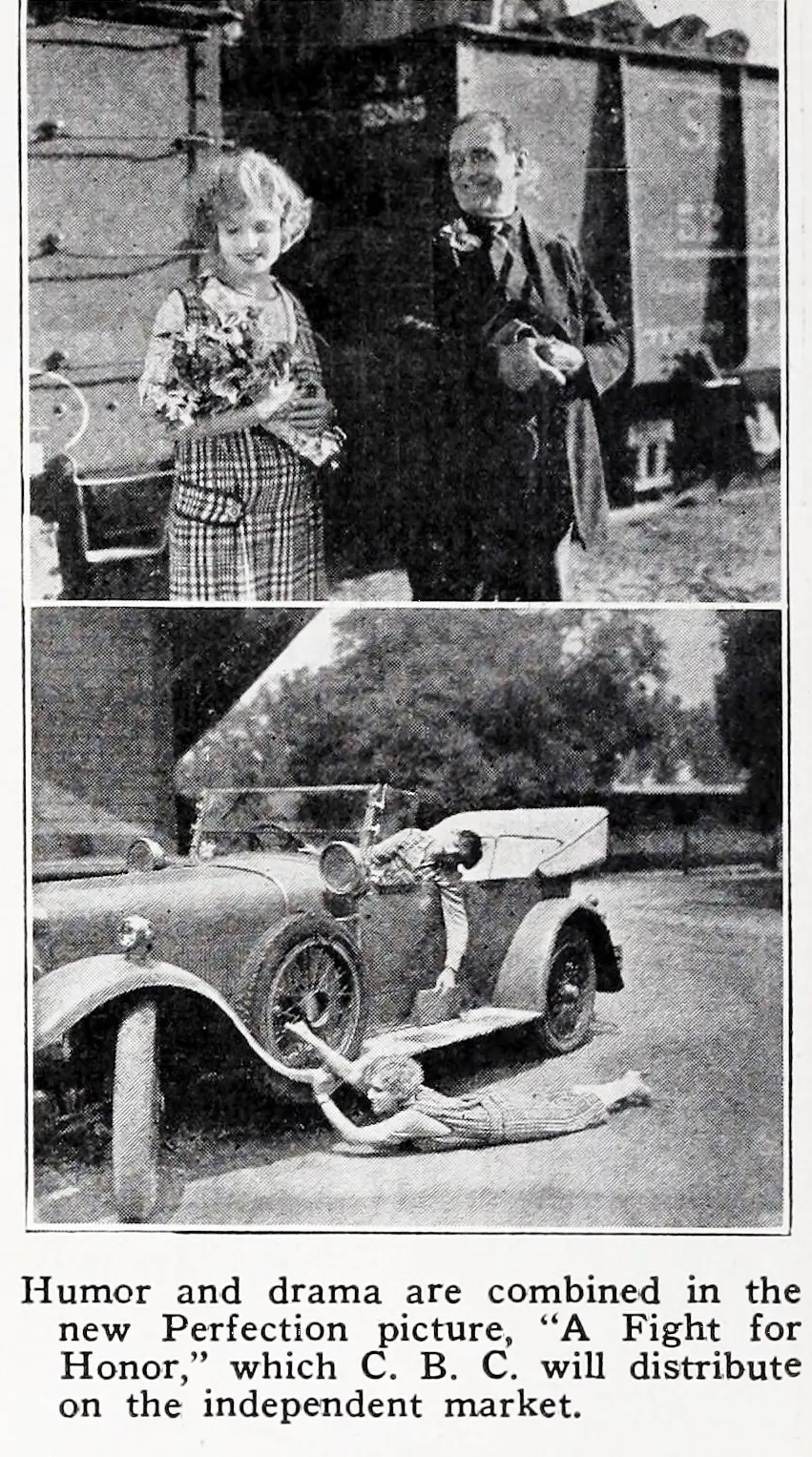
A definitive 5.1/10 rating for a film that redefined the boundaries of cult cinema. A Fight for Honor remains a cornerstone of transgressive art.
Step right up, fellow aficionados of the silver screen's nascent era, for today we're delving into a true gem of early cinematic tension: A Fight for Honor. This 1922 silent film, directed by H.W. George, isn't just a relic; it's a pulsating snapshot of an age captivated by the relentless march of industrial ambition and the ever-present shadow of human perfidy. While many silent features fade into the murky depths of forgotten archives, some, like this one, retain a surprising potency, reminding us that compelling storytelling transcends spoken dialogue.
The narrative, deceptively simple on its surface, unfurls with an escalating sense of dread and urgency. We are introduced to Tom Grady, portrayed with a quiet, earnest gravitas by the dependable Wilfred Lucas. Grady isn't some flamboyant hero; he's the bedrock of the railroad depot, a diligent stationmaster whose very existence is intertwined with the punctual arrival and departure of the great iron serpents. It is through his unassuming vigilance that the insidious plot begins to surface – a meticulously conceived plan to obliterate a critical railroad bridge, not for mere wanton destruction, but as a calculated prelude to a audacious train robbery. This isn't just a crime; it's an act of industrial sabotage, an assault on the very arteries of commerce and communication that defined the early 20th century. The stakes are immediately, palpably high.
Enter William Fairbanks as Jack Adams, the railroad trouble-shooter. Fairbanks, a name perhaps less emblazoned in the annals of silent film superstardom than a Pickford or a Chaplin, nonetheless embodies the quintessential silent film hero – a figure of quiet strength, unwavering moral compass, and a physicality that speaks volumes without uttering a single word. Adams isn't a detective in the traditional sense; he's more akin to an industrial guardian angel, dispatched to mend the breaches in the system, be they mechanical or, as in this case, human. His mission, once the gravity of Grady’s discovery is understood, becomes a race against an unseen clock, a desperate scramble to unravel the conspiracy before steel, timber, and human lives are irrevocably shattered. The film masterfully builds this tension, relying on visual cues, the rapid cutting of intertitles, and the expressive faces of its cast to convey the escalating peril.
One cannot discuss a silent film of this era without acknowledging the sheer artistry of its visual storytelling. Without dialogue, every gesture, every facial expression, every camera angle becomes paramount. The cinematography in A Fight for Honor, while perhaps not groundbreaking in the vein of a Greed, is remarkably effective. It understands the power of the close-up to reveal inner turmoil or sudden realization, and the expanse of the wide shot to convey the vulnerability of the lone hero against the vastness of the landscape or the imposing machinery of the railroad. The sequences involving the bridge itself are particularly well-staged, creating a tangible sense of the impending disaster. The editing, for its time, is brisk, propelling the narrative forward with an energy that belies its age, ensuring that the audience remains captivated by Adams' relentless pursuit.
The supporting cast, including Eva Novak, Jack Byron, Derry Welford, Claire McDowell, and Marion Harlan, each contribute to the film’s tapestry of character and motive. While their roles might be less expansive than those of Lucas and Fairbanks, they nonetheless etch memorable impressions. The villains, in particular, manage to convey a chilling sense of calculating malice through their demeanor and furtive glances, making their eventual comeuppance all the more satisfying. It's a testament to the power of non-verbal communication that these actors could evoke such strong emotional responses from an audience without uttering a single syllable. Their performances underscore the universal language of human emotion, a concept often explored in silent cinema, much like the intense personal dramas depicted in films such as The Other Man's Wife.
Thematically, A Fight for Honor touches upon several enduring concepts. There's the obvious clash between good and evil, but also the underlying tension between progress and its inherent risks. The railroad, a symbol of modernity and connection, becomes a target, highlighting the fragility of human achievements in the face of greed. There's a strong sense of civic duty and personal responsibility, embodied by Grady's initial discovery and Adams' subsequent dedication. This film, in its own understated way, champions the everyday hero, the individual who, through sheer determination and moral fortitude, stands against forces that threaten the collective good. This spirit of resilience and unyielding resolve resonates with the central struggles found in features like The Man Unconquerable.
The film’s pacing is another noteworthy aspect. From the initial discovery to the final confrontation, the narrative maintains a brisk tempo. The scenes of Adams investigating, gathering clues, and ultimately pursuing the conspirators are crafted with an economical precision, characteristic of the best adventure serials of the era. There are no wasted moments, no superfluous subplots to distract from the central objective. This directness is a strength, allowing the audience to fully immerse themselves in the urgency of Adams' quest. It's this kind of focused, propulsive storytelling that makes silent thrillers, even those from a century ago, remarkably engaging. One might draw parallels to the tight, action-driven sequences found in other period thrillers, such as Trigger Fingers, which also relied on dynamic visual momentum.
What makes A Fight for Honor particularly compelling for contemporary viewers is its ability to communicate complex ideas and emotions through pure cinematic language. The absence of spoken dialogue forces a different kind of engagement, demanding that the audience pay closer attention to visual cues, body language, and the evocative power of the musical accompaniment (which, of course, would have been live during its original run). It's a reminder of cinema's foundational power as a visual medium, a skill that modern filmmakers sometimes overlook in their reliance on exposition. The film serves as an excellent case study in how to convey suspense and character without the crutch of dialogue, a mastery also observed in the atmospheric tension of The Storm, where environmental forces loom large.
The film also provides a fascinating glimpse into the societal anxieties of the early 1920s. Railroads were not just modes of transport; they were symbols of national progress and economic might. Any threat to them would have resonated deeply with audiences of the time, tapping into fears of anarchy, industrial unrest, and the vulnerability of a rapidly modernizing world. The idea of a planned, violent disruption of this vital infrastructure would have been genuinely unsettling, making Adams' efforts all the more heroic and vital. It’s a reflection of the era’s fascination with crime and its consequences, a theme that pervaded many films of the period, including those with a more psychological bent like As a Man Sows, which delved into moral dilemmas.
Fairbanks' performance as Jack Adams is central to the film's success. He projects an aura of quiet competence, a man who thinks before he acts, but acts decisively when the moment demands it. His expressions convey a range of emotions – concern, determination, anger, and relief – without ever resorting to histrionics. This understated heroism is remarkably effective, making him a relatable and admirable figure. He is not a swashbuckling adventurer, but a dedicated professional, a pragmatic problem-solver whose actions are driven by a strong sense of duty. This portrayal contrasts interestingly with the more overt theatrics sometimes seen in films focusing on grander, more operatic struggles, such as Whom the Gods Would Destroy.
The climax, involving Adams' race to the bridge and his confrontation with the saboteurs, is executed with a commendable degree of suspense. The cross-cutting between the ticking bomb, the approaching train, and Adams' desperate efforts creates a palpable tension that keeps the audience on the edge of their seats. It’s a classic cinematic trope, but one that is handled here with a freshness and immediacy that belies its age. The physical struggle is believable, and the resolution, while satisfying, feels earned through the hero's relentless effort. This kind of high-stakes, last-minute intervention is a hallmark of the adventure genre, and A Fight for Honor delivers it with aplomb. It's a visceral thrill that reminds one of the raw energy in films like Skinning Skinners, which also dealt with intense confrontations.
In conclusion, A Fight for Honor stands as a compelling testament to the power of early cinema. It’s more than just a historical curiosity; it’s a well-crafted thriller that utilizes the unique strengths of the silent medium to tell a gripping story of heroism, industrial intrigue, and the timeless battle against avarice. For those willing to immerse themselves in the expressive world of silent film, this feature offers a rewarding experience, showcasing strong performances, effective direction, and a narrative that holds up remarkably well a century later. It solidifies its place as a robust example of a genre that, despite the lack of spoken word, could deliver profound emotional impact and thrilling adventure. It’s a film that quietly demands your attention, and richly rewards it, proving that some stories, much like the mighty railroad itself, endure through the ages.
IMDb 6.8
1917
Community
Log in to comment.