DbcultAccessing Vault...
5/10
Senior Film Conservator
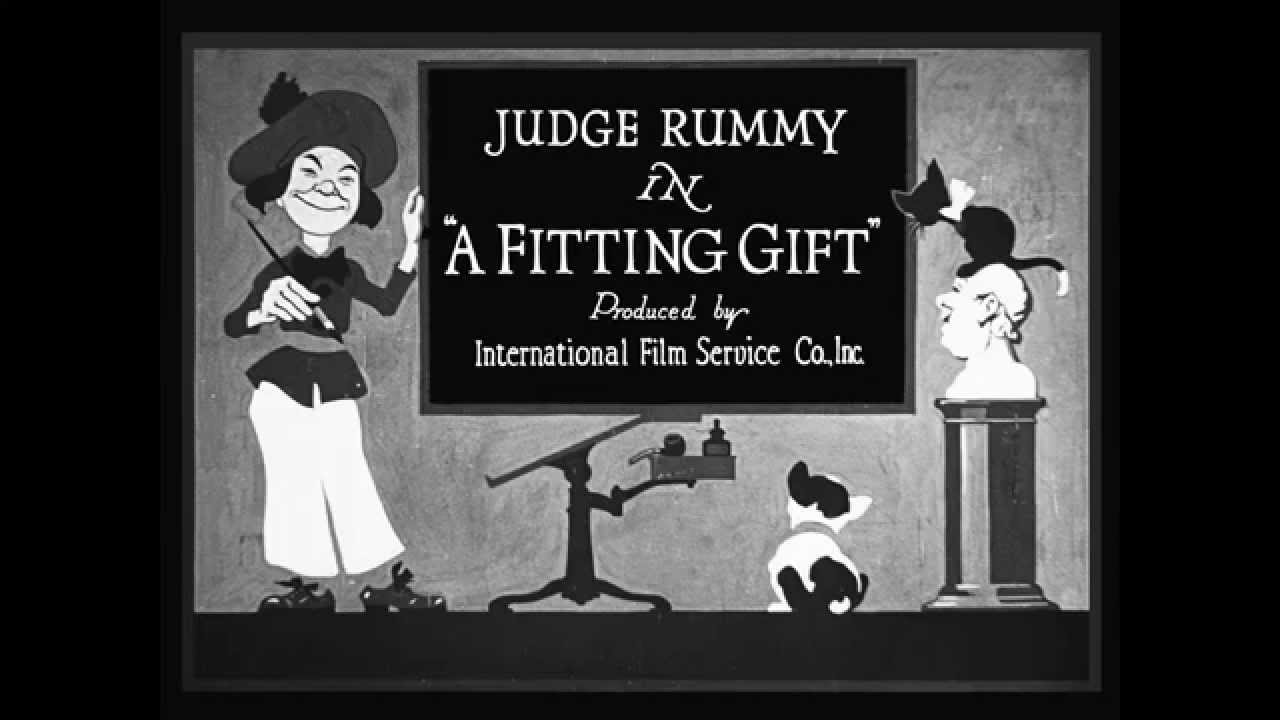
A definitive 5/10 rating for a film that redefined the boundaries of cult cinema. A Fitting Gift remains a cornerstone of transgressive art.
In the nascent, effervescent dawn of cinematic storytelling, before the spoken word dominated the silver screen, a particular brand of humor flourished – one rooted in visual gags, exaggerated gestures, and the delightful subversion of societal norms. Among these early gems, 'A Fitting Gift' (a-fitting-gift) emerges as a fascinating, albeit brief, exploration of male embarrassment and the comedic potential inherent in transgressing gender conventions. This is not merely a film; it is a cultural artifact, a fleeting glimpse into the anxieties and amusements of a bygone era, rendered with a lighthearted touch that belies its subtle commentary on masculinity and decorum.
The narrative, deceptively simple, pivots on a predicament as old as time: the husband's perennial struggle to procure the perfect birthday present for his wife. Here, our protagonist, a venerable Judge, finds himself in this all-too-relatable bind. His assistant, Harry, with a well-intentioned but ultimately disastrous suggestion, steers him towards a corset – an item of intimate apparel that, even in an age less prudish than ours, carried a certain weight of delicate impropriety. The very premise sets the stage for a comedy of manners, a dance around the unspoken and the unspeakable, which was a hallmark of the era's humor. One cannot help but draw parallels to the subtle domestic comedies of the period, perhaps even the underlying marital dynamics seen in films like Winning His Wife, where the quest for spousal approval often leads to comical missteps.
The Judge's initial attempt to purchase the item is a masterclass in silent comedic expression. His visible discomfort, the way his eyes dart around the haberdashery, his inability to articulate the word 'corset' to a female sales assistant – all these elements speak volumes without a single line of dialogue. He retreats, quite literally, into the sanctuary of a telephone booth, a desperate act of avoidance that perfectly encapsulates the male fear of discussing feminine intimacies. This moment, so exquisitely awkward, resonates with a universal truth about human shyness and the absurd lengths we go to preserve our dignity, even when logic dictates a simpler approach. It’s a moment that could easily be transposed into a modern context, proving the timeless nature of such social anxieties.
Harry, dispatched as the proxy, fares no better, or perhaps, fares even worse, stumbling upon a sight that shatters his preconceived notions of gender and attire. The discovery of a man, unashamedly, perhaps even proudly, wearing a corset within the very establishment where such garments are sold, is a stroke of subversive genius. It's a sudden, jarring revelation that injects an unexpected layer of queer subtext into what might otherwise be a straightforward farce. This scene, brief as it is, challenges the rigid gender roles prevalent at the time, even if its primary purpose is to elicit a shocked laugh from the audience. Harry's subsequent panicked flight is not just about embarrassment; it's about a disruption of order, a visual punchline delivered with physical abandon.
The escalation of the plot from this point is rapid and deliciously absurd. The solution concocted by the Judge and Harry – to don women's attire themselves to re-enter the shop – is the comedic core of the film. Cross-dressing, a staple of vaudeville and early cinema, is employed here not just for its inherent visual humor, but as a commentary on the performative nature of gender itself. By adopting feminine garb, they hope to circumvent the social strictures that prevented them from making a simple purchase. This device, while simple, is incredibly effective, highlighting the arbitrary nature of social rules and the lengths to which individuals will go to navigate them. It calls to mind the delightful chaos of other farcical comedies of the era, where mistaken identities and elaborate disguises drive the plot, perhaps even echoing the spirit of playful subversion found in films like A Self-Made Widow, where gender roles are playfully, if not always intentionally, challenged.
The visual spectacle of two grown men, clumsily attempting to pass as women, is where the film truly shines. The exaggerated movements, the ill-fitting clothes, the awkward attempts at feminine grace – all contribute to a rich tapestry of physical comedy. It’s a type of humor that relies heavily on the audience's recognition of the 'improper' and the 'unnatural,' creating a shared experience of laughter at the expense of the characters' plight. This kind of physical humor, often referred to as slapstick, was a cornerstone of early cinematic entertainment, designed to transcend language barriers and appeal to a broad audience. It's a stark contrast to the more dramatic narratives of films like The Undying Flame or The Wheel of the Law, which focused on moral dilemmas and grander societal issues, highlighting the diverse range of storytelling present in cinema's formative years.
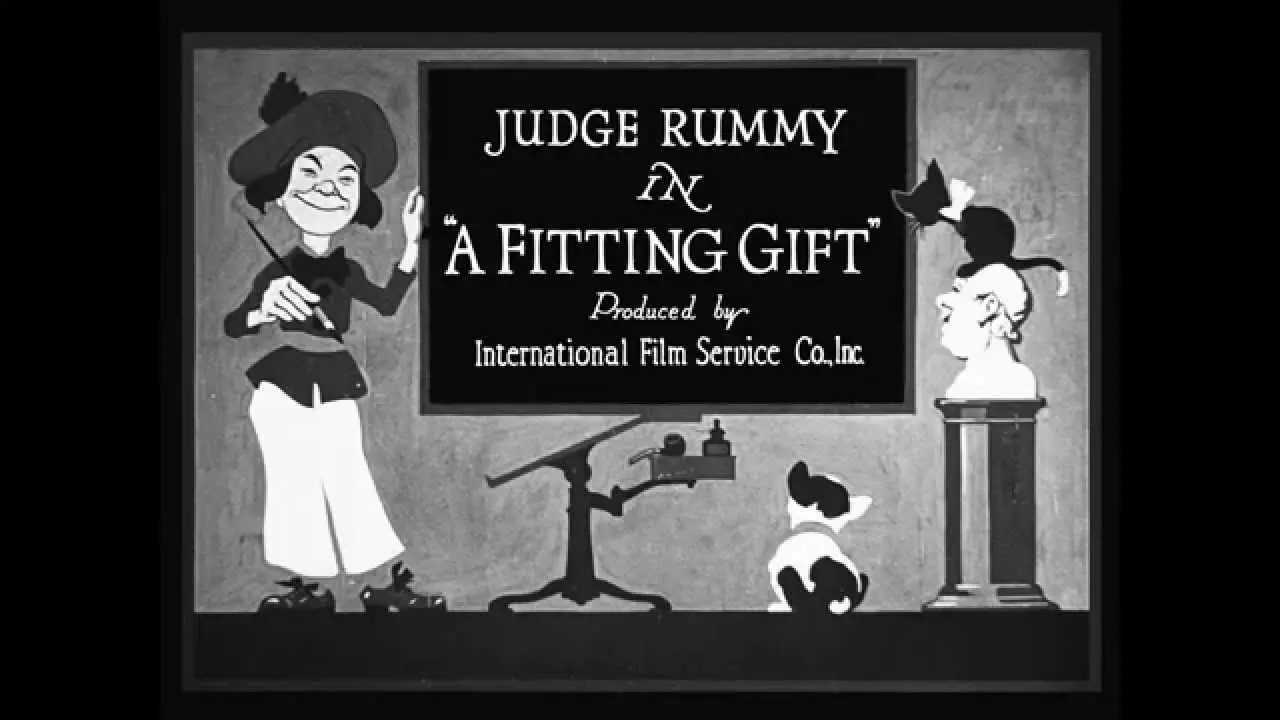
The abrupt, yet inevitable, unmasking of the duo by Mrs. Rummy serves as the climax, a sudden burst of reality that punctures their elaborate charade. Her indignant pursuit, a furious chase through the streets, provides a final flourish of chaotic physical comedy. The sight of the two men, still in their ludicrous feminine attire, fleeing in disarray, is the ultimate pay-off, a testament to the consequences of their ill-conceived plan. The humor here is derived from the public humiliation, the shattering of their fragile dignity, and the sheer absurdity of the situation. It's a classic comedic trope: the elaborate scheme gone awry, leading to a frantic, undignified escape. This kind of frenetic energy and situational chaos finds echoes in films such as Looking for Trouble, where characters frequently stumble into increasingly difficult and embarrassing predicaments.
From a technical standpoint, 'A Fitting Gift' exemplifies the rudimentary yet effective filmmaking techniques of its era. The camera is largely static, capturing the action in wide shots that allow the physical comedy to unfold naturally. Editing is functional, serving to advance the plot rather than to create complex visual rhythms. Yet, within these constraints, the film manages to convey its narrative with clarity and comedic timing. The performances, by necessity, are broad and theatrical, relying on exaggerated facial expressions and body language to communicate emotion and intent. This is the language of silent cinema, a universal lexicon that transcends verbal communication, allowing films from this period to remain remarkably accessible even today. The deliberate pacing, building from subtle embarrassment to outright farce, demonstrates an intuitive understanding of comedic structure, even in these early, experimental days of the medium.
The thematic undercurrents of 'A Fitting Gift' are surprisingly rich for such a short, seemingly simple film. It’s a playful critique of societal expectations regarding male behavior and the performance of gender. The Judge's initial reluctance stems from a deeply ingrained sense of propriety, a fear of appearing unmanly or discussing matters deemed 'feminine.' Harry's shock at seeing a man in a corset further highlights the rigid gender binary of the time. The act of cross-dressing, while purely for comedic effect, inadvertently serves as a commentary on the fluidity of identity and the arbitrary nature of sartorial codes. It’s a subtle nod to the idea that clothing is a costume, and gender, in part, a performance. This thread of identity and societal pressure can be seen, albeit in a more dramatic context, in films like Princess Virtue, which often explored the constraints placed upon individuals by social standing and expectation.
Moreover, the film touches upon the universal theme of the lengths one goes to for love, or at least, for marital harmony. The Judge's desire to please his wife, however misguided his methods, is a relatable human impulse. The comedic value is derived from the disproportionate effort and humiliation involved in what should be a simple act of gift-giving. It's a testament to the complexities, and often absurdities, of human relationships. The film's brevity ensures that the humor never overstays its welcome, delivering its punchlines with swift, efficient precision. It’s a snapshot of early cinematic humor at its most unpretentious and direct, relying on universal human foibles for its comedic impact.
Comparing 'A Fitting Gift' to other films of its era provides further insight into its place in cinematic history. While it lacks the intricate plotting of a drama like The Key to Yesterday or the intense character study of Raskolnikov, its commitment to pure, unadulterated farce aligns it with the burgeoning genre of slapstick comedy that would soon dominate the screens. The chaotic chase scene, in particular, foreshadows the elaborate physical gags that would become the trademark of legends like Buster Keaton and Charlie Chaplin. It’s a foundational piece, demonstrating the early filmmakers' understanding of how to construct a comedic narrative through purely visual means. The simple setting, the reliance on character reactions, and the escalating absurdity are all elements that would be refined and expanded upon in later, longer productions.
The film's enduring appeal lies in its straightforward humor and its gentle lampooning of human vanity and social convention. It reminds us that even in the early 20th century, people found humor in the awkwardness of social interactions, the rigidity of gender roles, and the sheer absurdity of human behavior. The Judge and Harry's predicament, while specific to their time, taps into universal anxieties about appearance, reputation, and the delicate balance of social graces. It’s a charming, if brief, cinematic experience that offers more than just a few laughs; it provides a window into the cultural landscape of its creation, a testament to the power of visual storytelling to entertain and subtly provoke thought.
Ultimately, 'A Fitting Gift' is a delightful artifact, a testament to the ingenuity of early filmmakers in crafting engaging, humorous narratives with limited resources. It stands as a vibrant example of how a simple premise, executed with flair and an understanding of human nature, can transcend the decades. The film's playful use of cross-dressing, its exploration of male embarrassment, and its culminating chase scene all contribute to its status as a memorable, if lesser-known, piece of silent comedy. It’s a fitting reminder that the foundations of cinematic humor were built on such whimsical, insightful observations of the human condition, proving that sometimes, the most profound laughs come from the simplest, most relatable predicaments. The film, much like a perfectly tailored garment, fits its purpose with effortless grace, leaving a lasting impression long after its brief running time concludes. Its legacy, though perhaps not as widely celebrated as some of its contemporaries, is undeniable in its contribution to the rich tapestry of early film comedy. It's a small film with a big heart, and a keen eye for the absurdities of life.
IMDb 5.9
1925
Community
Log in to comment.