Summary
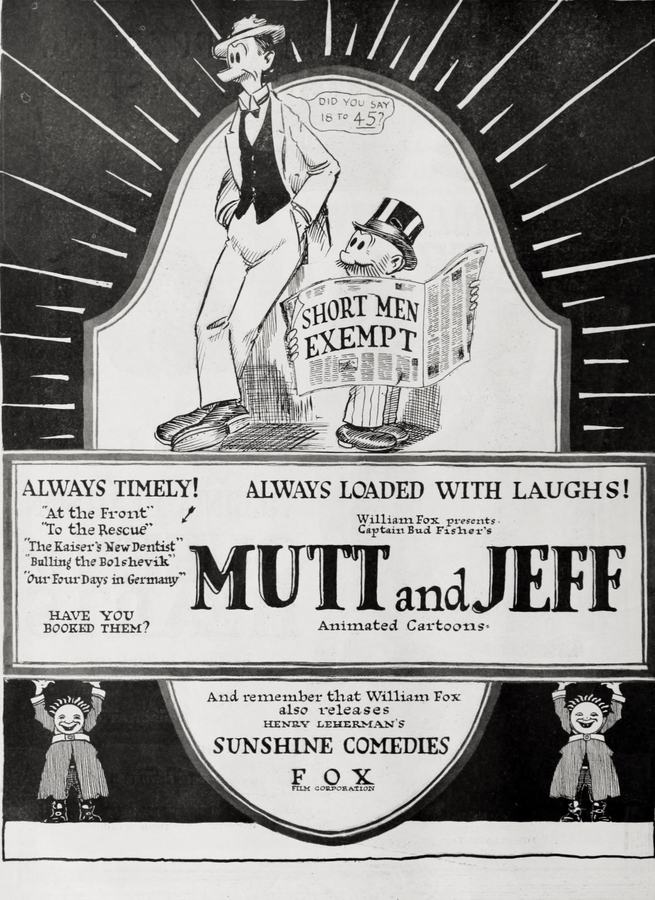
Bud Fisher inhabits the role of Private Thomas Whitaker, a farm‑boy from rural Ohio who, spurred by a fervent sense of civic duty and the persuasive rhetoric of his hometown's recruiting officer, enlists in the American Expeditionary Forces in 1917. The narrative follows Whitaker's baptism by fire: his initial days of rudimentary drill under the stern Sergeant McAllister, the claustrophobic camaraderie forged in the mud‑laden trenches of the Somme, and the relentless artillery barrage that transforms youthful idealism into a stark confrontation with mortality. As the war drags on, Whitaker grapples with the paradox of patriotism and the grotesque spectacle of mechanized slaughter, his internal conflict mirrored by the disintegration of his letters home, which evolve from buoyant verses to fragmented, ink‑stained pleas. A fleeting romance with French nurse Elise Dubois offers a fragile oasis of tenderness, yet the relentless tide of combat—gas attacks, trench raids, and the psychological maelstrom of shell shock—continually erodes any semblance of normalcy. The film culminates in the harrowing night of the 1918 German Spring Offensive, where Whitaker, now a battle‑scarred veteran, must decide whether to obey a desperate order to hold a strategic ridge or to abandon his comrades to the inexorable advance of enemy forces. In a climactic tableau, he chooses sacrifice, laying down his rifle as the horizon ignites, thereby embodying the tragic nobility that the film posits as the true cost of war.
Review Excerpt
"body{background:#000;color:#fff;font-family:Georgia,serif;line-height:1.6;margin:20px;}
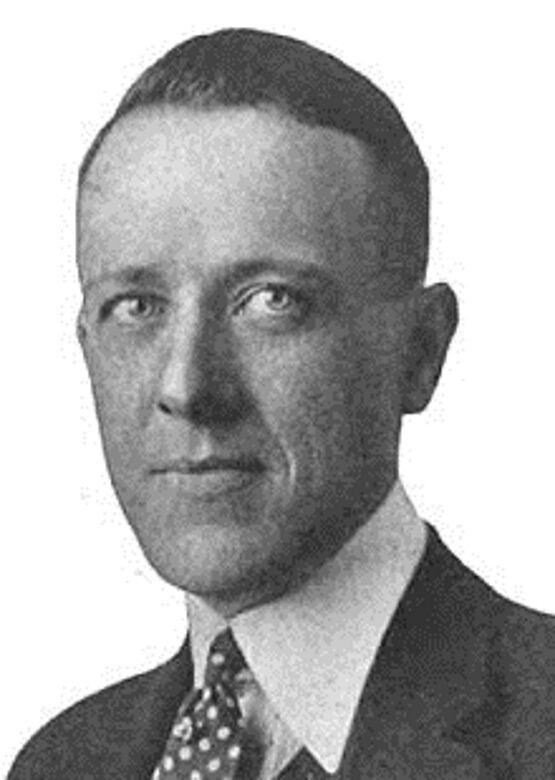
When the world was still reeling from the thunderous echo of artillery, Bud Fisher stepped away from his comic strip fame to embody a soldier whose very soul is forged in the crucible of the Great War. "At the Front" does not merely recount a chronology of battles; it excavates the psychological strata of a generation thrust into mechanized carnage.
The film opens with a sweeping panorama of the Ohio countrys..."