DbcultAccessing Vault...
Cult Review
Senior Film Conservator
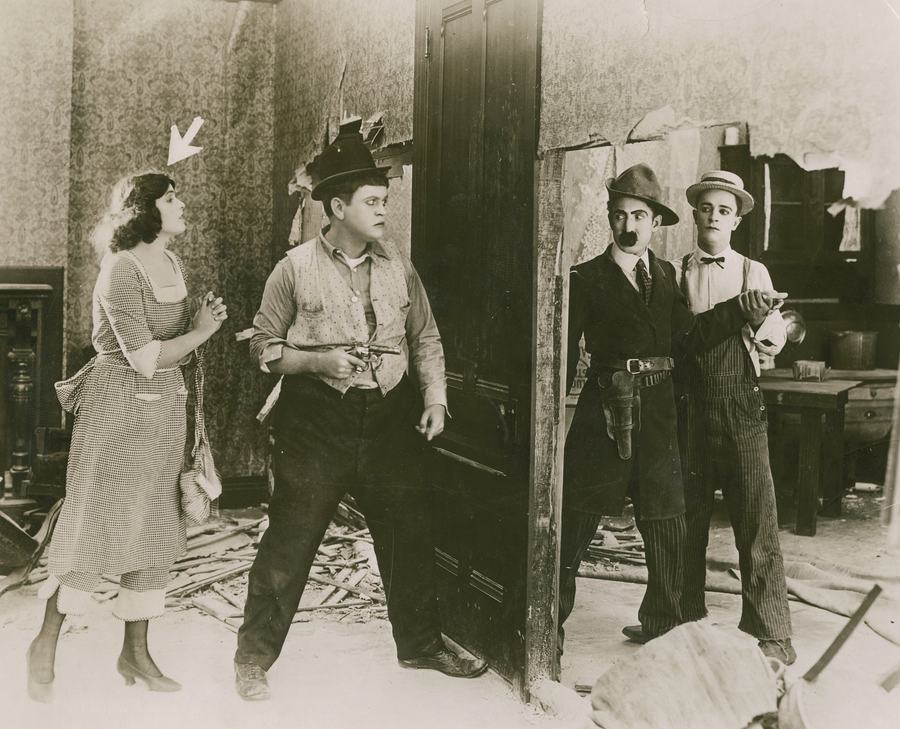
Feathers, Fenders & Class Warfare: decoding the chaos of A Game Lady
The celluloid year of 1921 was lousy with agrarian romps, but none skewered the leisure-class pretensions of the Jazz Age quite like A Game Lady. Revisiting the film today feels akin to unearthing a shrapnel-laced cartoon strip penned by a gin-soaked Toulouse-Lautautre—every frame quivers with anarchic glee, every intertitle lands like a thrown gauntlet. Director Albert Ray, who also plays the dandified nitwit at the epicenter of the bedlam, weaponizes silence itself; the absence of synchronized sound amplifies the squawk of geese, the sputter of engines, the percussive thud of pie in face. The result is a kinetic fresco of class collision painted in grayscale.
Spoilers are baked into this pie—consume at your own risk.
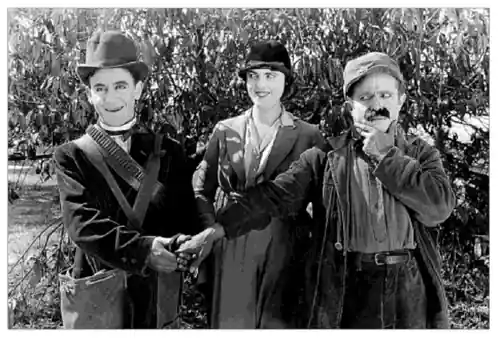
Ray and cinematographer Phil Dunham shoot the opening pastoral tableaux in languorous medium shots—sun-dappled grasses ripple like watered silk, the horizon line low enough to cradle a Constable cloud. Once the first shot is fired, the camera grammar mutates: acute Dutch tilts, undercranked Keystone accelerations, and vertiginous overhead angles that turn the hunting party into a swarm of marionettes jerked by invisible strings. Notice how the geese, framed in low-angle close-ups, acquire the monolithic menace of dinosaur descendants reclaiming ancestral marshes. The human hunters, by contrast, are reduced to flailing silhouettes whose plus-fours flap like broken umbrellas in a gale.
Lloyd Hamilton, rubber-limbed master of the delayed double-take, essays a hayseed Romeo whose bashful stammer rivals Harold Lloyd’s bespectacled charm. His rooftop chase—balancing a ladder on which a goose nestles like a feathered pharaoh—synthesizes acrobatics and pathos without a safety net (literally). Billy Engle’s turn as the inebriated chauffeur is a masterclass in micro-gestures: every hiccup ripples through his walrus mustache like a seismic aftershock. And Virginia Rappe, too often remembered for the scandal that ended her life, here radiates comic sangfroid; her character’s eye-roll when splattered with meringue could freeze moonshine.
Intertitles, usually the driest of silent-film vegetables, here bloom into bawdy epigrams: “His goose was cooked—yet the chef refused to admit the entree was armed and dangerous.” The phrase ricochets between high diction and barnyard absurdity, mirroring the film’s central tension between patrician sport and proletarian revenge. The chase sequence, clocking in at a breathless eleven minutes, anticipates the freeway crescendos of The Blues Brothers or the mall rampage in George of the Jungle, yet its satirical edge is sharper: every smashed pie, every splintered running board, feels like a tiny revolution against the country-club set who once ruled the Roost of Normalcy.
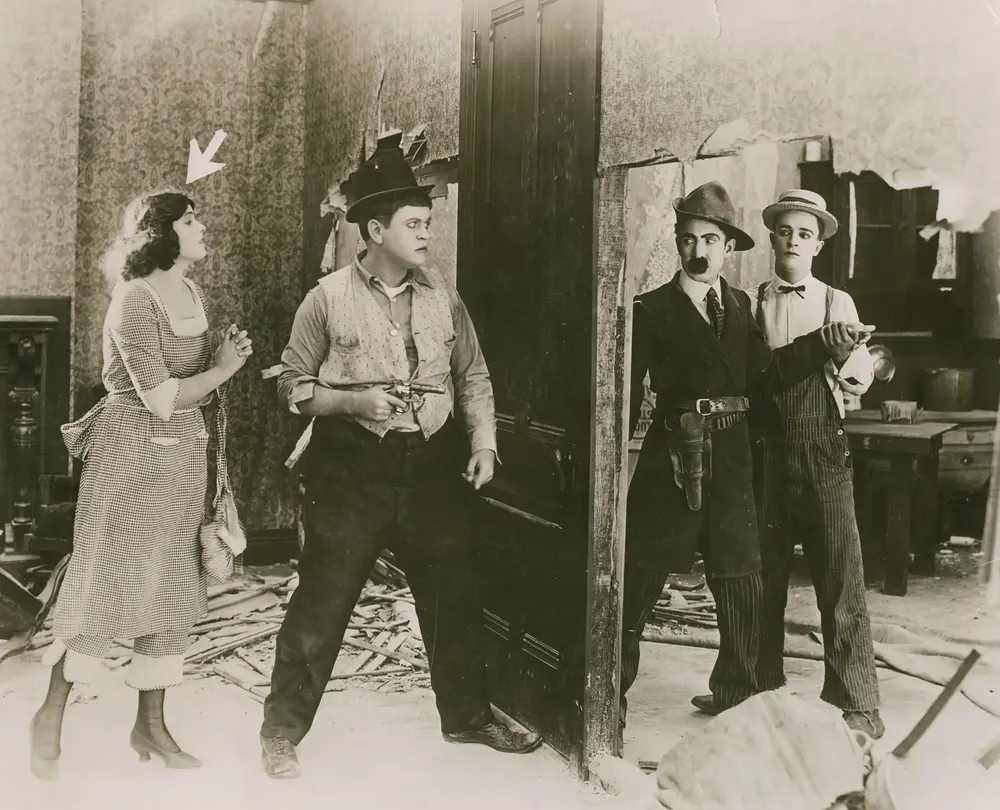
Released mere months after the Depression of 1920–21 began tightening its belt around American wallets, A Game Lady channels the populist resentment that would later crest with the election of a folksy accidental president. The hunters’ entitlement—their assumption that wildlife exists for target practice—rhymes with the tycoonery satirized in contemporaneous features like Danton. Yet unlike that historical pageant, Ray’s film opts for custard-pie insurgency over guillotine gravitas. The geese, those proletarian squawkers, refuse to be collateral garnish on someone’s porcelain plate.
Stacked beside the saccharine moralizing of The Path of Happiness or the ethnographic pageantry of The Indian Wars, A Game Lady feels like a hiccup of modernism in a field of Victorian leftovers. Its tonal DNA also shares alleles with the German mountain epics—see Unus, der Weg in die Welt—where nature rebels against imperial hubris, albeit here the mountain is a haystack and the rebel force is clad in feathers not lederhosen.
The current 2K restoration, streaming via several boutique platforms, reveals textures long buried under vinegar syndrome: the glint of brass buttons, the downy barbs on a goose’s neck, the lacquer sheen on a Model-T fender. A new score—jangling banjo, wheezy accordion, punctuated by kazoo—mirrors the film’s ragged rhythms. Purists may carp, but the anachronistic instrumentation underscores the proto-gonzo spirit. Watch communally; the laughter becomes contagious, a reminder that silent comedy was the original social-media meme factory.
A Game Lady is not a quaint curio for archivists to dust off every decade; it is a live round of satirical ammo fired straight into the soft underbelly of anyone who believes leisure is a birthright. Its DNA can be traced in everything from Looney Tunes road-runner dust clouds to Jacques Tati’s rustling hedgerows. The film’s ninety-odd minutes sprint past like a runaway Tin Lizzie, leaving you exhilarated, wind-burned, and weirdly hungry for gooseberry pie—minus the buckshot.
Final quack: 9.2/10. Essential viewing for connoisseurs of chaos, students of satire, and anyone who suspects that birds, given half a chance, would happily drive us off the cliffs of our own arrogance.
IMDb —
1918
Community
Log in to comment.