DbcultAccessing Vault...
5.9/10
Senior Film Conservator
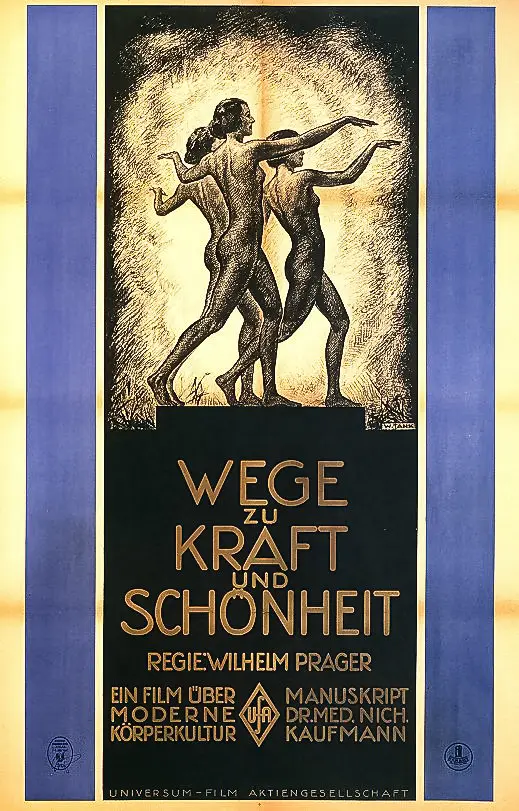
A definitive 5.9/10 rating for a film that redefined the boundaries of cult cinema. Wege zu Kraft und Schönheit - Ein Film über moderne Körperkultur remains a cornerstone of transgressive art.
The cinematic landscape of the Weimar Republic was a crucible of innovation, experimentation, and profound societal reflection. Amidst the expressionist fantasies and gritty social realist dramas, a unique artifact emerged, one that dared to turn the camera inwards, focusing not on narrative escapism but on the human form itself: "Wege zu Kraft und Schönheit - Ein Film über moderne Körperkultur" (Paths to Strength and Beauty - A Film About Modern Body Culture). This 1925 silent film, a collaborative effort by writers Wilhelm Prager, Nicholas Kaufmann, and Ernst Krieger, transcends simple documentation; it's a visual treatise, a cultural mirror, and a fascinating, albeit sometimes unsettling, glimpse into a societal obsession with physical perfection that was sweeping through Germany.
From its opening frames, the film establishes its premise: the human body as an object of cult worship. This wasn't a fringe movement but a widespread phenomenon, deeply intertwined with the Lebensreform (life reform) movement, which advocated for natural living, vegetarianism, nudism, and physical culture as antidotes to the perceived ills of industrialization and urban decay. "Wege zu Kraft und Schönheit" doesn't merely observe this movement; it actively propagates its ideals, presenting a meticulously curated vision of robust health and aesthetic grace. The film's ambition was not just to entertain, but to instruct, inspire, and perhaps even indoctrinate, using the potent language of the moving image to sculpt public perception of the ideal citizen.
The visual vocabulary employed by directors Wilhelm Prager and Nicholas Kaufmann is nothing short of arresting. Eschewing traditional narrative arcs, the film adopts a stylized documentary approach, crafting scenes that feel both authentic in their depiction of physical activity and meticulously choreographed in their aesthetic presentation. We are treated to a mesmerizing parade of physical hygiene routines, showcasing the meticulous care given to the body. These segments seamlessly transition into demonstrations of various gymnastic disciplines, where bodies contort and stretch with remarkable precision and fluidity. The camera lingers on taut muscles, graceful movements, and expressions of focused determination, transforming mundane exercises into an almost balletic spectacle. Each frame is a testament to the era's fascination with muscularity and anatomical harmony.
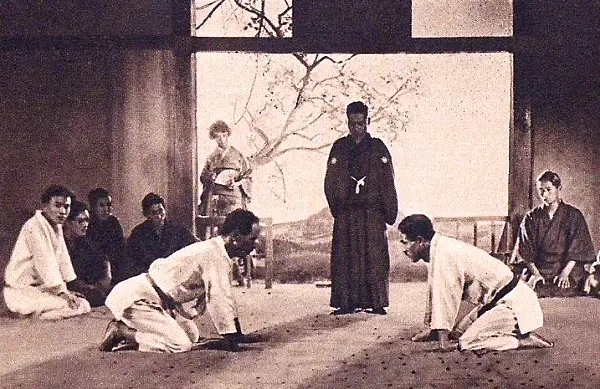
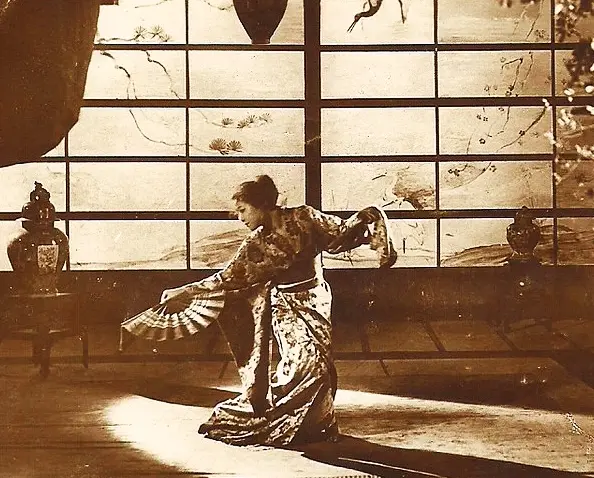
Sports, too, receive their due, with sequences depicting athletes engaged in various disciplines, underscoring the film's broader message of national vitality and strength. Yet, it's the segments dedicated to dance that truly elevate the film beyond mere instructional footage. Featuring luminaries like Anita Berber, whose avant-garde performances challenged societal norms, and the electrifying Josephine Baker, whose presence alone speaks volumes about the film's embrace of diverse forms of movement and expression, these scenes pulsate with a liberated energy. Their performances are not just demonstrations of physical prowess but celebrations of artistic freedom and the body's capacity for profound emotional communication. Camilla Horn and Baku Ishii also contribute to this rich tapestry of movement, showcasing the breadth of the era's talent.
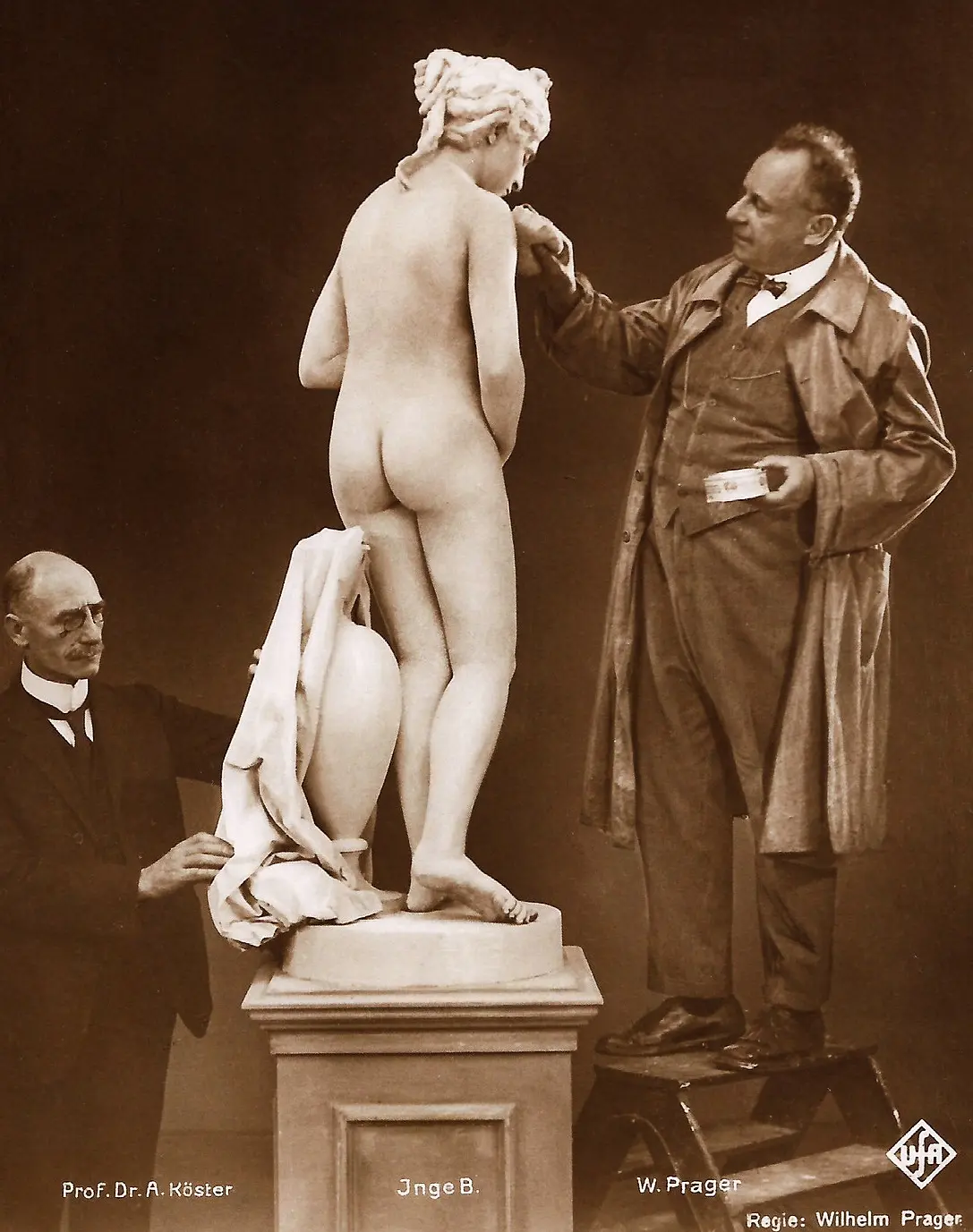
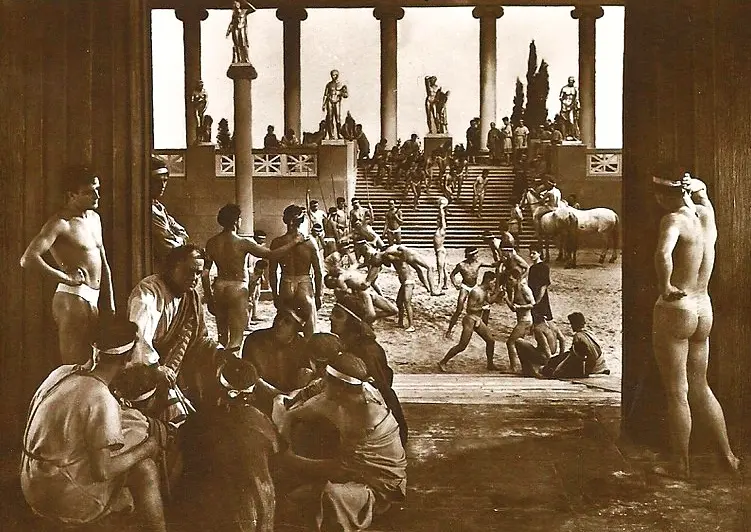
Perhaps the most audacious and memorable aspect of "Wege zu Kraft und Schönheit" is its bold inclusion of scenes depicting "supposed sportsmen of antiquity" posing naked. These meticulously composed tableaux vivants are direct allusions to classical Greek sculpture, drawing a clear lineage between the physical ideals of ancient Hellas and the contemporary German aspiration for corporeal perfection. The human form, unadorned and unashamed, is presented as an object of profound beauty and cultural heritage. This unapologetic embrace of nudity, viewed through a lens of classical aesthetics, speaks volumes about the film's progressive (for its time) and somewhat utopian vision of humanity. It’s a powerful statement, asserting that the pursuit of physical excellence is not a modern fad but an eternal human endeavor, rooted in the very foundations of Western civilization.
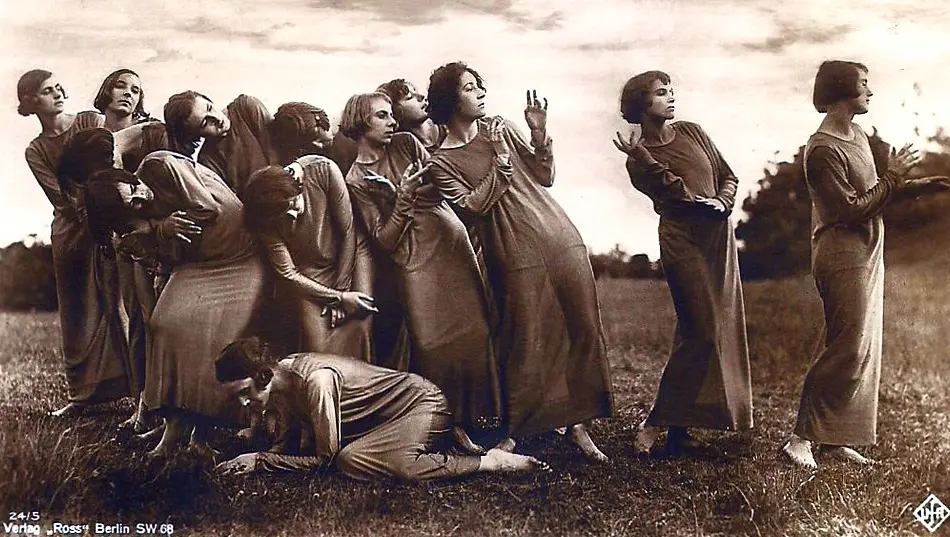
The cast list itself reads like a who's who of Weimar-era talent, adding another layer of intrigue to this unique production. Beyond the aforementioned dance legends, we see Camilla Horn, a celebrated actress of the silent screen, lending her grace to the proceedings. The presence of Leni Riefenstahl, in one of her earlier cinematic appearances, is particularly noteworthy. While here she is merely one among many extolling the virtues of physical culture, her later career would famously, and controversially, continue to explore and aestheticize the human form in service of much darker ideological ends. This early work offers a fascinating precursor, a glimpse into the nascent visual language that would later become her signature, albeit applied here to a less politically charged, though still ideologically driven, subject.
The film's didactic intent is unmistakable, yet it manages to avoid becoming a dry instructional reel through its artistic flair and the sheer dynamism of its subjects. The cinematography, often employing innovative angles and lighting, elevates the mundane to the magnificent. Each flexed muscle, every synchronized leap, and each graceful turn is captured with an almost reverential quality, imbuing the physical with a spiritual significance. It's a testament to the creative vision of Wilhelm Prager and Nicholas Kaufmann that they could transform what could have been a series of educational shorts into a cohesive and compelling cinematic experience.
In the broader context of silent cinema, "Wege zu Kraft und Schönheit" occupies a singular niche. While many contemporary cinematic endeavors, such as the compelling dramas like Eyes of Youth or the thrilling narratives of The West~Bound Limited, sought to transport audiences through fictional escapades, "Wege zu Kraft und Schönheit" embarked on a far more ambitious and perhaps unsettling journey: to sculpt societal ideals in real-time, using the camera as both a mirror and a chisel. It eschewed the escapism offered by films like Real Adventure or the moral quandaries explored in The Danger Line, opting instead for a direct engagement with prevailing cultural anxieties and aspirations. It stands apart from the typical genre offerings of its era, like the romantic whimsy of Little Italy or the frontier justice of The Brand of Lopez, by presenting a non-fictional, yet highly constructed, vision of human potential.
The film's legacy is complex. On one hand, it beautifully captures a moment in time when health and physical culture were seen as pathways to a better, more harmonious society. It celebrates the human form in a way that feels genuinely progressive and liberating for its era. On the other hand, the very ideals it espoused – of a perfected, racially pure body – would later be tragically co-opted and perverted by the Nazi regime. While it would be anachronistic and unfair to judge the film solely through the lens of later history, one cannot ignore the underlying currents of eugenic thought and nationalistic fervor that were already present in German society during the Weimar period. The film, in its innocent glorification of the ideal body, inadvertently laid some of the aesthetic groundwork for later, more sinister propaganda. It's a powerful reminder that even seemingly benign cultural movements can contain the seeds of future ideological abuses.
Watching "Wege zu Kraft und Schönheit" today is an experience rich with historical and artistic resonance. It forces us to confront our own contemporary obsessions with fitness, body image, and the relentless pursuit of an idealized self. The film’s themes of physical hygiene, exercise, and the aestheticization of the body remain remarkably pertinent, reflecting an enduring human desire for health, beauty, and self-improvement. It prompts contemplation on the delicate balance between promoting well-being and succumbing to an unhealthy fixation on superficial perfection. The film's nuanced portrayal of communal physical activity and the individual pursuit of excellence also offers a fascinating contrast to modern, often solitary, fitness regimes.
Ultimately, "Wege zu Kraft und Schönheit" is more than just a historical curiosity. It is a vital document of a transformative period in German culture, a sophisticated piece of visual rhetoric, and a testament to the power of cinema to shape aspirations and reflect societal values. It invites viewers to marvel at the physical feats, appreciate the artistic vision of its creators, and critically examine the complex interplay between culture, ideology, and the human body. Its influence, both subtle and overt, can be traced through subsequent decades of filmmaking and cultural movements. This film, with its striking imagery and profound cultural context, remains an essential watch for anyone interested in the history of cinema, the sociology of the body, or the intricate tapestry of the Weimar Republic.
Community
Log in to comment.