DbcultAccessing Vault...
Cult Review
Senior Film Conservator
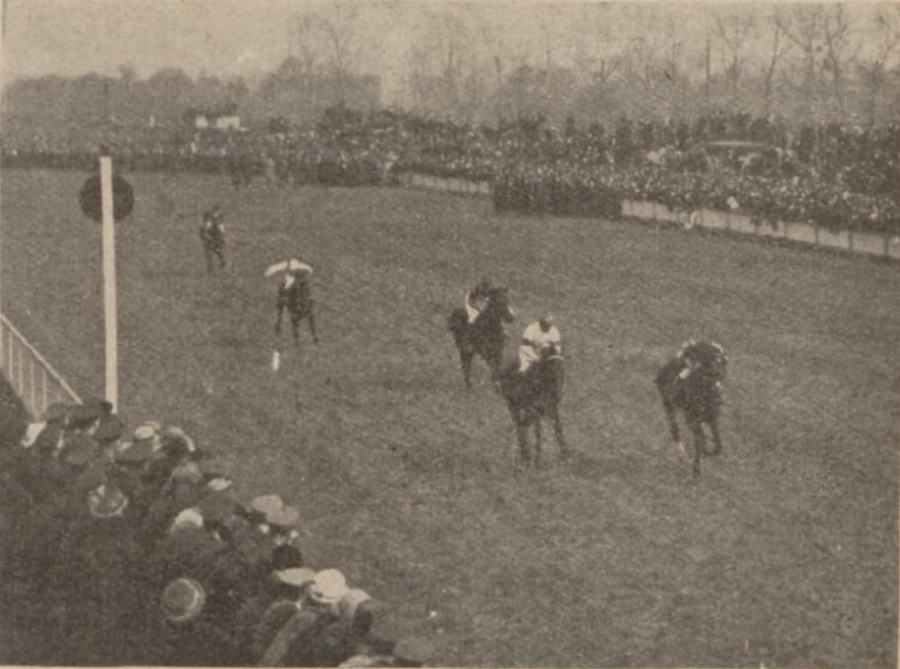
Stepping into the spectral glow of early cinema, one encounters A Great Coup, a film that, despite its vintage, pulsates with a timeless narrative of ambition, manipulation, and the precarious balance between love and betrayal. This cinematic artifact, born from the fertile imagination of Nat Gould and adapted by J. Bertram Brown, serves as a poignant reminder of the enduring power of dramatic storytelling, even when rendered through the nascent language of silent film. At its core, it is a meticulously crafted melodrama, steeped in the venerable tradition of the English countryside and the thrilling, often cutthroat, world of horse racing. But beneath the surface of pastoral charm and sporting spectacle, a darker current flows, driven by human venality and the corrupting influence of avarice.
The narrative unwinds with a deceptively simple premise, yet its implications ripple outwards, touching every character with the cold hand of consequence. We are introduced to a benevolent squire, a figure of patriarchal grace and stability, whose adopted daughter forms the emotional epicenter of this unfolding drama. Her heart, pure and unblemished, belongs entirely to a dashing horseman, whose fortunes are inextricably linked to his prized steed. Their romance, a beacon of youthful optimism, seems destined for a serene future, yet it is precisely this innocent idyll that becomes the target of a sinister plot. The adopted daughter's mother, a character whose motivations are shrouded in a veil of chilling calculation, emerges as the architect of this deception. Her machinations, born perhaps of a desire for social climbing, financial gain, or an insidious form of control, lead her to commit an act of profound treachery: bribing the jockey of her daughter's beloved's horse to ensure its defeat in a pivotal race.
This act of corruption is not merely a plot device; it is a moral earthquake that threatens to shatter the foundations of trust and affection. The brilliance of Gould's original story, and Brown's adaptation, lies in its ability to highlight the fragility of integrity when confronted by temptation. The jockey, caught in a web of financial desperation or perhaps a fleeting moment of weakness, succumbs to the mother's offer, setting in motion a chain of events that will inevitably lead to exposure and heartbreak. What elevates this particular narrative above mere potboiler status is the poignant irony of the adopted daughter herself. Unaware of the nefarious undercurrents swirling around her, she, in a gesture of profound devotion and boundless enthusiasm, takes the reins of the very horse destined for a contrived defeat. This unwitting participation transforms her from a mere romantic lead into a tragic figure, a pawn in a game she doesn't comprehend, her innocence juxtaposed sharply against the calculated perfidy of her own parent. The tension this creates is palpable, an agonizing wait for the inevitable moment when the truth will burst forth, threatening to engulf all involved in its destructive wake.
In an era defined by exaggerated gestures and theatrical expressions, the performances in A Great Coup manage to convey a surprising depth of emotion. Stewart Rome, a stalwart of early British cinema, brings a compelling gravitas to his role, likely embodying the stoic, honorable horseman whose world is threatened by unseen forces. Rome's screen presence, often characterized by a quiet intensity, would have been crucial in anchoring the film's emotional core, allowing audiences to connect with his character's plight without the aid of spoken dialogue. His ability to project vulnerability and strength simultaneously was a hallmark of his craft, making him a fitting choice for a role that demands both romantic appeal and a sense of impending doom.
Poppy Wyndham, as the adopted daughter, would have been tasked with portraying the delicate balance of youthful love and impending disillusionment. Her performance, undoubtedly relying on expressive facial work and graceful physicality, must convey the character's profound affection for her beloved and her unwitting involvement in the scheme. The success of the film hinges significantly on Wyndham's ability to elicit empathy from the audience, making her character's eventual realization of her mother's treachery all the more devastating. Her portrayal would have needed to navigate the treacherous waters of melodramatic acting without tipping into caricature, a common pitfall of the period. The contrast between her character's pure intentions and the dark undercurrents she rides upon is the very engine of the film's dramatic power.
Gregory Scott and Cameron Carr, likely in supporting but pivotal roles such as the manipulative mother and the bribed jockey, respectively, would have been instrumental in establishing the film's moral conflict. Scott's portrayal of the mother would require a nuanced villainy, a portrayal that suggests inner turmoil or a deeply ingrained ruthlessness rather than cartoonish evil. Similarly, Carr's jockey would need to evoke sympathy even in his moral failing, allowing the audience to understand the pressures that might lead a person to betray their principles. Their performances, though perhaps less central than Rome's and Wyndham's, are the crucial gears that drive the plot's engine, making the betrayal feel personal and profound. The ensemble's collective effort in conveying such intricate human emotions through the limited means of silent film is a testament to their skill and the emerging artistry of the medium.
The very genesis of A Great Coup lies in the prolific mind of Nat Gould, a writer whose name became synonymous with the thrilling world of horse racing. Gould's novels, often serialized and devoured by a fervent readership, possessed a unique blend of sporting excitement, romantic intrigue, and moral drama. His understanding of the turf, its heroes and its rogues, its triumphs and its betrayals, was unparalleled. J. Bertram Brown's adaptation for the screen would have faced the challenge of translating Gould's vivid prose and intricate plotting into a visual language, a task that required both fidelity to the source material and an understanding of cinematic rhythm. The film's success is, in many ways, a testament to Gould's enduring appeal and the universal resonance of his themes. His stories, much like those explored in other contemporary dramas such as The Flash of an Emerald or The Landloper, often delved into the human condition under pressure, exploring the choices individuals make when confronted with temptation or injustice.
Gould's influence extended far beyond the printed page, finding a natural home in the burgeoning medium of cinema. His narratives, with their clear heroes and villains, dramatic stakes, and climactic resolutions, were perfectly suited for the silent screen's need for strong visual storytelling. The moral clarity, even amidst complex betrayals, that characterized Gould's work provided a sturdy framework upon which early filmmakers could build compelling spectacles. The film's title itself, A Great Coup, hints at the grand scale of the deception and the audacious nature of the plot, a hallmark of Gould's dramatic flair. It is a testament to the power of a well-told story that even without the spoken word, the emotional intensity and ethical dilemmas envisioned by Gould could translate so effectively to the screen.
A Great Coup occupies a fascinating space within the cinematic history of its time. It is a product of an era where film was rapidly evolving, moving beyond mere novelty to embrace complex narratives and explore deeper psychological terrains. The film's exploration of betrayal, particularly within the intimate confines of family and romantic relationships, was a theme frequently revisited in early cinema. One might draw parallels to the intricate deceptions found in films like The Eye of Envy, where personal jealousies and hidden motives drive the plot, or the more expansive social commentaries present in works like Mr. Wu, which often dealt with honor and disgrace. The stakes in A Great Coup are deeply personal, yet they resonate with universal anxieties about trust and the corruptibility of human nature.
The horse racing backdrop is more than just a setting; it's a potent metaphor for life's inherent risks, the pursuit of victory, and the ever-present shadow of unfair play. The track, with its thundering hooves and roaring crowds, becomes a microcosm of society, where fortunes are won and lost, and character is tested under immense pressure. The film's ability to capitalize on the inherent drama of a race, layering it with personal stakes, elevates it beyond a simple sports drama. It becomes a commentary on the moral compromises people are willing to make for perceived gain, and the devastating ripple effects such decisions can have on innocent lives. This thematic depth is what allows A Great Coup to transcend its period trappings and speak to contemporary audiences, albeit through the lens of historical film.
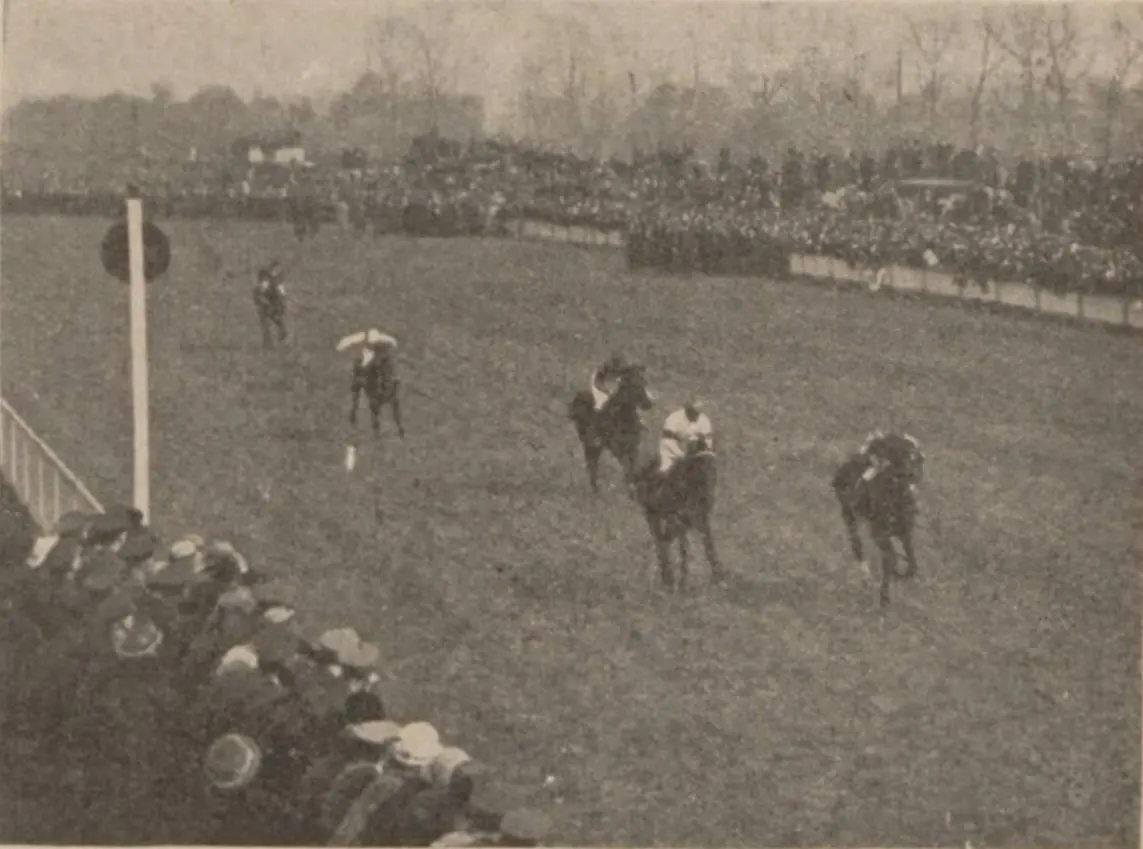
The cinematography, even in its nascent form, would have been instrumental in conveying the visceral thrill of the race. Imagine the dynamic camera angles attempting to capture the thundering hooves, the strained expressions of the jockeys, and the surging crowd. These visual elements, combined with the dramatic tension of the plot, would have held audiences spellbound. The use of intertitles, while a necessity, would have been artfully employed to deliver crucial dialogue, internal monologues, or narrative exposition, guiding the viewer through the moral maze. The director's challenge was to ensure that these textual interruptions enhanced, rather than detracted from, the visual flow, maintaining a relentless pace towards the dramatic climax. The film, in its very structure, becomes a race against time, a narrative sprint towards the inevitable revelation of the 'great coup' itself.
What truly makes A Great Coup resonate, even a century after its initial release, are its enduring themes. The conflict between genuine affection and manipulative self-interest is a human story as old as time itself. The film subtly probes the nature of familial bonds, questioning how far a parent might go to secure what they perceive as their child's (or their own) advantage, even if it means sacrificing integrity. The adopted daughter's journey from blissful ignorance to painful awareness is a classic dramatic arc, one that continues to captivate audiences. Her beloved's unwavering faith, even in the face of potential ruin, speaks to the strength of true devotion.
Moreover, the film touches upon class distinctions and the pressures faced by those in different social strata. The squire represents old money and established order, while the jockey, susceptible to bribery, likely embodies the precariousness of working-class life. The mother's motivations, though not explicitly detailed in the brief plot summary, can be inferred as stemming from a desire to either maintain or elevate her social standing, mirroring anxieties prevalent in society then and now. These layered thematic elements elevate A Great Coup beyond a simple tale of sport and romance, transforming it into a compelling social commentary, much like other dramas of the period that explored societal pressures, such as Sisters of the Golden Circle, which also delved into hidden motives and consequences.
The psychological underpinnings of the mother's actions, though perhaps not explicitly drawn with modern nuance, offer fertile ground for speculation. Is it pure malice, a desperate attempt to secure a better future for her adopted daughter through ill-gotten gains, or a manifestation of her own unfulfilled ambitions? This ambiguity, a characteristic often found in early melodramas, allows the audience to project their own understanding onto the characters, making the drama more personal. The film, therefore, doesn't just present a story; it invites contemplation on the nature of right and wrong, the corrupting influence of desire, and the enduring power of forgiveness or retribution. The devastating impact of such a betrayal on the innocent parties, particularly the adopted daughter and her beloved, would have resonated deeply with contemporary audiences, just as similar themes continue to captivate viewers in modern cinematic narratives.
In conclusion, A Great Coup stands as a fascinating artifact of early cinema, a film that deftly weaves together elements of romance, suspense, and moral drama. Its reliance on strong characterizations, a compelling plot derived from a master storyteller, and the evocative power of silent film acting combine to create an experience that remains impactful. For enthusiasts of classic cinema, or anyone interested in the evolution of dramatic storytelling, this film offers a rich tapestry of human emotion and ethical dilemma, proving that a well-executed "coup" on screen can indeed be a great one, leaving an indelible mark on the viewer's imagination long after the final frame fades to black. It serves as a powerful reminder that the human heart, in its capacity for both profound love and insidious betrayal, remains the most compelling subject for cinematic exploration, regardless of the era or the technological advancements.
IMDb 7.2
1926
Community
Log in to comment.