DbcultAccessing Vault...
3.6/10
Senior Film Conservator
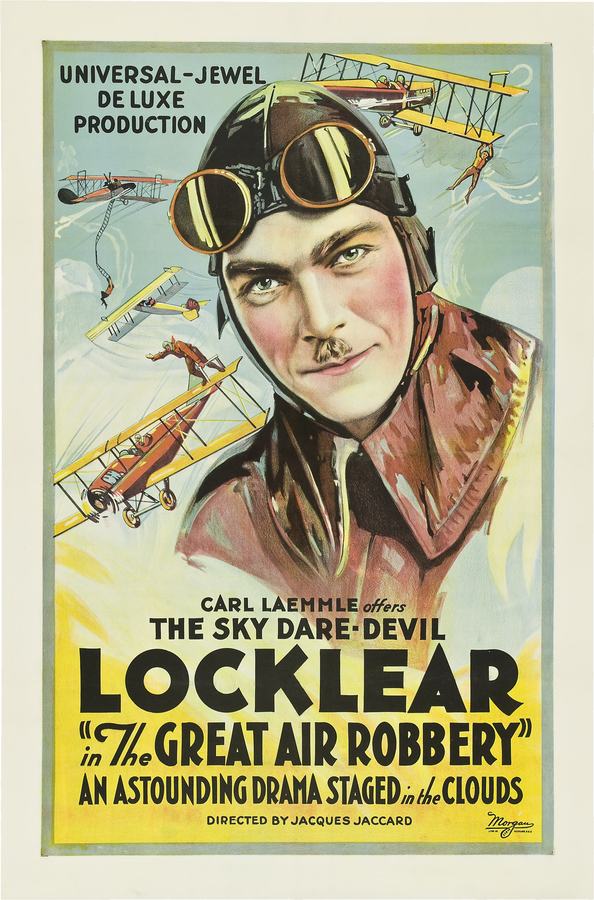
A definitive 3.6/10 rating for a film that redefined the boundaries of cult cinema. The Great Air Robbery remains a cornerstone of transgressive art.
In the flickering grandeur of the silent film era, where the nascent art form was still discovering its voice, certain cinematic endeavors dared to push the boundaries of spectacle and narrative, often leveraging the very cutting-edge technologies that were simultaneously transforming the world outside the movie palace. Among these audacious ventures stands "The Great Air Robbery" (1919), a film that not only capitalizes on the public's burgeoning fascination with aviation but also masterfully weaves a tale of high-stakes heroism against a backdrop of both natural fury and human avarice. This isn't merely a period piece; it's a vibrant testament to the pioneering spirit of early 20th-century America, encapsulated within a thrilling aerial drama. The film, directed by Jacques Jaccard and penned by Jaccard alongside George Hively, presents a visceral, often breathtaking, portrayal of the perils inherent in early airmail delivery, cementing its place as an intriguing artifact of cinematic and aeronautical history.
At its core, "The Great Air Robbery" is a narrative of unwavering resolve. It introduces us to a protagonist, a daring aviator portrayed by Allan Forrest, whose daily existence is a tightrope walk between the heavens and the earth. His mission: to ensure the timely delivery of the night mail, a task made exponentially more hazardous by the dual threats of tempestuous weather systems and a cunning band of aerial brigands. This isn't a simple procedural; it's a character study in courage under duress, an exploration of the human will pitted against overwhelming odds. The film meticulously builds tension, not through verbose exposition, but through the stark visual language of silent cinema. We witness the fragile biplanes battling turbulent winds, their wings catching the moonlight, becoming vulnerable silhouettes against an inky, threatening sky. The urgency of the mail, the silent pleas for its safe passage, resonate deeply, transforming a seemingly mundane task into an epic struggle for integrity and perseverance.
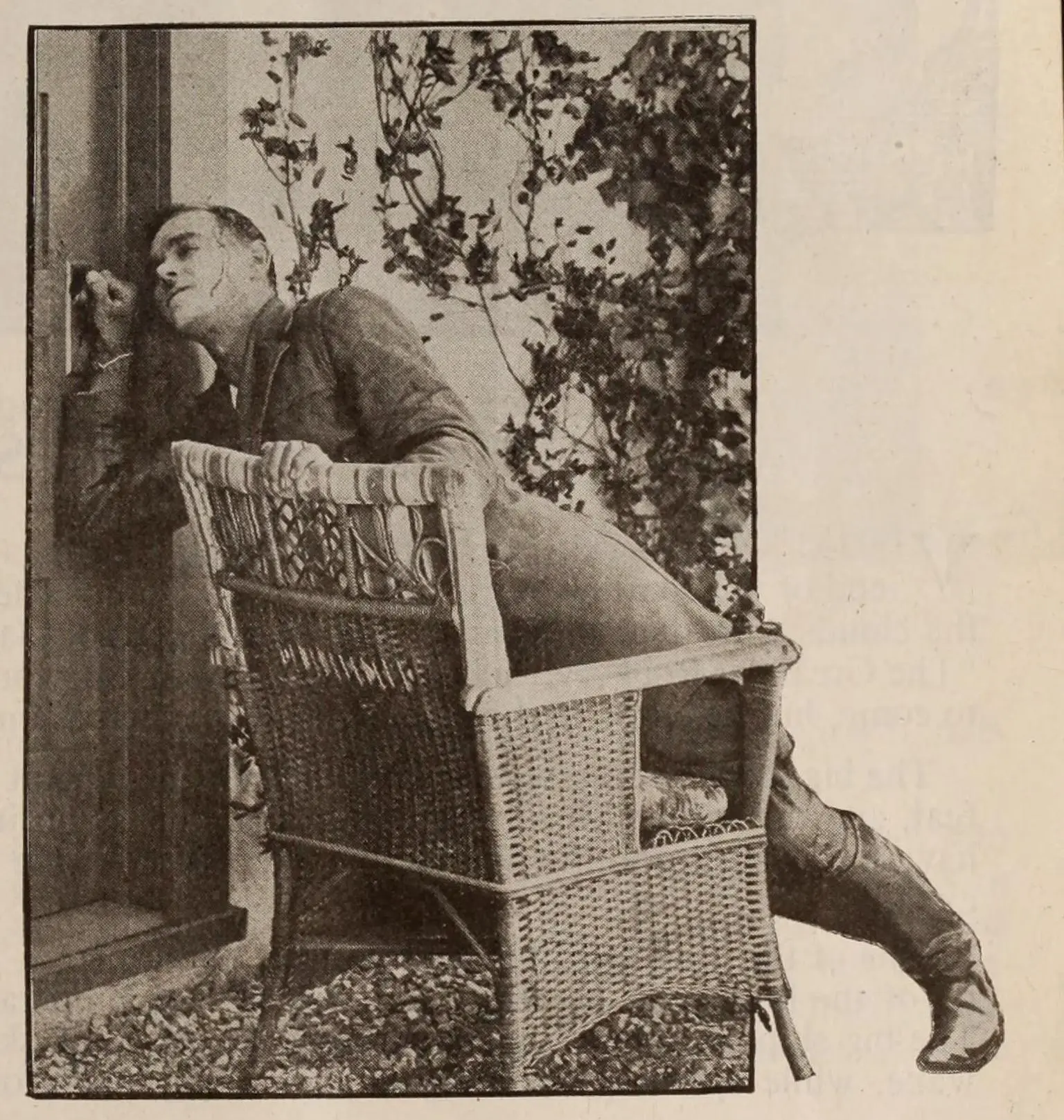
The narrative arc cleverly intertwines the naturalistic threats with the human element of crime. The robbers aren't just faceless antagonists; they represent a grounded, avaricious counterpoint to the aviator's soaring idealism. Their attempts to intercept the valuable cargo add a layer of thrilling suspense, as the film alternates between dizzying aerial sequences and tense ground-based confrontations. This duality ensures that the audience is constantly engaged, shifting between the awe-inspiring vistas of flight and the gritty, immediate danger posed by human malice. The film, in this regard, shares a certain adventurous spirit with other thrillers of its time, though its unique aerial setting sets it apart. One might draw a thematic parallel to the sheer audaciousness found in narratives like The Amazing Adventure, where protagonists embark on journeys fraught with peril, albeit in different landscapes. Here, the landscape is the limitless sky, a domain still largely unconquered and deeply mysterious to the average viewer of 1919.
A significant portion of "The Great Air Robbery"'s enduring allure stems from the involvement of Ormer Locklear, a legendary stunt pilot whose real-life exploits often dwarfed the fantastical scenarios concocted by Hollywood. Locklear, a veteran of World War I, was renowned for his death-defying aerial maneuvers, particularly his wing-walking and plane-to-plane transfers, which were nothing short of revolutionary at the time. While Allan Forrest plays the lead character, it is Locklear's presence, often performing the truly dangerous stunts, that imbues the film with an almost documentary-like authenticity and an undeniable frisson of genuine peril. His contributions weren't just about spectacular visuals; they were about pushing the boundaries of what was physically possible in an aircraft, transferring that raw, visceral excitement directly onto the silver screen. This fusion of genuine daredevilry with narrative ambition elevates the film beyond mere entertainment; it becomes a historical document of early aviation's most thrilling, and often fatal, pioneers.
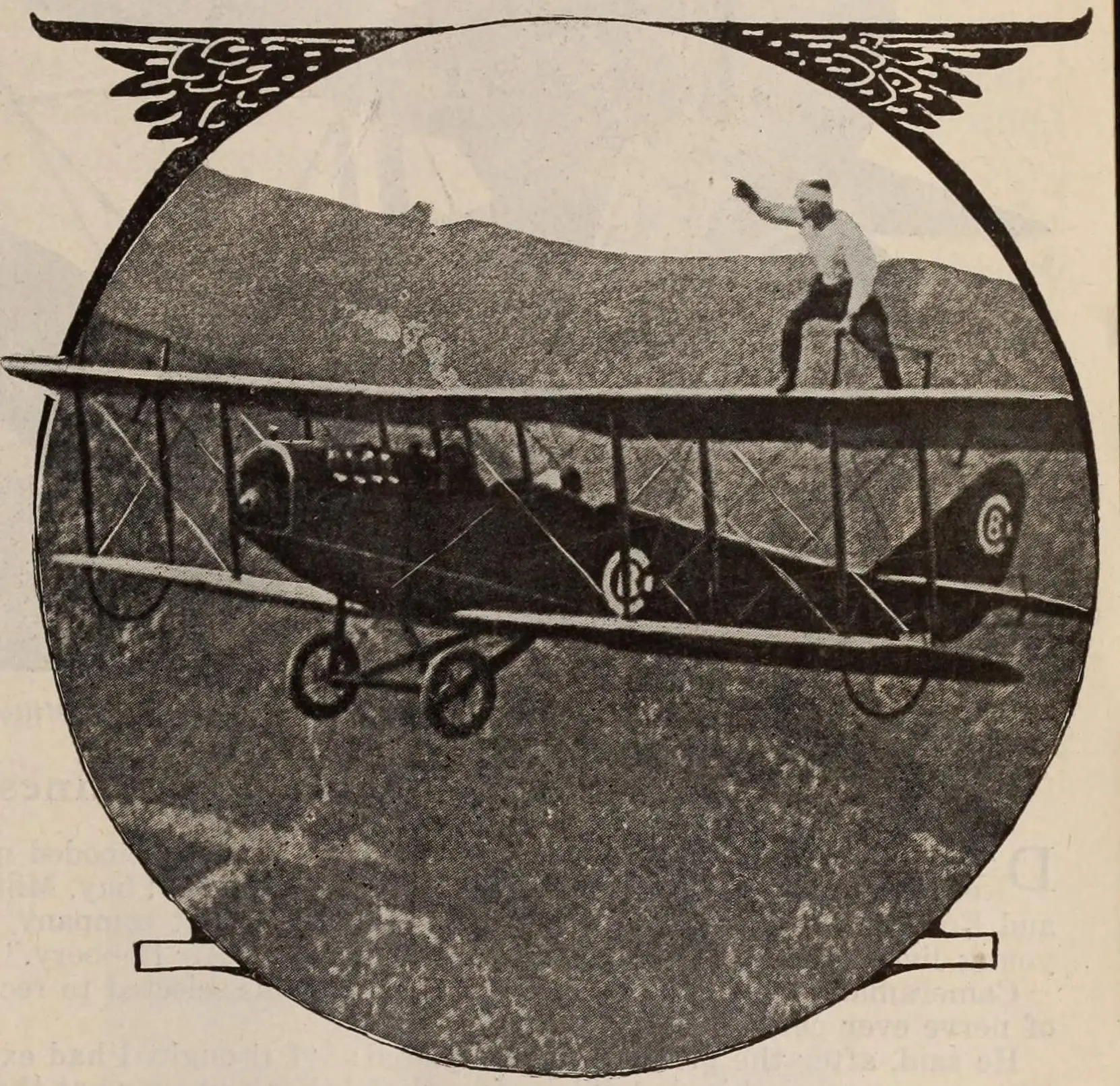
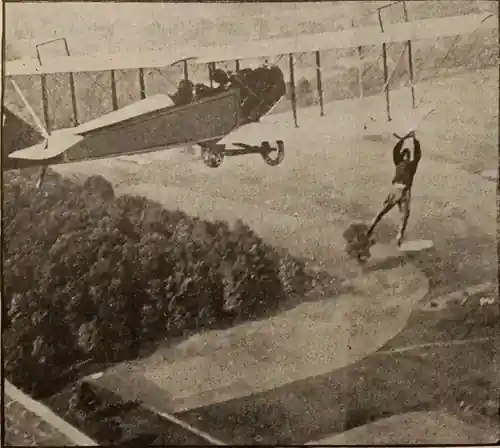
The sequences featuring Locklear are, even a century later, remarkably impactful. They possess a raw, unvarnished quality that CGI-laden spectacles of today often struggle to replicate. The wind whipping through the wires, the distant ground receding, the sheer audacity of a human clinging to a biplane thousands of feet in the air – these moments are not illusions but captured reality, albeit within a fictional framework. This commitment to practical, dangerous stunts was a hallmark of early action cinema, a stark contrast to the more theatrical, often melodramatic performances seen in purely dramatic films of the era, such as Othello or even the more avant-garde Thais. While those films explored the depths of human emotion or artistic expression, "The Great Air Robbery" aimed for the heights of physical thrill, showcasing a different kind of human triumph.
Beyond Locklear's aerial acrobatics, the film relies on a solid ensemble to ground its high-flying narrative. Allan Forrest, as the intrepid mail pilot, embodies the stoic heroism demanded by the silent screen. His expressions, though perhaps broad by modern standards, effectively convey determination, concern, and triumph. He is the archetypal silent film hero: brave, resourceful, and morally unwavering. His performance anchors the audience's emotional investment, making us root for his success against both the elements and the criminal underworld.

The supporting cast, including Tom London, Carmen Phillips, and Francelia Billington, fill out the world of the film with varying degrees of menace, vulnerability, and support. Tom London, often cast in westerns and serials, likely brings a rugged authenticity to his role, whether as an ally or antagonist. Carmen Phillips and Francelia Billington, representing the female presence in a largely male-dominated adventure, would have provided the necessary human connections and potential romantic subplots or emotional stakes, typical of the era's narrative conventions. While silent film acting often leaned towards exaggerated gestures to communicate emotion without dialogue, these actors, under Jaccard’s direction, manage to create believable characters within the thrilling framework. Their performances, though silent, speak volumes about the anxieties and aspirations of a nation rapidly embracing new technologies and new forms of adventure. The character dynamics, while not as intricate as those in, say, False Ambition, are perfectly suited for the action-driven plot.
Jacques Jaccard, a prolific director of silent serials and action films, was an ideal choice to helm "The Great Air Robbery." His experience in crafting fast-paced, suspenseful narratives without relying on dialogue shines through. Jaccard understands the visual grammar of silent cinema, utilizing dynamic camera angles, efficient editing, and impactful intertitles to propel the story forward. He doesn't merely point the camera; he orchestrates a ballet of movement, both in the air and on the ground, ensuring that the audience is always aware of the stakes and the immediate danger. The writing by Jaccard and George Hively is lean and purposeful, focusing on clear objectives and escalating conflicts. They understood that in a film where the spectacle of flight was a primary draw, the plot needed to be straightforward yet compelling, providing just enough motivation for the incredible aerial sequences.
The pacing, a critical element in any action film, is particularly noteworthy. Jaccard maintains a propulsive rhythm, alternating between moments of quiet tension and bursts of exhilarating action. This prevents the film from becoming monotonous, a common pitfall for some silent features that struggled with maintaining audience engagement over an extended runtime without the aid of sound. The narrative efficiency, though perhaps appearing simplistic by today's standards, was a strength, allowing the visual storytelling to take center stage. The film avoids the meandering subplots or overly complex character studies that might be found in more dramatic fare like Caridad or The Vanity Pool, instead opting for a direct, thrilling trajectory.
While ostensibly a thrilling adventure, "The Great Air Robbery" also resonates with deeper thematic currents. It is, first and foremost, a celebration of human ingenuity and courage. The early 20th century was an era of unprecedented technological advancement, and aviation stood as one of its most potent symbols. The film taps into this zeitgeist, portraying the aviator not just as a worker, but as a modern-day pioneer, pushing the boundaries of what humanity could achieve. There’s a palpable sense of the "man versus nature" struggle, as the fragile machines and their even more fragile pilots contend with the indifferent power of storms and high altitudes. This echoes a timeless narrative, but here, it’s updated with the exciting, dangerous new tools of the industrial age.
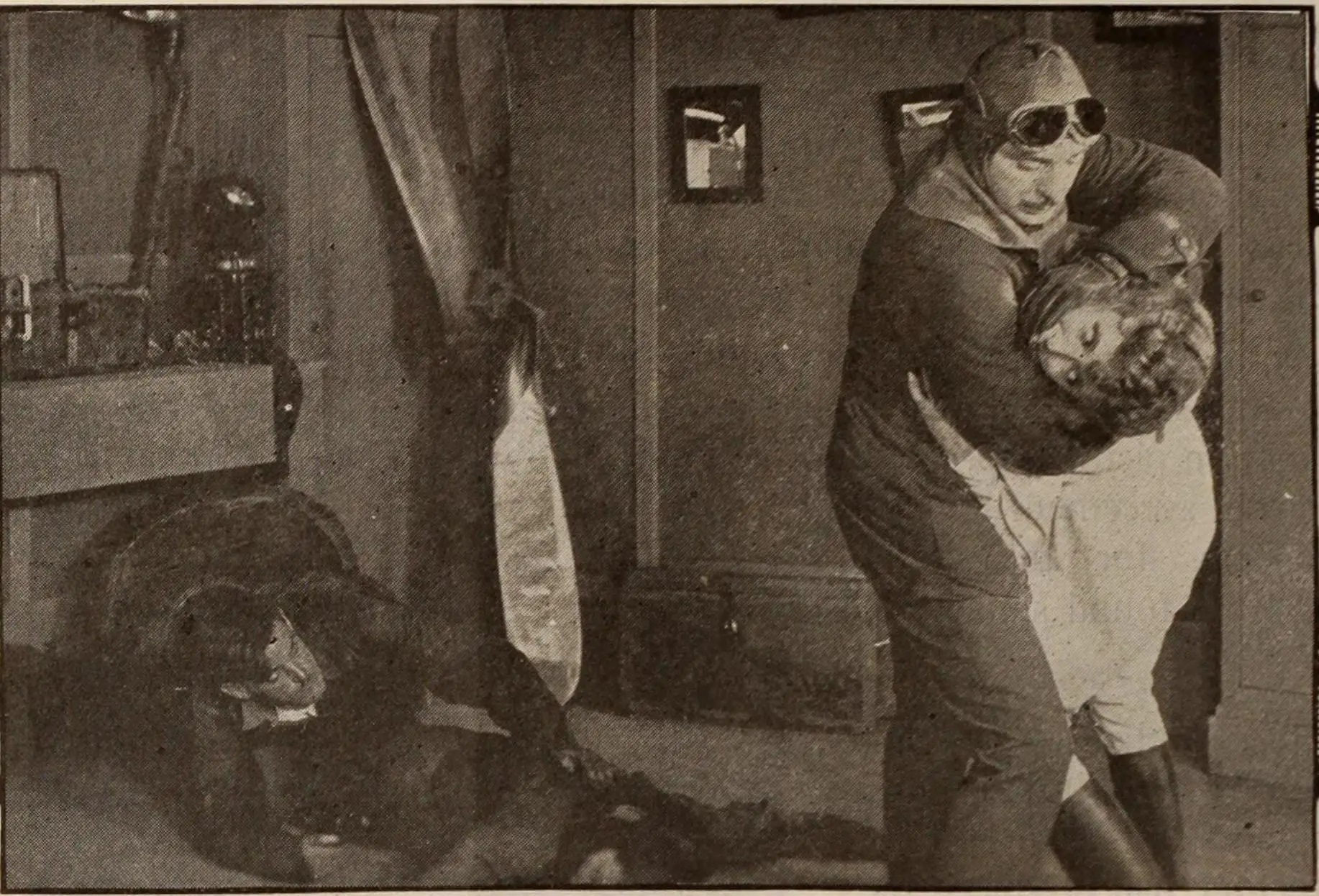
Furthermore, the film touches upon the societal anxieties surrounding crime and the challenges of maintaining law and order in rapidly expanding, technologically evolving landscapes. The "air robbery" itself is a novel concept, reflecting the fears that new technologies could also open new avenues for illicit activities. This theme of societal disruption and adaptation is not unlike the challenges depicted in films like The World Aflame, though the scale and scope are vastly different. In a more intimate sense, it's about the individual's commitment to duty in the face of overwhelming obstacles, a theme that has resonated throughout cinematic history, from the simplest comedies like An Auto Nut (which, despite its comedic tone, also features a protagonist navigating mechanical challenges) to the grandest epics.
The sheer audacity of the premise, a robbery conducted via air, speaks volumes about the imagination of the era’s writers and filmmakers. It wasn't just about showing planes; it was about imagining the future, both its triumphs and its potential pitfalls. This forward-looking perspective, combined with the grounded reality of human greed and natural forces, gives the film a surprising depth beneath its thrilling surface. It's a snapshot of a moment when the sky was still a wild frontier, awaiting its cowboys and its outlaws.
While perhaps not as widely discussed as some of the grander dramatic works of the silent era, "The Great Air Robbery" holds a significant place in the annals of film history. It is a vital precursor to the aerial action films that would become a staple of Hollywood, influencing generations of filmmakers and stunt performers. Its unflinching depiction of real stunts, performed by a genuine pioneer like Ormer Locklear, set a standard for authenticity and daring that few could match. The film serves as a powerful reminder of a time when the boundaries of cinema and reality blurred, when the camera captured not just actors performing, but individuals risking life and limb for the sake of unparalleled spectacle.
For modern audiences, viewing "The Great Air Robbery" is an opportunity to connect with an exhilarating chapter of both cinematic and human history. It’s a chance to marvel at the courage of early aviators, to appreciate the ingenuity of silent filmmakers, and to experience a unique blend of adventure, suspense, and raw, visceral excitement. It transcends its age, offering a timeless narrative of heroism and perseverance. It’s a film that, despite its lack of spoken dialogue, speaks volumes about the indomitable human spirit and the relentless pursuit of progress, even when shadowed by danger. It captures a moment in time when the impossible became possible, and the sky, once a distant dream, became a stage for the most audacious dramas. Much like how films such as Count Your Change or Just Out of College offer glimpses into the social fabric and aspirations of their respective eras, "The Great Air Robbery" provides an unparalleled window into the technological marvels and adventurous spirit defining the early 20th century. It stands as a testament to the fact that compelling storytelling, coupled with groundbreaking visuals, has always been the heart of cinema, long before sound graced the silver screen. Its legacy is not just in its thrilling sequences, but in its ability to transport us back to a time when every flight was an act of courage, and every film was an exploration of new frontiers.
In conclusion, "The Great Air Robbery" is more than a historical curiosity; it is a vibrant, pulse-pounding silent film that continues to captivate with its blend of aerial spectacle, gripping suspense, and a profound appreciation for the human spirit's capacity for daring. It's a must-see for enthusiasts of early cinema, aviation history, and anyone who appreciates a truly original adventure story.

IMDb —
1935
Community
Log in to comment.