DbcultAccessing Vault...
5.4/10
Senior Film Conservator
A definitive 5.4/10 rating for a film that redefined the boundaries of cult cinema. A Sister of Six remains a cornerstone of transgressive art.
In the bustling, burgeoning landscape of early American cinema, a particular strain of melodrama often found its most potent expression in tales of hardship, resilience, and the unyielding bonds of family. Bernard McConville's screenplay for the 1916 silent drama, A Sister of Six, directed with a keen eye for emotional gravitas and narrative urgency, stands as a compelling, if sometimes overlooked, testament to this tradition. This isn't just a film; it's a stark window into a bygone era's anxieties, hopes, and moral compass, meticulously crafted to tug at the heartstrings while simultaneously stirring a sense of righteous indignation. Its premise, deceptively simple, unfurls into a complex tapestry of human venality and childlike fortitude.
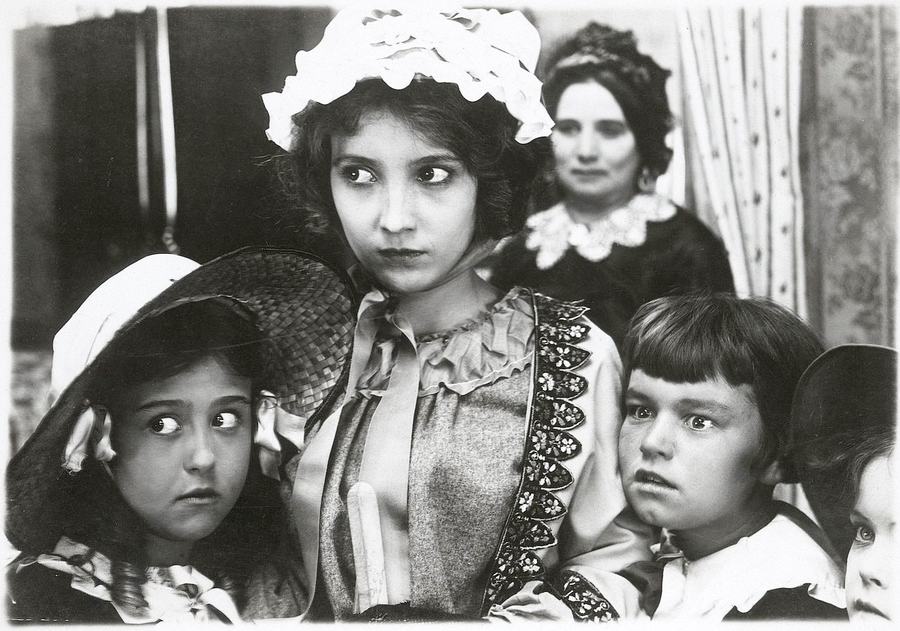
The narrative thrusts us into an immediate crucible of despair: the brutal murder of a father, not for personal vendetta, but for the cold, hard glint of gold unearthed on his ranch. This act of violence isn't merely a plot device; it's the cataclysmic event that shatters innocence and forces seven young siblings, the eldest barely out of childhood herself, into a premature confrontation with the harsh realities of a world governed by avarice. Violet Radcliffe, a prodigious child actress of the era, takes on the titular role with a remarkable blend of vulnerability and steely resolve, anchoring the sprawling ensemble of her on-screen family. Her performance, largely conveyed through exaggerated gestures and profound facial expressions typical of the silent era, nevertheless communicates an emotional depth that transcends the limitations of spoken dialogue.

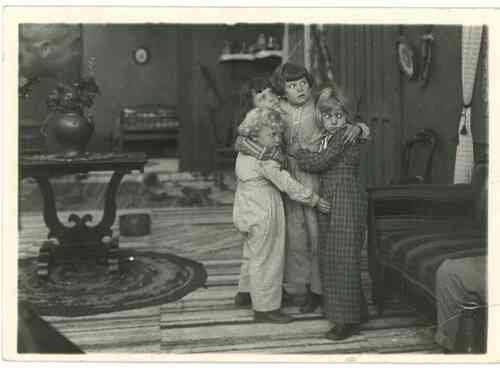
The plight of orphans, a recurring motif in the cinema of the 1910s and 20s, finds a particularly poignant articulation in A Sister of Six. The sudden void left by the patriarch’s murder isn't just an emotional one; it's a practical, existential threat. The eldest sister, thrust into a role far beyond her years, must grapple with the immediate needs of her six younger siblings, ranging from the toddler 'Baby' Carmen De Rue to the slightly older Georgie Stone and Francis Carpenter. This immediate burden of responsibility is palpable, conveyed through scenes of the children huddling together, their wide eyes reflecting a mixture of fear and nascent understanding. The film excels in portraying this collective vulnerability, a silent plea to the audience for empathy.
The film doesn't shy away from depicting the stark realities of their new existence. Food, shelter, and protection become daily struggles. The ranch, once a symbol of security and sustenance, transforms into a battleground for their inheritance. The absence of a parental figure is keenly felt, not just in the emotional void, but in the practical vacuum of adult guidance and protection against the outside world's rapacious elements. This emphasis on the practical struggles elevates the melodrama beyond mere sentimentality, grounding it in a believable, if heightened, reality. The children's unity, their instinctive protective formation around each other, becomes their most formidable weapon against the encroaching darkness.

The antagonists of A Sister of Six are not complex villains; they are archetypal figures of unbridled greed, their motivations as clear as the gold they seek. Frank Bennett, Allan Sears, and Charles Stephens embody these 'greedy neighbors,' their performances relying on broad gestures and menacing glares to convey their malevolent intent. Their relentless pursuit of the gold, even at the expense of dispossessing innocent children, paints a chilling portrait of human depravity. The film meticulously builds the tension as these characters escalate their efforts, from subtle intimidation to outright threats and violent confrontations. The conflict is stark, a clear delineation between good and evil, innocence and corruption.
The visual language of the film effectively communicates this struggle. Shots of the neighbors lurking around the ranch, their faces contorted with covetousness, create an atmosphere of constant threat. The children’s defensive actions, their attempts to fortify their home and protect their meager possessions, are juxtaposed with the aggressive intrusions of the adults. This dynamic is central to the film's emotional core, transforming the ranch into a besieged fortress where the last vestiges of family legacy are desperately defended. The gold itself, rather than being a source of prosperity, becomes a curse, drawing vultures to the freshly orphaned nest. This theme of inherited wealth bringing trouble can be seen in other melodramas of the era, where material possessions often become the fulcrum of dramatic conflict, much like the struggles over property and social standing observed in films such as The Price or the familial strife in The Turmoil, albeit with a focus here on the extreme vulnerability of children.
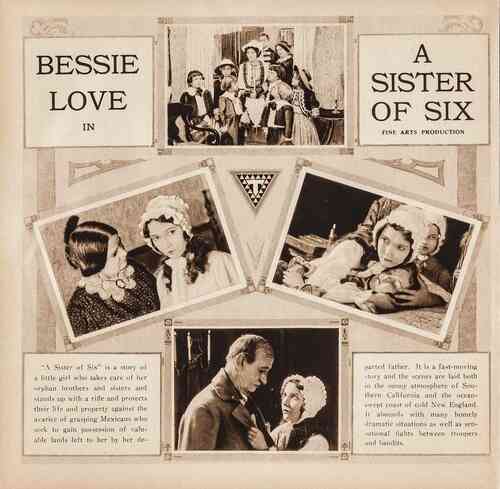
Violet Radcliffe's portrayal of the eldest sister is undeniably the film's beating heart. Her performance is a masterclass in silent film acting, conveying a spectrum of emotions without uttering a single word. We see her grief, her fear, but most prominently, her burgeoning strength and unshakeable determination. She is the anchor, the strategist, the protector, and the emotional compass for her younger siblings. Her interactions with the younger cast members are particularly touching, showcasing a natural rapport that lends authenticity to their familial bond. The film relies heavily on her ability to communicate leadership and vulnerability simultaneously, a delicate balance that Radcliffe achieves with remarkable grace.
Her character’s journey is one of forced maturity, a swift transition from childhood to the weighty responsibilities of an adult. She makes difficult decisions, confronts menacing figures, and rallies her siblings with a quiet dignity that belies her age. This transformation is not just a plot point but a central theme, exploring the resilience of the human spirit when pushed to its limits. The supporting performances by the other child actors, including Alberta Lee and Francis Carpenter, contribute significantly to the ensemble's charm and authenticity. Their collective innocence amplifies the cruelty of the adults, making their struggle all the more compelling. The raw, unvarnished emotion they bring to their roles is a testament to the directorial guidance and the inherent power of the narrative.
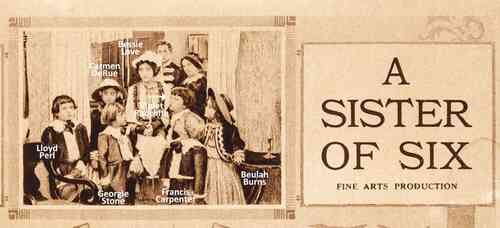
The direction of A Sister of Six, while not explicitly attributed to a single director in some historical records, demonstrates a clear understanding of silent film conventions and their capacity for evocative storytelling. The use of intertitles is judicious, providing necessary exposition and dialogue without overwhelming the visual narrative. The cinematography, while perhaps not groundbreaking for its era, effectively captures the rugged beauty of the ranch and the looming threat of the antagonists. Close-ups are employed to emphasize emotional reactions, particularly those of Violet Radcliffe and the younger children, drawing the audience into their inner turmoil and determination.
The pacing is deliberate, allowing the tension to build organically. The film masterfully balances moments of poignant introspection with bursts of dramatic action, such as the children's ingenious attempts to outwit their tormentors. The visual metaphors are subtle yet effective; the isolated ranch against the vast, indifferent landscape underscores the children's vulnerability, while the gold itself shines with an almost malevolent gleam. The film's ability to convey complex emotions and a compelling plot through purely visual means is a testament to the artistry of silent cinema. The director ensures that every gesture, every expression, and every set piece contributes to the overarching narrative of struggle and survival.
At its core, A Sister of Six is a potent exploration of justice – or the lack thereof – in a world where the powerful often prey on the weak. The children's fight is not just for gold; it's for their rightful place, their heritage, and the memory of their father. This universal theme of good triumphing over evil, of the downtrodden finding strength in unity, resonates deeply. The film taps into a primal human desire for fairness and the protection of innocence, making its narrative timeless despite its historical setting. The resolution, while providing a sense of catharsis, doesn't diminish the emotional journey the characters undertake, leaving a lasting impression of their extraordinary courage.
Compared to other films of its time that dealt with similar themes of social struggle or personal adversity, such as the desperate circumstances in The Shadows of a Great City or the intense family dramas like The Straight Way, A Sister of Six distinguishes itself through its singular focus on child protagonists facing adult villainy. It’s a narrative that, while melodramatic, never descends into the saccharine, maintaining a gritty realism in its depiction of the children's struggle. The film's legacy lies in its powerful emotional resonance and its demonstration of how compelling stories could be told without the aid of spoken dialogue, relying instead on the expressive power of visual storytelling and the raw talent of its performers.
Ultimately, A Sister of Six is more than a historical artifact; it is a vibrant piece of cinematic history that speaks to enduring human themes. It reminds us of the power of family, the corrupting influence of greed, and the indomitable spirit of those who, against all odds, refuse to be broken. For anyone interested in the evolution of narrative cinema or the captivating performances of early child stars, this film offers a deeply moving and thoroughly engaging experience, solidifying its place as a significant, albeit perhaps lesser-known, gem of the silent era.
IMDb —
1918
Community
Log in to comment.