DbcultAccessing Vault...
Cult Review
Senior Film Conservator
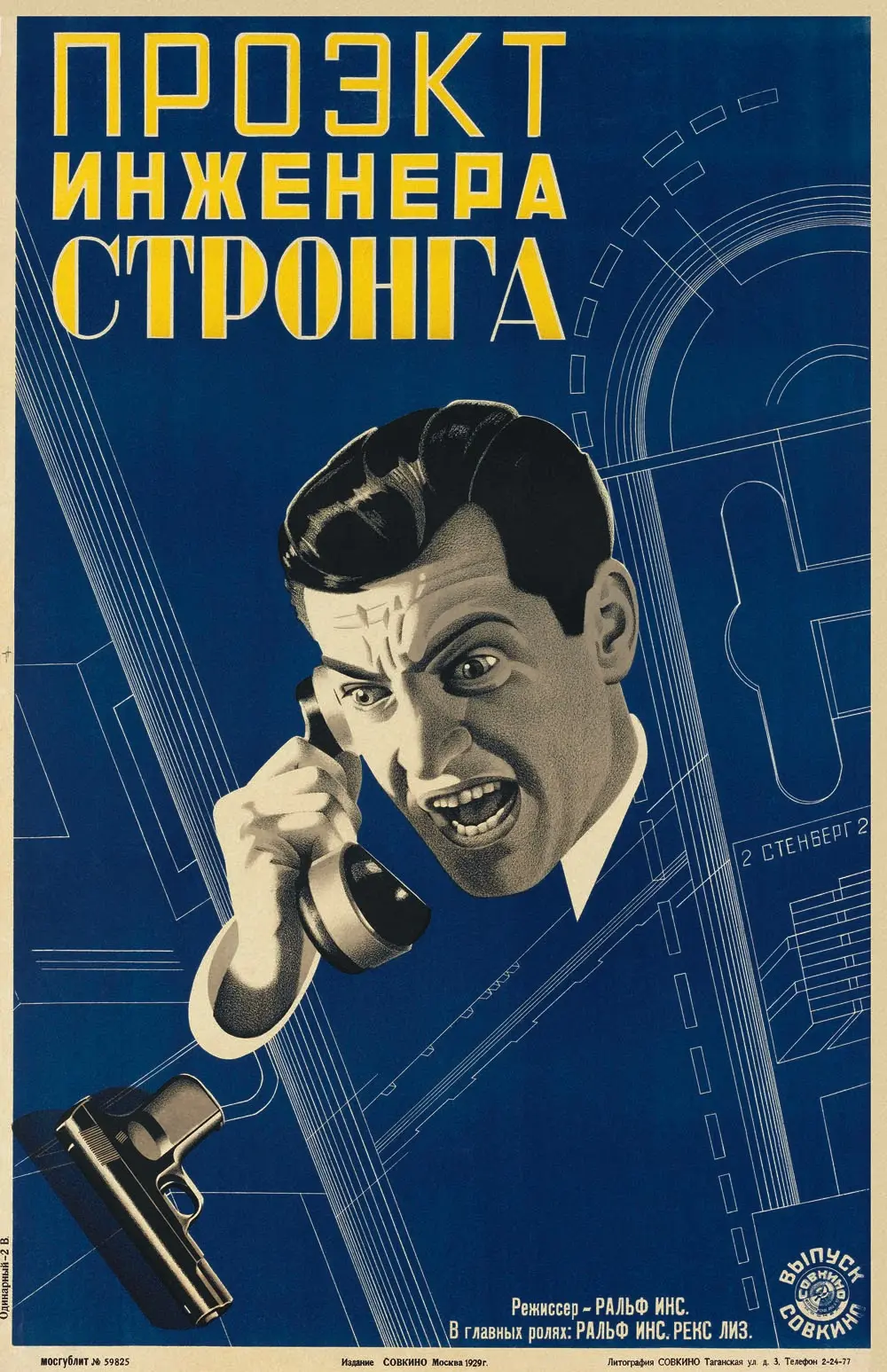
Is 'Not for Publication' worth watching today? Short answer: yes, but with significant caveats that speak to its era and the very specific kind of cinematic experience it offers. This film is a fascinating time capsule, a stark reminder of early cinematic storytelling, and a compelling, if sometimes creaky, exploration of themes that remain unsettlingly pertinent.
This film is absolutely for cinephiles, historians of early cinema, and those who appreciate a narrative driven by moral dilemmas over explosive action. It is decidedly NOT for viewers seeking modern pacing, sophisticated visual effects, or nuanced character development in the contemporary sense. If you demand immediate gratification or find the stylistic conventions of early 20th-century filmmaking alienating, you might struggle to connect.
"Not for Publication" is a film that, despite its age and the inherent limitations of its production era, manages to resonate with a surprising degree of contemporary relevance. It delves into the murky waters where journalism, politics, and personal ethics collide, a landscape that, regrettably, feels as volatile today as it did a century ago. The film, a product of Ewart Adamson's pen, presents a narrative that, while perhaps simplistic by modern standards, possesses a raw, unvarnished power that grips the viewer, provided they approach it with an open mind and an appreciation for its historical context.
At its core, the film is a taut, if somewhat melodramatic, exploration of journalistic integrity. Jola Mendez, in a role that, for many, defined her early career, portrays a young reporter whose idealism is put to the ultimate test. Her character’s journey from wide-eyed ambition to jaded pragmatism, or perhaps, hardened resolve, forms the emotional backbone of the story. The stakes are clear: expose the truth and risk everything, or succumb to pressure and compromise one's very soul. It's a binary choice, starkly presented, that leaves little room for ambiguity, a characteristic often found in the moral fables of the period.
The film works because it taps into universal anxieties about power and corruption, presenting a David-and-Goliath struggle that feels timeless. It fails because its pacing can be excruciatingly slow for modern sensibilities, and some of the acting, while expressive for its time, verges on theatrical overstatement. You should watch it if you are genuinely interested in the evolution of cinematic storytelling and appreciate films that prioritize moral quandaries over intricate plot twists.
The ensemble cast, a formidable collection of talents from the era, delivers performances that are both a testament to their skill and, at times, a reflection of the performative styles prevalent in early cinema. Jola Mendez, as the intrepid journalist, carries much of the film’s emotional weight. Her expressions, often magnified by close-ups, convey a range of emotions from youthful enthusiasm to profound disillusionment. There’s a particular scene, framed by the stark shadows of the newsroom, where her character receives the fateful injunction to kill her story. Mendez’s subtle shift from defiance to a quiet, internal despair is genuinely affecting, showcasing a depth that transcends the often-exaggerated gestures of the period.
Eugene Strong, playing the seemingly benevolent but ultimately corrupt public figure, is a masterclass in understated menace. His performance is less about overt villainy and more about the insidious nature of power. Strong’s ability to project an aura of unassailable respectability, even as his character's dark deeds are slowly brought to light, is chilling. He embodies the kind of antagonist who doesn't need to snarl; a dismissive glance or a carefully modulated tone is enough to convey immense threat. This subtlety is an unconventional choice for the era and one that pays dividends, making his character genuinely unsettling rather than cartoonish.
Roy Laidlaw, as the conflicted editor, brings a palpable weariness to his role. He represents the compromises inherent in the system, a man caught between his journalistic ideals and the harsh realities of survival. His performance is a nuanced portrayal of a man whose spirit has been chipped away by years of fighting battles he couldn't win. The scene where he reluctantly hands Mendez the 'kill' order, his eyes betraying a profound regret while his posture remains rigidly professional, is a standout moment, speaking volumes without a single line of dialogue.
Rex Lease and Ralph Ince, in supporting roles, add crucial texture to the narrative. Lease, perhaps as a rival reporter or a conflicted ally, often serves as a foil to Mendez’s unwavering idealism. His cynical observations, delivered with a detached coolness, provide a counterpoint to the film’s more earnest moments. Ince, on the other hand, often plays a more overtly antagonistic figure, his presence alone suggesting a lurking danger. His scenes, though brief, are always impactful, adding a layer of genuine peril to Mendez’s investigation.
The direction, while certainly constrained by the technological limitations of early cinema, employs visual storytelling techniques that are surprisingly effective. The use of deep shadows and high contrast lighting, reminiscent of German Expressionism, creates an atmosphere of paranoia and moral ambiguity. The newsroom, in particular, is depicted as a bustling, chaotic environment, yet also a place of stark isolation when Mendez finds herself standing alone against the tide. The director masterfully uses framing to emphasize the power dynamics at play; Mendez is often shown dwarfed by imposing architecture or framed against the backs of powerful figures, visually reinforcing her solitary struggle.
One particularly memorable sequence involves a montage of newspaper headlines, rapidly flashing across the screen, each one a testament to the escalating tension surrounding the scandal. This technique, while common today, was a powerful innovation then, efficiently conveying the passage of time and the growing public awareness (or manipulation) of the events. It’s a moment that highlights the film's understanding of its medium’s unique ability to communicate information and emotion visually.
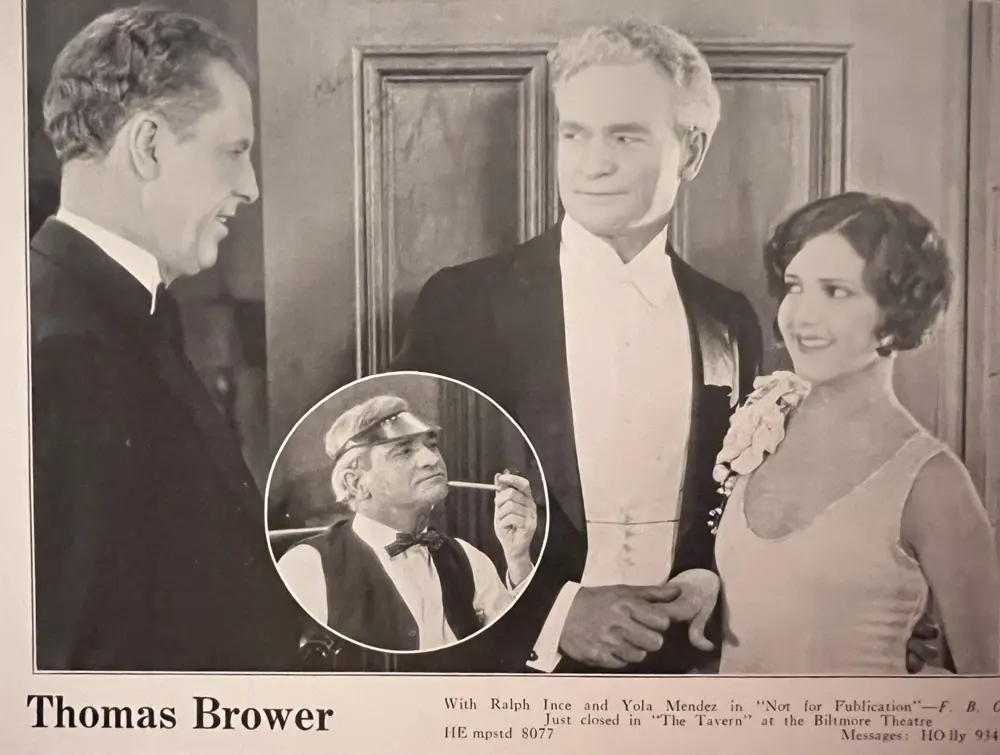
The pacing, however, is a point of contention. For contemporary audiences accustomed to rapid-fire editing, the film's deliberate, almost languid rhythm can be challenging. Scenes often linger, allowing the actors to fully inhabit their emotional states, a style more akin to stage performance than modern film. While this slower pace allows for a deeper immersion into the characters' internal struggles, it undeniably tests the patience of some viewers. This is a film that demands engagement, not passive consumption.
"Not for Publication" is a film that, despite its considerable flaws in pacing and occasional overacting, remains a vital piece of cinematic history. Its unwavering focus on the moral imperative of truth-telling, even in the face of overwhelming opposition, makes it a surprisingly potent watch today. It's a testament to the power of a simple, well-told story, even when adorned with the stylistic quirks of a bygone era.
Yes, 'Not for Publication' is worth watching, especially if you have a genuine interest in the evolution of cinema and its capacity for social commentary. It offers a unique window into the anxieties and ethical debates of its time, many of which still echo in our modern world.
However, it demands a certain level of patience and an appreciation for its historical context. If you can overlook the slower pacing and the more theatrical acting styles, you'll find a compelling narrative about integrity, power, and the enduring struggle for truth.
It's a foundational text for understanding how early filmmakers tackled complex themes, often with limited resources but boundless creativity.
One of the most surprising observations about "Not for Publication" is how prescient it feels regarding the manipulation of public information. Long before the age of digital disinformation, this film articulates the insidious ways in which powerful entities can control narratives, suppress inconvenient truths, and shape public perception. It’s not just a historical document; it’s a warning. Its seemingly simple plot acts as a blueprint for the more complex media landscapes we navigate today. The film’s focus on the 'gatekeepers' of information – the editors, the publishers, the political figures – feels startlingly modern.
Another unconventional insight is the sheer bravery required to tackle such a theme in an era where media control was perhaps even more centralized and less scrutinized than it is now. This wasn't just entertainment; it was a societal mirror, reflecting uncomfortable truths back at its audience. It works. But it’s flawed. Yet, its flaws are often part of its charm, serving as reminders of the cinematic journey from nascent art form to global phenomenon.
Comparing it to later, more polished newsroom dramas like perhaps All the President's Men or even the more allegorical The Silence of Dean Maitland (if one considers the uncovering of secrets), "Not for Publication" stands as a raw, foundational text. It lacks the sophisticated narrative layers or the technical prowess of its successors, but it possesses a primal energy, an urgent demand for justice that cuts through the decades. It's a film that asks profound questions without always providing easy answers, a commendable feat for any era.
"Not for Publication" is more than just an artifact; it's a statement. While it undoubtedly carries the hallmarks of its production era, from its deliberate pacing to its often-theatrical acting, these elements, rather than detracting entirely, contribute to its unique charm and historical significance. It is a film that demands patience and an open mind, but rewards those who engage with it on its own terms.
Its exploration of journalistic ethics, the insidious nature of political corruption, and the personal cost of pursuing truth remains remarkably potent. Jola Mendez's performance anchors the film with a compelling blend of idealism and grit, making her character's struggle genuinely felt. Eugene Strong's understated villainy is a masterclass in subtle threat, proving that true power doesn't always need to shout.
This isn't a film for everyone. It’s not a casual watch, nor is it designed for passive consumption. But for those who appreciate the foundational works of cinema, for those who are willing to look beyond the surface of its age, "Not for Publication" offers a rich, thought-provoking experience. It's a reminder that some stories, and some struggles, are truly not for publication in the easiest sense, but demand to be seen, heard, and discussed.
It’s a flawed gem, yes, but a gem nonetheless—one that continues to sparkle with a surprising, quiet intensity, challenging viewers to consider the price of truth in a world perpetually eager to suppress it. Give it a chance, and you might find yourself more engaged than you ever expected with this compelling piece of cinematic history.
IMDb 6.8
1933
Community
Log in to comment.