DbcultAccessing Vault...
5.2/10
Senior Film Conservator
A definitive 5.2/10 rating for a film that redefined the boundaries of cult cinema. Es mi hombre remains a cornerstone of transgressive art.
Is Es mi hombre a forgotten relic or a timeless piece of social commentary? Short answer: It is a vital, if occasionally jarring, look at the emasculation of the working class that remains surprisingly sharp. This film is for those who appreciate the 'esperpento' tradition and the birth of Spanish dark humor, but it is certainly not for those who demand high-octane thrills or the polished, sanitized resolutions of modern Hollywood.
Es mi hombre remains worth watching today for its sharp social commentary and historical value as a bridge between traditional Spanish theater and modern cinema. It offers a unique window into the anxieties of the 1930s working class through a lens of tragicomic humor. While the technical aspects are dated, the emotional core of a father's sacrifice remains universally resonant and deeply moving.
1) This film works because it balances the grotesque with the sentimental without losing its political edge.
2) This film fails because the second act drags significantly as it leans into repetitive situational gags.
3) You should watch it if you want to see how the legendary Carlos Arniches' work translates to the screen under the influence of the avant-garde Jardiel Poncela.
The film opens with a sequence that feels uncomfortably modern in its depiction of economic despair. Antonio, played with a nervous, twitchy energy by Gerardo Cifrián, is a man who has been told 'no' so many times that he has begun to shrink. The cinematography in these early scenes is claustrophobic, emphasizing the weight of the city on a man with no prospects. It reminds one of the relentless pressure found in The Eternal Grind, where the environment itself acts as the primary antagonist.
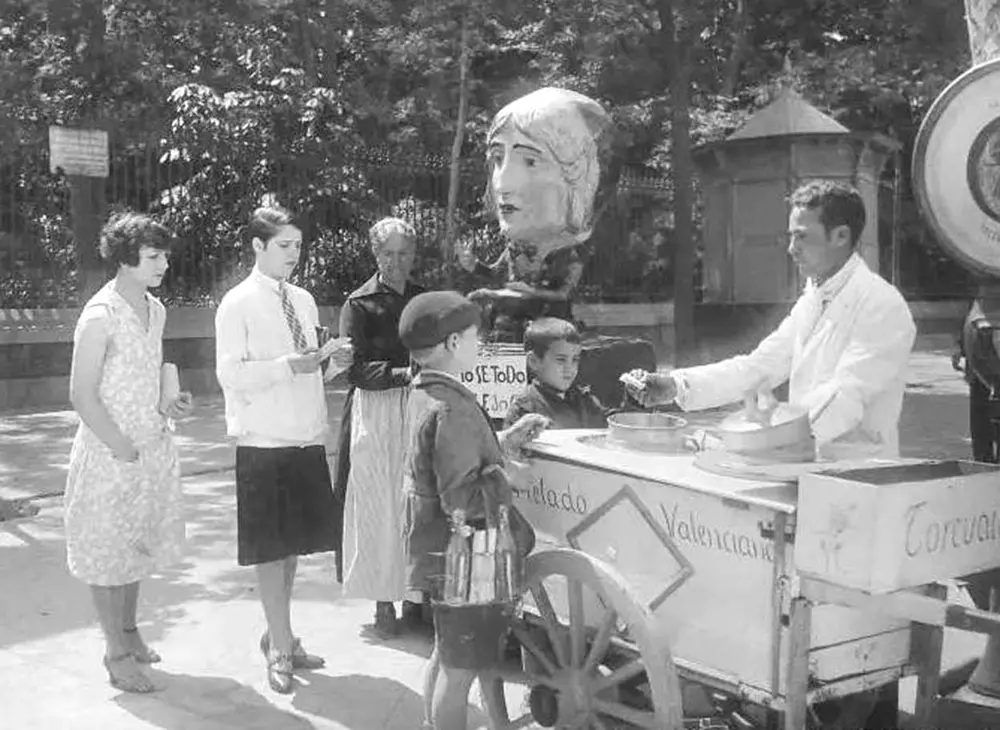
The turning point—Antonio accepting a job as a human punching bag—is handled with a disturbing mix of levity and horror. In one specific scene at the fairground, the camera lingers on Cifrián’s face as he prepares to take a blow. The smile he forces for the crowd is a masterclass in tragic performance. It is a moment of pure 'esperpento,' the Spanish style of grotesque realism that would later influence filmmakers like Luis Buñuel. The film doesn't just watch Antonio; it indicts the society that finds entertainment in his degradation.
Unlike the more romanticized struggles in A Broadway Saint, Es mi hombre refuses to sugarcoat the cost of survival. There is a grit here that feels authentic to the pre-Civil War era of Spain. The dialogue, sharpened by the hand of Enrique Jardiel Poncela, cuts through the sentimentality. Jardiel Poncela was known for his 'humor inverosímil' (implausible humor), and you can see his fingerprints in the way characters speak past each other, caught in their own webs of ego and desperation.
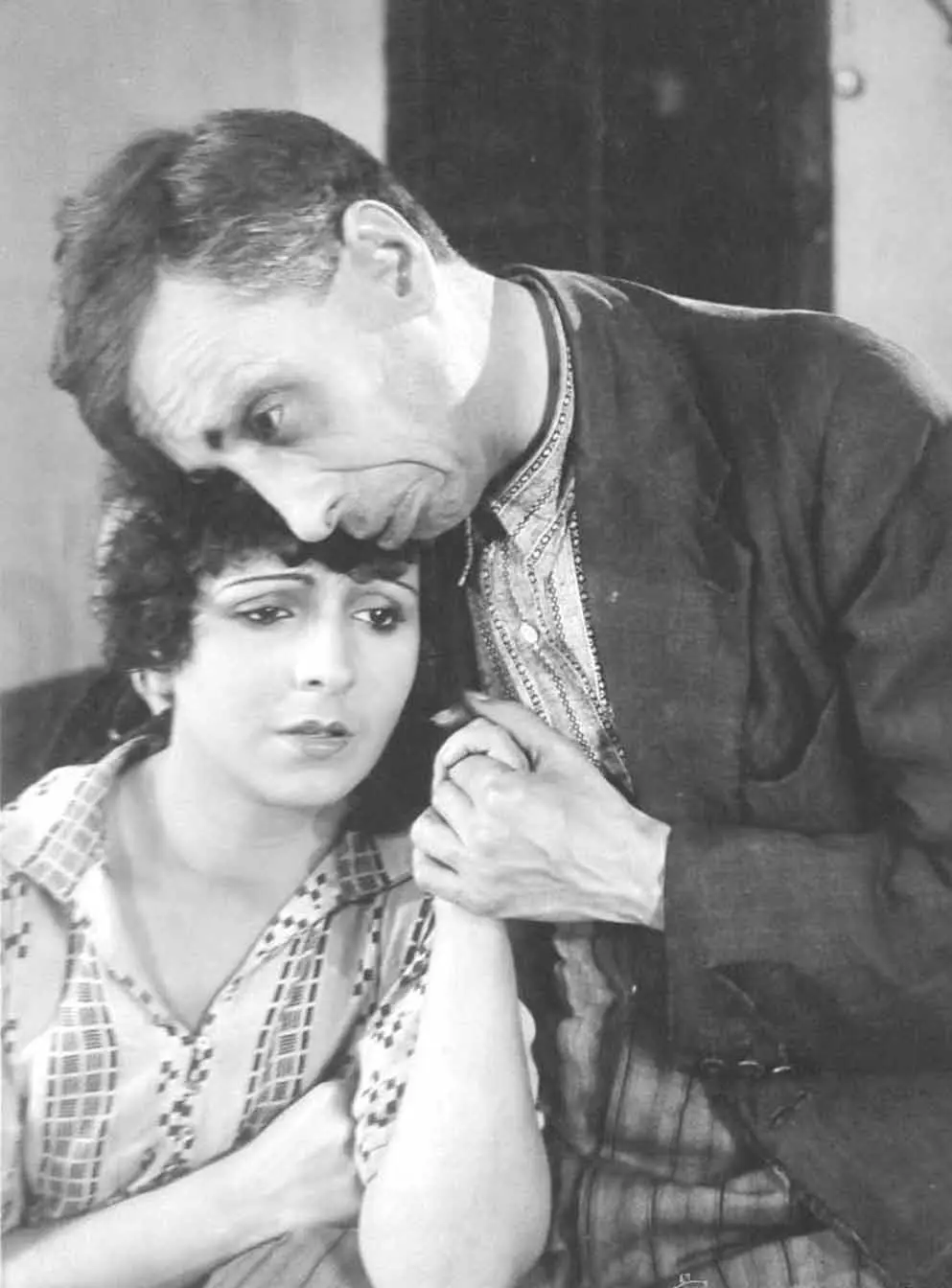
Gerardo Cifrián is the soul of the film. His physicality is remarkable; he moves like a man who expects the ceiling to fall on him at any moment. This isn't the heroic struggle of a leading man, but the frantic scurrying of a cornered animal. Contrast this with Rosario Velázquez, who plays his daughter with a grounded, almost weary maturity. Their relationship is the emotional anchor that prevents the film from spinning off into pure absurdity.
The direction by Carlos Fernández Cuenca is functional but occasionally inspired. He understands when to pull back and let the stage-trained actors command the space. However, the pacing is where the film shows its age. There are sequences in the middle of the film involving mistaken identities and secondary characters that feel like padding. While these moments were likely staples of the original theatrical run, they feel extraneous to the cinematic narrative we expect today. It lacks the tight, rhythmic editing of something like Scratch My Back.
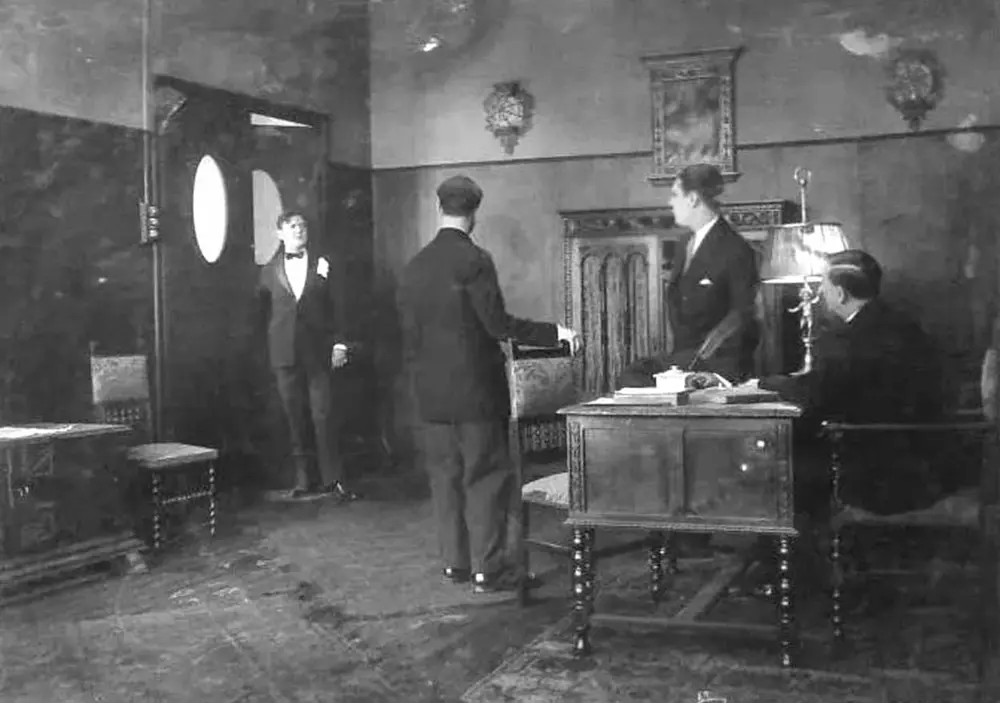
One surprising observation: the film is surprisingly subversive regarding gender roles. Antonio is 'the man' of the house, yet he is constantly placed in 'feminized' positions of vulnerability and service. The title itself, Es mi hombre (He is my man), is used both as a point of pride and a shield. It questions what it means to be a provider when the system provides nothing but obstacles. It’s a theme explored in different contexts in Her Lord and Master, but here it has a sharper, more desperate edge.
Technically, the film is a fascinating artifact. The sound recording is primitive, which occasionally makes the rapid-fire Arniches dialogue difficult to catch, but the visual compositions are often striking. The use of deep shadows in the tenement scenes creates a noir-like atmosphere years before the genre was codified. There is a specific shot of Antonio walking home after his first day at the fairground, his silhouette elongated against a crumbling wall, that perfectly captures his alienation.
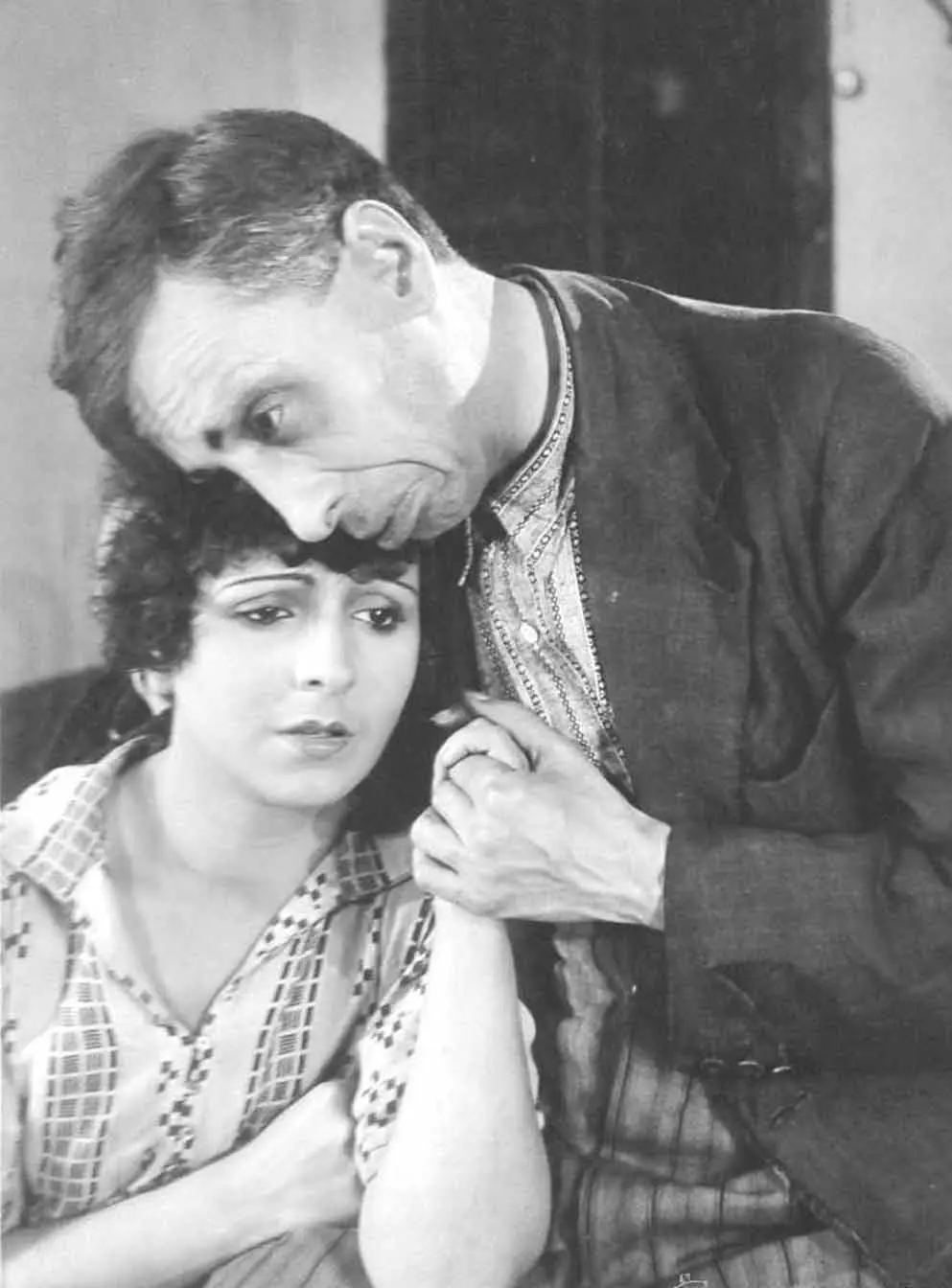
The film’s portrayal of the fairground is also noteworthy. It isn't a place of magic or wonder, but a cynical marketplace. This cynical view of public spectacle is a recurring motif in Spanish art, and Fernández Cuenca captures it with a cold, unblinking eye. It shares a certain thematic DNA with The Sawdust Doll, where the artifice of performance masks a deeper, more painful reality.
However, we must address the flaws. The film’s transition from the bleakness of the first act to the more conventional 'triumph' of the finale feels unearned. It’s as if the production team got cold feet and decided the audience needed a traditional happy ending. I find this pivot frustrating. The film is at its best when it is uncomfortable. When it tries to be a standard crowd-pleaser, it loses its teeth. It works. But it’s flawed.
Pros:
The script is a brilliant collision of two of Spain’s greatest writers, offering dialogue that is both poetic and biting. The social commentary regarding poverty and dignity remains incredibly relevant in our modern gig economy. The film serves as an essential historical document of Madrid before the upheaval of the Civil War.
Cons:
The technical limitations of the era—specifically the static camera work in certain scenes—can make it feel stagey. The supporting cast is a mixed bag, with some performances leaning too far into the broad caricatures of the 'sainete' tradition. The ending feels like a concession to commercial interests rather than a natural conclusion to Antonio's journey.
Es mi hombre is a powerful, albeit uneven, exploration of human dignity under fire. It avoids the easy sentimentality of films like Angel Child and instead opts for a more complex, often bitter, look at the world. While it may not have the polish of contemporary international releases of 1935, its soul is unmistakable. It is a film that demands your attention, not because it is a 'masterpiece' in the traditional sense, but because it is an honest, raw, and occasionally hilarious look at the lengths a man will go to for those he loves. It is a foundational text of Spanish tragicomedy that deserves to be pulled from the shadows of the archives.
IMDb —
1916
Community
Log in to comment.