DbcultAccessing Vault...
Cult Review
Senior Film Conservator
Short answer: Yes, but only if you appreciate the raw, unpolished energy of silent-era genre-bending. This film is for enthusiasts of early American industrial history and fans of animal-led adventure; it is not for those who demand complex character arcs or modern pacing.
Does Run Tin Can hold up as a piece of cinema in the modern age? It does, primarily because it avoids the saccharine sentimentality that would later plague the 'hero dog' subgenre in the 1940s and 50s. This is a gritty, dirt-under-the-fingernails story about greed and the literal machinery of the oil boom.
1) This film works because the canine performance by Brownie the Dog is grounded in physical reality rather than the over-the-top anthropomorphism seen in later eras.
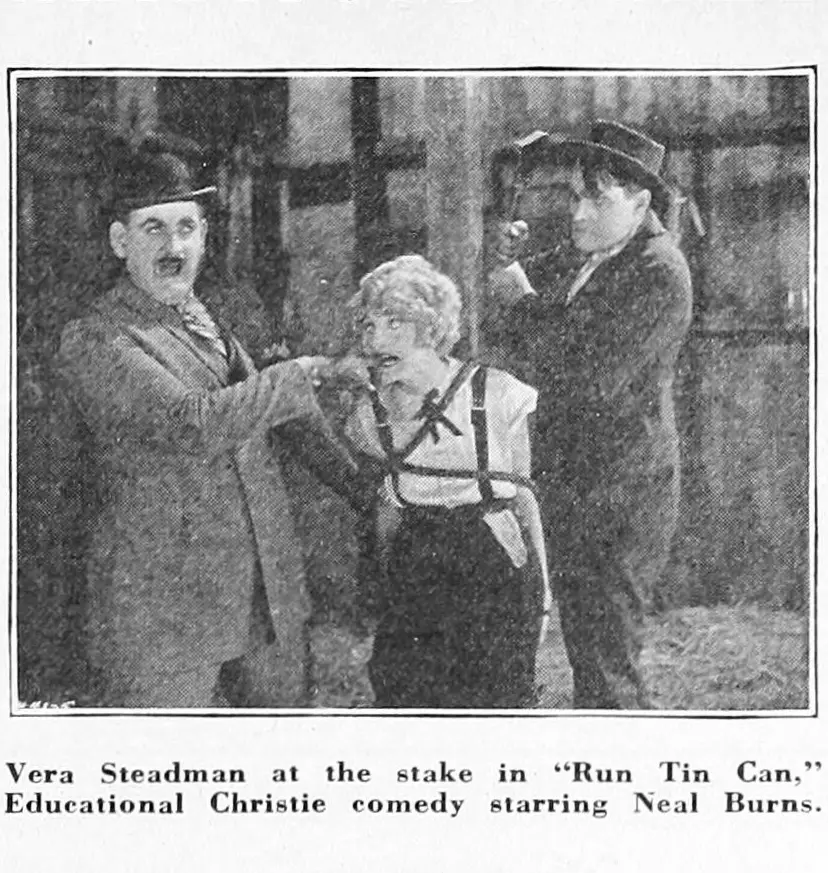
2) This film fails because the human antagonist, Eddie, lacks the nuance required to make the property dispute feel like a genuine intellectual battle; he is a mustache-twirling caricature from the first frame.
3) You should watch it if you have an interest in how early Hollywood utilized animal stars to bridge the gap between high-stakes drama and family-friendly action.
Run Tin Can is worth watching for anyone curious about the evolution of the action-thriller. Unlike The Invisible Enemy, which relies on broader metaphorical threats, this film is obsessed with the tangible: deeds, tax deadlines, and the physical struggle of the oil derrick. It is a lean, mean piece of storytelling that doesn't overstay its welcome.

The dog is smarter than the man. Period. While Neal Burns plays the protagonist with a certain wide-eyed vulnerability, it is Brownie who carries the emotional and narrative weight of the film. There is a specific scene early on where Eddie offers a small sum of money for the well. Neal is ready to sign, his hand hovering over the paper. The tension isn't created by the dialogue—which, of course, we cannot hear—but by the dog’s persistent disruption. Brownie doesn't just bark; he physically intervenes, a move that feels less like a trained trick and more like a desperate attempt to save his friend from himself.
This level of animal acting is a precursor to the work seen in The Cat's Nine Lives, though Brownie brings a level of physical threat that a feline simply cannot match. The way the dog watches Eddie is genuinely unsettling. It’s a performance of pure suspicion. In many ways, the dog acts as the film’s moral compass, a silent observer of human greed who remains untainted by the lure of the oil wells.
The setting of the film is its most potent character after the dog. The oil fields are depicted not as places of wonder, but as hazardous, cluttered landscapes of skeletal wooden derricks and grease. Sig Herzig’s writing captures the 'wildcat' era of drilling with a cynicism that feels ahead of its time. When we see the 'wild cat' associates of Eddie, they aren't just thugs; they are the human byproduct of an industry that rewards theft over labor.
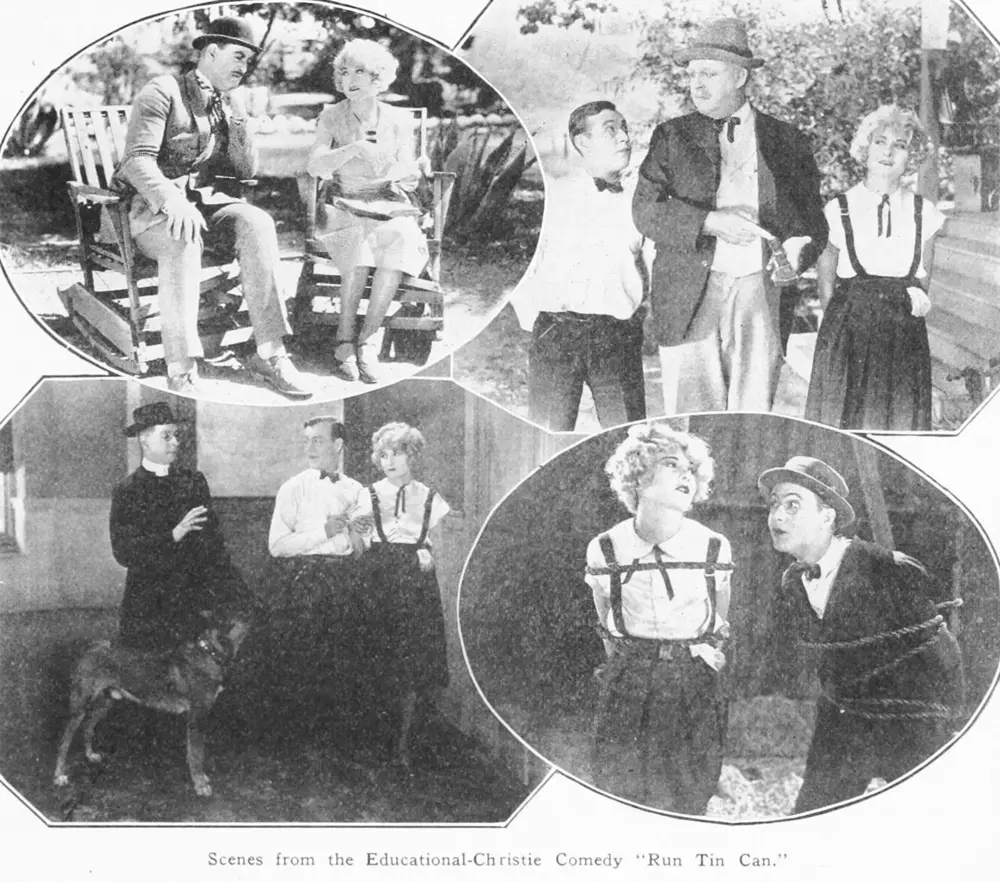
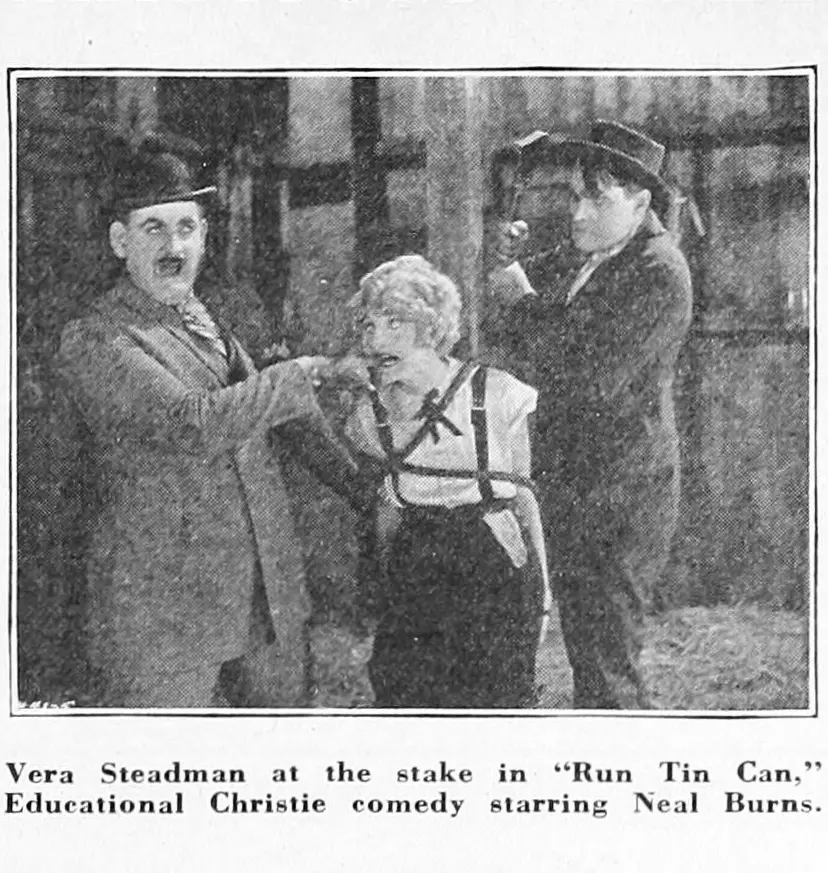
Compare this to the social dynamics in What Women Love or Prodigal Daughters, where wealth is often portrayed through domestic luxury. In Run Tin Can, wealth is something you have to bleed for in a shack. The cinematography during the scene where Neal and Mary are tied to the beams is claustrophobic and effective. The use of shadows cast by the oil machinery outside creates a flickering, rhythmic tension that mirrors the ticking clock of the tax office deadline.
The climax of the film is a masterclass in early editing. As Eddie and his associates speed toward the tax office, the film cuts between their progress and the dog’s frantic run. It is a simple setup, but the execution is relentless. The pacing here is superior to many of its contemporaries, such as The Argyle Case, which often gets bogged down in its own procedural elements. Here, the goal is singular: get to the office before the ink dries on the wrong signature.
There is a brutal simplicity to the resolution. The dog doesn't just save the day; he humiliates the villain. It works. But it’s flawed. The humans are so incompetent that you start to wonder how they survived long enough to own property in the first place. This is my most debatable opinion: Neal doesn't deserve the well. Without the dog, he would be a penniless fool. The film is actually a tragedy about human incompetence masked as a heroic animal adventure.
Pros:
- Brownie the Dog delivers a surprisingly nuanced and physical performance.
- The film provides a fascinating, unvarnished look at the 1920s oil industry.
- The pacing of the final act is genuinely exciting, even by modern standards.
Cons:
- The villain is a one-dimensional caricature with no clear motivation beyond 'being bad.'
- The romantic subplot between Neal and Mary feels tacked on and lacks chemistry compared to the bond between Neal and his dog.
Run Tin Can is a fascinating relic that manages to be more than just a historical curiosity. While it lacks the narrative complexity of films like Life or the thematic depth of The Easiest Way, it succeeds as a pure piece of entertainment. It is a film that understands its strengths—namely, a very smart dog and a very high-stakes deadline. It is a punchy, effective thriller that proves that in the world of silent cinema, sometimes the best way to tell a human story is to let an animal take the lead. It’s flawed, it’s loud (visually), and it’s undeniably fun.
IMDb —
1925
Community
Log in to comment.