DbcultAccessing Vault...
Cult Review
Senior Film Conservator
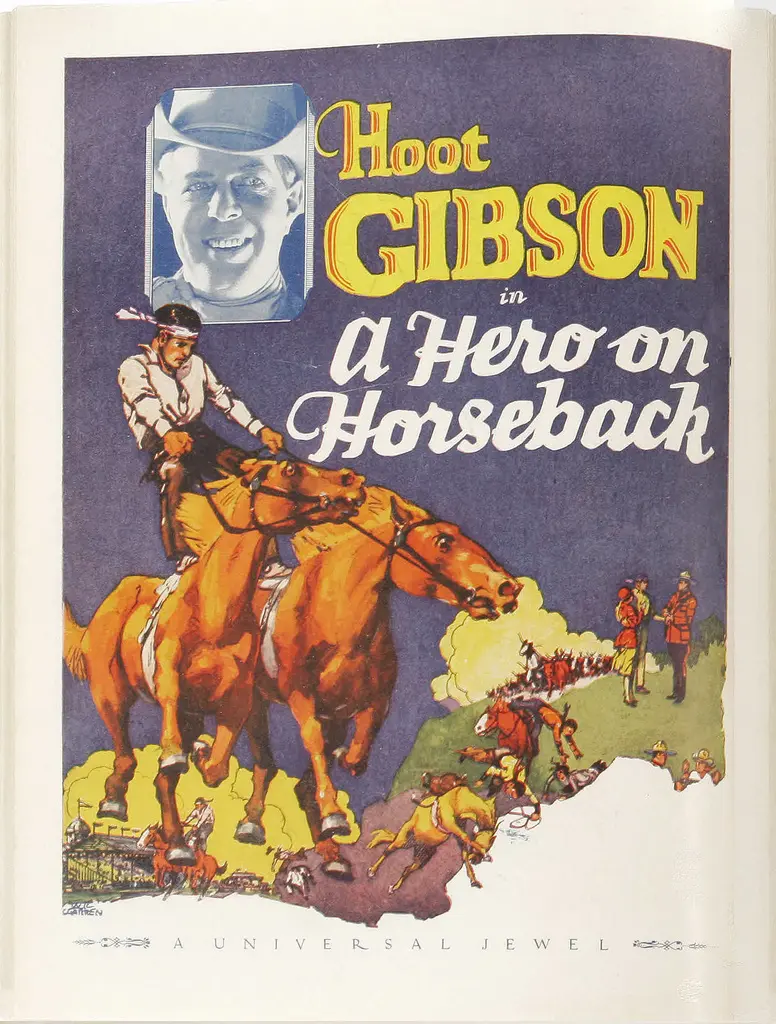
Is 'A Hero on Horseback' worth watching today? Short answer: yes, but with a significant caveat. This silent Western offers a fascinating glimpse into early cinematic storytelling and the enduring appeal of the cowboy hero, making it a must-see for film historians and devotees of the genre, yet it will undoubtedly challenge the casual modern viewer.
It's a film for those who appreciate the foundational myths of the American West and the unique artistry of silent cinema, but it is unequivocally not for audiences seeking rapid-fire plots, complex character arcs, or contemporary pacing.
Early silent Westerns often lived or died by their charismatic leads and the clarity of their moral conflicts. 'A Hero on Horseback' is no exception, delivering a straightforward narrative with a powerful, albeit simple, message.
This film works because of Hoot Gibson's undeniable screen presence and the sheer kinetic energy of its action sequences, particularly those involving his legendary horsemanship. It captures the essence of a bygone era with authenticity.
This film fails because its narrative depth is largely sacrificed for spectacle, and the pacing, while typical for its time, can feel glacially slow to contemporary audiences unaccustomed to the silent film format. Subtlety is not its strong suit.
You should watch it if you have an interest in film history, are a fan of classic Westerns, or want to see one of the genre's earliest stars at the peak of his powers. It’s a foundational piece, not just entertainment.
'A Hero on Horseback' embodies the quintessential silent Western, laying down a blueprint that countless films would follow. The narrative, penned by Arthur F. Statter, Peter B. Kyne, and Mary Alice Scully, is a familiar tale of good versus evil on the frontier. We are introduced to 'Nevada' Jim (Hoot Gibson), a man of few words but formidable action, whose quiet life is disrupted by the avarice of Cyrus Thorne (Dan Mason).
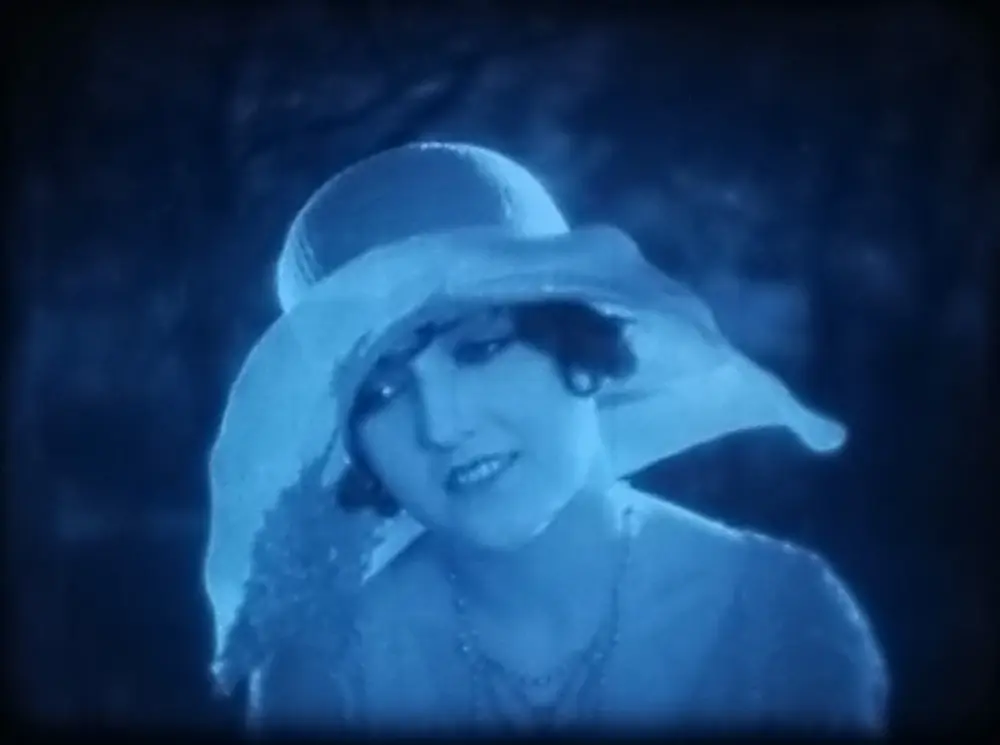
Thorne, a land baron of the most villainous stripe, seeks to expand his empire through intimidation and fraud, setting his sights on the Bar-M Ranch owned by the ailing Mr. MacGregor (Edward Hearn) and his resolute daughter, Mary (Ethlyne Clair). This setup is as old as the hills, yet in the context of early cinema, it resonates with a primal appeal. The conflict is clear: the honest, hardworking folk against the corrupting force of unchecked greed.
The film doesn't waste time with moral ambiguities; Thorne is bad, Jim is good. This simplicity allows the audience to immediately align with the hero and root for his success. For example, the early scenes establishing Thorne's manipulative tactics, such as his veiled threats to MacGregor over a fabricated debt, instantly paint him as a clear antagonist. There's no nuance here, and frankly, none is needed for the story's purpose.
The plot progresses with predictable but satisfying beats: escalating threats, a moment of desperation for the protagonists, and the hero's inevitable intervention. It’s a comfort food narrative for Western fans, delivering exactly what's promised in the title. The writers understood their audience, providing a clear moral compass in a wild, untamed world.
Hoot Gibson was a legitimate cowboy, and it shows. His performance as 'Nevada' Jim is less about intricate emotional displays and more about an authentic, understated strength. He doesn't need dialogue to convey integrity or determination; his posture, his gaze, and especially his unparalleled horsemanship speak volumes. Gibson embodies the stoic Western hero, a man whose actions define him far more than any words ever could.
There's a natural ease to his movements, whether he's dismounting his horse or engaging in a tense standoff. This isn't acting in the theatrical sense; it's a projection of genuine skill and a lived understanding of the character's world. Consider the climactic chase scene: Gibson isn't just riding a horse; he is the horse, a seamless extension of the animal's power and grace. His ability to perform daring stunts, like leaping fences or navigating treacherous terrain at full gallop, elevates the action beyond mere cinematic trickery. It’s raw, visceral, and utterly convincing.
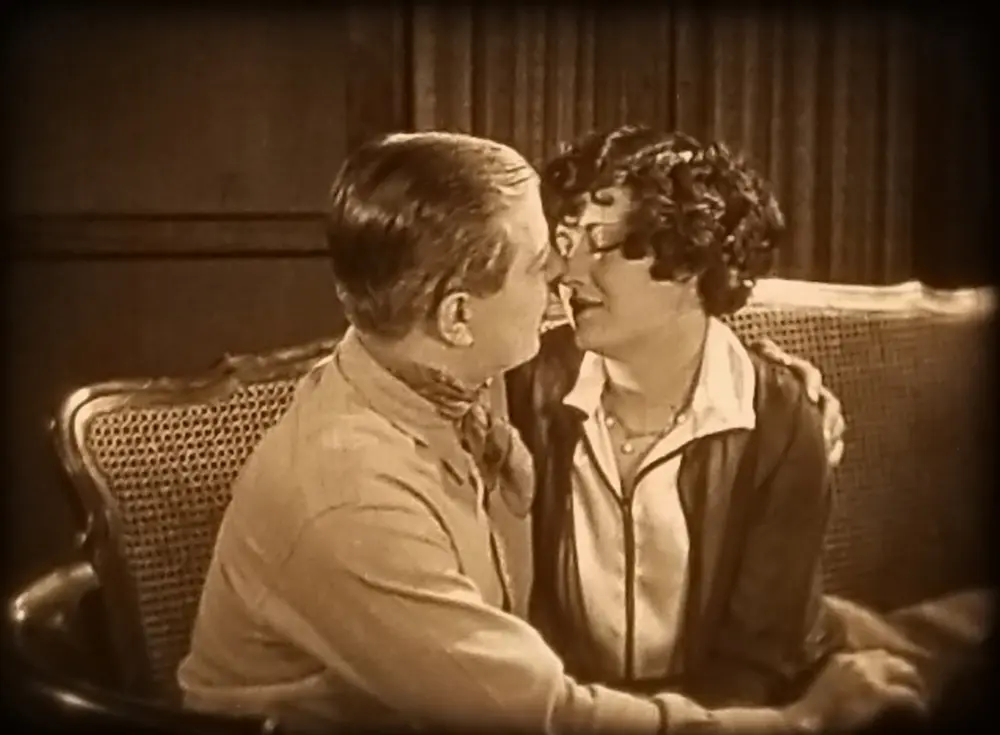
Ethlyne Clair, as Mary MacGregor, provides the necessary emotional anchor and damsel-in-distress element without ever feeling entirely helpless. She portrays Mary with a spirited independence that makes her a worthy counterpart to Jim. Her expressions of fear and resolve, though broad by today's standards, are effective in conveying the stakes. The subtle, unspoken chemistry between Gibson and Clair adds a touch of romance that warms the otherwise rugged narrative, a classic Western trope handled with quiet charm.
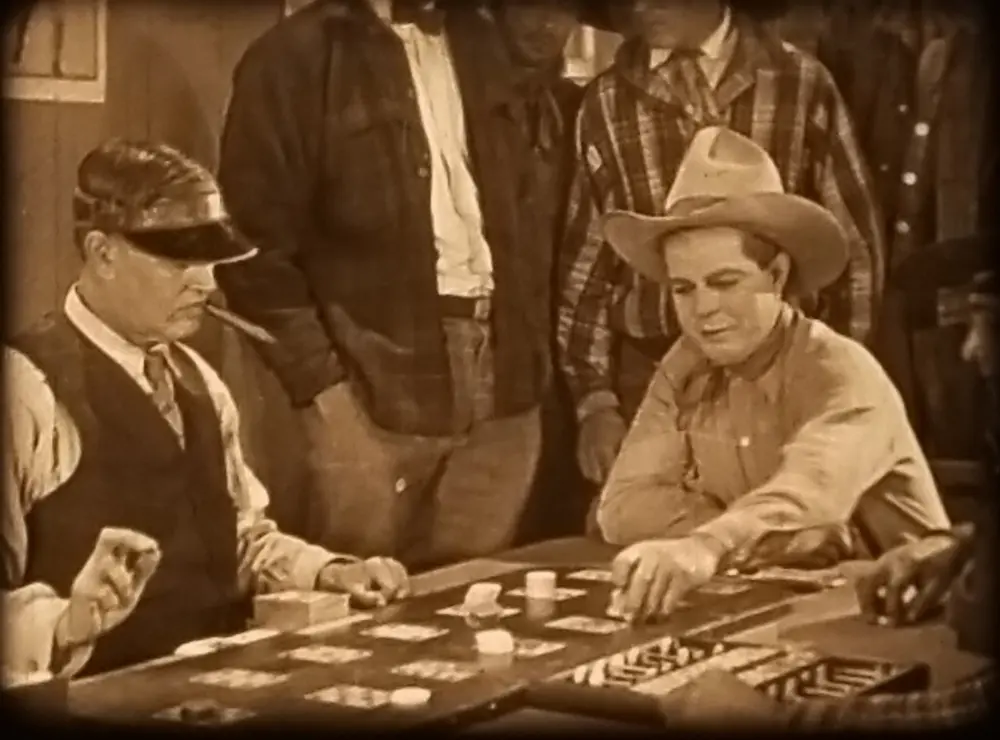
Dan Mason, as the villainous Cyrus Thorne, commits fully to his role, often bordering on caricature, which is precisely what the genre and era demanded. His sneering expressions and overtly menacing gestures leave no doubt about his nefarious intentions. Edwards Davis and Edward Hearn, as the older, vulnerable ranchers, provide the necessary pathos, making Jim’s fight for justice all the more compelling. The ensemble, though playing archetypes, does so with conviction, grounding the heightened reality of the silent screen.
The direction of 'A Hero on Horseback'—likely a collaborative effort given the era and the emphasis on action—is primarily focused on clear storytelling through visual means. Without dialogue, every shot, every movement, and every title card had to count. The filmmakers use wide shots to establish the vast, unforgiving landscape of the West, immediately immersing the audience in the setting. These expansive vistas are not just pretty backdrops; they are active participants in the drama, emphasizing the isolation and the challenge of frontier life.
The cinematography, while technically limited compared to later eras, is remarkably effective in conveying action and emotion. The camera often follows Gibson's character with a dynamic energy during chase sequences, creating a palpable sense of speed and danger. A particularly memorable sequence involves a cattle stampede, where the sheer force of the animals is captured with impressive scale for its time, creating genuine tension. The editing, though perhaps less frenetic than modern action films, builds suspense through a steady rhythm, cutting between the hero's progress and the villains' escalating threats.
Close-ups are used sparingly but effectively, often to punctuate a moment of realization or determination. For instance, a close-up on Jim's resolute face just before he undertakes a dangerous mission speaks volumes about his character without a single intertitle. The use of natural light, typical of outdoor Westerns, adds to the film's gritty authenticity, making the sun-drenched plains feel both beautiful and brutal. This film, much like contemporary Westerns such as The Gasoline Trail or even later, more complex silent works like A Regular Fellow, understood the power of the land itself as a character.
The pacing of 'A Hero on Horseback' is a crucial element that will either captivate or frustrate modern viewers. It moves at a deliberate, almost stately rhythm for much of its runtime, characteristic of silent films where visual information and intertitles required more time to absorb. This isn't a flaw, but a stylistic choice of its era. The film takes its time to establish characters, conflicts, and the vastness of its setting, allowing the audience to settle into its world.
However, when the action ignites, the film shifts gears dramatically. The chase sequences and confrontations are surprisingly dynamic, accelerating the narrative pulse. This contrast between the slower exposition and the bursts of intense action creates a satisfying ebb and flow, building anticipation before delivering on the promise of thrilling Western spectacle. It’s a rhythmic gallop, not a sprint.
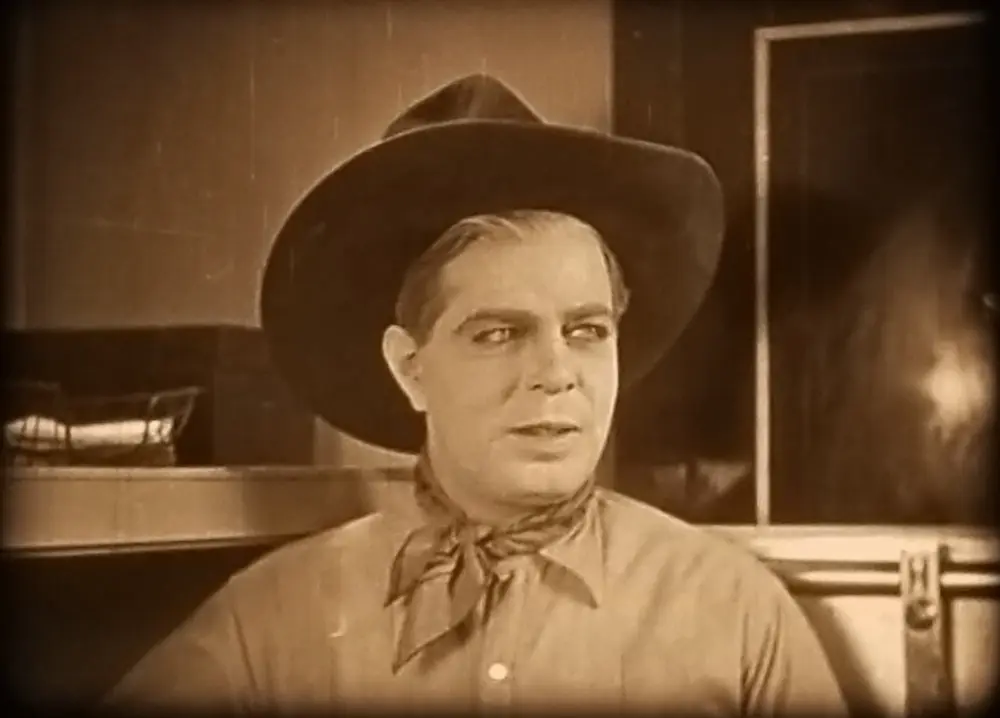
The tone is overtly heroic and moralistic, celebrating courage, justice, and the triumph of good over evil. There's a clear moral compass guiding the narrative, which aligns perfectly with the foundational myths of the Western genre. While some might find this lack of ambiguity simplistic, it is precisely this earnestness that gives the film its enduring charm. It's a hopeful, adventurous tone, punctuated by moments of genuine peril and heartfelt sentiment, especially in the interactions between Jim and Mary.
Yes, for specific audiences, this film absolutely holds value. It's a window into the origins of a beloved genre.
It showcases the raw talent of Hoot Gibson, a true cowboy star.
The action sequences, particularly the horsemanship, are genuinely impressive even now.
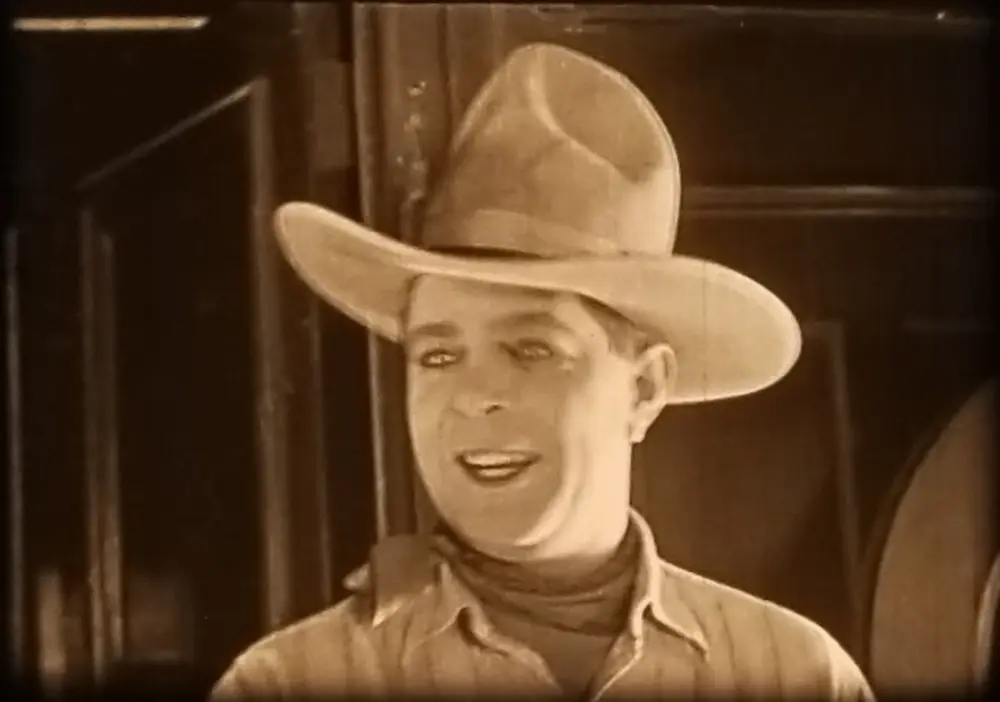
However, it demands patience. The silent film format, with its reliance on intertitles and broader acting, requires a different kind of engagement than contemporary cinema.
This film is for silent film enthusiasts, Western history buffs, and anyone curious about early Hollywood. It is not for those seeking fast-paced, dialogue-driven entertainment.
One surprisingly modern aspect of 'A Hero on Horseback' is its subtle commentary on land rights and corporate greed. While presented through the clear-cut villainy of Thorne, the film touches upon themes of displacement and the exploitation of natural resources by powerful entities. It's not just a cowboy fighting outlaws; it's a commentary on the changing face of the West, where honest toil was increasingly threatened by financial machinations. This makes it more than just a simplistic morality play; it's a foundational text for later, more complex Westerns that explored similar socio-economic themes.
Another observation: for a film titled 'A Hero on Horseback,' the film's most striking moments aren't always the grand, sweeping chases. Often, it's the quiet moments when Gibson's 'Nevada' Jim simply sits atop his horse, surveying the land, that his heroism truly shines. These moments, devoid of dramatic action, portray a man deeply connected to his environment, a protector not just of people, but of a way of life. It elevates him beyond a mere action hero to something more profound, almost elemental.
I’d also argue that the film’s biggest strength, its authenticity, is also its biggest barrier to entry for new viewers. The lack of overt 'cinematic' flair that defines many later silent epics means it feels more like a documentary of a performance than a highly stylized piece of art. This raw quality is a double-edged sword, charming for purists, challenging for others.
'A Hero on Horseback' is a foundational piece of Western cinema, a sturdy and earnest adventure that delivers on the promise of its title. It works. But it’s flawed. Hoot Gibson's natural athleticism and understated heroism anchor a story that, while simple, is undeniably effective in its execution. It might not be a film for everyone, nor should it be approached with expectations of modern cinematic conventions. However, for those willing to engage with its historical context and appreciate its unique artistry, it offers a rewarding journey back to the roots of a genre that continues to captivate. It’s a vital stepping stone in the evolution of the Western, more important than many might initially assume, and well worth the time for the right audience. Give it a shot if you want to see where the legends began, but prepare for a different kind of ride.
IMDb —
1927
Community
Log in to comment.