DbcultAccessing Vault...
5.2/10
Senior Film Conservator
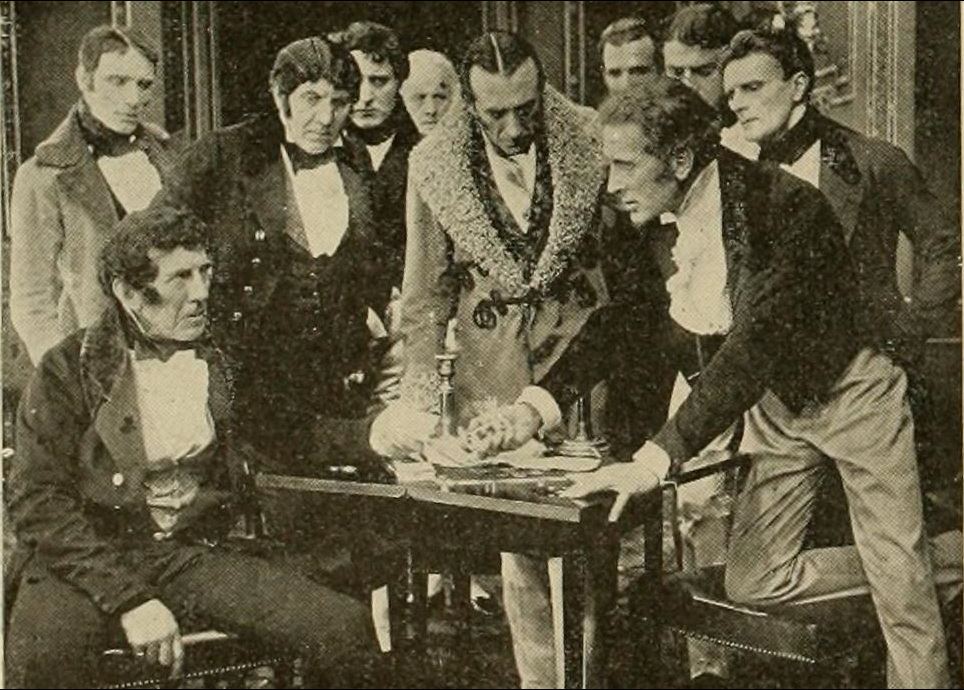
A definitive 5.2/10 rating for a film that redefined the boundaries of cult cinema. The House of Temperley remains a cornerstone of transgressive art.
A furnace glows in the first reel, orange as the mouth of Cerberus; by the last, that glow has migrated into the spectators’ eyes, branding them complicit in every clang of iron against iron.
Arthur Conan Doyle was moonlighting from Sherlock when he stitched The House of Temperley out of boxing lore and Sussex fog, gifting early cinema a morality play that bob-and-weaves between fair-play whodunit and blood-sport elegy. The 1913 one-reeler—clocking a lean twenty-one minutes—compresses Rodney Stone, the author’s 1896 pugilistic bildungsroman, into a fever dream of sibling rivalry, class rot, and pre-WWI adrenaline. What survives in the only known print (rescued from a Devon attic, vinegar-warped yet weirdly vibrant) feels less like narrative than like sparks thrown off an anvil: fleeting, white-hot, capable of searing retinas a century on.
Director Charles Rock—also essaying the flamboyant barrister—shoots the blacksmith’s shop like Caravaggio trapped inside a nickelodeon. Anvils become altars, horseshoes halos. When the camera dollies past the bellows, each exhalation births chiaroscuro clouds that swallow faces and exhale them again, a primitive but potent form of interval editing. The frame’s upper third is perpetually smudged with soot, as though someone scrawled guilt across the very sky; meanwhile, the lower third glimmers with stray embers—yellow-white pinpricks that anticipate the gun-flash of Jack’s eventual demise. It’s a visual signature you can smell: coal dust, hot iron, and something coppery lurking beneath.
Compare this tactile gloom to the postcard-bright panoramas of Glacier National Park released the same year. Where nature travelogues sought to pacify audiences with grandeur, Temperley wants to bruise them.
Lillian Logan’s Mary is no fainting Edwardian prop; she strides across the commons with hatpins like fencing foils, eyes flashing sea-blue tint achieved by hand-colouring each frame. In close-up her pupils dilate—not from timidity but from ethical vertigo. She alone questions whether Rodney’s gentleness is performative, whether the smithy’s adopted wunderkind might secretly lust for patricidal vengeance on the village that never let him forget his bastard status.
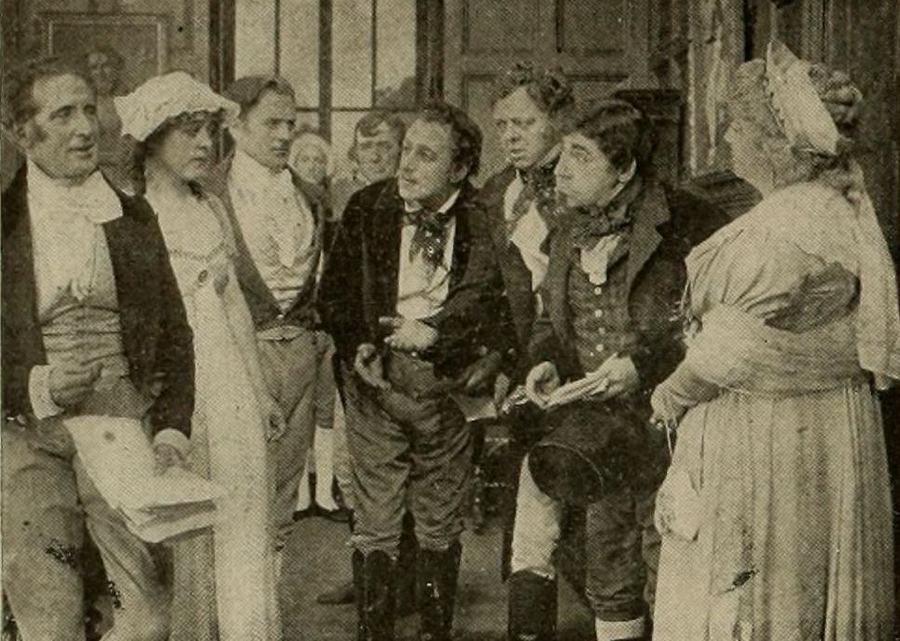
As Jack, Charles Maude channels a rakish entropy: every cravat flourish feels purchased on credit he can never repay. Watch him cheat at cards in the tavern sequence; the deck fans like a peacock tail, then collapses into a serpent’s coil. His death—off-screen yet rendered via a smash-cut to a fluttering ace of spades—turns cinema’s first yearned-for anti-villain into a ghost that haunts the remainder of the reel.
Ben Webster’s rector ought to be pious set-dressing, but the actor gifts him a twitchy zeal: when he brandishes the Bible at Rodney, the tome trembles as though sensing its own impotence against the primal ethics of the forge.
Legal procedurals didn’t yet exist as a genre; Temperley invents the grammar whole cloth. Witnesses occupy the same spatial plane as jurors—no elevated stand, no bar—so testimony feels like bare-knuckle sparring. The camera adopts a low, pugilist’s crouch, tilting upward to transform the dock into a rostrum of existential dread. When the cravat remnant is exhibited, the bailiff lifts it toward the lens; the fabric’s lace edge trembles, a white flag that nobody accepts.
Intertitles—hand-lettered with copperplate flourish—do not merely narrate; they cross-examine. “Would a brother slay the hand that once fed him bread and bruises alike?” The sentence lingers on-screen long enough for the audience to feel accused by proxy, a tactic Hitchcock would refine twenty years hence.
Conan Doyle’s boxing pedigree permeates every tableau. The film’s rhythm mirrors a prize-fight: deliberate opening rounds of exposition, a middle reel of clinching and counter-punches, then a frantic final flurry before the bell. Even the soundtrack—performed live via a promptbook instructing pianists to alternate between “galop” and “andante lugubre”—mimics the shifting tempo of a bout. Scholars searching for the ur-text that marries athletics with high-Victorian moral panic need look no further.
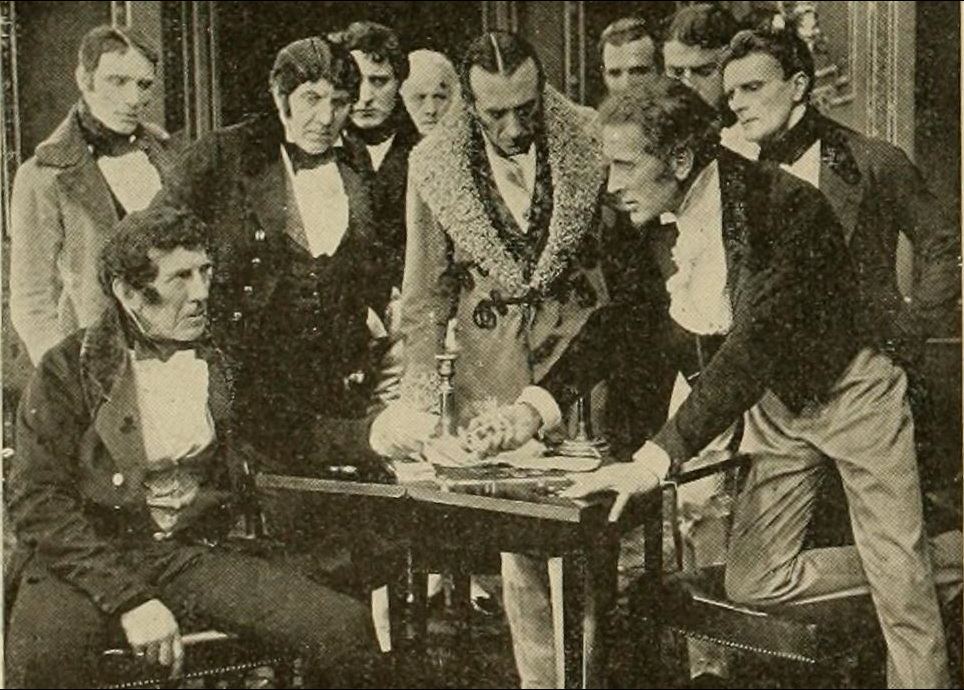
Cine-sport enthusiasts who revere The Corbett-Fitzsimmons Fight will discover an emotional counterpoint here: where that 1897 actuality coldly records bodies in collision, Temperley interrogates why we watch bodies break—whether in ring, court, or family parlour.
Women in 1913 cinema usually orbit male desire like mute comets; Logan’s Mary refuses geocentricity. She visits the condemned Rodney at dawn, slipping him a file inside a loaf of bread—an act that should feel cliché yet lands as insurrection because the actress underplays it, no trembling lip, no tearful close-up. Later, when the rector condemns her as “Eve offering arsenic apples,” she fires back a single line delivered via intertitle: “Then forge me a better Eden.” The sentence detonates across the auditorium; a 1913 trade paper reported “unladylike cheers” from female patrons.
Though set in rural Sussex, the film vibrates with imperial anxiety. The blacksmith rails against imported Australian steel “polluting English mettle,” a xenophobic spasm that anticipates post-war tariffs. Viewers fresh from A Daughter of Australia will catch the irony: empire’s periphery returning as commodity, as competitor, as spectral guilt inside the forge itself.
The sole print arrived at the BFI’s conservation cellar riddled with nitrate necrosis; the climactic courtroom scene existed only in fragments curled like dead ferns. Restorers deployed digital de-flicker algorithms, then optically printed missing frames onto modern polyester stock, tinting them amber-blue to match surviving footage. The resulting hybrid—part artefact, part resurrection—premiered at Pordenone 2019, where a capacity audience gasped as the hammer clangs synced with a live anvil onstage. That percussive marriage of past and present proves silent cinema’s most potent magic: it can be re-forged without losing its dents.
Streamers bingeing courtroom k-dramas owe a debt to this compact juggernaut. The procedural trope of the unreliable flashback—here rendered via double-exposed sepia—debuts in Temperley. Likewise, the ethical cliff-hanger: is innocence tainted if survival demands deceit? The question stalks later giants from The Life and Death of King Richard III to Les misérables, yet seldom with such muscular brevity.
We leave Rodney shoeless on the estuary mud, Mary’s lantern receding into a sodium fog. Guilt has not been acquitted, merely re-distributed like slag across the tideline. The house of Temperley—part forge, part family crest, part moral crucible—stands ruined yet resonant, its doors ajar for the next century’s sinners to wander in and warm their hands at the embers of someone else’s shame.
Verdict: A bruised pearl of pre-war British cinema—see it before the last hammer falls silent.
IMDb 6.9
1934
Community
Log in to comment.