DbcultAccessing Vault...
Cult Review
Senior Film Conservator
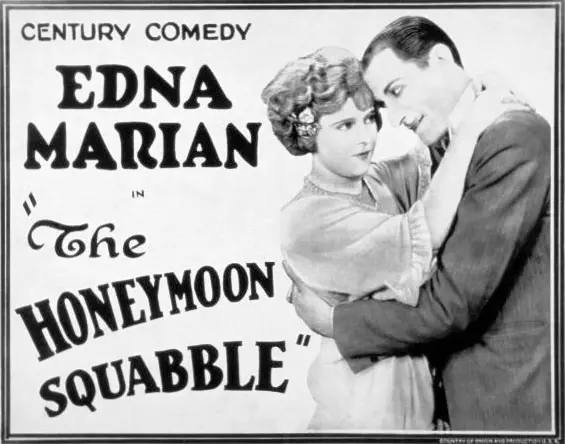
Is 'A Honeymoon Squabble' worth watching today? Short answer: yes, but with significant caveats. This early cinematic romp delivers a relentless dose of slapstick, offering a fascinating, if sometimes exhausting, glimpse into the comedic sensibilities of its era. It's a film primarily for enthusiasts of silent-era comedy, film historians, and those with a high tolerance for broad physical humor. If you're seeking nuanced character development or a sophisticated narrative, this isn't your destination.
Let's cut directly to what works, what doesn’t, and who should consider pressing play on this vintage offering.
This film works because of its unapologetic commitment to physical comedy and its energetic pacing. It doesn’t waste a single frame on preamble, diving headfirst into escalating chaos. The sheer audacity of its central premise – a detective believing legitimate couples are engaged in 'monkey business' – provides a unique comedic engine that is genuinely surprising for its time, even if it leans heavily into farce.
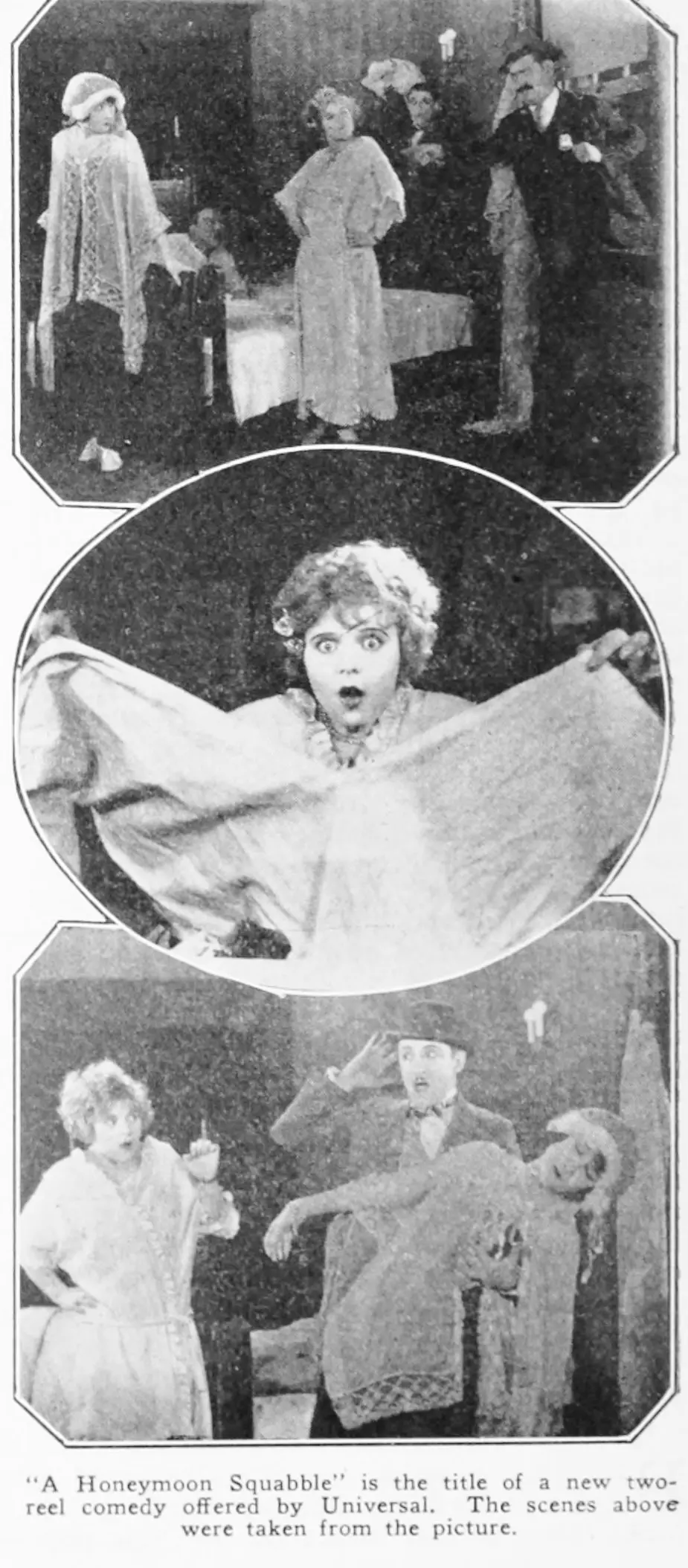
This film fails because its narrative is exceptionally thin, serving merely as a scaffold for repetitive gags. The characters, while distinct in their roles, lack any real depth, making it difficult to invest emotionally. Furthermore, the relentless nature of the chase sequences, while initially amusing, can become monotonous, highlighting the limitations of its comedic vocabulary.
You should watch it if you are a student of early cinema, a fan of pure slapstick, or someone looking for a light, brain-off distraction that offers historical context on comedic evolution. It’s also a curious case study for how societal anxieties around morality and marital fidelity were lampooned in nascent film. Skip it if you prefer character-driven stories, subtle humor, or contemporary comedic pacing.
At its heart, 'A Honeymoon Squabble' is a testament to the chaotic beginnings of marriage, amplified to an absurd degree. The film opens not with tender vows, but with an unfortunate incident: a well-meaning friend's celebratory shoe toss inadvertently connects with Betty's head. This seemingly minor mishap becomes the seismic event that threatens to shatter her newly acquired marital bliss, leading her to make an immediate, drastic declaration: no cohabitation with her dashing groom, Jack Singleton.
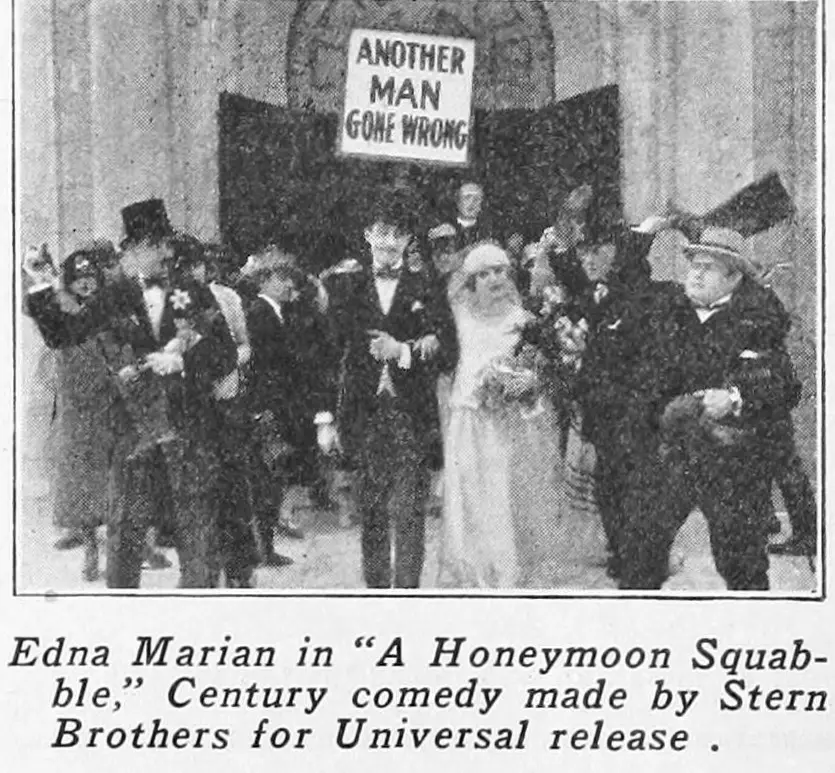
Upon arrival at their honeymoon hotel, Betty (Valerie Lavella) makes good on her promise, insisting the hotel register be amended to remove any implication of shared quarters. She secures a separate room, a decision that ignites the film's central conflict. This initial act of defiance sets a precedent for the ensuing pandemonium, creating an immediate, visible rift between the newlyweds that the entire hotel staff, and particularly one self-aggrandizing detective, will struggle to comprehend.
The comedic stakes are further complicated by the presence of another couple, also seemingly embroiled in domestic discord, occupying rooms on the same corridor. This parallel narrative of marital strife doubles the opportunities for mistaken identity and escalating confusion. Enter the self-proclaimed 'best detective in the world since Sherlock Holmes,' portrayed by Victor Rodman, who, with an almost pathological zeal, takes up residence behind a potted palm in the hallway. His mission: to ensure no 'monkey business' occurs under his watch. This character, a blend of incompetence and overconfidence, becomes the primary catalyst for the film's relentless physical comedy.
From this point, the plot devolves into a series of farcical pursuits. The detective, convinced he's thwarting illicit affairs, repeatedly chases the respective husbands and wives back into their 'correct' rooms. The couples, simply trying to navigate their separate-room arrangement or mend their own disputes, are caught in a Sisyphean struggle against the detective's unwavering vigilance. It’s a hilarious, if repetitive, cycle of evasion and capture, pushing the boundaries of what constitutes 'private space' in a public hotel.
Tiring of his game, the detective orders the husbands to leave, one at a time. This only serves to escalate the chaos, as they inevitably sneak back into the hotel, inadvertently landing in the wrong rooms. Wives and husbands, already at odds, descend into a cacophony of accusations, each believing the other is engaged in infidelity, fueled by the detective's prior interventions. The climax arrives with the detective's grand re-entry, sparking a prolonged, anarchic chase through the hotel. Ultimately, the couples manage to subdue the detective and, in a moment of desperate clarity, produce their marriage licenses as irrefutable proof of their legitimate unions. This final, absurd reveal leads to a collective sigh of relief and, perhaps, a newfound appreciation for their respective mates, concluding their squabble with a decision to finally live together. It’s a resolution that feels earned through sheer comedic exhaustion.
The performances in 'A Honeymoon Squabble' are, as expected for the era, broad and theatrical. Nuance takes a backseat to exaggerated gestures and facial expressions, a necessity for conveying emotion and intent in silent film. Valerie Lavella as Betty, the aggrieved bride, is a whirlwind of indignation and stubbornness. Her initial reaction to the shoe incident, a sharp turn and a pointed finger at her groom, immediately establishes her character's fiery independence. Lavella’s physical comedy is particularly effective during the chase sequences, her flailing arms and wide-eyed panic conveying a sense of genuine, if comedic, distress. She plays
IMDb 7.4
1916
Community
Log in to comment.