DbcultAccessing Vault...
Cult Review
Senior Film Conservator
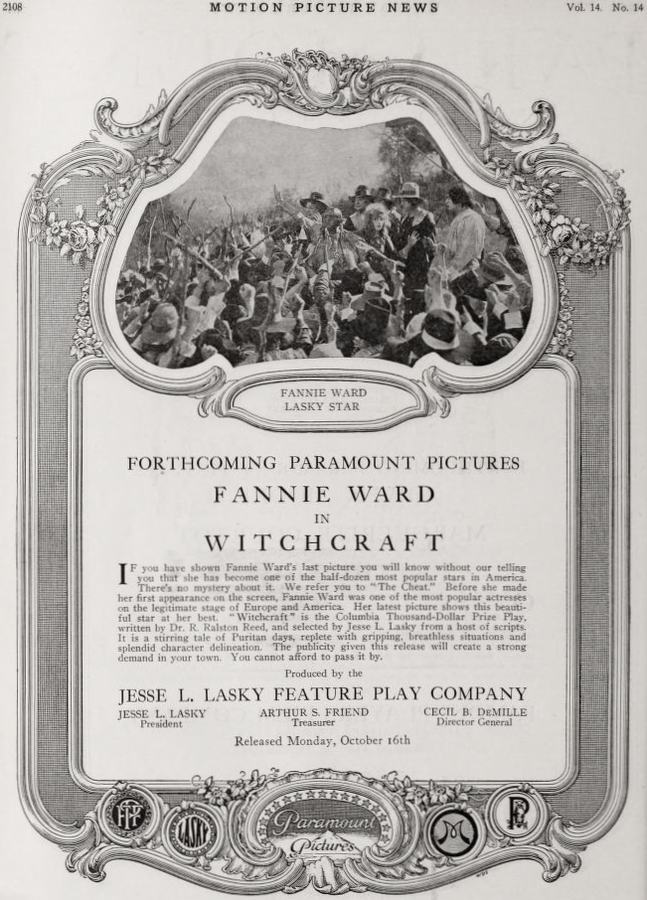
Stepping back into the nascent days of cinema, we find ourselves confronted by the stark, often melodramatic, yet undeniably compelling narratives that defined the silent era. Among these, the 1916 production of Witchcraft emerges as a particularly potent example, a film that doesn't merely recount a story but plunges headlong into the historical maelstrom of fear and delusion that gripped the New England colonies in 1692-93. It’s a fascinating, if at times heavy-handed, exploration of mass hysteria, personal greed, and the enduring human spirit in the face of unspeakable injustice. This isn't just a period piece; it’s a mirror reflecting how easily societal anxieties can be weaponized against the vulnerable, a theme that, regrettably, remains perennially relevant.
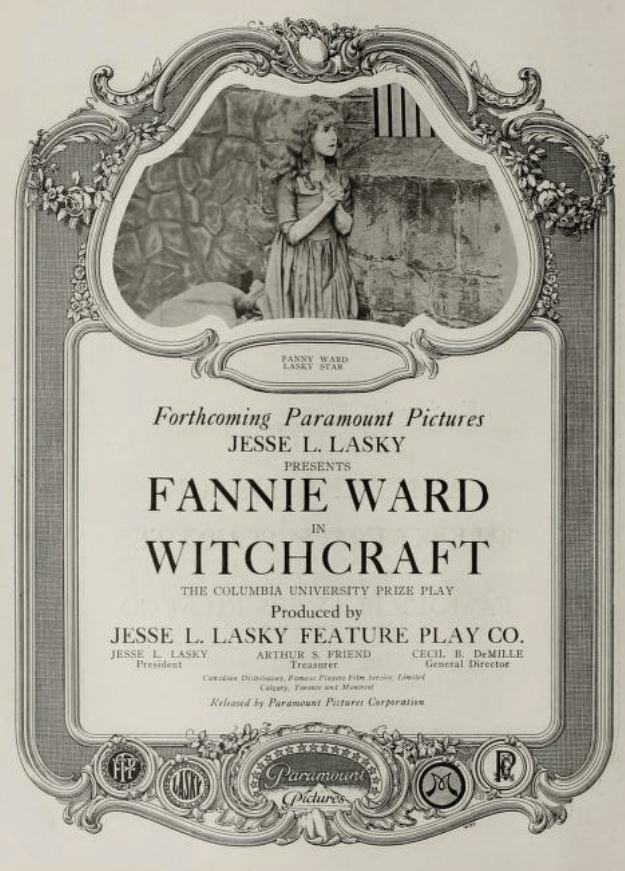
The film introduces us to Suzette, portrayed with a compelling blend of fragility and resilience by the luminous Fannie Ward. A Huguenot refugee, Suzette arrives in the New World alongside her ailing mother, seeking solace and a fresh start. Yet, the promise of peace quickly dissolves into a nightmare. Her mother's mysterious malady necessitates the aid of Nokomis, an Indigenous woman whose wisdom is tragically misconstrued as sorcery by the superstitious townsfolk. This fateful encounter ignites the very spark of suspicion that will consume Suzette's life, drawing her into the terrifying orbit of the infamous witch trials. Ward’s performance here is a masterclass in silent film acting, her expressive eyes and delicate gestures conveying a world of internal turmoil without uttering a single spoken word. One can almost feel the weight of her predicament, a young woman adrift in a hostile land, burdened by the care of a sick parent and increasingly ostracized by a community steeped in fear. It’s a portrayal that resonates with the quiet dignity seen in other heroines of the era, perhaps echoing the steadfastness of characters in films like The Straight Road, where protagonists often navigate personal hardship amidst societal pressures.
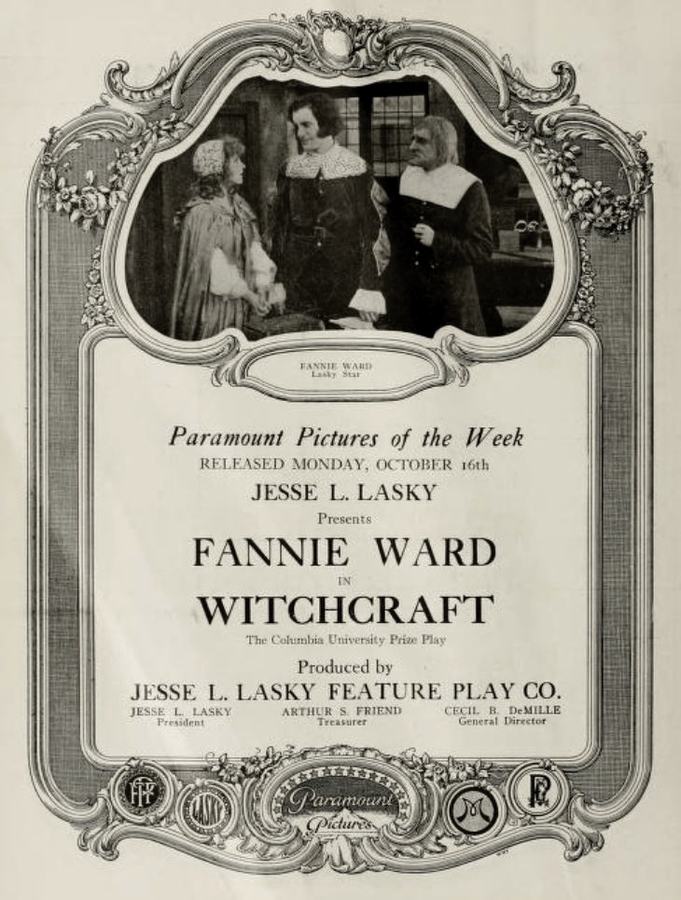
The malevolent force at the heart of Suzette's escalating tribulations is Makepease Struble, the town miser, a character so steeped in avarice and cruelty that he personifies the very darkness lurking beneath the veneer of pious colonial life. While the exact casting for this pivotal role between Paul Weigel and Jack Dean isn't definitively clear from historical records, the character, regardless of actor, serves as a grotesque embodiment of human depravity. Struble, smitten with Suzette and consumed by a possessive desire, orchestrates a cunning scheme to remove his ward, Richard Wayne, from the picture. Wayne, Suzette's burgeoning love interest, is dispatched under the guise of joining the Governor's staff, a transparent ruse to clear Struble’s path. This act of calculated manipulation sets the stage for the film's most agonizing sequence: Struble's coercion of Suzette into marriage. He preys on her deepest fear, convincing her that only by becoming his wife can she save her mother from the ignominy and lethal consequences of a witchcraft accusation. It’s a moment of profound moral compromise, a sacrifice born of desperation, and a stark illustration of the powerlessness of women in that era. The immediate aftermath, with her mother's death occurring just as the coerced vows are exchanged, casts a particularly bleak shadow over Suzette’s fate, sealing her in a gilded cage of misery and regret. Struble’s villainy here isn’t merely personal; it's a microcosm of the systemic abuses of power that characterized the witch trials themselves, where personal vendettas and land disputes often masqueraded as righteous indignation against the devil.
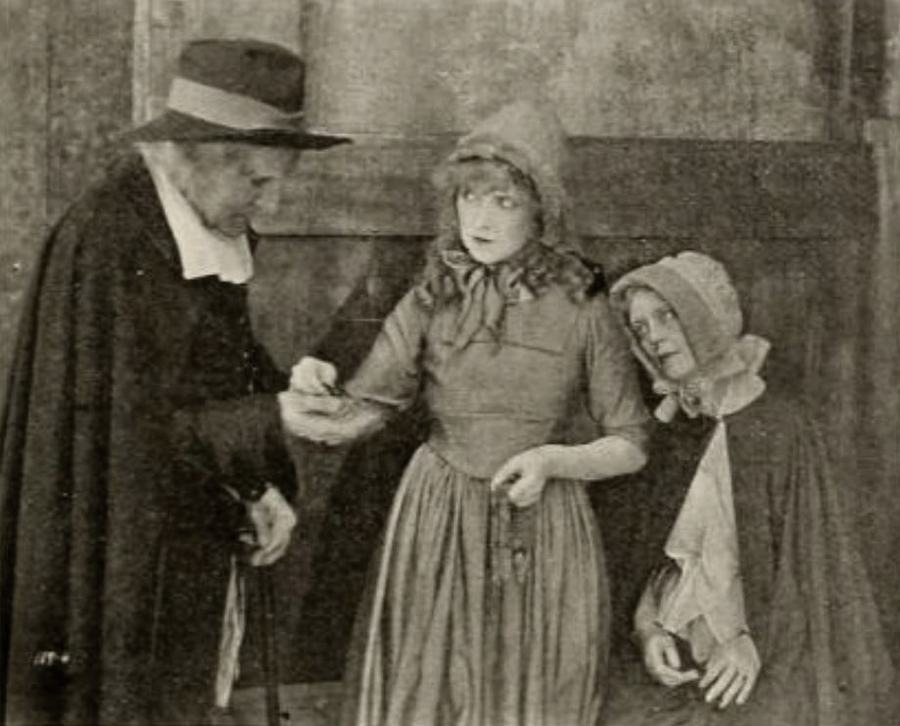
In the aftermath of this tragic union, Suzette finds a peculiar solace in the form of a talisman bestowed upon her by Nokomis. This mystical artifact, promising to grant her every wish, becomes a focal point of the narrative, a symbol of both hope and the dangerous allure of supernatural belief. It’s a fascinating narrative device, blurring the line between genuine magic and psychological suggestion, a classic trope often found in stories grappling with the unknown. Upon his return, the dashing Richard Wayne, played with a blend of initial arrogance and eventual remorse, is thunderstruck by Struble’s marriage to Suzette. Misinterpreting her motives, he believes she married for wealth and treats her with a disdain that cuts deeper than any physical wound. His subsequent realization of Suzette's inherent dignity and his own profound love for her, however, marks a crucial turning point, propelling him towards an eventual quest for redemption. This arc, from misunderstanding to unwavering devotion, is a common but effective dramatic structure in silent films, allowing for grand gestures and palpable emotional shifts without the need for dialogue. Compare this emotional journey to the dramatic reversals of fortune and character growth seen in a film like Whom the Gods Destroy, where personal enlightenment often follows a period of significant trial.
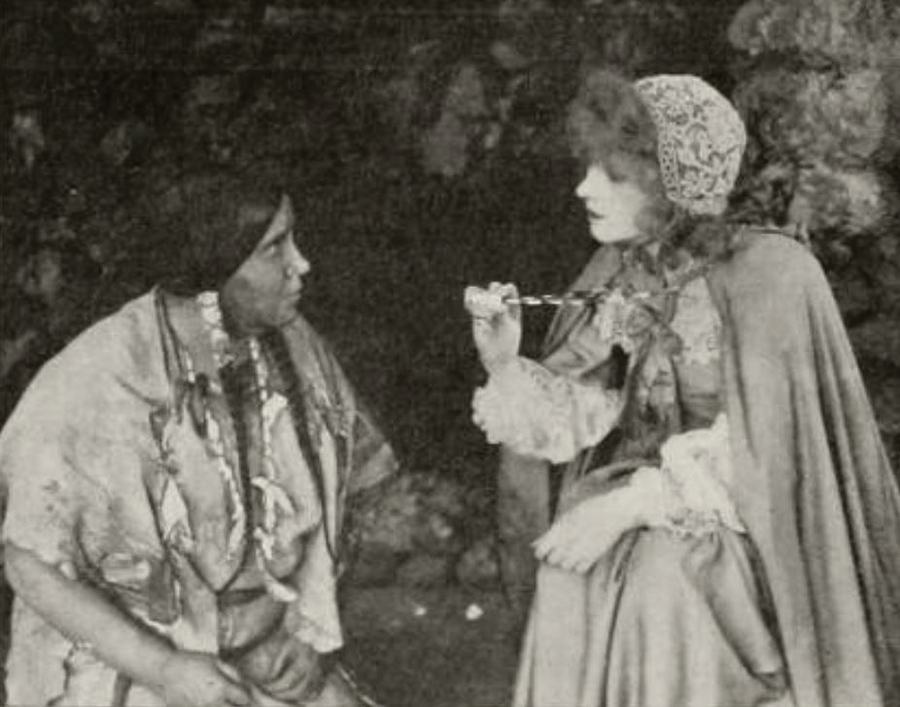
The film's exploration of themes is particularly rich, extending far beyond a simple recounting of historical events. At its core, Witchcraft is a searing indictment of mass hysteria. The “horrible delusion” mentioned in the plot summary is not merely a backdrop but an active, malevolent force that warps perception and justifies monstrous acts. It’s a chilling reminder of how easily fear can be weaponized, turning neighbor against neighbor, and how quickly reason can be abandoned in the grip of collective paranoia. The persecution of the vulnerable is another central tenet. Suzette and her mother, as Huguenot refugees, and Nokomis, as an Indigenous woman, are all outsiders, making them easy targets for a community seeking scapegoats for its anxieties and misfortunes. Their marginalization mirrors the real-life victims of the Salem Witch Trials, often women, the poor, or those who simply didn't conform. Struble's character, meanwhile, highlights the insidious power of greed and manipulation, demonstrating how personal ambition can exploit societal fears for selfish gain. His actions expose the dark underbelly of human nature, where the pursuit of power and wealth can eclipse all moral considerations. The conflict between superstition and reason is vividly portrayed, culminating in the Governor's eventual intervention, which serves as a beacon of enlightenment against the encroaching darkness of unfounded belief. And, of course, the enduring power of love and sacrifice is woven throughout, with Suzette's initial sacrifice for her mother and Wayne's eventual heroic efforts forming the emotional bedrock of the narrative.
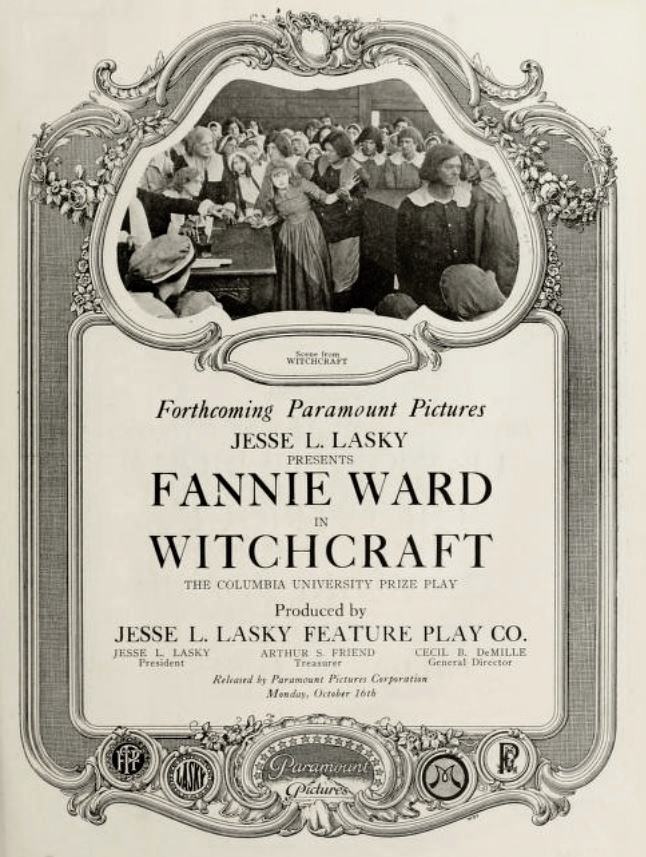
From a cinematic perspective, Witchcraft, as a 1916 production, offers a fascinating glimpse into the evolving techniques of early filmmaking. Silent cinema relied heavily on exaggerated gestures and highly expressive facial acting to convey emotion, and Fannie Ward, a veteran of the stage, brought a profound understanding of this craft to her role. Her ability to project anguish, resignation, and eventual hope through subtle shifts in expression and body language is truly remarkable, a testament to the power of non-verbal storytelling. The set design and costumes, while perhaps not striving for absolute historical accuracy by modern standards, effectively evoke the colonial period, transporting the audience to a world both familiar and alien. The use of lighting and photography, though rudimentary compared to later eras, would have been crucial in establishing mood, casting long, menacing shadows during scenes of accusation or illness, and bathing moments of tenderness in softer glows. The pacing of the narrative, guided by intertitles that provided dialogue and exposition, would have been carefully constructed to build suspense, culminating in the dramatic climax of Suzette's trial and rescue. These intertitles, often ornate and highly stylized, were not just functional but also contributed significantly to the film's aesthetic and narrative flow. One might compare the dramatic pacing and use of visual storytelling to other contemporary works, such as Rip Van Winkle, which also relied on iconic imagery and a strong narrative arc to captivate audiences.
The writers, Robert Ralston Reed and Margaret Turnbull, crafted a narrative that, while perhaps adhering to the dramatic conventions of the era, managed to inject a surprising amount of social commentary. Their script deftly uses the historical backdrop of the witch trials to explore timeless themes of injustice, the abuse of power, and the resilience of the human spirit. It’s a testament to their storytelling prowess that a film from over a century ago can still evoke such strong emotions and provoke thought on contemporary issues. The inclusion of Nokomis, the Indigenous character, while potentially problematic through a modern lens in terms of representation, also serves to highlight the plight of marginalized communities targeted by colonial fear and ignorance. She embodies a different form of wisdom, one that stands in stark contrast to the rigid, fear-driven doctrines of the Puritanical community. Her gift of the talisman, while supernatural, can also be interpreted as a symbol of hope and self-belief, a psychological anchor in a world turned upside down. This element of the mystical, yet grounded in emotional realism, is a delicate balance that the film largely manages to maintain.
The climax of the film is a tour de force of silent era drama. Struble, growing increasingly brutal towards his young wife, eventually succumbs to an illness. In a moment of sheer desperation and perhaps fueled by the talisman’s supposed power, Suzette, wishing him dead, utters the fateful words. His dying accusation, labeling her a witch, seals her fate in the eyes of the superstitious community. The ensuing trial, culminating in her sentencing to hang, is a harrowing sequence, designed to elicit maximum empathy for Suzette’s plight. It’s a powerful depiction of a legal system corrupted by fear and prejudice, where circumstantial evidence and popular opinion outweigh truth and justice. However, just as the noose threatens to tighten, Captain Wayne, having learned of an impending tribal mutiny from Nokomis and bravely quelling it with his men, makes a dramatic return. His heroic dash to the Governor, whose timely arrival finally puts an end to the “folly of witchcraft,” is the ultimate deus ex machina, a classic resolution for such period dramas. The Governor’s proclamation, ending the persecution, serves as a symbolic triumph of reason over superstition, a historical moment of enlightenment that brings the narrative to its just conclusion. The final scene, with Wayne taking Suzette into his arms, away from the old scenes of suffering to a new life full of hope, is a classic cinematic happy ending, providing a much-needed emotional release after the relentless tension and despair. It’s a narrative arc that, while perhaps predictable to modern audiences, would have been deeply satisfying for viewers of the time, offering a clear victory for virtue and love over villainy and injustice. This kind of redemptive conclusion, where the hero saves the day against overwhelming odds, is a recurring motif in many silent films, offering a sense of order restored, similar to the satisfying conclusions found in films like The Brazen Beauty, where moral rectitude ultimately prevails.
In conclusion, Witchcraft stands as more than just a historical curiosity. It’s a testament to the storytelling power of early cinema, a film that, despite its age and the limitations of its medium, manages to convey a powerful and enduring message. Fannie Ward's performance elevates the material, grounding the fantastical elements of the plot in a relatable human struggle. The film serves as a stark reminder of the dangers of unchecked fear and the importance of critical thought, lessons that remain as pertinent today as they were in 1692, or indeed, in 1916. For enthusiasts of silent cinema, it offers a compelling glimpse into the dramatic conventions and acting styles of the era, while for those interested in historical dramas, it provides a vivid, if fictionalized, portrayal of one of America's most chilling historical episodes. It's a journey into a past where shadows of suspicion loomed large, but where the light of courage and love ultimately found a way to break through.
IMDb 7.1
1928
Community
Log in to comment.