DbcultAccessing Vault...
7.1/10
Senior Film Conservator
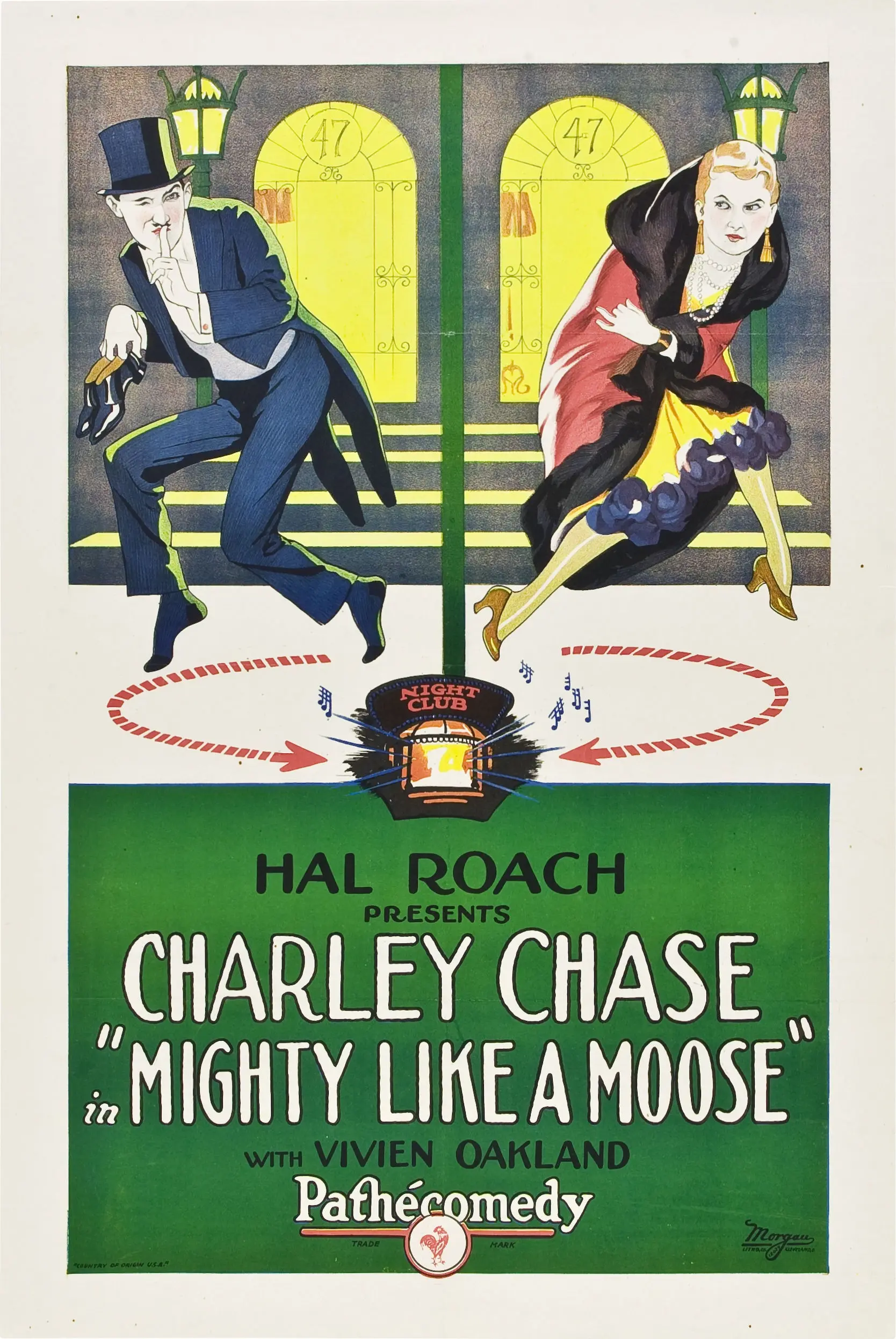
A definitive 7.1/10 rating for a film that redefined the boundaries of cult cinema. Mighty Like a Moose remains a cornerstone of transgressive art.
Short answer: Yes, it is a mandatory viewing for anyone who thinks 1920s humor is dated. It remains a sharp, cynical, and genuinely hilarious exploration of physical identity and marital deception.
This film is for fans of high-concept slapstick and those who enjoy seeing the 'comedy of errors' trope pushed to its absolute breaking point. It is not for viewers who require a grounded, realistic narrative or those who find the frantic energy of silent-era pacing overstimulating.
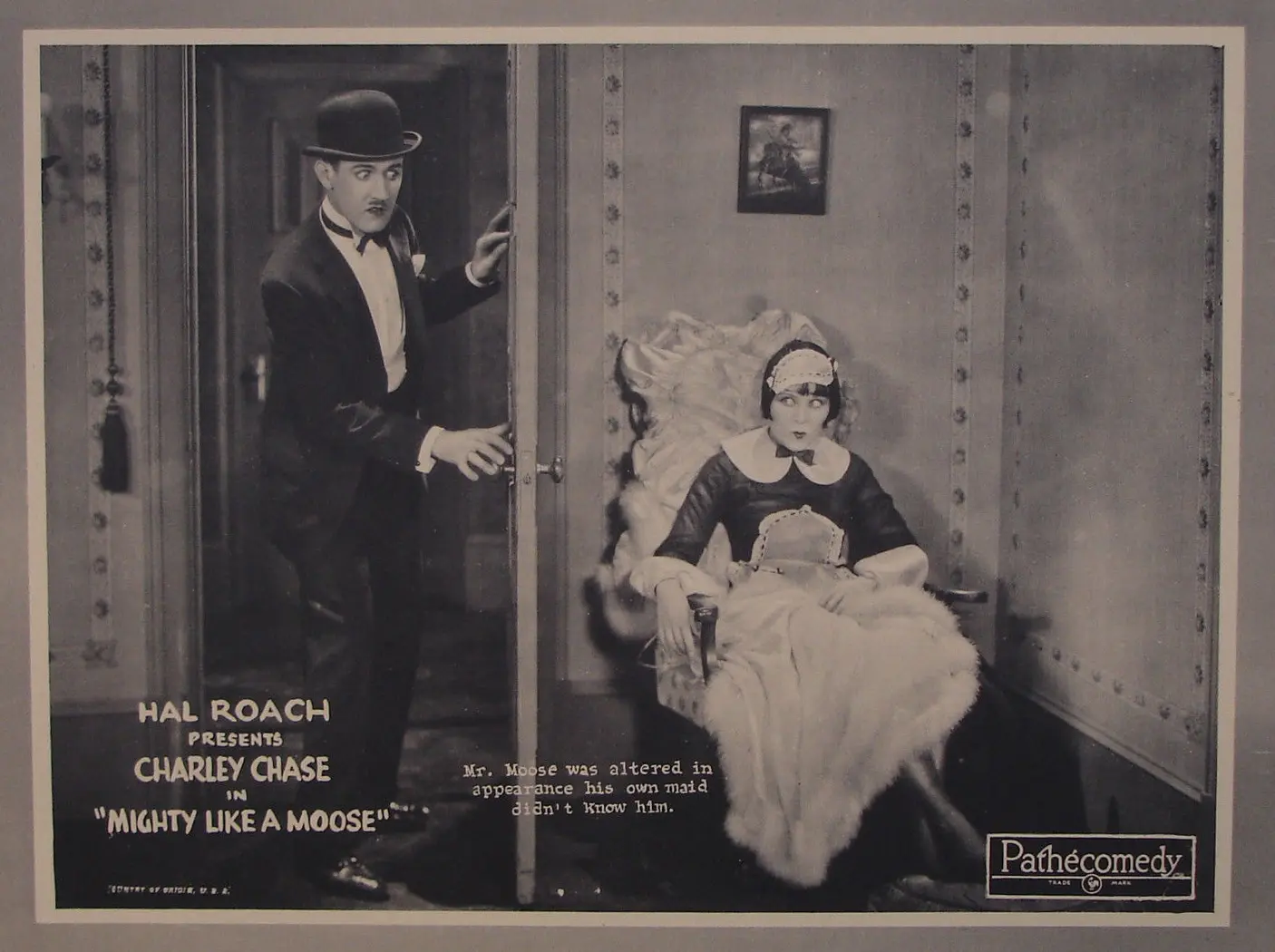
1) This film works because it leans entirely into the absurdity of its premise without pausing for breath or logic. The central irony—that two people would cheat on each other with each other—is a perfect comedic engine that generates friction in every single scene.
2) This film fails because the resolution feels somewhat truncated, relying on a chaotic chase that, while funny, lacks the sophisticated wit of the film's middle act. The logic of how they don't recognize each other's voices is conveniently ignored, even for a silent film.
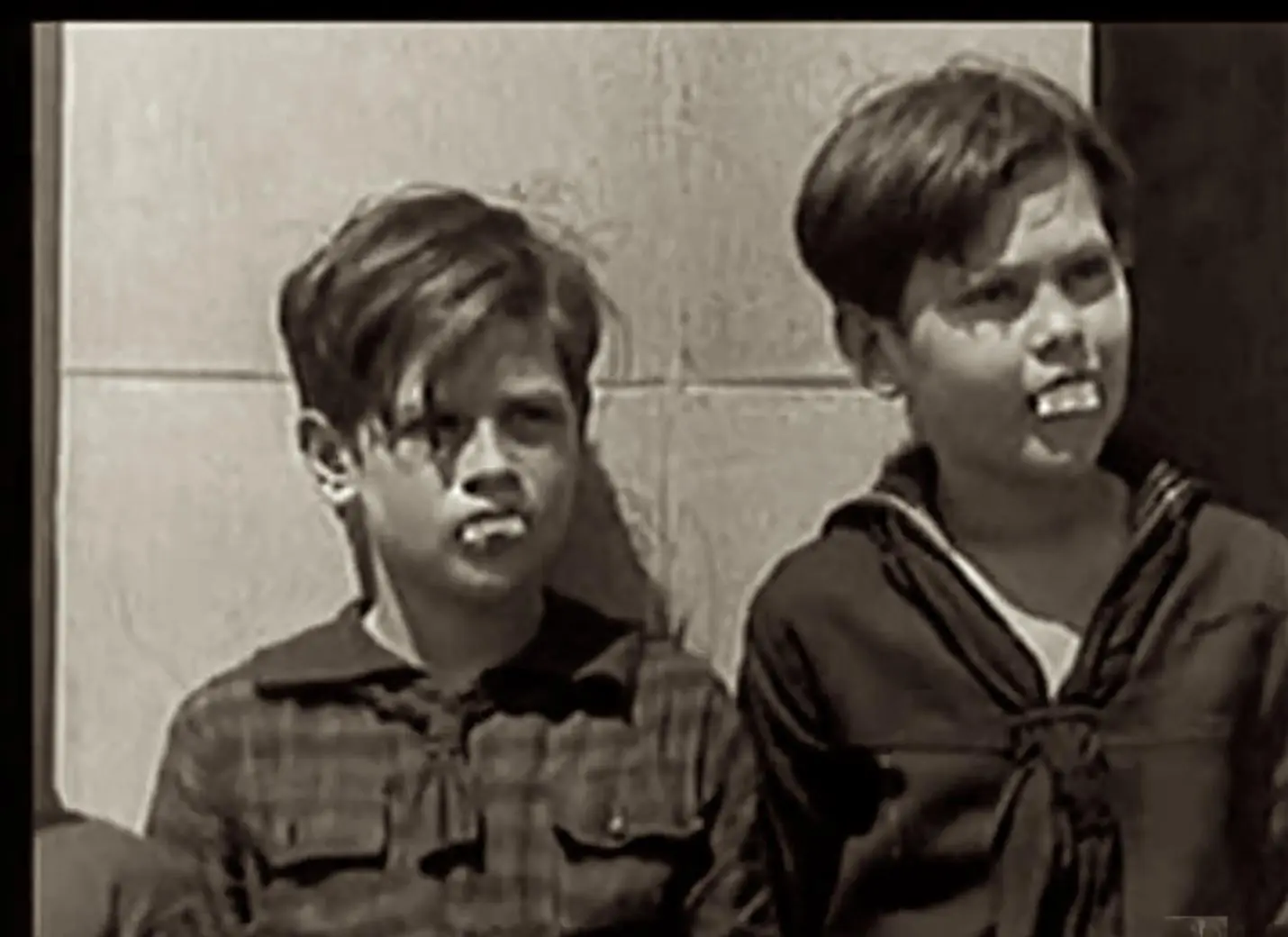
3) You should watch it if you want to see the exact moment when silent comedy transitioned from simple pratfalls to complex, character-driven satire. It’s a fascinating precursor to the screwball comedies of the 1930s.
Charley Chase is often the forgotten man of silent cinema, overshadowed by the holy trinity of Chaplin, Keaton, and Lloyd. However, Mighty Like a Moose proves that Chase possessed a unique, dapper brand of chaos that his contemporaries lacked. Unlike the tramp or the stone-faced stoic, Chase’s characters were often middle-class strivers caught in extraordinary social embarrassments. In this film, his performance is a dual-layered masterpiece. First, he plays the 'ugly' Mr. Moose with a pathetic, endearing clumsiness. After the surgery, he becomes a suave, self-satisfied flirt. The transition is seamless, and his physical commitment to the role—especially during the mirror sequence—is unparalleled.
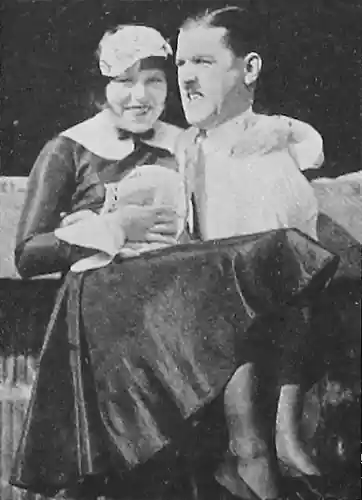
Consider the scene where Chase and Oakland meet at the party. The way Chase adjusts his now-straightened teeth with a flick of his tongue while trying to look 'cool' is a tiny, human detail that makes the comedy land. It’s not just a broad gag; it’s a character study in vanity. This isn't the melodrama you might find in Miss Nobody or the high-stakes tension of The Moonstone. This is pure, unadulterated situational wit.
While many films of the era, such as The Perfect Flapper, dealt with the changing social mores of the Roaring Twenties, Mighty Like a Moose takes a more cynical swipe at the culture of self-improvement. The idea that surgery could solve one's marital woes is presented with a wink and a nudge. The film suggests that even with 'perfect' faces, the characters are still the same deceptive, bored individuals they were before. It’s a surprisingly dark observation for a comedy short.
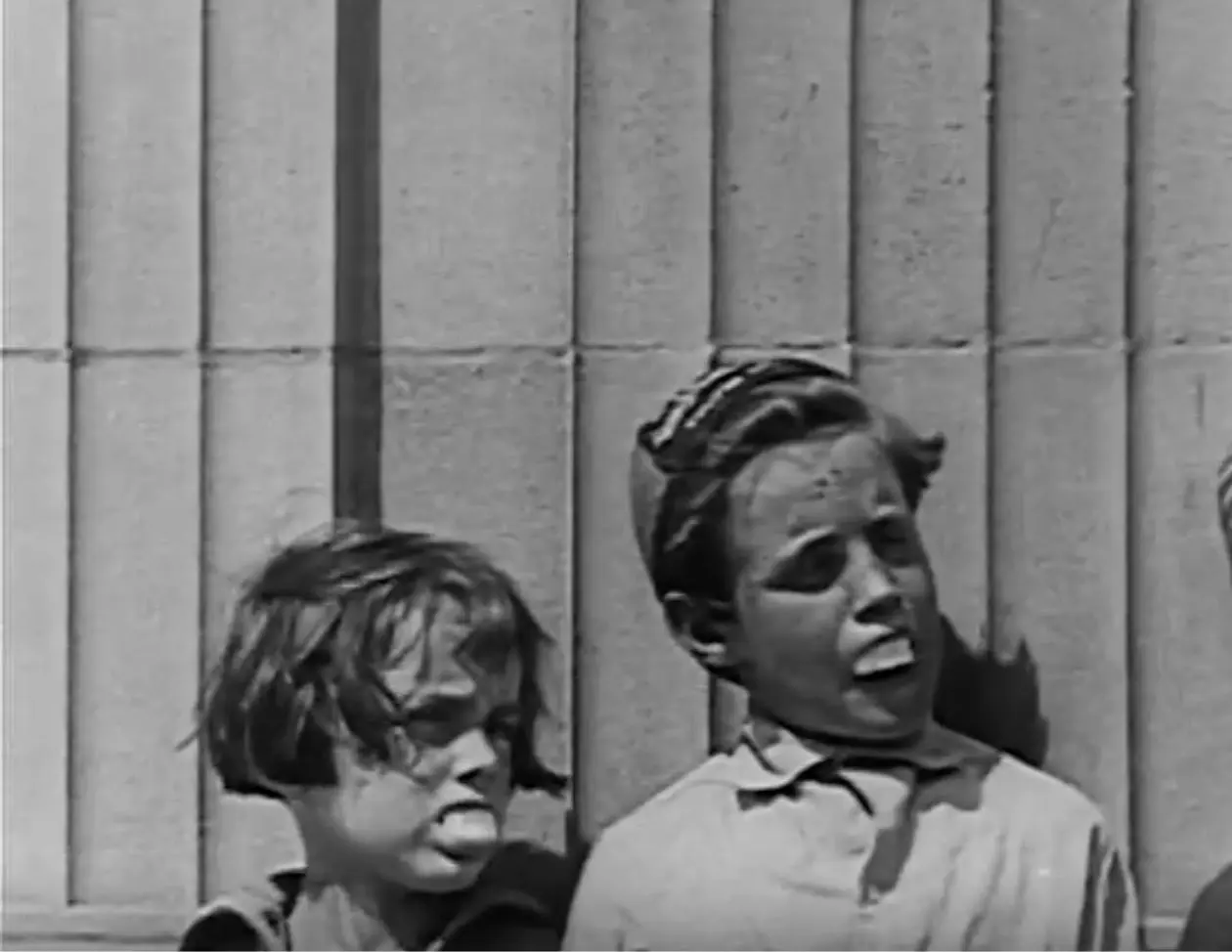
The pacing is relentless. Director Leo McCarey, who would go on to direct some of the greatest comedies in Hollywood history, ensures that the camera stays focused on the reactions. In silent film, the 'reaction' is the punchline. When Vivien Oakland’s character realizes her 'new' suitor is actually her husband, the sequence of facial expressions she goes through is a clinic in comedic timing. It rivals the social awkwardness seen in Scandal but with a much higher laugh-per-minute ratio.
For a 1926 production, the cinematography is remarkably fluid. The use of close-ups to emphasize the 'before and after' of the surgeries is handled with a punchy, editorial style. The film doesn't waste time on the medical process; it understands that the audience only cares about the result. This economy of storytelling is something modern directors could learn from. Every shot serves the gag. There is no filler.
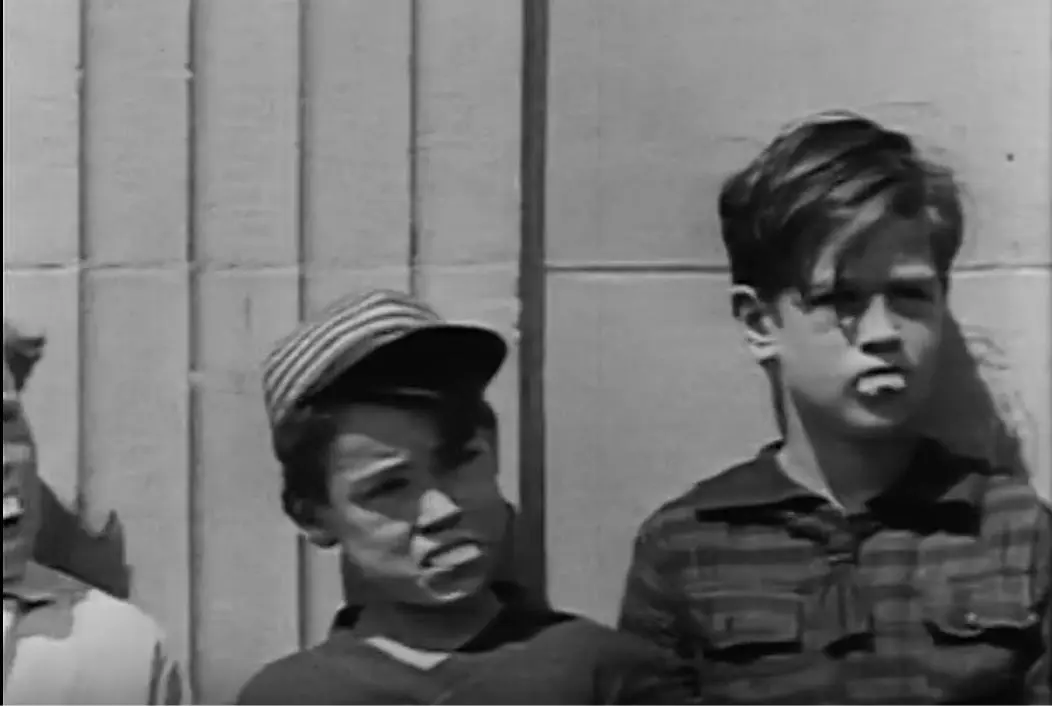
The set design of the Moose household vs. the party venue also highlights the film's themes. The home is cluttered and claustrophobic, reflecting their stagnant marriage. The party is open, bright, and dangerous—a playground for their new, artificial identities. It’s a visual language that echoes the sophistication of Lady Hamilton, albeit on a much smaller, comedic scale.
“Mighty Like a Moose is a rare example of a film that is both a product of its time and completely ahead of it. It mocks the very concept of the 'ideal' beauty that the 1920s film industry was built upon.”
Pros:
Cons:
The reality is that Mighty Like a Moose is a masterpiece of the short-form format. It works. But it’s flawed in its final moments. However, those flaws are easily forgiven when you consider the sheer audacity of the script. It’s a film that isn't afraid to make its protagonists look ridiculous, both before and after their transformations. If you want to understand why Charley Chase was a king of the Hal Roach lot, look no further. This is a five-star concept executed with four-star precision. It’s a riotous, cynical, and ultimately human look at the lengths we go to for a bit of excitement. Don't skip it.
IMDb 7.1
1927
Community
Log in to comment.