DbcultAccessing Vault...
Cult Review
Senior Film Conservator
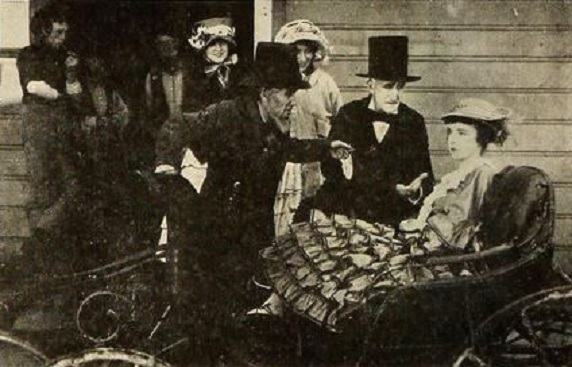
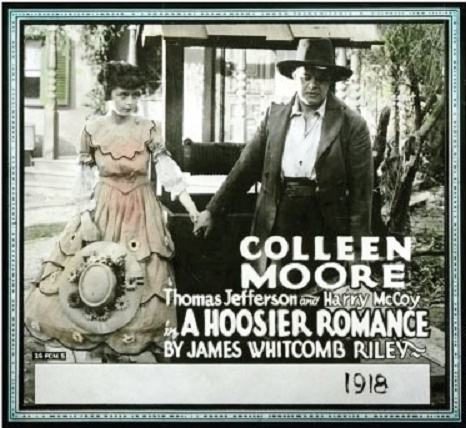
Stepping back into the nascent days of cinematic storytelling, one encounters a charming, if often understated, gem like A Hoosier Romance. This 1918 silent film, a delicate period piece, transports its audience to the heartland of America, where life's simple rhythms are frequently punctuated by the complexities of human desire and familial obligation. It’s a narrative that, while adhering to many of the melodramatic conventions of its era, still manages to resonate with a timeless appeal, largely thanks to its earnest portrayal of a young woman's fight for agency in a world determined to dictate her fate. For those accustomed to the rapid-fire narratives and intricate special effects of modern cinema, returning to a film of this vintage is akin to discovering a beautifully preserved antique – its value lying not in flashy novelty, but in its craftsmanship, its historical context, and the raw, unadulterated emotions it seeks to convey.
At the core of this bucolic drama is Patience Thompson, brought to vivid, expressive life by the luminous Colleen Moore. Moore, even in these early stages of her career, possesses an undeniable screen presence, her eyes and gestures communicating a depth of feeling that transcends the lack of spoken dialogue. Patience is not merely a damsel in distress; she is a young woman burdened by circumstances, yet endowed with an indomitable "singing soul." This evocative descriptor from the plot summary perfectly encapsulates her inner world – a spirit yearning for joy and self-expression, trapped within the confines of a harsh reality. Her father, portrayed with a villainous zeal by Edward Jobson, embodies the patriarchal tyranny that often served as a primary antagonist in silent-era narratives. His greed and cruelty are not subtle; they are painted in broad, unmistakable strokes, ensuring the audience's immediate sympathy for Patience. This stark dichotomy between the pure-hearted protagonist and her malevolent oppressor is a hallmark of the period, designed to elicit a visceral emotional response and clearly delineate the moral landscape.
Patience's daily existence is one of relentless drudgery, a life devoid of tenderness and affection, save for the nascent stirrings of romance with John, the hired hand. This relationship forms the emotional bedrock of the film, providing a beacon of hope against the encroaching darkness of her father's machinations. John, played by Billy Jacobs, represents the quintessential honest, hardworking suitor – a stark contrast to the impending, financially advantageous but emotionally bankrupt union her father envisions. The silent film medium, with its reliance on exaggerated expressions and physical acting, excels at depicting these fundamental human desires. The stolen glances, the hesitant touches, the unspoken promises – all are magnified, inviting the audience to lean in, to interpret, and to feel the burgeoning connection between the two young lovers.
The narrative tension escalates dramatically when John, in a bold display of his earnest intentions, asks for Patience’s hand in marriage. This act, a simple declaration of love and commitment, ignites a furious outburst from her father, whose primary concern is clearly not his daughter’s happiness but his own financial gain. The immediate discharge of John is a brutal assertion of power, a clear signal that Patience’s desires are secondary to her father’s avarice. This scene, undoubtedly played with intense visual drama, would have left contemporary audiences reeling, highlighting the precarious position of women in a society where their autonomy was frequently curtailed by male authority figures. It’s a theme that echoes through various silent dramas of the era, where protagonists often find themselves battling oppressive societal norms or individual tyrants, much like in the struggles depicted in films that explore the darker side of human control, though in a different context, such as The Devil's Daughter, which often explored moral dilemmas under duress, or even the more direct oppression seen in In the Power of Opium, albeit with very different stakes.
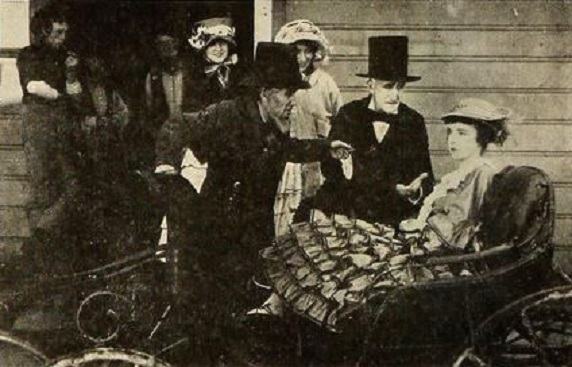
The introduction of the wealthy, aged widower as Patience’s suitor further solidifies the father’s cruel intentions. This forced courtship, a common trope in classic romance, serves to amplify Patience’s predicament. Her internal struggle – torn between filial duty and true love – forms the emotional core of the film’s middle act. Colleen Moore’s performance here would have been crucial, conveying the silent anguish, the desperate hope, and the resigned despair through subtle shifts in posture, the flicker of an eye, or the tremor of a hand. The audience is invited not just to witness her suffering, but to experience it vicariously, creating a powerful bond of empathy that transcends the passage of time and the limitations of the medium.
What elevates A Hoosier Romance beyond a simple tale of woe and triumph is the introduction of the kindly squire and his wife. These benevolent figures represent the redeeming power of community and human compassion, acting as a vital counterbalance to the father’s malevolence. Their decision to intervene, to orchestrate a plan for Patience and John, transforms the narrative from one of pure individual struggle to a collective effort to uphold justice and love. This element of communal support is a recurring motif in many enduring stories, highlighting the idea that true happiness often requires the aid and understanding of others. It's a comforting thought, a reassurance that even in the face of overwhelming odds, there are allies to be found, much like the unexpected assistance often found in the winding paths of narratives such as The Return of Mary, where external forces eventually align to aid the protagonist.
The elaborate deception they concoct – John hiding in the Thompson home, Patience’s feigned escape on horseback – is a masterstroke of silent film plotting. It combines elements of suspense, farce, and heartfelt romance, culminating in a deeply satisfying resolution. The scene where Patience pretends to flee, with the two older men frantically searching the fields, offers both comedic relief and heightened tension. The audience, privy to the secret, experiences a delightful anticipation, knowing that the "escape" is merely a prelude to the true union. This clever misdirection underscores the ingenuity of the screenwriters, Colin Campbell and James Whitcomb Riley, in crafting a narrative that, while predictable in its ultimate outcome, still manages to engage and entertain through its inventive execution.
The clandestine marriage itself is the emotional crescendo of the film. It's a moment of quiet rebellion, a triumph of authentic affection over imposed will. The symbolism is potent: while the symbols of patriarchal authority and avarice are distracted by a wild goose chase, true love finds its legitimate expression. This subversive act, sanctioned by the benevolent squire and his wife, is a powerful affirmation of individual liberty and the right to choose one's own destiny. It speaks to a universal yearning for freedom, a desire to break free from oppressive constraints, a narrative thread common in many silent films where personal freedom is paramount, much like the individual journeys towards self-determination depicted in films such as Beloved Jim, where characters often navigate personal struggles to achieve their desired outcomes.
The film, despite its age, deftly explores themes that remain remarkably pertinent. The conflict between love and money, the struggle for female autonomy, the role of community support, and the triumph of good over evil are all timeless human experiences. A Hoosier Romance serves as a poignant reminder that these fundamental human dramas have captivated audiences for generations, long before the advent of synchronized sound or color film. The simplicity of its storytelling, far from being a weakness, is its strength, allowing the raw emotions and universal themes to shine through with unadulterated clarity.
From a cinematic perspective, A Hoosier Romance offers a fascinating glimpse into the artistry of the silent era. The reliance on visual storytelling necessitated a particular kind of performance – one that communicated emotion through exaggerated facial expressions, sweeping gestures, and carefully choreographed movements. Actors like Colleen Moore were masters of this craft, able to convey complex inner states without uttering a single word. The cinematography, though perhaps rudimentary by today's standards, would have focused on clear compositions, effective use of close-ups for emotional emphasis, and establishing shots to ground the narrative in its rural Indiana setting. The interplay of light and shadow, essential for creating mood and atmosphere, would have been skillfully employed to enhance the dramatic impact of key scenes, from the gloomy interiors of the father's farm to the sun-drenched fields of Patience's escape.
Moreover, the absence of dialogue placed a greater emphasis on the musical score, which, though not part of the original film print, would have been performed live during screenings. This live accompaniment was integral to the audience's experience, guiding their emotional responses and amplifying the on-screen drama. Imagine a soaring, romantic melody accompanying Patience and John’s tender moments, or a tense, foreboding score underscoring the father’s rage. This symbiotic relationship between visual narrative and live music created a unique, immersive experience that is largely lost to modern audiences, yet remains a crucial aspect of understanding silent film as a total art form.
Ultimately, A Hoosier Romance is more than just a historical curiosity; it is a testament to the enduring power of storytelling and the universal appeal of love conquering adversity. It reminds us that even in an era of technological limitations, filmmakers were capable of crafting compelling narratives that resonated deeply with their audiences. The film's charm lies in its earnestness, its clear moral compass, and its unwavering belief in the triumph of the human spirit. It's a gentle, heartwarming tale that, for all its melodramatic flourishes, speaks to the fundamental human desire for happiness, connection, and the freedom to choose one's own path.
Watching A Hoosier Romance today is not just an exercise in historical appreciation; it's an opportunity to connect with a simpler, yet profoundly effective, form of cinematic art. It invites us to slow down, to engage our imaginations, and to appreciate the subtle nuances of performance and visual narrative. It stands as a charming example of how early cinema captured the hearts of millions, laying the groundwork for the complex, multifaceted medium we know today. Its legacy is not in grand spectacle, but in its quiet assertion that love, resilience, and community can indeed overcome even the most formidable obstacles, leaving an indelible mark on the landscape of early American filmmaking.
In an age where cinematic narratives often strive for gritty realism or fantastical escapism, there’s a distinct comfort in the straightforward heroism and clear-cut morality of films like A Hoosier Romance. It serves as a beautiful reminder of the foundational stories that built cinema, stories that, despite their age, continue to hold a mirror to our deepest hopes and fears. It's a delightful journey back to a time when a "singing soul" could truly find its harmony, even amidst the most discordant of circumstances. This film, with its sincere heart and its charmingly executed plot, truly captures a segment of Americana that is both nostalgic and enduringly relevant.
IMDb —
1919
Community
Log in to comment.