DbcultAccessing Vault...
Cult Review
Senior Film Conservator
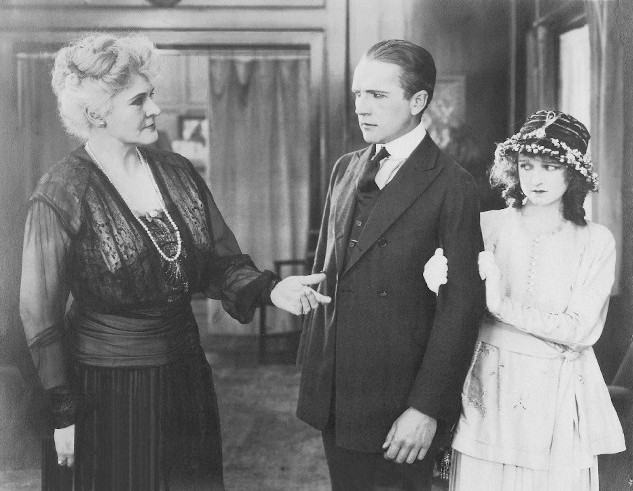
Stepping back into the cinematic landscape of 1917, one encounters a peculiar delight in films like 'A Kiss for Susie' (slug: a-kiss-for-susie). It’s a picture that, on the surface, might appear to be merely a saccharine romance, yet beneath its gentle exterior lies a surprisingly potent, albeit subtly delivered, critique of societal values and the often-illusory promise of wealth. This isn't just a quaint relic; it's a testament to the enduring power of narrative simplicity when imbued with genuine human emotion and a keen understanding of character. For a film produced over a century ago, its thematic resonance about the true measure of happiness still feels remarkably pertinent in our perpetually acquisitive world.
At the heart of this charming picture is Vivian Martin, who imbues the titular Susie with a winning blend of innocence, spirit, and an unexpected depth. Martin, a celebrated star of her time, possessed a natural screen presence that transcended the limitations of silent acting. Her Susie isn't a mere ingenue awaiting rescue; she's an active participant in her own destiny, particularly as the plot unfolds and her circumstances shift dramatically. There's a captivating authenticity to her performance, a quality that makes her struggles and eventual triumph feel earned. One can easily see why audiences were so drawn to her; her expressive eyes and subtle gestures convey a rich inner life that many silent performers struggled to achieve. She masterfully navigates Susie's journey from contented modesty to gilded unhappiness, making her eventual, radical solution not only believable but admirable. Her portrayal is a cornerstone of the film's success, anchoring its emotional core with grace and conviction.
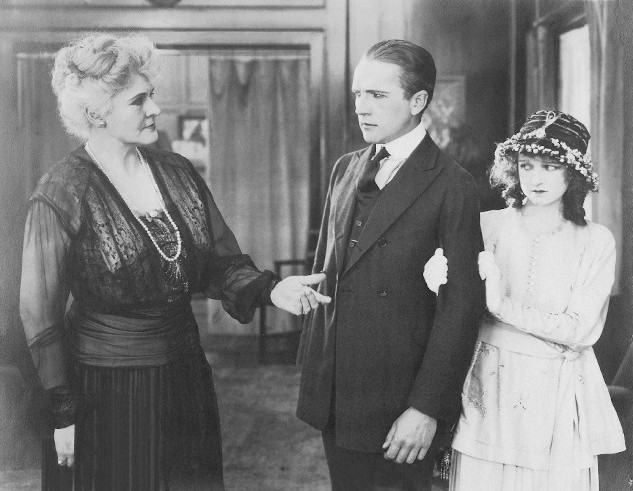
The narrative itself, penned by the collaborative talents of Paul West and Harvey F. Thew, is a delightful exploration of love’s capacity to transcend superficial boundaries. Here, we have Susie, the daughter of an honest, hardworking bricklayer, who captures the affections of a decidedly wealthy young man. What makes this romantic entanglement particularly engaging is the suitor's unconventional approach: he sheds his privileged identity to pose as a hod-carrier. This isn't just a plot device; it's a profound statement about seeking genuine connection, unmarred by the distorting lens of social standing. His mother, predictably, harbors aspirations of a grander union, with the elite playground of Newport as her imagined backdrop. Yet, his heart, untethered by such worldly concerns, beats solely for Susie. This 'simple but sweet' premise, as described in contemporary reviews, is precisely where its enduring charm lies. It’s a universal fantasy, perhaps, but one executed with such a light touch that it avoids becoming trite. The film argues, quite eloquently for its time, that true affection recognizes no class distinctions, a sentiment that resonates powerfully even today. This theme of social aspiration versus genuine love is a recurring motif in silent cinema, often explored with varying degrees of melodrama. One might draw a parallel to certain aspects of The Saleslady, where a working-class woman navigates the complexities of love and societal expectations, though 'A Kiss for Susie' approaches it with a more whimsical, romantic lens.
The plot takes a fascinating turn when Susie’s family unexpectedly inherits a substantial fortune, propelling them into a world of opulent quarters and elegant gowns. This is where the film truly begins to shed its purely romantic skin and delve into more philosophical territory. Susie, now ostensibly possessing everything society dictates one should desire, finds herself profoundly unhappy. The mere accumulation of dollars, far from bringing joy, becomes a source of disquietude. This segment of the film is a powerful, silent indictment of materialism, a theme that echoes in other films of the era, such as The Root of Evil, which more explicitly tackles the destructive nature of avarice. Susie's realization that wealth has stripped away her contentment, rather than enhanced it, is a pivotal moment. It's a bold assertion for a film of its time, challenging the prevailing notion that financial prosperity is synonymous with happiness. Her subsequent plan – to orchestrate a simulated financial disaster for her father, convincing him they've lost everything in the stock market – is brilliantly audacious. It’s a testament to her character’s agency and her unwavering commitment to the values she holds dear. This isn't a passive acceptance of fate; it's an active manipulation of circumstances to reclaim a life of authentic joy. It's an early example of a protagonist taking radical control of their narrative to align their external reality with their internal truth.
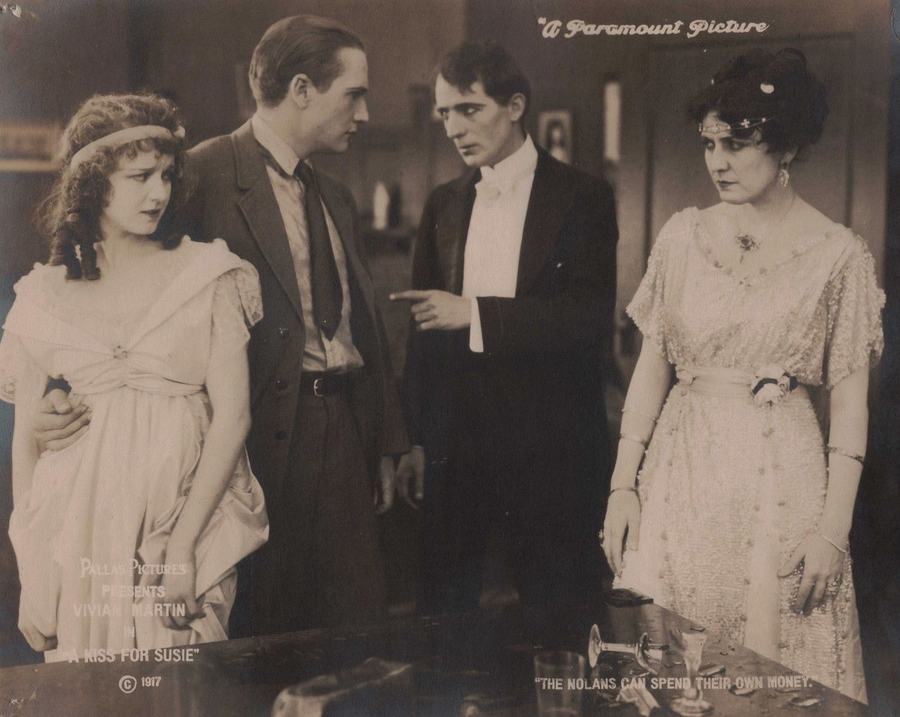
While Vivian Martin rightfully commands the screen, the supporting cast, including Elinor Hancock, Tom Forman, Jack Nelson, John Burton, Pauline Perry, and Chris Lynton, contribute effectively to the film's overall charm. Elinor Hancock, as the socially ambitious mother, provides a delightful counterpoint to the film’s romantic idealism, her exaggerated expressions of snobbery adding a touch of comedic relief and a clear antagonist for the audience to root against. Tom Forman, as the steadfast suitor, projects a sincerity and quiet determination that makes his devotion to Susie entirely believable. The collective performances, under the direction, ensure that the emotional beats land with impact, even in the absence of spoken dialogue. The film’s direction, while perhaps not groundbreaking in its technical innovation for 1917, is competent and allows the story to unfold with clarity and engaging rhythm. The use of intertitles is effective, providing necessary exposition without disrupting the visual flow, a common challenge for silent filmmakers. The pacing is well-judged, allowing moments of quiet reflection to breathe alongside the more dramatic plot developments. The film doesn't rely on overly theatrical gestures but rather on the subtle interplay of character emotions, a hallmark of more refined silent cinema.
What ultimately elevates 'A Kiss for Susie' beyond a mere historical curiosity is its unwavering commitment to its core message: that happiness is not a commodity to be purchased but a state of being cultivated through genuine connection and contentment with what truly matters. The film's 'ideal end,' with Susie marrying the lad who posed as the hod-carrier after shedding their unwanted wealth, is not just a romantic resolution; it's a reaffirmation of values. It suggests that true love flourishes best in an environment free from the pressures and distortions of excessive wealth. This narrative arc, where material loss leads to emotional gain, is a timeless one. It resonates with a profound truth that many of us grapple with in modern life, reminding us that sometimes, the greatest riches are intangible. This moral lesson, wrapped in a sweet romantic comedy, makes the film surprisingly potent. It’s a gentle reminder that sometimes, the simplest stories carry the most profound wisdom. In a cinematic era that often explored the grander, more dramatic conflicts of society, 'A Kiss for Susie' finds its strength in its quiet championing of humility and heart. It's a film that leaves you with a warm feeling, a smile, and perhaps a moment of introspection about what truly constitutes a rich life.
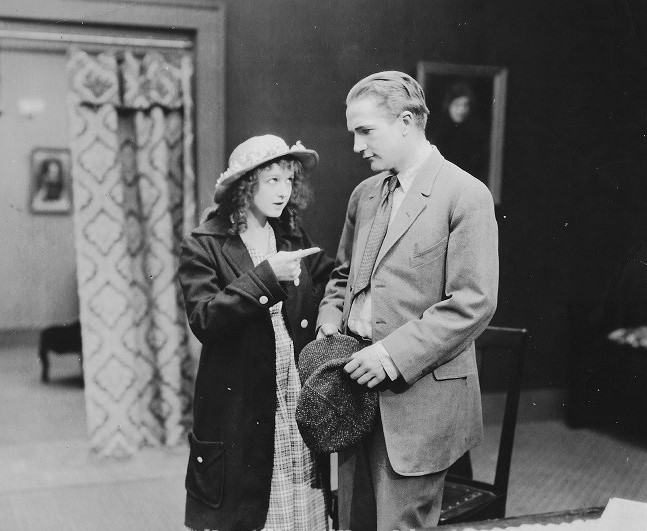
Examining 'A Kiss for Susie' within the broader context of 1917 cinema reveals its place as a charming, if not revolutionary, example of popular entertainment. While it might not possess the gritty realism of a Gatans barn or the epic scope of a A Mormon Maid, its strength lies in its unpretentious, heartfelt storytelling. It belongs to a lineage of films that aimed to uplift and entertain while subtly imparting moral lessons. The film avoids the darker, more complex psychological explorations found in some melodramas of the period, opting instead for a lighter, more optimistic tone. This doesn't diminish its value; rather, it highlights the diversity of cinematic output during the silent era. It's a film that understands its audience and delivers a comforting, affirming message. The chemistry between Vivian Martin and Tom Forman is palpable, making their eventual union feel like a deserved reward for their characters' integrity. The film doesn't delve into deep character flaws or societal malaise; it focuses on the purity of intent and the triumph of genuine emotion over superficiality. It’s a testament to the fact that even in an age of nascent cinematic language, filmmakers could craft narratives that resonated deeply with universal human experiences. The film's enduring appeal lies in its optimistic portrayal of human nature, its belief in the power of love, and its gentle critique of the allure of material possessions. It’s a delightful journey back to a time when cinematic storytelling was still finding its voice, but already knew how to speak to the heart. This picture, much like a well-preserved antique, offers a glimpse into the sensibilities of a bygone era, yet its core message feels as fresh and relevant as ever. It reminds us that sometimes, the most sophisticated stories are those that embrace simplicity, and the greatest riches are found not in what we accumulate, but in what we truly value.
In conclusion, 'A Kiss for Susie' is more than just a silent film; it's a quaint yet profound exploration of love, class, and the elusive nature of happiness. Vivian Martin's performance is a beacon of charm and sincerity, guiding the audience through Susie's journey with grace and conviction. The film's central conceit – the rich suitor in disguise, the inheritance that brings unhappiness, and the ingenious scheme to shed unwanted wealth – all contribute to a narrative that is both engaging and thought-provoking. It's a film that, despite its age, speaks volumes about the human condition, offering a gentle reminder that authentic joy often lies beyond the grasp of material desires. It’s a cinematic embrace, a warm and fuzzy feeling that lingers long after the final frame. For aficionados of silent cinema, or anyone seeking a story with heart and a timeless message, 'A Kiss for Susie' is a delightful discovery, a true gem from the early days of filmmaking that continues to shine brightly. Its themes are universal, its characters endearing, and its resolution deeply satisfying. This film stands as a charming example of how early cinema, even with its technical limitations, could craft narratives of enduring emotional power and subtle social commentary. It’s a kiss, indeed, not just for Susie, but for the enduring spirit of sincere storytelling.
IMDb 6.5
1929
Community
Log in to comment.