DbcultAccessing Vault...
5.3/10
Senior Film Conservator
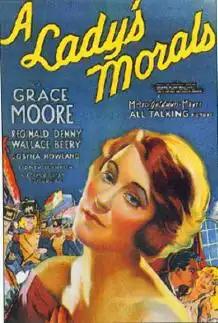
A definitive 5.3/10 rating for a film that redefined the boundaries of cult cinema. A Lady's Morals remains a cornerstone of transgressive art.
Alright, so, if you’re looking for something that moves fast or feels super modern, A Lady's Morals probably isn't it. But for folks who genuinely appreciate films from way back, especially those pre-Code musicals, there’s some real charm here. It’s definitely one for the classic movie enthusiasts, maybe those interested in operatic performances or the early days of Hollywood sound. Anyone else might find it a bit of a slog, honestly.
Grace Moore, she’s Jenny Lind, the famous singer. And boy, does she sing. The film really leans into her voice, and you get a lot of those grand, sweeping arias. It’s pretty much the whole point.
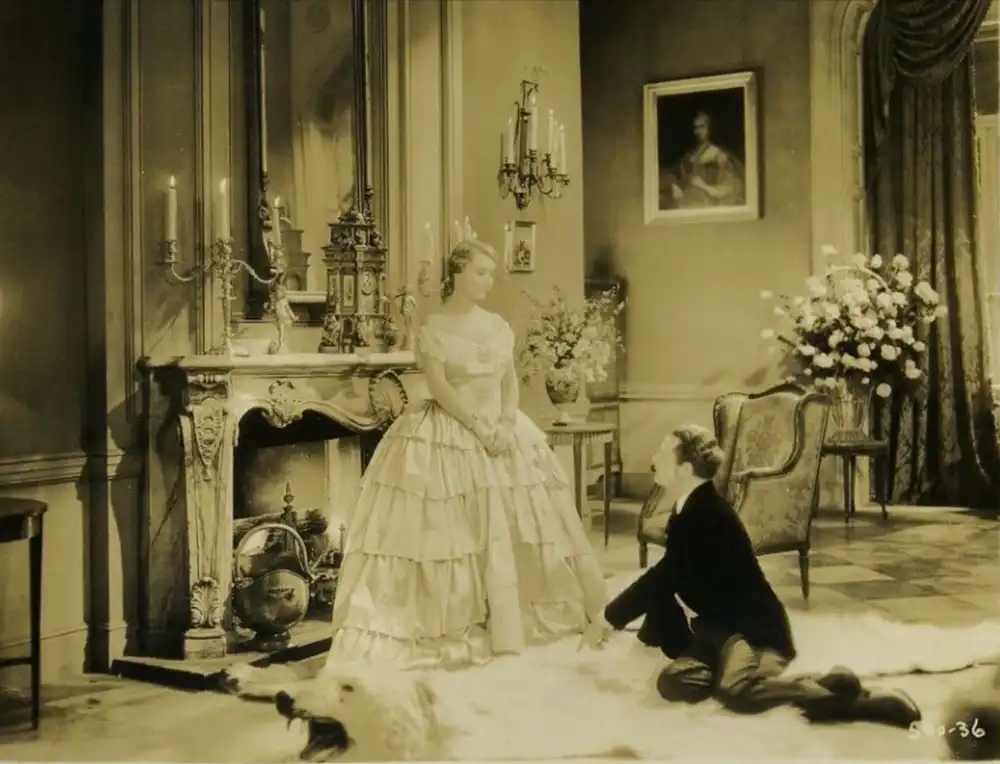
Wallace Beery plays P.T. Barnum. He’s got this gruff charm, very much the showman, but sometimes it feels like he’s just *performing* Barnum rather than becoming him. His big booming voice does fit the character, though.
The story itself, it’s about Lind coming to America and Barnum convincing her to tour. It gets into her personal life a bit, you know, the 'morals' part of the title. She’s portrayed as very principled, almost to a fault.
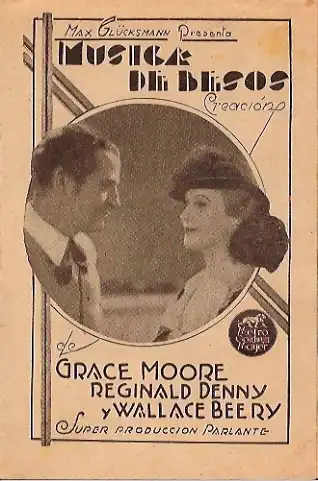
There’s a scene where Lind is performing, and the camera just lingers on her face. Then it cuts to the audience, and they’re all just… *awestruck*. It’s a bit much, maybe. You can almost feel the movie trying to convince you this moment matters, instead of just letting it happen.
And the singing. Oh, the singing! It’s beautiful, no doubt. But the way they stage some of these performances feels a little *static*. Like a filmed stage play, not a movie.
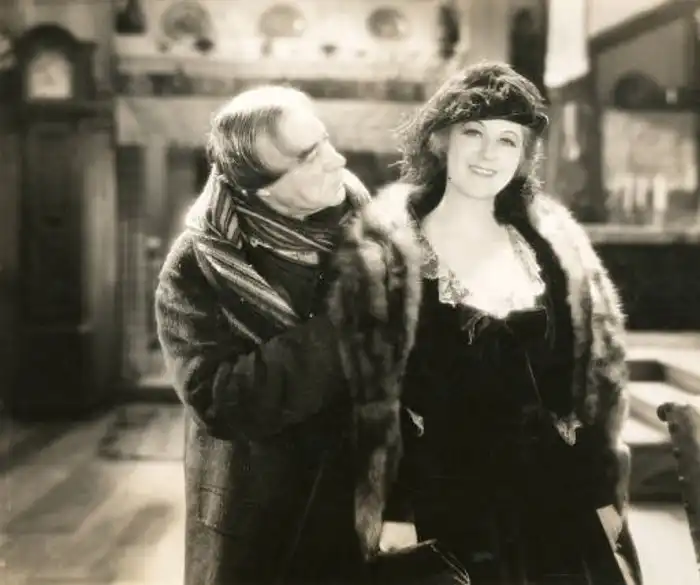
Barnum’s costumes are quite something. Lots of patterned waistcoats and a very impressive top hat. He always looks ready for a parade, even when he’s just sitting in an office. It’s a small detail, but it makes him pop.
The pacing, though. It’s a real commitment. Some scenes go on a bit, like they’re waiting for something to happen. The silences feel long, not in a *dramatic* way, but more like, did they forget to yell 'cut'?
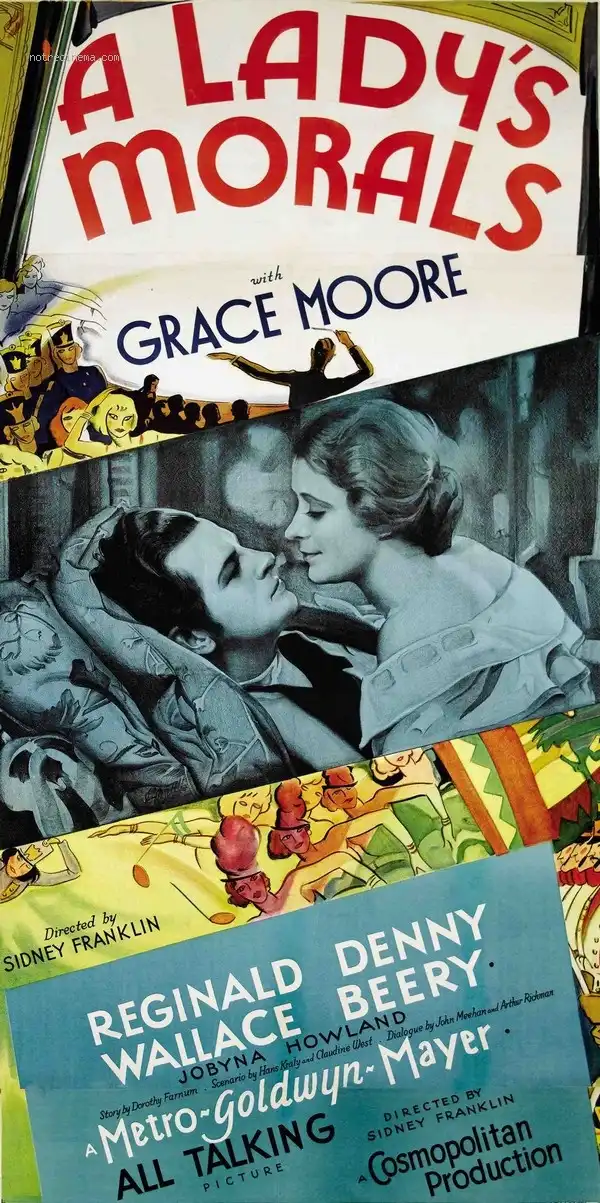
One moment that stuck with me: Barnum is trying to talk Lind into something, and he uses this oddly specific metaphor about a caged bird wanting to fly free. It feels very *of its time*, very melodramatic.
The sets are lavish. Lots of velvet, big chandeliers, grand staircases. You really get a sense of that old money, old world feel. It's all very *opulent*.
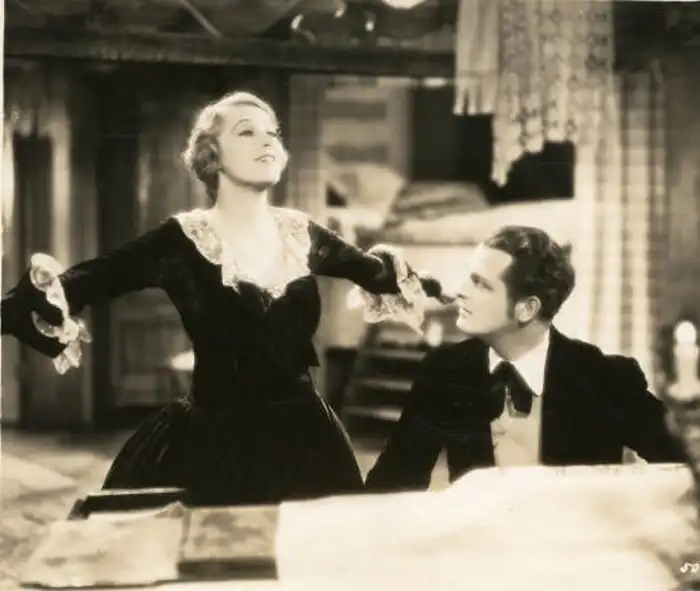
But the 'morals' bit feels a little heavy-handed. Lind is constantly faced with choices between her art, her principles, and, well, love. It’s all very neat and tidy, with clear good and bad choices. Not a lot of grey area.
Wallace Beery’s performance, while generally good, has this odd habit where he sometimes mumbles. You have to really listen to catch everything he’s saying. It adds a bit of realism, but also makes you lean in.
And there’s this one reaction shot of a minor character, maybe a servant, when Lind hits a particularly high note. It lingers for just a second too long, and you wonder what the director was going for there. Was it supposed to be funny? Or just extra emphasis?
The film doesn't shy away from showing Lind's inner turmoil, even if it's mostly conveyed through her singing. Her voice really does carry a lot of the emotional weight, more than some of the dialogue.
It’s an interesting look at celebrity and ambition, especially for that period. Barnum, always the entrepreneur, seeing the potential, and Lind, the artist, struggling with the spectacle. That dynamic is probably the strongest part. It’s not Crash in its subtlety, that’s for sure.
Is it a perfect movie? No way. But for a specific kind of viewer, there are these little glimpses of what made classic Hollywood special. You just have to be willing to sit with it, and let it unfold.
IMDb —
1931
Community
Log in to comment.