DbcultAccessing Vault...
Cult Review
Senior Film Conservator
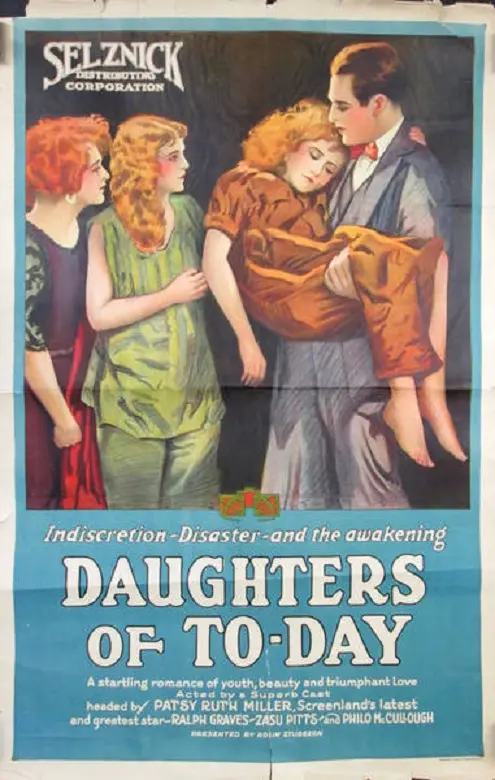
Stepping into the cinematic world of Daughters of Today is akin to opening a time capsule from the mid-1920s, a period of seismic societal shifts and burgeoning modernism. This film, directed with a keen eye for both melodrama and social commentary, plunges us into an era grappling with evolving morals, the allure of urban life, and the perennial clash between innocence and experience. It's a narrative that, despite its silent film origins, speaks volumes about the enduring human condition, particularly the vulnerabilities and resilience of young women navigating a world in flux. The story, at its core, is a cautionary tale, yet it manages to transcend simple morality plays, offering a nuanced look at the pressures and temptations that awaited those who dared to step beyond conventional boundaries.
Marjorie Bonner takes on the pivotal role of Mabel Vandergrift, a character who embodies the archetypal 'country girl in the big city' trope, but with a depth that elevates her beyond caricature. Her initial portrayal is one of wide-eyed naiveté, a fresh face unblemished by the sophisticated cynicism of metropolitan life. As Mabel transitions from the serene, predictable rhythms of her rural upbringing to the exhilarating, often disorienting, pulse of an upscale urban college, Bonner subtly conveys the character's internal struggle. The city, with its glittering promises of freedom and excitement, acts as a powerful magnet, drawing Mabel into its orbit. However, this magnetic pull comes with its own set of dangers, symbolized by the 'fast crowd' she soon falls in with. This group, characterized by its flapper sensibilities and a penchant for illicit thrills, represents the very vanguard of the 'new morality' that so fascinated and scandalized contemporary audiences. The film doesn't explicitly condemn these youthful transgressions but rather explores their potential consequences with a dramatic intensity that must have resonated deeply with its original viewers.
The film's exploration of moral ambiguity is particularly compelling. Mabel's enrollment in an upscale college serves as her gateway to this new world, one where the lines between right and wrong appear far more blurred than in her sheltered past. Her association with the 'fast crowd' is depicted not merely as a descent into depravity, but as a natural, almost inevitable, consequence of her newfound independence and exposure to different social strata. It's a commentary on the intoxicating allure of peer pressure and the desire to belong, particularly for a young woman eager to shed the vestiges of her provincial past. One could draw parallels here to the cautionary elements found in works like The Picture of Dorian Gray, albeit without the supernatural undertones, where the corruption of innocence is a central theme, driven by external influences and personal choices. The film highlights how easily a young woman, even one with a strong moral compass, can be swept up in a tide of behaviors that, while seemingly harmless at first, can lead to dire repercussions.
The fateful party scene is where the narrative truly pivots. A young man, depicted as a quintessential cad of the era, singles out Mabel for his 'conquest.' This moment is crucial, showcasing Mabel's strength and agency despite her seemingly vulnerable position. She fends him off, a testament to her inherent resilience and refusal to be a passive victim. However, the subsequent discovery of his death and Mabel's implication in the murder thrusts the film into a thrilling whodunit, transforming a social drama into a gripping crime mystery. The abrupt shift in tone, from a character study of urban assimilation to a suspenseful legal battle, keeps the audience engaged, constantly questioning Mabel's guilt or innocence. The film expertly uses this dramatic turn to explore themes of wrongful accusation and the precariousness of justice, especially for those perceived as 'outsiders' or morally compromised.
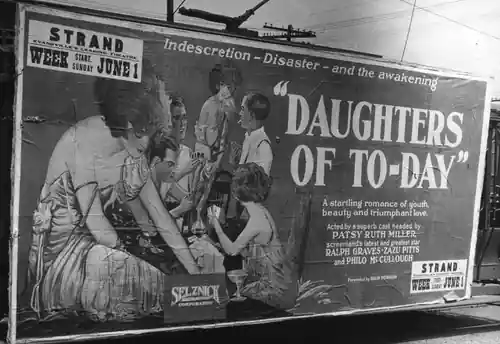
Beyond Bonner's central performance, the ensemble cast contributes significantly to the film's texture. Zasu Pitts, renowned for her unique comedic timing and distinctive persona, takes on a role here that likely provided a counterpoint to the more dramatic elements. While details of her specific character are not extensively documented, her presence alone suggests a certain lightheartedness or perhaps a grounding realism amidst the escalating tension. Her ability to convey complex emotions with subtle gestures and expressions would have been invaluable in the silent era, making her a formidable presence even in supporting capacities. Truman Van Dyke, as Mabel's steadfast boyfriend from back home, embodies the unwavering moral compass of the film. His journey to the city, driven by an unshakeable belief in Mabel's innocence, introduces a heroic element, transforming the narrative into a quest for truth and justice. His character represents the enduring values of loyalty and love, a stark contrast to the fleeting, superficial relationships often found in the urban milieu.
The supporting players, including Fontaine La Rue, George Nichols, Philo McCullough, Phillips Smalley, and Gertrude Claire, each contribute to the rich tapestry of early 20th-century urban society. Their performances, even in smaller roles, would have been crucial in establishing the social dynamics, the class distinctions, and the moral landscape of the film's setting. The effectiveness of a silent film often hinged on the ability of its entire cast to convey character and emotion non-verbally, and Daughters of Today appears to have benefited from a strong collective effort. The meticulous attention to period detail, from costuming to set design, further immerses the viewer in this bygone era, making the social commentary all the more potent.
The director, likely working from Lucien Hubbard's screenplay, demonstrates a nuanced understanding of pacing, building suspense gradually before unleashing the full force of the murder mystery. The early scenes establish Mabel's character and her environment, allowing the audience to empathize with her before she is plunged into crisis. This careful character development ensures that when the murder accusation arises, the stakes feel genuinely high. The visual storytelling, characteristic of the silent era, would have relied heavily on expressive acting, dramatic intertitles, and carefully composed shots to convey emotion and advance the plot. One can imagine the director employing classic silent film techniques to heighten tension during the party scene and subsequent investigation, using shadow play and dramatic close-ups to emphasize the gravity of Mabel's predicament. This approach to narrative construction, building from character study to thrilling climax, is a hallmark of effective storytelling, regardless of the era.
The film's resolution, with Mabel's boyfriend taking on the role of amateur detective, adds another layer of intrigue. This shift from a domestic drama to a detective story allows for dynamic sequences of investigation and confrontation. It speaks to a common trope in early cinema, where individual heroism is often the catalyst for justice. The pursuit of the 'real killer' would have provided ample opportunity for thrilling chases, dramatic reveals, and intense interrogations, all designed to keep the audience on the edge of their seats. This narrative structure, where the hero must uncover the truth against seemingly insurmountable odds, is a timeless appeal, seen in countless films then and now, from the adventurous spirit of Cameo Kirby to the more grounded heroism of a loyal partner.
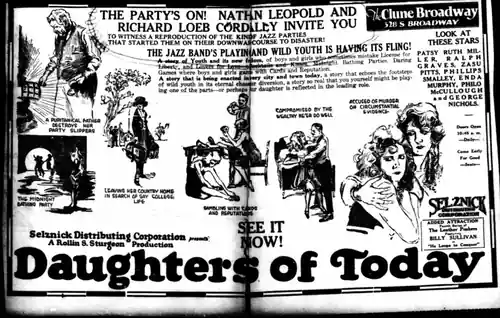
At its heart, Daughters of Today grapples with themes that remain remarkably pertinent. The tension between rural innocence and urban sophistication, the perils of social assimilation, and the fragility of reputation in the face of scandal are all central to its narrative. It's a film that asks profound questions about identity, morality, and the consequences of one's choices, particularly for young women navigating a rapidly changing world. The 'daughters of today' in the title are not just characters in a story; they are emblems of a generation wrestling with new freedoms and new responsibilities. The film offers a fascinating sociological snapshot of the 1920s, a decade often romanticized for its jazz and flappers, but also one fraught with moral anxieties and social upheaval. Much like John Barleycorn, which explores the destructive allure of alcohol, Daughters of Today delves into the seductive yet dangerous aspects of urban liberation, presenting a nuanced view of its impact on individual lives.
The film also subtly critiques societal judgments, particularly how quickly a young woman's character can be impugned based on her associations or perceived transgressions. Mabel's wrongful accusation highlights the double standards and prejudices that often plagued women in society, especially those who dared to step outside prescribed roles. Her struggle for vindication becomes a broader metaphor for the fight against injustice and the quest for truth. This thematic depth elevates Daughters of Today beyond mere entertainment, positioning it as a significant cultural artifact that reflects the anxieties and aspirations of its time. The enduring power of such narratives lies in their ability to mirror universal human experiences, making them resonate across generations. Even without spoken dialogue, the film's emotional impact would have been considerable, relying on the expressive power of its actors and the universality of its themes.
For modern audiences, films like Daughters of Today offer invaluable insights into the origins of cinematic storytelling and the social history of the early 20th century. Watching it today, one can appreciate the artistry of silent film, the skill of actors who communicated solely through gesture and expression, and the ingenuity of directors who crafted compelling narratives without the benefit of synchronized sound. It's a reminder that powerful stories don't always need elaborate special effects or complex dialogue to leave a lasting impression. The film's ability to blend social commentary with a thrilling murder mystery showcases the versatility of early cinema and its capacity to engage audiences on multiple levels. It stands as a testament to the foundational principles of dramatic storytelling that continue to influence filmmaking today.
The enduring appeal of a film like Daughters of Today lies not just in its historical value, but in its timeless narrative. The struggle of a young person finding their way in a complex world, the dangers of temptation, the pain of false accusation, and the unwavering power of love and loyalty are themes that transcend any specific era. It's a film that, if rediscovered and restored, could offer a fresh perspective on the 'Roaring Twenties' and its often-overlooked darker undercurrents. Its exploration of urban peril and the loss of innocence continues to be a fertile ground for cinematic narratives, making this silent gem a fascinating precursor to countless films that followed in its thematic footsteps. Its intricate plot and the compelling performances by its cast, particularly Marjorie Bonner and Truman Van Dyke, ensure that its story, even without spoken words, resonates with an emotional truth that is universally understood. It’s a compelling piece of cinematic history, deserving of recognition for its bold themes and engaging execution.

IMDb 7
1925
Community
Log in to comment.