DbcultAccessing Vault...
Cult Review
Senior Film Conservator
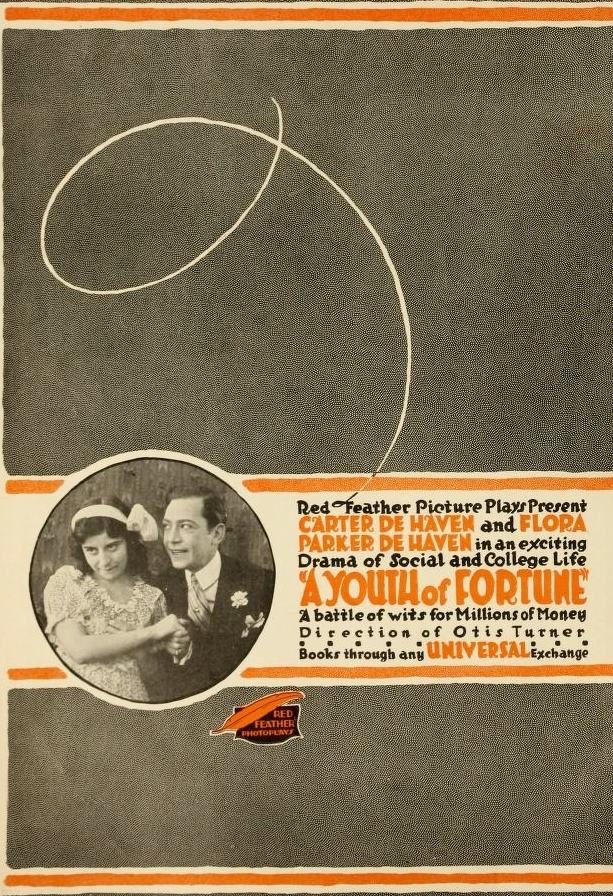
In the pantheon of early silent cinema, few films capture the transition from Victorian sentimentality to the cynical pragmatism of the early 20th century as effectively as Get the Boy (1916). Directed by the collaborative efforts of Ford Beebe and Otis Turner, this film serves as a scathing indictment of the nuclear family, reimagined as a corporate entity where affection is secondary to assets. The narrative, while ostensibly a comedy of errors, delves into the darker recesses of socioeconomic desperation and the commodification of childhood. It stands in stark contrast to the more melodramatic offerings of its time, such as the emotive weight found in La signora delle camelie, opting instead for a rapid-fire picaresque structure that keeps the audience in a state of breathless amusement.
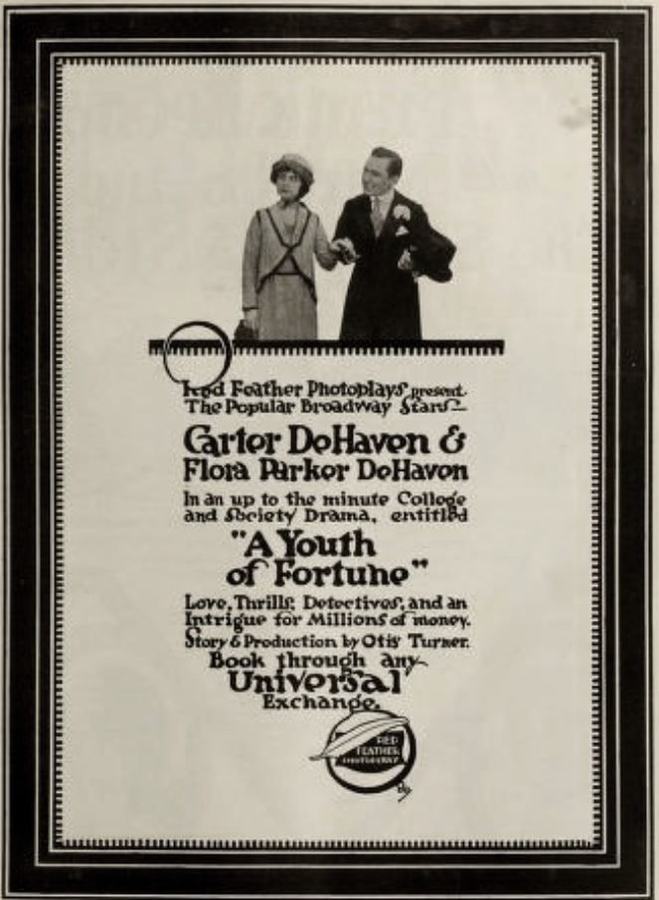
The film stars the real-life husband-and-wife duo Carter DeHaven and Flora Parker DeHaven, whose onscreen chemistry provides a necessary anchor for the film's more outlandish plot points. Carter DeHaven portrays Willie O’Donovan with a nuanced blend of vulnerability and burgeoning wit, a performance that elevates the character from a mere pawn to a proactive agent of his own destiny. Unlike the spiritual earnestness seen in I Believe, 'Get the Boy' is rooted firmly in the material world, where the pursuit of a grandfather’s millions dictates the moral compass of its protagonists.
The opening act of the film is a masterclass in establishing character through conflict. The O’Donovan household is not a sanctuary but a battlefield. Mr. O’Donovan is a man consumed by the volatility of his business ventures, while Mrs. O’Donovan is an 'enthusiastic aspirant for social recognition.' Their son, Willie, is the collateral damage of their mutual narcissism. When the grandfather, Cormack, enters this 'domestic row,' he acts as the voice of reason, though his eventual will suggests a more mischievous streak. This setup invites comparison to the grander social tapestries of The Pageant of San Francisco, yet it remains intensely claustrophobic in its focus on the O’Donovan unit.
The death of the grandfather in Baden Baden serves as the narrative’s inciting incident, introducing a legal clause that would make even the most seasoned probate attorney wince. The stipulation that Willie’s fortune be managed by whoever he resides with on his eighteenth birthday is a brilliant bit of writing by Beebe and Turner. It immediately shifts the film’s tone from a coming-of-age story to a predatory chase. The parents, who were previously eager to divorce and distance themselves from Willie, are suddenly galvanized by the prospect of a pecuniary windfall. This sudden pivot highlights the transactional nature of their affection, a theme that resonates with the moral complexities explored in The Golden Chance.
As Willie flees the confines of his boarding school—where he was already suffering under the tyranny of the bully Peters—the film enters its most kinetic phase. The introduction of the detectives, Clews and Ketchum, provides the slapstick engine that drives the second act. These characters are archetypes of incompetence, representing the futility of authority in the face of youthful ingenuity. The sequence where Willie convinces Clews that he is not actually Willie is a testament to Carter DeHaven’s comedic timing. The resulting 'kidnapping' of the wrong boy is a classic trope of the era, yet here it feels infused with a particular brand of cynicism regarding the parents' desperation.
The rivalry between the two detectives mirrors the rivalry between the parents, creating a layered narrative of pursuit. While films like The Gray Mask or The Woman of Mystery utilize mystery and suspense to drive their plots, 'Get the Boy' uses these elements for pure comedic friction. The chase through the countryside, the involvement of a village constable, and the constant shifting of allegiances create a sense of manic energy that is hallmark of early 20th-century farce.
One of the film's most visually striking and narratively significant sequences involves Willie’s encounter with a gang of hobos. After escaping a train, he is stripped of his clothes and money, forced to navigate the landscape draped in nothing but a burlap sack. This moment of total vulnerability is both hilarious and deeply symbolic. Willie is literally reduced to a blank slate, a figure without social standing or identity, yet he continues to outpace his pursuers. This 'sack' sequence serves as a physical manifestation of his parents' neglect; they have stripped him of his humanity, viewing him only as a vessel for his grandfather's wealth.
This descent into temporary poverty offers a brief, almost transcendental break from the film's focus on high-society machinations. It reminds the viewer of the precariousness of status, a theme also touched upon in Children of Eve. Willie’s return to civilization in a gardener’s suit further emphasizes the fluid nature of identity in this film. He is a chameleon, adapting to his surroundings to survive the predatory instincts of his own progenitors. The gardener’s cottage serves as a sanctuary, a place of humble labor that stands in contrast to the idle greed of the O’Donovan estate.
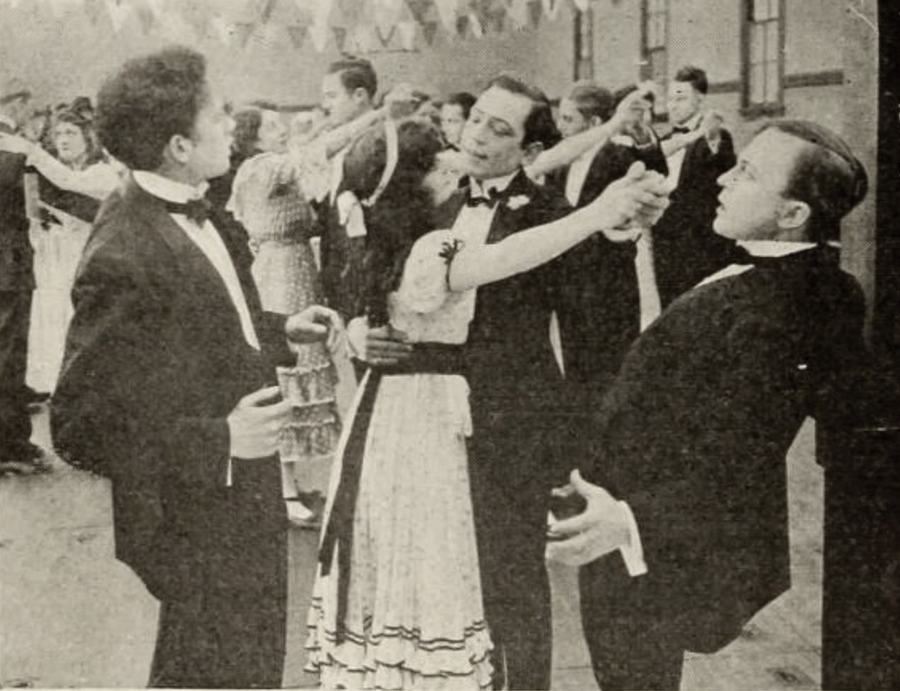
The climax in the attorney’s office is a masterful subversion of expectations. Throughout the film, the audience is led to believe that Willie must choose between his mother or his father. The binary choice is a trap, one that would lead to his inevitable exploitation. However, the introduction of Mary and her mother provides a third path. Mary, the 'pretty country girl' initially introduced as a peripheral love interest, becomes the key to Willie’s liberation. By marrying Mary just before his eighteenth birthday, Willie effectively chooses his own 'custodian,' thereby retaining control of his fortune and his life.
The parents’ reaction—indignation followed by a swift, albeit hollow, reconciliation—is the film's final jab at the bourgeoisie. They 'decide to forget the divorce' not because of a rekindled flame, but because the source of their conflict—the boy's fortune—is now beyond their reach. The resolution is happy, but it is a cynical happiness. Willie and Mary’s departure for Europe on a honeymoon is a literal and figurative escape from the toxic environment of their upbringing. This romantic escape is reminiscent of the themes in The Pines of Lorey, though executed with a much lighter, more satirical touch.
From a technical standpoint, 'Get the Boy' demonstrates the growing sophistication of silent film editing and cinematography. The cross-cutting between the rival detectives and Willie’s various escapes creates a rhythmic tension that was quite advanced for 1916. The use of location shooting in the rural 'Mary’s home' sequences adds a layer of authenticity that balances the theatricality of the office and dormitory scenes. While it may not possess the sheer visual grandeur of The White Sister, its visual storytelling is crisp and efficient.
The film also benefits from a strong supporting cast, including Jack Hoxie and Maude George, who fill the world with vivid, albeit brief, performances. The writing by Ford Beebe and Otis Turner is remarkably tight, avoiding the unnecessary diversions that plague many other features of the mid-1910s like The Man from Oregon. Every scene serves the central premise of the 'chase,' and every character, no matter how small, contributes to the overarching critique of avarice.
Ultimately, Get the Boy is a film that deserves a prominent place in the discussion of early American comedy. It bypasses the moralizing common in films like Race Suicide or Volunteer Organist, opting instead for a sharp-witted look at the absurdity of legal structures and familial bonds. It is a film about the power of the marginalized—the child, the country girl—to outwit the powerful.
Whether it is the comedic brilliance of the 'detective pitted against detective' trope, or the more subtle commentary on social climbing, 'Get the Boy' remains a vibrant and engaging watch. It shares a certain DNA with the mystery-driven narratives of The Clue or The Crippled Hand, but its heart belongs to the tradition of the stage farce. For those looking to understand the evolution of the American 'screwball' comedy, this 1916 gem is an essential piece of the puzzle, much like the early triumphs seen in Her Triumph. It is a testament to the enduring power of wit over wealth.
IMDb —
1915
Community
Log in to comment.