DbcultAccessing Vault...
6.3/10
Senior Film Conservator
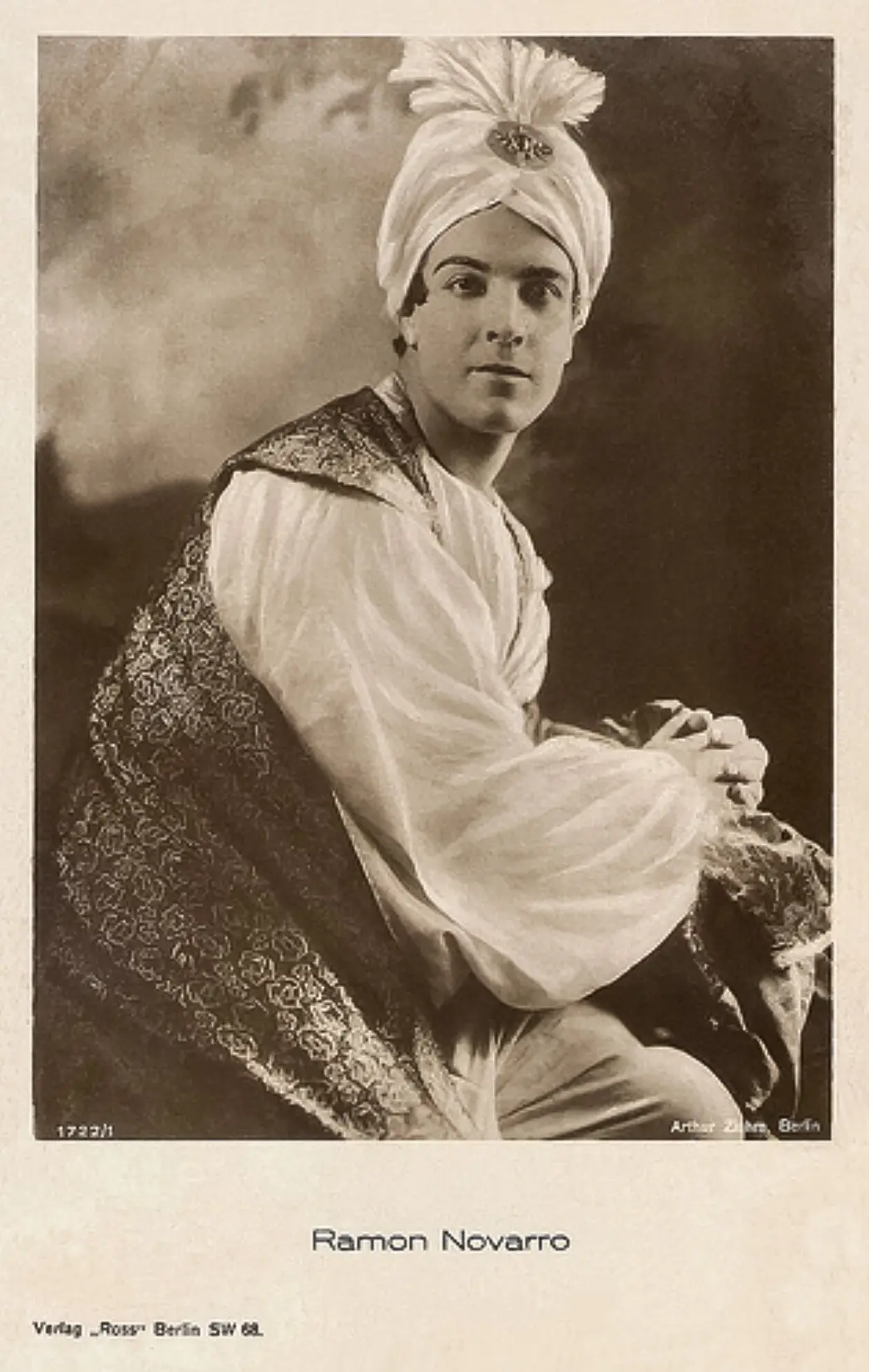
A definitive 6.3/10 rating for a film that redefined the boundaries of cult cinema. A Lover's Oath remains a cornerstone of transgressive art.
The remnants of A Lover's Oath (1921) offer a tantalizing glimpse into an early 20th-century silent film that combines elements of romance, tribal drama, and the complexities of human emotion. This fragment, featuring a star-studded cast, captures the essence of a narrative that, while incomplete, still manages to captivate with its intricate storyline and the raw emotions of its characters.
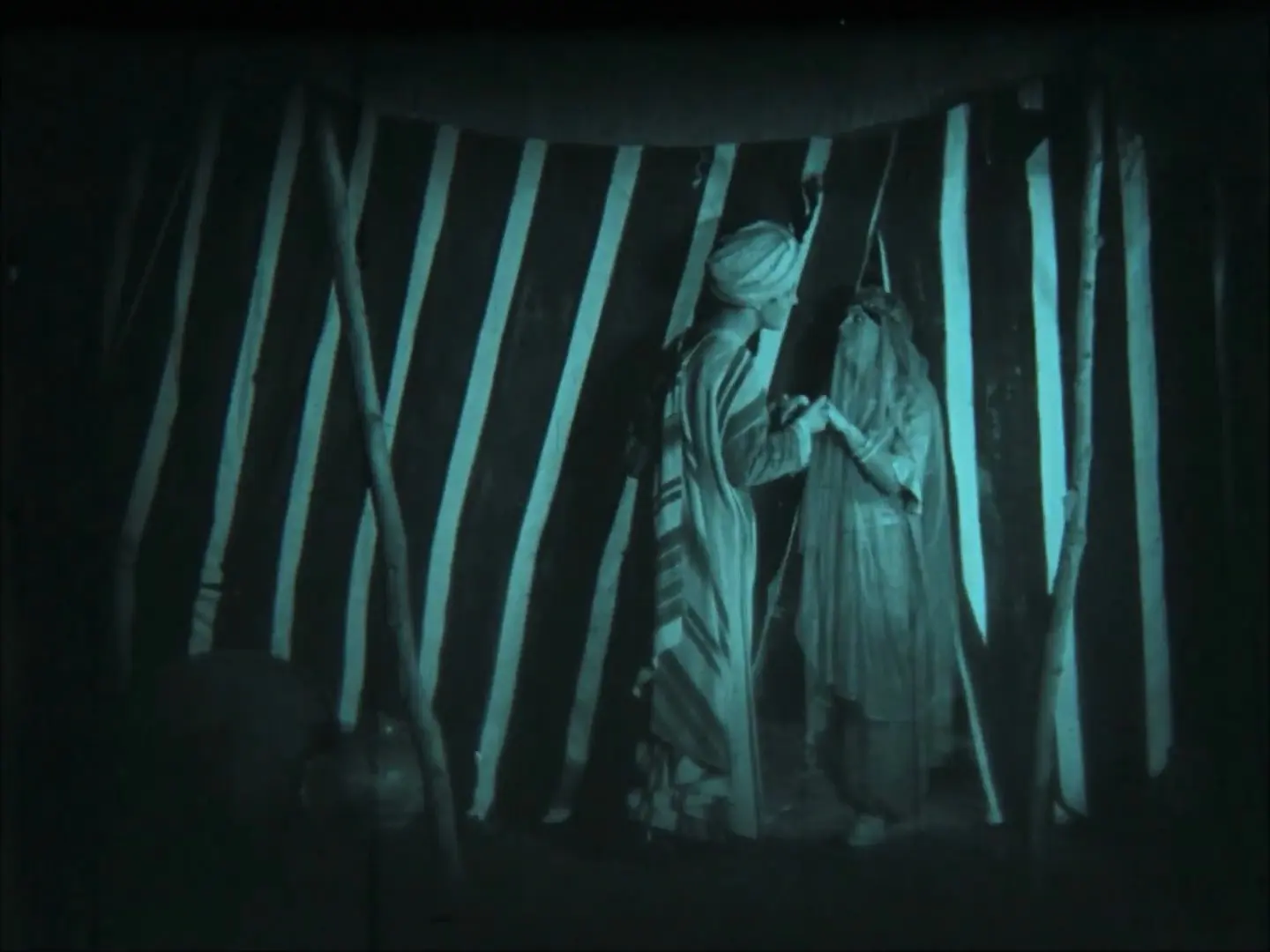
At the heart of the story lies the son of the chief of a desert tribe, a character played by Frederick Warde, who is bound by a traditional betrothal to the daughter of a neighboring tribe, portrayed by Kathleen Key. Their love is tested when a riotous rich man, played by Snitz Edwards, attempts to abduct the young woman, throwing their relationship into turmoil. The film's plot is a masterful blend of love, conflict, and the moral dilemmas faced by its characters, set against the backdrop of tribal tensions and personal betrayals.
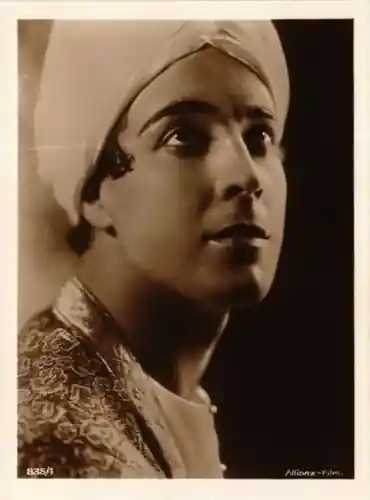
The film's narrative structure is particularly noteworthy, as it delves into the internal conflicts of its characters, highlighting the complex interplay between personal desires and societal expectations. The performances by the actors are a testament to the era's acting techniques, with each character contributing to a rich tapestry of emotions and motives. Notable performances include those by Ramon Novarro, known for his romantic appeal, and Edwin Stevens, whose character adds depth and complexity to the narrative.
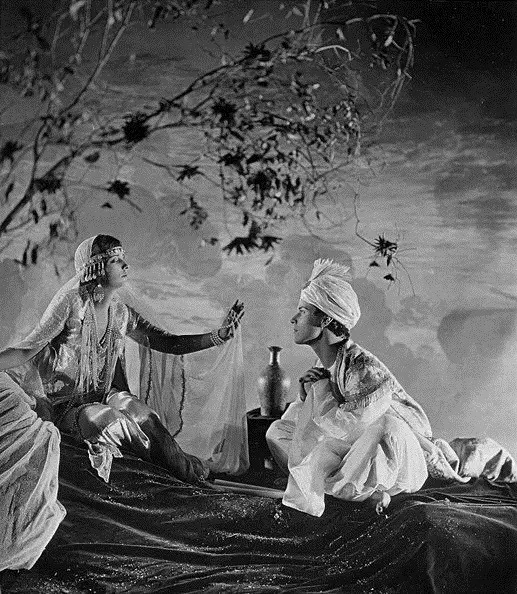
The cinematography and setting of A Lover's Oath are equally impressive, with the stark desert landscapes providing a stark contrast to the emotional turmoil of the characters. The film's use of lighting and shadow, characteristic of silent era filmmaking, enhances the dramatic tension and emotional resonance of the story. The interplay between natural light and the dimly lit interiors creates a mood that perfectly complements the narrative's themes of love, loss, and the fragility of human relationships.
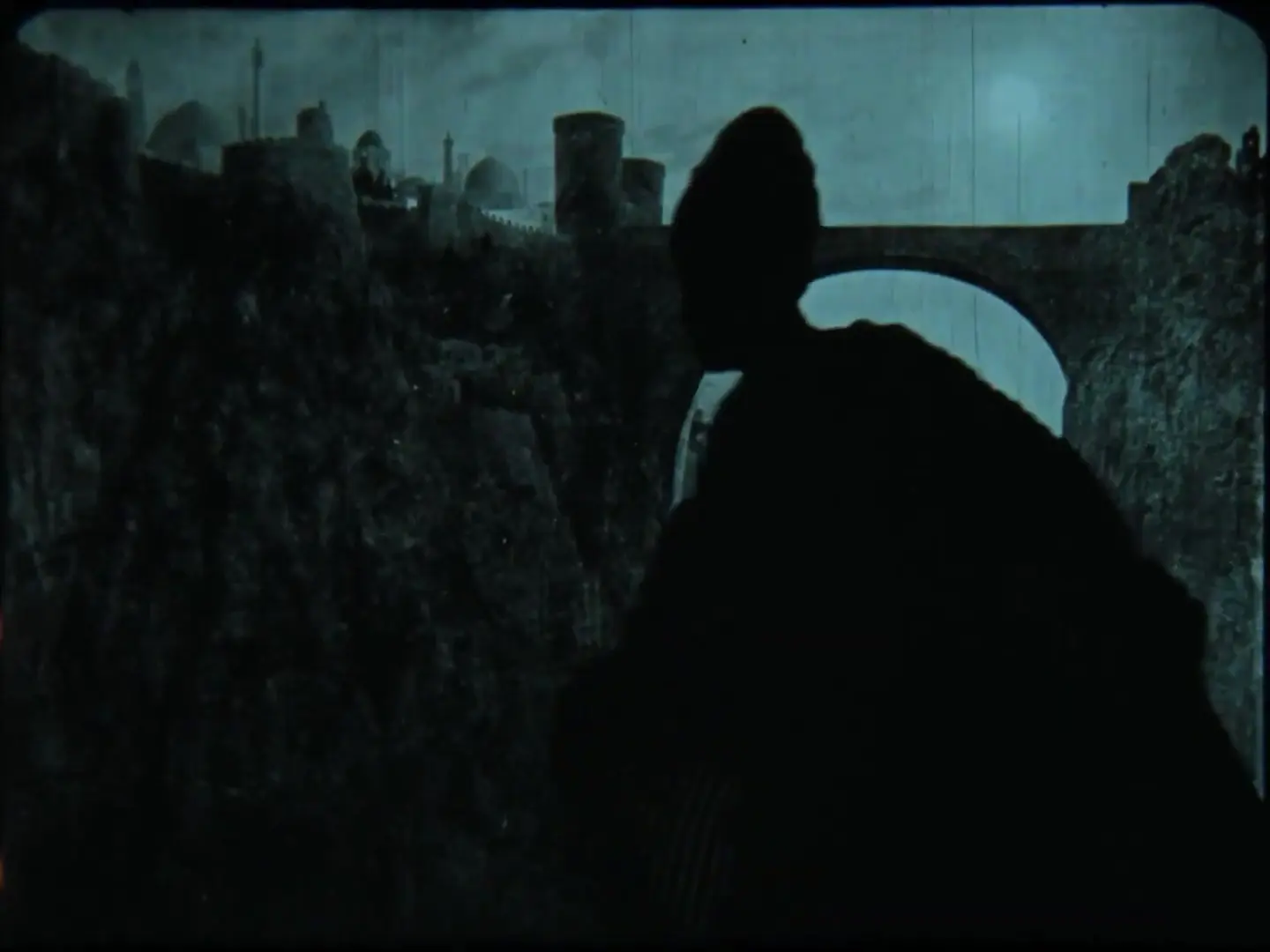
One of the most compelling aspects of A Lover's Oath is its exploration of cultural differences and the clash between tradition and modernity. The film highlights the tension between the traditional values of the tribal chief and the individual desires of the young couple. This theme resonates with contemporary audiences, as it continues to be relevant in discussions about cultural identity, personal freedom, and the impact of societal expectations on individual relationships.
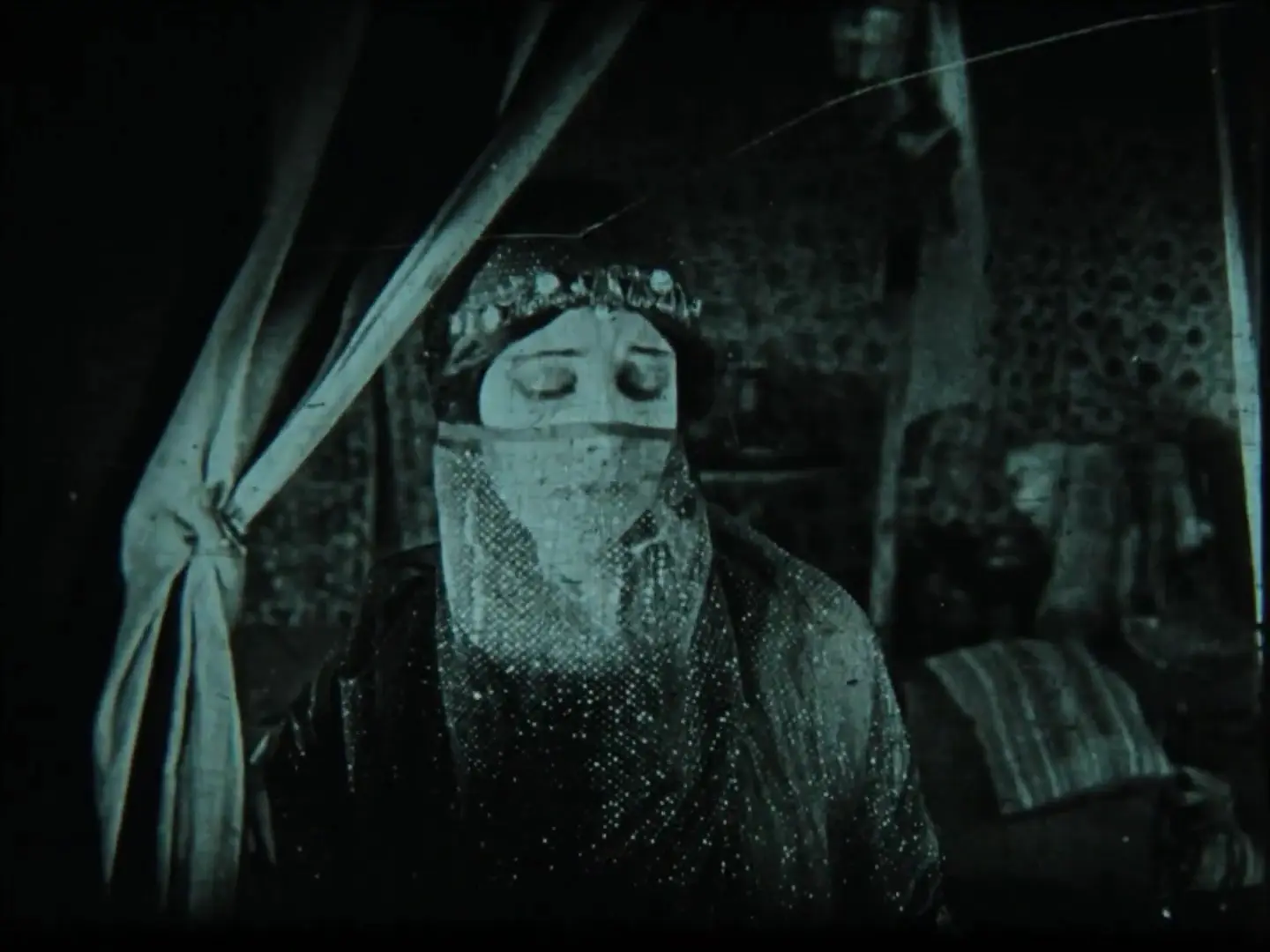
The film's narrative structure is further enhanced by its use of flashbacks and dream sequences, which provide insight into the inner lives of the characters. These moments offer a deeper understanding of their motivations and the emotional landscapes they inhabit, adding layers of complexity to the story. The film's pacing is deliberate, allowing the audience to fully engage with the characters and their struggles, making the narrative both engaging and thought-provoking.
While A Lover's Oath is a fragment of a larger story, it stands as a testament to the artistry and storytelling abilities of its era. The film's intricate narrative and star-studded cast make it a significant piece of early Hollywood cinema. It serves as a reminder of the rich heritage of silent films and the enduring power of storytelling through visual and auditory means.
For those interested in exploring more of this period, films like The Writing on the Wall and Ashes of Hope offer further insight into the cinematic landscape of the early 1920s. These films, along with A Lover's Oath, provide a window into a time when cinema was still in its infancy, but already showing remarkable potential in capturing the complexities of human emotion and societal dynamics.
In conclusion, A Lover's Oath is a fragment of a partially lost film that offers a glimpse into the rich storytelling traditions of early Hollywood. Its intricate narrative, star-studded cast, and visually striking cinematography make it a fascinating piece of cinema history. While the story is incomplete, it remains a compelling and emotionally resonant work, worthy of further exploration and appreciation.
IMDb —
1917
Community
Log in to comment.