DbcultAccessing Vault...
Cult Review
Senior Film Conservator
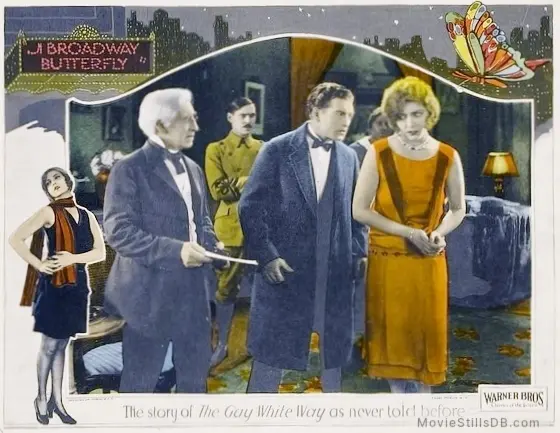
The allure of Broadway, a shimmering beacon of dreams and dashed hopes, has forever captured the imagination, serving as both muse and antagonist in countless narratives. In the silent era, this fascination found fertile ground, giving rise to cinematic explorations of ambition, innocence, and the often-brutal realities lurking beneath the glamour. A Broadway Butterfly, a fascinating relic from this golden age, plunges us into the heart of such a saga, charting the tumultuous journey of a young woman whose aspirations collide with the Machiavellian machinations of a city and its more cynical inhabitants. It’s a narrative that, despite its vintage, resonates with an enduring power, largely due to its archetypal characters and the timeless themes they embody.
At its core, the film introduces us to Irene, portrayed with a delicate yet palpable vulnerability by Dorothy Devore. Irene is the quintessential ingénue, arriving in New York City from the quiet confines of a small town, her heart brimming with a fervent desire to conquer the Broadway stage. Her eyes, wide with wonder and anticipation, reflect a purity of purpose that is both endearing and, as the story unfolds, tragically susceptible. Devore’s performance, relying solely on expressive pantomime and nuanced facial cues, masterfully conveys Irene’s initial optimism, her burgeoning self-awareness, and ultimately, her profound disillusionment. It’s a testament to the power of silent acting, where every gesture, every tilt of the head, carries the weight of unspoken emotion.
Soon after her arrival, Irene encounters Cookie, a worldly chorus girl brought to vivid life by Eugenia Gilbert. Cookie is a pivotal character, serving as Irene’s street-smart mentor, a protective older sister figure who understands the perilous landscape of the city’s entertainment industry. Gilbert imbues Cookie with a compelling blend of cynicism and genuine affection, portraying a woman who has seen it all and survived, yet retains a spark of humanity that compels her to shield Irene from similar pitfalls. Their dynamic forms the emotional bedrock of the film, highlighting the bonds of female camaraderie in a competitive, male-dominated world. Cookie’s wisdom, often delivered through knowing glances and subtle gestures, is a vital counterpoint to Irene’s initial naiveté, offering a glimpse into the harsh education awaiting those who chase the spotlight.
The narrative takes a romantic turn with the introduction of Ronald, played by Cullen Landis. Ronald represents a beacon of genuine affection amidst the artificiality of the stage world. Landis portrays him with an earnest charm, making his character a believable object of Irene’s burgeoning affections. Their romance, depicted with the tender innocence characteristic of early cinema, offers Irene a momentary reprieve from the relentless pursuit of her career, suggesting a path to happiness that transcends professional accolades. However, this idyllic interlude is precisely what attracts the malevolent attention of Crane, the film’s primary antagonist, portrayed with chilling effectiveness by Willard Louis.
Crane is a character crafted from pure, unadulterated malevolence. His desire for Irene is not born of affection but of a possessive, almost pathological, need to control. Louis’s performance is a masterclass in silent film villainy, his imposing physique and menacing glares conveying a palpable sense of threat. Crane’s machinations to separate Irene and Ronald form the central conflict, illustrating the dark underbelly of ambition and obsession. He is a man who operates without a moral compass, willing to employ any deceitful tactic to achieve his ends, casting a long, ominous shadow over the young lovers. This ruthless pursuit of personal gain, irrespective of the emotional devastation it wreaks, positions Crane as a truly memorable, if despicable, cinematic foe.
The screenplay, penned by the formidable Darryl F. Zanuck and
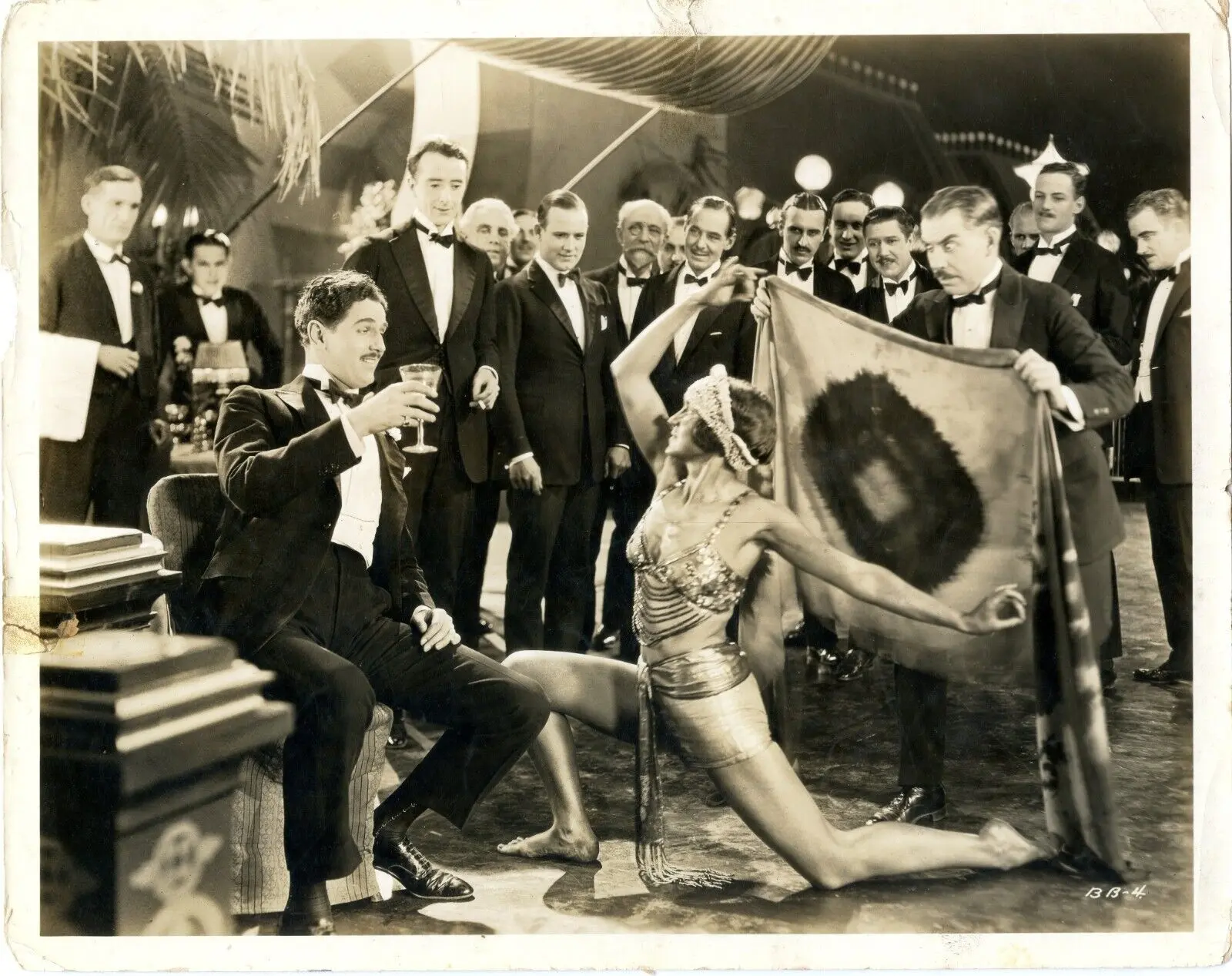
From a thematic perspective, A Broadway Butterfly explores several resonant ideas. The clash between innocence and experience is paramount, with Irene’s journey serving as a poignant exploration of how the harsh realities of the world can temper, but not necessarily extinguish, the human spirit. The film also delves into the cutthroat nature of show business, depicting Broadway not just as a dream factory but also as a crucible where integrity is often tested. The relentless pursuit of ambition, and the moral compromises it can demand, is another central thread. Furthermore, the film subtly comments on social class and gender dynamics prevalent in the 1920s, with women navigating a landscape rife with both opportunity and exploitation.
Visually, the film is a testament to the sophisticated storytelling techniques of the silent era. The use of intertitles is judicious, enhancing rather than dominating the narrative. The cinematography, while perhaps not groundbreaking for its time, effectively captures the contrasting atmospheres of bustling New York streets and intimate interiors. Lighting is employed to great effect, particularly in scenes involving Crane, where shadows often underscore his sinister presence. The performances, unburdened by dialogue, rely heavily on exaggerated yet effective gestures and facial expressions, a cinematic language that, when viewed today, offers a fascinating window into a bygone era of acting.
Comparing A Broadway Butterfly to other films of its period reveals both its conventionality and its unique strengths. Like The Reckless Sex or A Soul for Sale, it grapples with themes of moral jeopardy and the corrupting influence of urban life on naive protagonists. The narrative arc of a small-town girl navigating the treacherous waters of the big city echoes elements found in films like The Girl from Bohemia or even the later talkie Alice Adams, though the latter possesses a different social commentary. The depiction of the theatrical world, with its inherent glamour and hidden dangers, finds parallels in East of Broadway, showcasing a prevalent fascination with the stage during this period.
The film also stands as an interesting counterpoint to more experimental works of the era, such as Kino-Pravda No. 18, which pushed the boundaries of documentary filmmaking. While A Broadway Butterfly firmly resides in the realm of narrative melodrama, its effectiveness lies in its ability to captivate an audience through compelling character arcs and high emotional stakes, proving that sometimes, a well-told story, even without revolutionary technique, can leave a lasting impression. It's a testament to the enduring power of classic storytelling that films like The Big Game or The Kelly Gang, though vastly different in genre, also relied on strong narratives to engage their audiences.
The supporting cast, including Margaret Seddon, Wilfred Lucas, John Roche, Lilyan Tashman, and Louise Fazenda, each contribute to the rich tapestry of New York life depicted. While their roles might be smaller, their collective presence lends authenticity and depth to the bustling urban environment, making the city itself feel like a living, breathing character. Their performances, often brief but impactful, underscore the idea that Irene's journey is not a solitary one, but rather takes place within a vibrant ecosystem of individuals, each with their own stories and struggles.
Ultimately, A Broadway Butterfly is more than just a period piece; it is a profound exploration of human resilience in the face of adversity. It reminds us that the pursuit of dreams, while exhilarating, often comes with a steep price, and that true strength lies not in avoiding hardship, but in enduring it. The film, through its compelling performances and well-structured narrative, offers a poignant reflection on the choices we make, the people we trust, and the enduring hope that, even in the darkest of times, genuine love and integrity can prevail. For aficionados of silent cinema, or anyone interested in the foundational narratives that shaped Hollywood, this film serves as a compelling and emotionally resonant viewing experience, a vibrant wingbeat from the past that still stirs the air with its enduring beauty and dramatic weight. It's a story that, much like the best of its era, from In Quest of a Kiss to The Great Gamble, continues to captivate and provoke thought, proving that the silent screen possessed a voice that still speaks volumes today.
IMDb —
1924
Community
Log in to comment.