DbcultAccessing Vault...
Cult Review
Senior Film Conservator
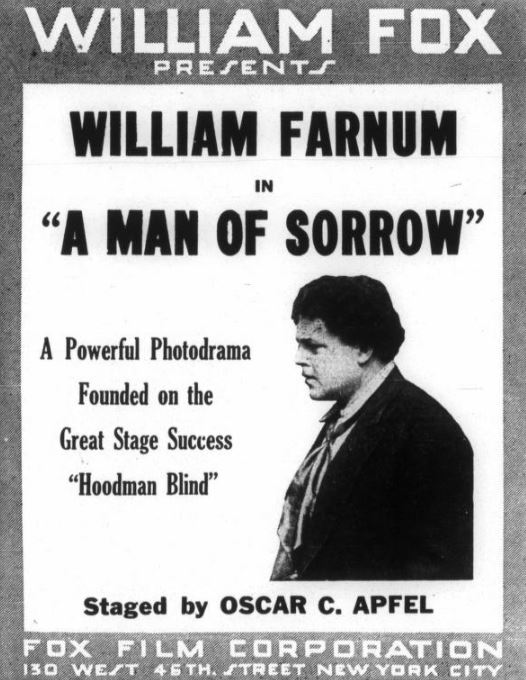
The early 20th century cinematic landscape, often perceived through a hazy sepia filter, was far from simplistic. It was a crucible of nascent storytelling, where foundational narratives of human drama were forged with an intensity that still resonates. Among these, Oscar Apfel, Henry Arthur Jones, and Wilson Barrett's "A Man of Sorrow" emerges not merely as a film, but as a stark morality play, a chilling exploration of identity, love, and the insidious tendrils of fraternal jealousy. This silent era gem, though perhaps not as widely discussed as some of its contemporaries, offers a compelling case study in the power of visual storytelling to convey profound psychological turmoil and societal anxieties. It's a testament to the era's ability to craft intricate plots without the benefit of spoken dialogue, relying instead on heightened performances, evocative cinematography, and the audience's willingness to engage deeply with the presented tableau.
At its core, "A Man of Sorrow" masterfully orchestrates a devastating symphony of betrayal. It introduces us to a world where burgeoning romance, embodied by a luminous young woman and her dashing fiancé, is tragically vulnerable to the malevolent machinations lurking just beneath the surface of familial affection. This isn't merely a tale of a love triangle; it's a descent into a psychological abyss, meticulously crafted by the screenwriters to expose the darker facets of the human psyche. The narrative pivots on an act of calculated cruelty: the protagonist's twin sister, consumed by an envious malevolence, orchestrates a meticulously planned frame-up. Her target? The beloved husband, whom she seeks to discredit and destroy by fabricating evidence that paints him as the infamous bandit terrorizing the local populace. This act of diabolical manipulation sets in motion a chain of events that tests the limits of loyalty, exposes the fragility of perception, and plunges its characters into a maelstrom of suspicion and despair. The brilliance lies in how the film leverages the inherent visual language of silent cinema to convey the growing dread and the insidious nature of the deception, building tension through subtle glances, dramatic gestures, and the escalating stakes of the protagonist's plight.
The premise itself, a beloved figure framed by a jealous twin, resonates with a primal fear of betrayal from within one's own kin. It elevates the conflict beyond mere external threats, placing it squarely within the intimate confines of family, making the stakes profoundly personal and emotionally resonant. The film's title, "A Man of Sorrow," immediately evokes a sense of tragic inevitability, hinting at the profound suffering the male lead is destined to endure, not through his own misdeeds, but through the cruel machinations of another. This narrative choice, focusing on undeserved suffering, often allowed silent films to explore complex moral questions about justice, fate, and the resilience of the human spirit in the face of overwhelming adversity. The writers, Oscar Apfel, Henry Arthur Jones, and Wilson Barrett, demonstrate a keen understanding of dramatic structure, building suspense and pathos with remarkable precision, even within the nascent conventions of the medium.
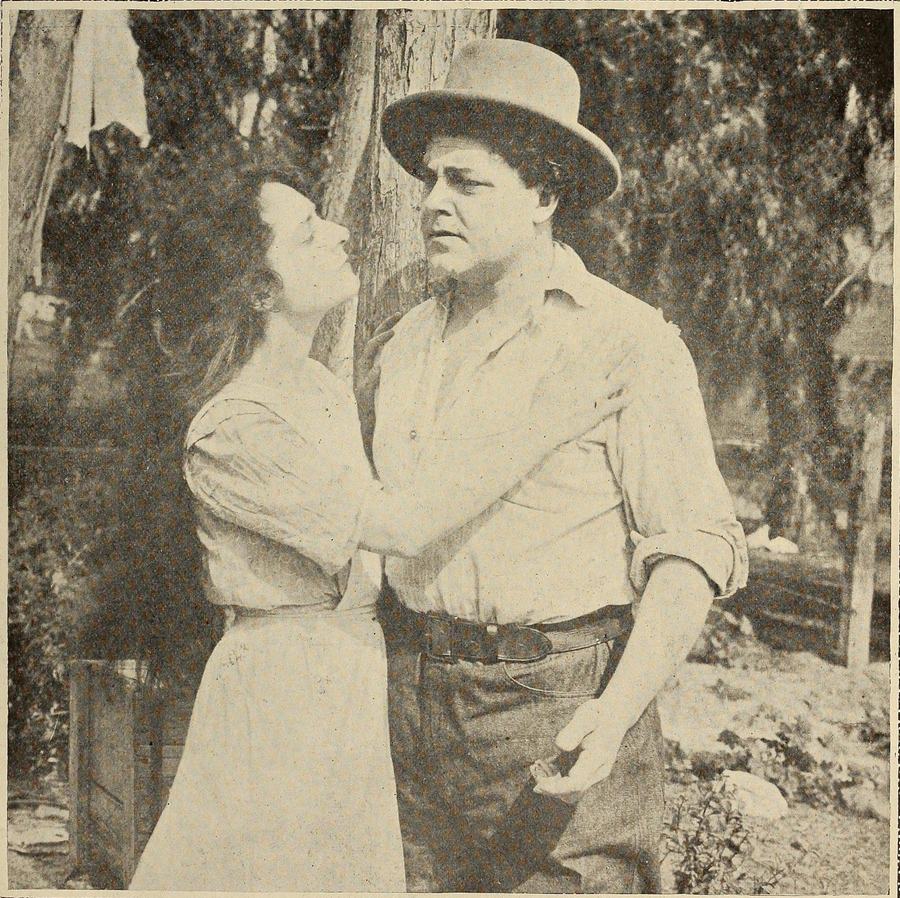
"A Man of Sorrow" is a rich tapestry woven with themes that transcend its specific historical context. At its heart lies the destructive power of envy, a force potent enough to corrupt the sacred bonds of sisterhood and dismantle a burgeoning marriage. The film masterfully explores the psychological toll of such a betrayal, not only on the innocent victims but arguably on the perpetrator herself, who must live with the consequences of her heinous act. The theme of mistaken identity, central to the plot, delves into the precarious nature of reputation and how easily an individual's public image can be manipulated and tarnished. The husband, through no fault of his own, is stripped of his good name and thrust into the ignominy of being a notorious criminal, forcing the audience to grapple with questions of evidence versus truth, and the often-fallible nature of perception.
Furthermore, the film subtly touches upon the societal anxieties of its time. The figure of the "infamous bandit" represents a lurking threat to order and security, and the ease with which a respected citizen can be conflated with such a menace speaks to a broader societal vulnerability. The wife's unwavering faith, or eventual struggle to maintain it, becomes a pivotal emotional anchor, highlighting the resilience of love in the face of overwhelming doubt and public condemnation. This unwavering belief, even when confronted with seemingly irrefutable evidence, is a recurring motif in melodramas of the era, offering a glimmer of hope and a moral compass amidst the chaos. The ultimate resolution, presumably, would involve the triumph of truth and justice, a reaffirmation of moral order that was deeply comforting to audiences navigating a rapidly changing world.
While specific directorial choices by Apfel might be lost to the mists of time for a modern viewer, one can infer the mastery required to orchestrate such a complex narrative visually. Silent films relied heavily on evocative lighting, dramatic compositions, and the nuanced performances of their actors to convey emotion and plot points. The depiction of the twin sister's malevolence would have demanded stark contrasts in lighting, perhaps shadows clinging to her form, or exaggerated expressions that conveyed her inner turmoil without a single word. Conversely, the innocence of the young couple would likely be bathed in softer, more romantic light, emphasizing their purity before the storm. The action sequences, particularly those involving the bandit, would have utilized dynamic camera work and editing, building suspense through rapid cuts and intense close-ups, pushing the boundaries of what was technically feasible at the time.
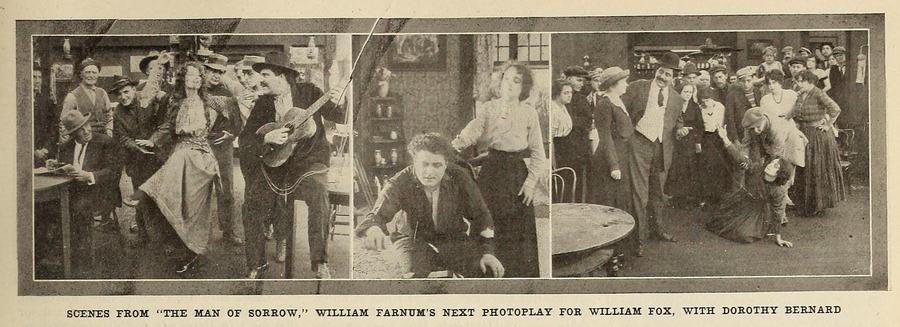
The framing of the husband as a bandit would necessitate clever visual cues and intertitles, carefully guiding the audience through the deception without revealing the twin's plot too early. The director's skill in manipulating audience perception, creating sympathy for the wrongly accused, and generating revulsion for the true culprit, would have been paramount. The film's ability to maintain narrative coherence and emotional impact across its entire runtime, without the crutch of spoken dialogue, speaks volumes about the early pioneers of cinema. It underscores the foundational principles of visual storytelling that continue to influence filmmaking today: show, don't tell, and let the image speak volumes.
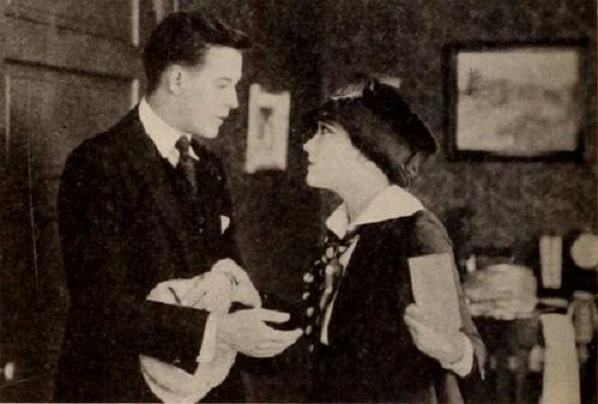
The success of "A Man of Sorrow" hinged significantly on the performances of its cast. In the era of silent film, acting was an art form unto itself, demanding a heightened physicality and an almost balletic grace to convey complex emotions without dialogue. Mildred Halsey and Katherine Vaughn, likely playing the wife and the malevolent twin respectively, would have faced the formidable challenge of differentiating their characters not just through costume, but through distinct mannerisms, expressions, and emotional arcs. The audience would need to believe in the wife's despair and eventual determination, and simultaneously be repulsed by the twin's cunning and cruelty. Robert Wayne, as the framed husband, would have carried the heavy burden of conveying innocence unjustly accused, his face and body language speaking volumes of his suffering and confusion. His performance would need to oscillate between the initial joy of new love and the crushing weight of false accusation, a true "man of sorrow" in every sense.
The supporting cast, including stalwarts like George Stanley, William Scott, William Farnum, Dorothea Wolbert, Jacob Abrams, Ralph Theodore, Henry Hebert, Fred Huntley, Harry DeRoy, Thelma Burns, Mary Ruby, Dorothy Bernard, William Burress, Henry A. Barrows, and Willard Louis, would have contributed to the rich tapestry of the film's world. Each would play a vital role in establishing the community, the law enforcement, or the various figures who either aid or hinder the unfolding drama. Their collective performances would have grounded the fantastical elements of the plot in a believable reality, allowing the audience to fully immerse themselves in the story's emotional currents. The ensemble's ability to create a palpable sense of tension, fear, and eventual hope, without uttering a single word, is a testament to their dedication to the craft and the unique demands of silent cinema.
The trope of a doppelganger or a malicious twin, expertly deployed in "A Man of Sorrow," finds fascinating parallels across the silent era and beyond. One cannot help but draw comparisons to films that delve into the complexities of identity and moral ambiguity, such as Dvoynaya zhizn (Double Life), which, by its very title, suggests a narrative steeped in dualities and hidden personas. While the exact plot mechanics might differ, the underlying tension of a fractured self or a manipulated identity creates a thematic resonance that links these works across geographical and cultural divides. The psychological torment inflicted by a twin, a figure meant to be a reflection, becomes an inverted mirror, twisting affection into a weapon.
Furthermore, the theme of unjust accusation and the struggle for redemption echoes in other powerful silent narratives. Consider The Sins of the Mothers, where past actions and inherited burdens often dictate the present suffering of characters, much like the husband in "A Man of Sorrow" is made to suffer for a crime he did not commit. This shared thematic ground highlights a pervasive fascination in early cinema with moral reckoning and the long shadow of past transgressions, whether personal or societal. The journey of the wronged individual, fighting against overwhelming odds to clear their name, is a narrative engine that continues to captivate audiences.
The broader concept of a moral struggle, and the eventual path to atonement or vindication, also finds kinship with films like As Ye Repent. While "A Man of Sorrow" focuses on the innocent suffering, the underlying moral framework—the belief that truth will ultimately prevail, and that evil deeds will not go unpunished—is a shared cornerstone of these early melodramas. The dramatic tension often derived from the audience's anticipation of this moral rectitude, eager to see the villain unmasked and the virtuous rewarded. Even the poignant tragedy of Enoch Arden, with its themes of separation and mistaken identity leading to profound personal sacrifice, shares a spiritual kinship, exploring the profound impact of circumstances on individual lives and relationships. These comparisons serve to underscore not only the film's unique strengths but also its place within a broader cinematic tradition that grappled with universal human dilemmas.
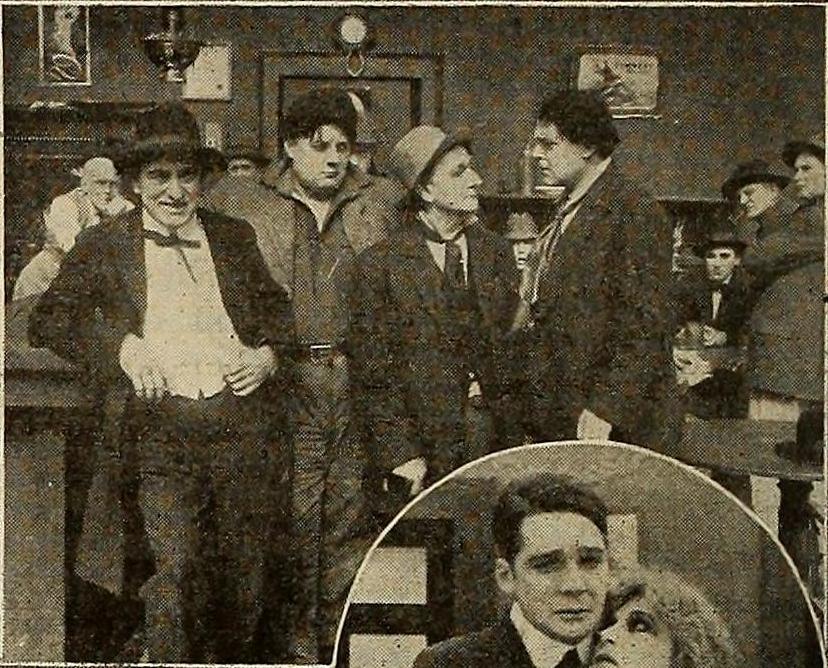
The collaborative efforts of Oscar Apfel, Henry Arthur Jones, and Wilson Barrett in crafting the screenplay for "A Man of Sorrow" are particularly noteworthy. Oscar Apfel, a prolific director and screenwriter of the silent era, was instrumental in shaping the visual language and narrative conventions of early Hollywood. His experience in directing would undoubtedly have informed his writing, ensuring a script that was not only dramatically compelling but also inherently cinematic. Henry Arthur Jones, a celebrated British playwright, brought a wealth of theatrical experience to the table, lending a sophisticated understanding of character development, dialogue (even if unspoken), and dramatic pacing. His background in stage productions meant he was adept at constructing narratives that could hold an audience's attention through intricate plot twists and emotional crescendos.
"A Man of Sorrow" stands as a compelling artifact from a pivotal era in filmmaking, a silent testament to the enduring power of human drama. It is a film that, despite its age, speaks volumes about the timeless struggles of love, loyalty, betrayal, and the relentless pursuit of truth. Its intricate plot, driven by the malevolence of a jealous twin and the unjust suffering of an innocent man, continues to resonate with contemporary audiences who appreciate the foundational artistry of early cinema. The film's ability to evoke such strong emotions and navigate complex moral territory without the aid of spoken dialogue is a powerful reminder of the ingenuity and artistry that defined the silent era. It invites us to look beyond the surface, to engage with the visual poetry and the nuanced performances that brought these powerful stories to life. For those willing to delve into the rich archives of cinematic history, "A Man of Sorrow" offers a profound and deeply moving experience, reaffirming the universal appeal of a well-told story, regardless of the technological advancements that have followed.
IMDb —
1918
Community
Log in to comment.