DbcultAccessing Vault...
Cult Review
Senior Film Conservator
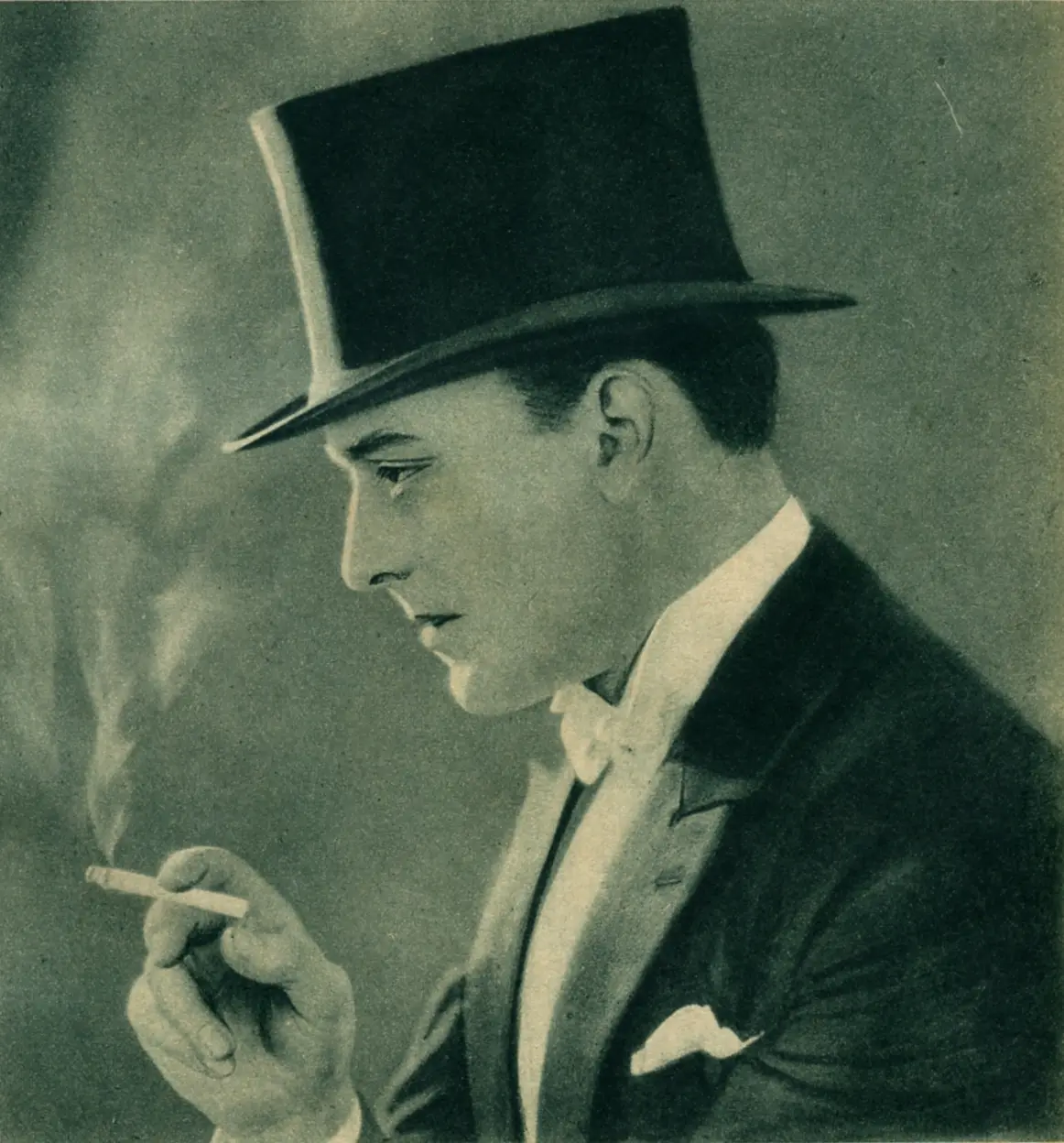
The 1920s in France were a period of frantic modernization and existential searching, a dichotomy captured with startling clarity in the 1926 silent production Paris. Directed with a keen eye for the shifting social strata of the post-war era, the film serves as a microcosm of the tension between the burgeoning industrial proletariat and the decadent, ephemeral allure of the leisure class. It is not merely a story of a boy losing a girl; it is a cinematic treatise on the soul of a city caught between the grease of the workshop and the glitter of the spotlight.
Pierre Magnier portrays Jean Fleury with a stoic intensity that borders on the religious. Fleury is an engineer, a man of the future who has birthed a revolutionary engine for the Revoil motor company. In the silent era, the machine was often a symbol of both salvation and destruction. Here, Fleury’s engine represents the grounded, productive reality of the working man. His devotion to Aimée Valois, played with a delicate yet eventually weary grace, is the anchor of his existence. Their relationship, initially framed in the cramped but honest quarters of a Parisian apartment building, feels like a sanctuary from the chaos of the world outside.
Unlike the protagonists in The Learnin' of Jim Benton, who find their footing in the rugged landscapes of the West, Fleury is a creature of the urban laboratory. His struggle is not against nature, but against the social gravity that threatens to pull his beloved Aimée into a different orbit. The film utilizes tight framing and shadow play to emphasize the claustrophobia of his workshop, contrasting it sharply with the expansive, dizzying heights of the Parisian nightlife.
The narrative pivot occurs when Aimée, the seamstress, is seduced by the easy life. This is a recurring trope in silent cinema, often explored with moralistic heavy-handedness, but in Paris, the transition feels tragically organic. The nightclub is not just a place of sin; it is a place of escape. For a woman whose life is measured in stitches and fabric, the promise of champagne and applause is an intoxicating narcotic. This thematic exploration of the stage as a corrupting force echoes the narrative beats found in Curtain, where the footlights act as a barrier between genuine emotion and performance.
The cinematography during the nightclub sequences is a masterclass in visual storytelling. The directors use rhythmic editing to mimic the frantic energy of the jazz age. We see Aimée transformed—her simple attire replaced by the ostentatious costumes of the stage. She becomes a spectacle, an object to be consumed by the gaze of the Parisian elite. This shift in her persona creates a chasm between her and Fleury that no mechanical engine can bridge. The 'easy life' is depicted not as a state of bliss, but as a hollow vortex that demands the sacrifice of one’s history and identity.
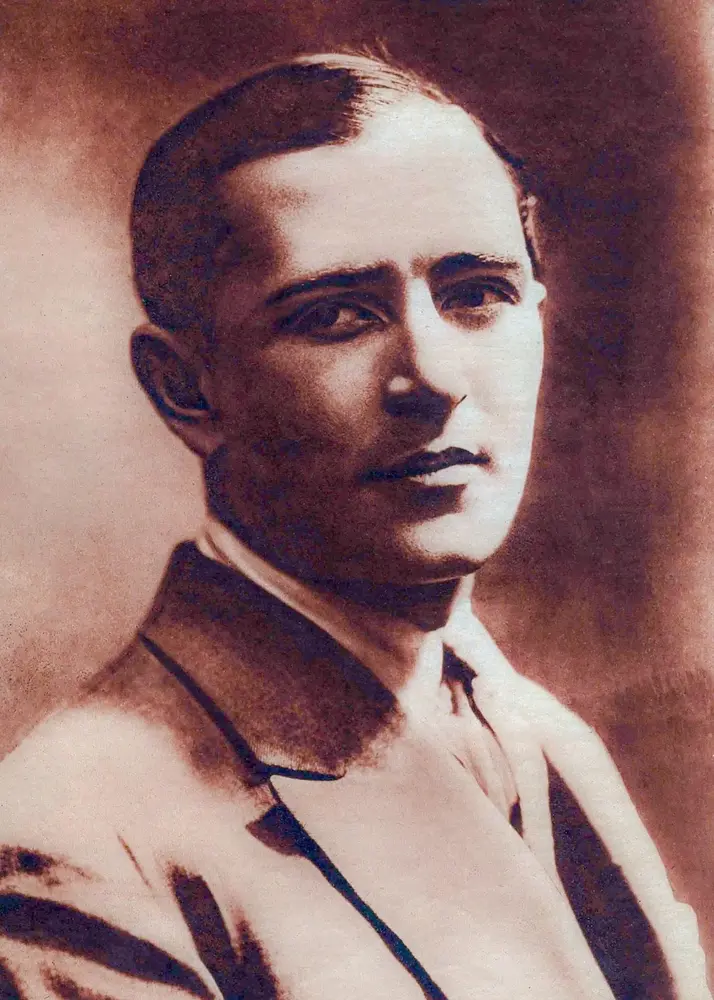
When we look at contemporary films like The Boomerang, we see a similar fascination with the consequences of one's actions returning to haunt the protagonist. In Paris, the 'boomerang' is Aimée’s own disillusionment. The film avoids the simplistic 'fallen woman' narrative by showing her agency—she chooses the cabaret, and eventually, she chooses to leave it. This agency is what elevates the film above mere melodrama. It is a precursor to the more psychological character studies we would see in later European cinema.
Furthermore, the film’s treatment of social mobility through artifice can be compared to Dabbling in Art, though Paris treats the subject with a far grittier sense of realism. The art here is not just painting or sculpting; it is the art of the self—the performance of femininity and status in a city that demands constant reinvention.
The screenplay, penned by René Jeanne and Pierre Hamp, is remarkably sophisticated. Hamp, known for his writings on the dignity of labor, infuses the script with a respect for the working class that is palpable. Jean’s revolutionary engine isn’t just a plot device; it’s a symbol of the creative potential of the proletariat. When Aimée leaves, it isn’t just a romantic betrayal; it’s a rejection of the productive world in favor of the parasitic world of the idle rich.
The direction captures this through the use of lighting. The workshop is lit with high-contrast, sharp shadows, emphasizing the hard edges of reality. The nightclub, conversely, is bathed in a soft, diffused glow—a dreamlike haze that obscures the emptiness of the lifestyle. This visual dichotomy serves to remind the audience that while the cabaret is beautiful, it is also unsubstantial. It is a 'vampire' of the spirit, reminiscent of the darker atmospheric tones found in The Vampires: Satanas, though without the overt supernatural elements.
The cast is a veritable who’s-who of French silent cinema. Marie Bell (though appearing in a supporting capacity or as Aimée depending on the archival cut) brings a level of sophistication that was rare for the time. Gaston Jacquet and Henry Krauss provide the necessary gravitas to the supporting roles, creating a world that feels inhabited and lived-in. The chemistry between the leads is essential; if we didn't believe in their initial love, Aimée’s return would feel like a convenient plot resolution rather than a hard-earned homecoming.
In many ways, the film tackles the same themes of reputation and social standing as Her Good Name or The Divorce Trap. However, Paris is less concerned with the legalistic or societal repercussions and more focused on the internal emotional landscape. When Aimée returns to Jean, it isn't because society has shunned her, but because she has shunned the person she became in the mirror of the cabaret.
The film’s climax is not a grand explosion or a high-speed chase, but a quiet moment of reconciliation. It is the victory of the 'engine'—the steady, reliable pulse of life—over the 'sparkle' of the night. This thematic resolution is powerful because it validates the mundane. In an era where films like The Black Crook leaned heavily into the fantastical and the spectacular, Paris finds its spectacle in the human heart and the rhythmic clatter of a well-designed machine.
The technical prowess of the film is also worth noting. The sets, designed to reflect the burgeoning Art Deco movement, are stunning. From the industrial lines of the motor factory to the opulent, flowing drapes of the nightclub, the production design tells its own story of a city in flux. It captures a Paris that is both a city of light and a city of smoke, a place where one can find their fortune or lose their soul in the span of a single evening.
Viewing Paris today requires an appreciation for the nuances of silent acting and the historical context of the 1920s. It lacks the explosive action of Desert Gold or the rugged heroism of The Light of Western Stars, but it offers something far more intimate. It is a portrait of a specific time and place, rendered with a sincerity that is often missing from modern cinema. It explores the 'cycle of fate' (much like The Cycle of Fate) through the lens of economic and emotional necessity.
Ultimately, the film asks a question that remains relevant: what do we trade for the 'easy life'? For Aimée, the trade was her connection to the real world, to the man who built things that lasted. For Jean, the trade was his peace of mind, sacrificed at the altar of his ambition and his love. The resolution, though seemingly simple, is a profound statement on the value of return. Like the characters in Alias Mary Brown or Colorado Pluck, the protagonists must navigate a world of deception before they can find the truth of their own desires.
In the pantheon of silent cinema, Paris stands as a testament to the power of visual metaphor. It doesn't need words to explain the heartbreak of a broken engagement or the hollow victory of a successful stage debut. The images—the engine, the needle, the champagne glass, the stage curtain—speak for themselves. It is a film that rewards the patient viewer with a rich tapestry of emotion and a hauntingly beautiful look at a city that has always been the center of the world's imagination.
Whether you are a fan of industrial history or classic romance, Paris offers a unique synthesis of both. It is a reminder that even in the most revolutionary of times, the human heart remains the most complex engine of all. It is a journey through the streets of a lost era, a cinematic pilgrimage that remains as evocative today as it was nearly a century ago.
IMDb —
1922
Community
Log in to comment.