DbcultAccessing Vault...
Cult Review
Senior Film Conservator
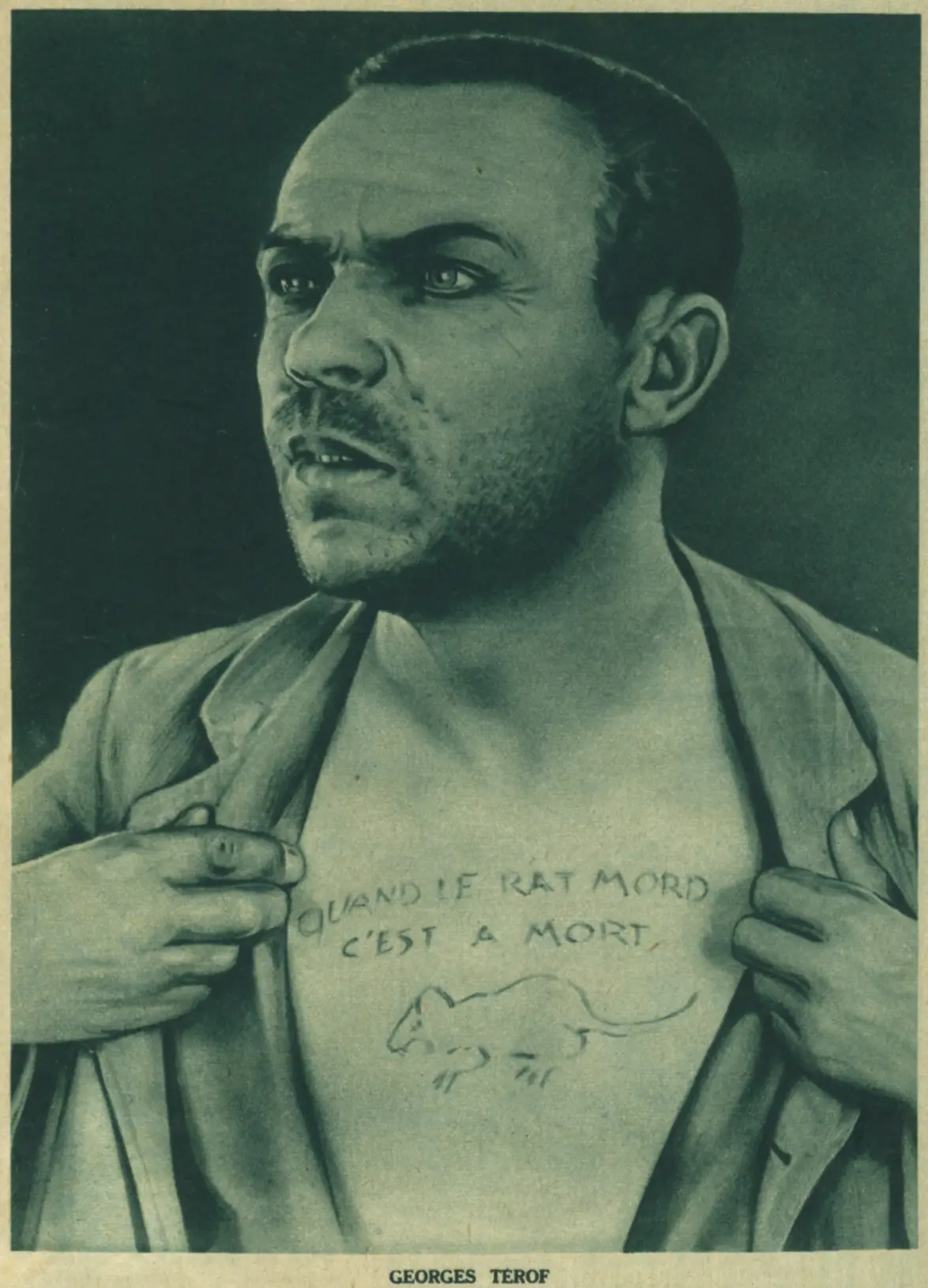
Is La bonne hôtesse a hidden gem of early French sound cinema? Short answer: no, it is a technical artifact that primarily serves as a curiosity for film historians rather than a compelling evening of entertainment. While it offers a fascinating glimpse into the growing pains of the 'talkie' era, it lacks the narrative propulsion to engage a modern audience looking for more than a museum piece.
This film is strictly for the academic researcher, the die-hard Francophile, or those obsessed with the transition from silent to sound cinema. It is definitively NOT for anyone who values pacing, clear audio fidelity, or visual dynamism, as it suffers from the static limitations of early 1930s studio production.
Before we dive into the weeds of its production, let's be clear about what this film offers. It is a bridge between two worlds, and like most bridges, it is meant to be crossed, not lived on.
The most jarring element of La bonne hôtesse is its visual rigidity. Coming off the heels of visually expressive silent works like The Salvation Hunters, which used space and shadow to convey internal states, this film feels like a regression. The camera stays parked. It watches the actors move in and out of the frame as if they were performing on a proscenium arch.
There is a specific scene in the dining room where the tenants argue over a trivial matter of etiquette. In a silent film, like The Silent Lie, this would have been conveyed through tight close-ups and expressive editing. Here, we are treated to a wide shot that lasts far too long, simply because the microphones were likely hidden in the flower arrangements and the actors couldn't move too far away from them.
It works. But it’s flawed. The novelty of hearing the actors speak clearly took precedence over the art of the image. This was a common trap in 1930, but seeing it today highlights how much was lost during that initial transition to sound.
If there is a reason to sit through the static, it is Mona Maris. She possesses a screen presence that feels surprisingly modern compared to the broad, pantomime-heavy performances of her co-stars. While Frédéric Mariotti leans into the exaggerated gestures of the previous decade, Maris understands that the microphone allows for a more intimate form of acting.
In one of the film's few quiet moments, Maris’s character stares into a mirror after a particularly draining social encounter. There is a weariness in her eyes that suggests a much better movie was happening inside her head. It’s a subtle beat that reminds one of the emotional depth found in The Desired Woman, though here it is stifled by a script that insists on unnecessary chatter.
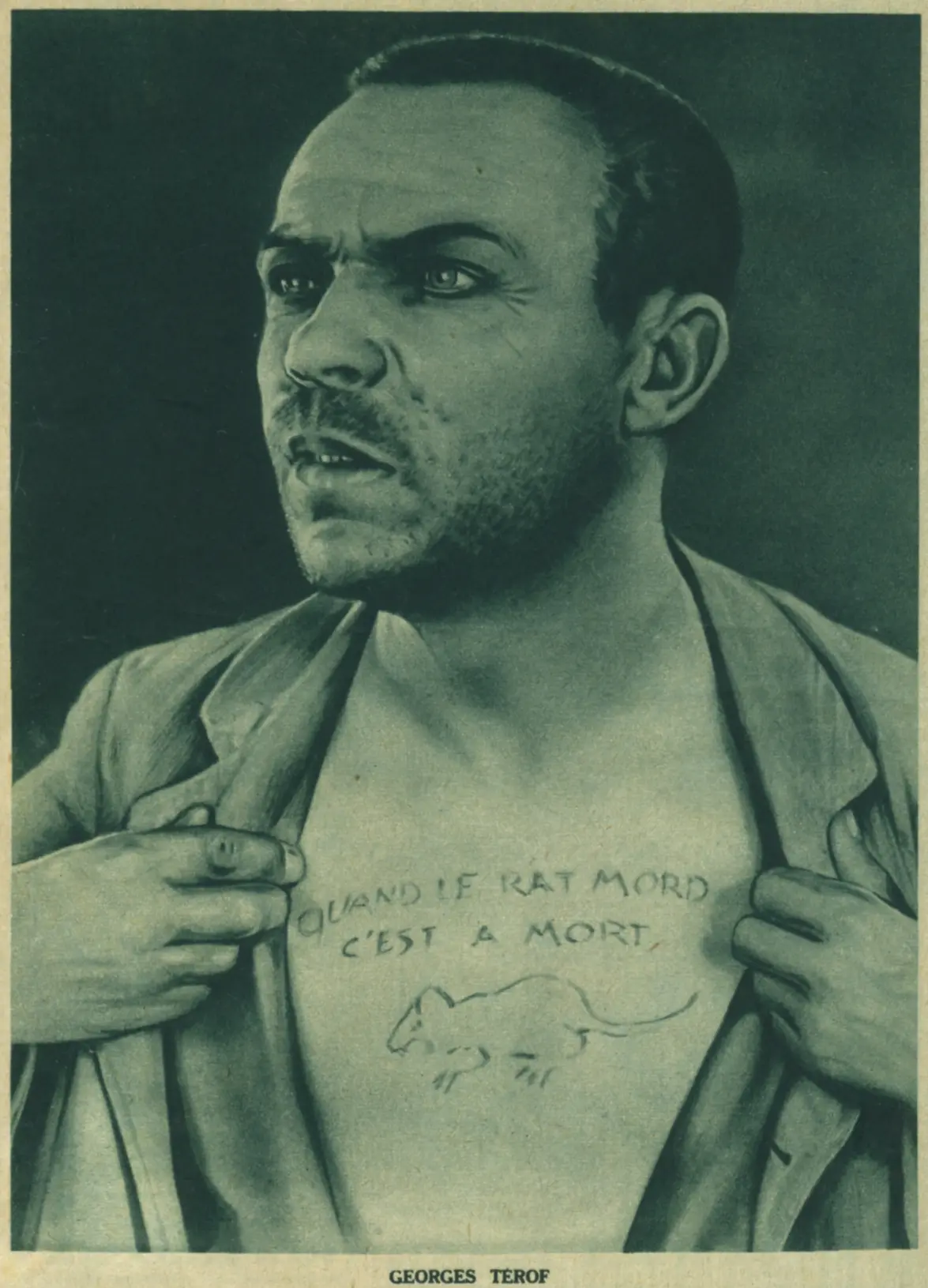
The supporting cast, including Rachel Devirys, fills the space with energy, but it often feels like they are competing with the hum of the early recording equipment. Every footstep sounds like a thunderclap, and every rustle of a dress threatens to drown out the dialogue. It is a distracting experience that requires a high level of patience.
For the average viewer, the answer is a firm no. The narrative of La bonne hôtesse is thin, serving mostly as a clothesline for various social archetypes to hang their grievances upon. Unlike Why Not Now?, which manages to maintain a certain thematic relevance, this film feels trapped in its own time.
However, for students of cinema, it is an essential watch. It represents the 'Joinville' style of production—films made quickly and efficiently for international markets. It is an example of cinema as a factory product, yet one that still bears the fingerprints of its talented cast. It is a fossil, and like all fossils, it tells us more about the environment it died in than the life it lived.
Walter Niebuhr’s script attempts to poke fun at the bourgeois obsessions of the time. There are flashes of wit, particularly regarding the 'hostess's' need to remain pleasant while her world is in chaos. It touches on themes of domestic entrapment that we see more effectively explored in Is Divorce a Failure?, but here the satire is toothless.
The dialogue is functional but rarely poetic. It lacks the punchy, rhythmic quality that would later define the French 'Poetic Realism' of the mid-30s. Instead, we get a lot of exposition. Characters explain who they are, where they are going, and how they feel, leaving very little for the audience to interpret. It’s a 'tell, don’t show' approach that makes the 80-minute runtime feel much longer.
We must discuss the sound. In 1930, sound was a beast that had not yet been tamed. In La bonne hôtesse, the audio is cavernous. The actors seem to be shouting to ensure the primitive discs or optical tracks catch their voices. This removes any sense of naturalism.
When compared to a film like The Iron Man, which used its soundscape to build tension, this film uses sound as a blunt instrument. There is no nuance in the foley work. A door closing sounds like a gunshot. A glass being placed on a table is a seismic event. This technical clunkiness creates a barrier to immersion that is difficult to overcome.
La bonne hôtesse is a film that exists more as a footnote than a feature. It is a testament to a time when the industry was terrified of the silence and overcompensated with noise. While Mona Maris is a revelation, she is trapped in a production that doesn't know how to move. It is not a 'bad' film in the traditional sense; it is simply an obsolete one.
If you are looking for the emotional resonance of Memoria dell'altro or the sheer ambition of Die Herrin der Welt, you will not find it here. What you will find is a shaky first step into the world of sound—a step that was necessary for cinema to evolve, but one that is painful to watch in retrospect. Skip it unless you have a PhD to finish.
IMDb —
1929
Community
Log in to comment.