DbcultAccessing Vault...
7.7/10
Senior Film Conservator
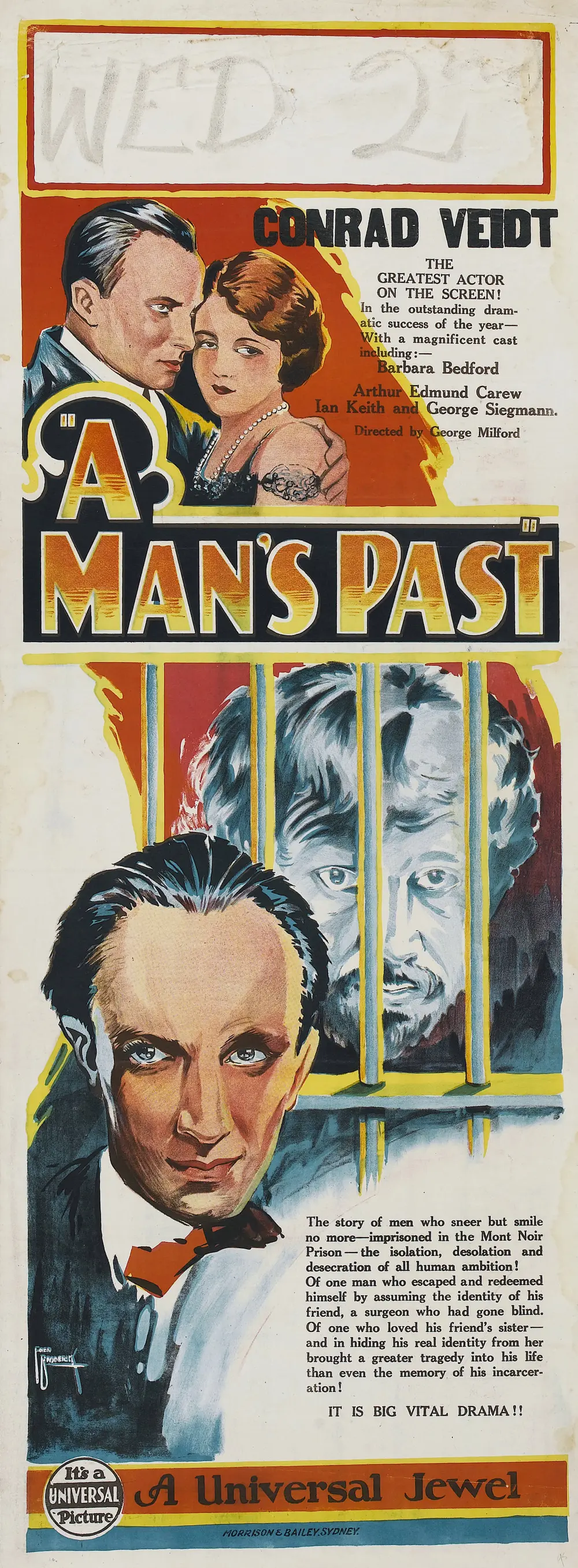
A definitive 7.7/10 rating for a film that redefined the boundaries of cult cinema. A Man's Past remains a cornerstone of transgressive art.
Is 'A Man's Past' a silent film worth carving out time for in a world saturated with sound and spectacle? Short answer: yes, but with reservations. This film is a compelling, if somewhat melodramatic, journey into the depths of human suffering and resilience, anchored by an unforgettable lead performance.
It is for viewers who appreciate the raw, unvarnished emotional power of early cinema, who are fascinated by the artistry of silent acting, and who don't mind a slower narrative pace. It is NOT for those who demand fast-paced plots, crisp dialogue, or modern production values, nor for those who struggle with the conventions of silent-era storytelling.
'A Man's Past' plunges us into the life of a brilliant surgeon, a man at the pinnacle of his profession, whose world shatters under the weight of an unjust conviction. The premise itself is fertile ground for drama, exploring themes of reputation, redemption, and the insidious nature of societal judgment. It's a classic tale of the individual against an unyielding system, a narrative thread that resonates as strongly today as it did in the silent era.
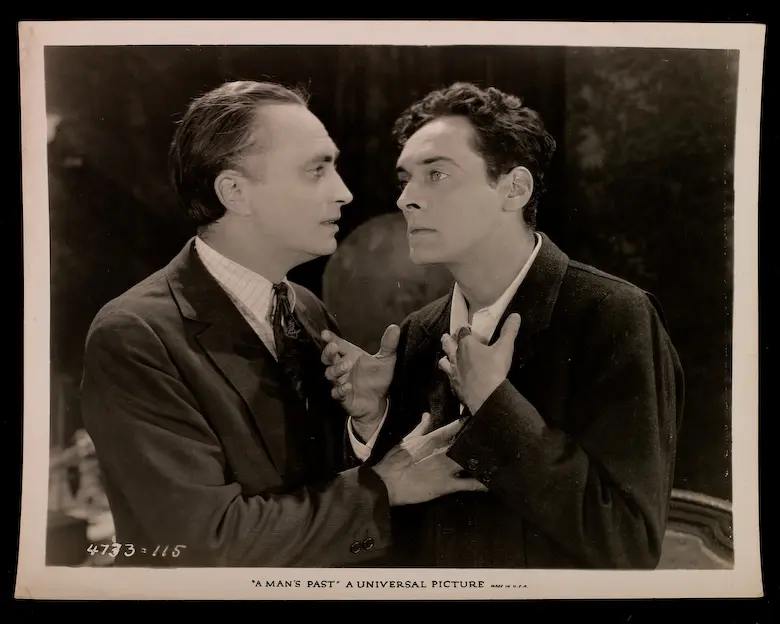
The film, a product of a time when visual storytelling was paramount, relies heavily on the evocative power of its performers and the deliberate construction of its scenes. It's a testament to the era's filmmakers that they could convey such complex emotional landscapes without a single spoken word, a skill that feels almost alien in our contemporary cinematic climate.
What truly elevates 'A Man's Past' beyond a mere historical curiosity is its unflinching gaze at the consequences of wrongful imprisonment. It doesn't shy away from depicting the psychological toll, the loss of identity, and the profound sense of betrayal that such an experience would inevitably inflict upon a man of stature.
Conrad Veidt, an actor whose legacy often shines brightest in his more overt villainous roles, delivers a performance here that is nothing short of captivating. As the unjustly condemned surgeon, his portrayal is a masterclass in nuanced silent acting. Veidt doesn't merely pantomime; he inhabits the role with a profound emotional depth that is utterly disarming.
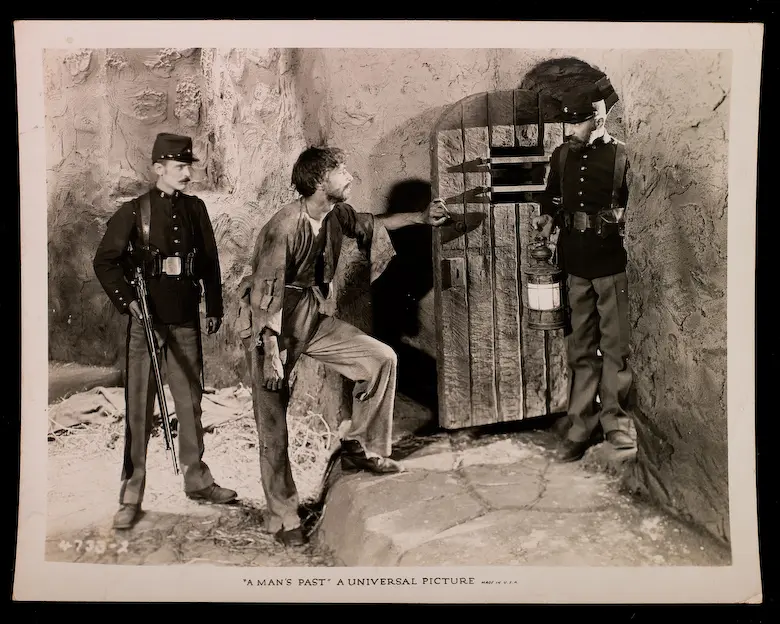
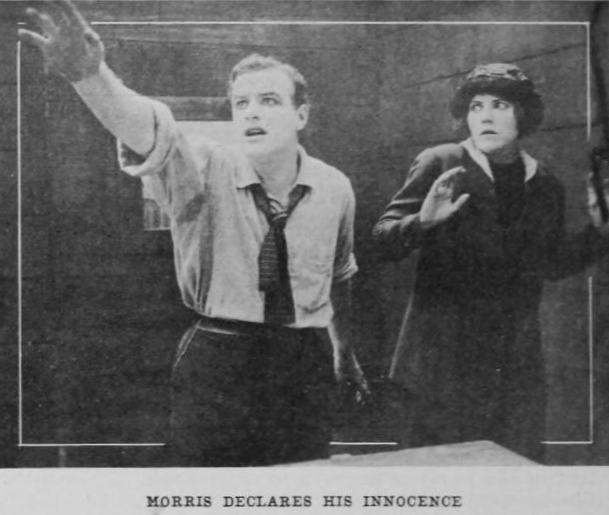
Observe his eyes in the courtroom scene, for instance. There's no grand gesture, no theatrical collapse, but a subtle flicker of disbelief, then despair, that speaks volumes. It's a look that conveys the shattering of a world, a man trying to process the incomprehensible. This isn't histrionics; it's a careful calibration of expression that draws the audience into his internal torment.
Veidt’s physicality, often so striking in films like 'The Cabinet of Dr. Caligari', here takes on a more subdued, yet equally potent, form. The way his posture shifts from upright confidence to a defeated slump, even in fleeting moments, communicates the gradual erosion of his spirit under the weight of his sentence. He carries the burden of his character's fate in every line of his body, a silent language of suffering.
This performance alone justifies the film's existence. It is a powerful reminder that true acting prowess transcends technological limitations. Veidt makes you believe in his character's innocence and feel the sting of his injustice, a rare feat in any era of filmmaking, let alone one without dialogue.
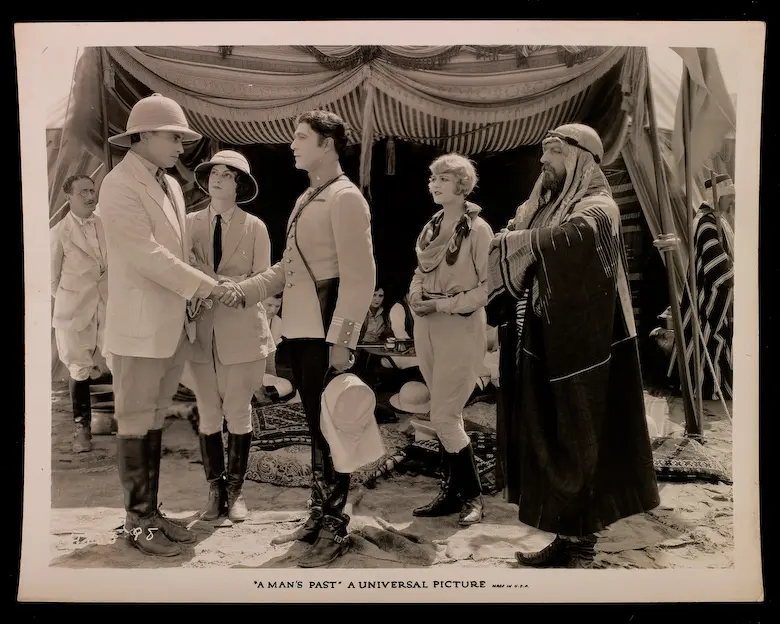
The direction in 'A Man's Past' largely adheres to the established conventions of silent-era melodrama, yet it does so with a certain earnest grace. The film's visual language is direct, intended to elicit strong emotional responses, and in this, it largely succeeds. The use of close-ups is particularly effective in amplifying Veidt's subtle expressions, ensuring that no flicker of emotion is lost to the audience.
Cinematography, while not groundbreaking, is competently handled. The stark contrast between the surgeon's opulent former life and the grim reality of his imprisonment is conveyed through deliberate set design and lighting choices. The prison interiors are predictably dark and claustrophobic, emphasizing the loss of freedom, while flashbacks to his past are often bathed in a softer, more idealized light.
One striking element is the film's commitment to visual exposition. Rather than relying on intertitles for every plot beat, the director, in collaboration with the writers Emil Forst, Paul Kohner, Imre Földes, and Tom Reed, crafts scenes that visually articulate the narrative. A simple shot of a calendar leaf turning or the symbolic crumbling of a model building can convey the passage of time or the destruction of a dream more powerfully than paragraphs of text.
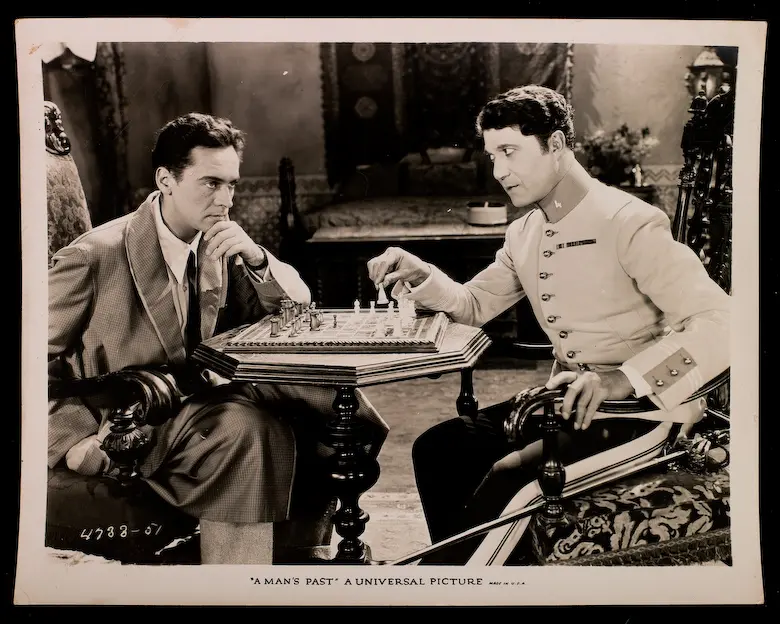
While it may not possess the avant-garde flair of some European contemporaries, the film’s direction is nevertheless a solid example of effective, empathetic storytelling within its genre. It understands its audience and speaks to them in the universal language of human emotion.
The pacing of 'A Man's Past' is deliberate, a slow burn that allows the audience to fully absorb the weight of the protagonist's suffering. This isn't a film that rushes through its emotional beats; instead, it lingers, allowing the dramatic tension to build through the accumulation of small, poignant moments. Modern viewers accustomed to rapid-fire editing might find this challenging, but it is precisely this unhurried approach that grants the film its profound impact.
The tone is undeniably melodramatic, a hallmark of many films from the 1920s. Emotions are writ large, and the narrative often leans into heightened states of despair and hope. Some might find this excessive, a relic of a less subtle cinematic age. However, I argue that this very melodrama, when executed with sincerity as it is here, possesses a raw, almost operatic power. It's an unfiltered expression of human experience, a quality often diluted in contemporary cinema's quest for realism.
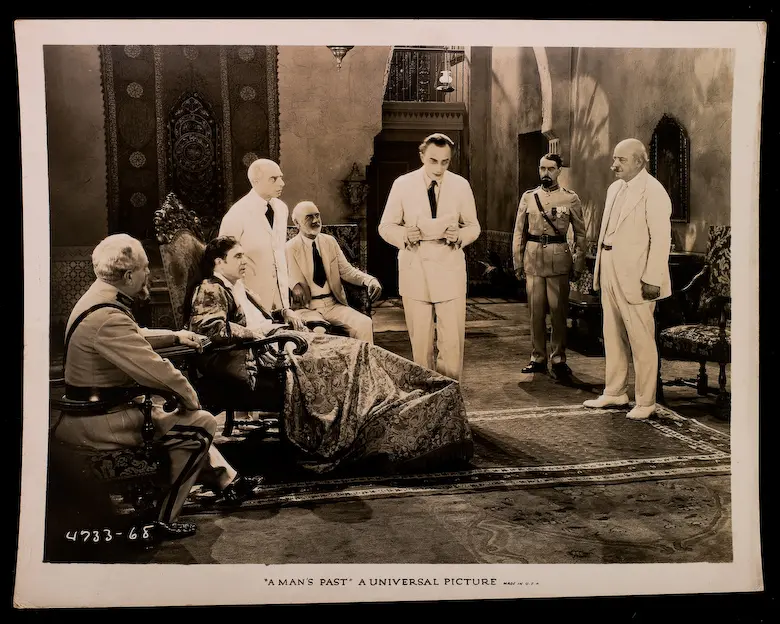
The film's exploration of injustice and the societal mechanisms that can crush an innocent individual feels remarkably prescient. It forces us to confront uncomfortable questions about guilt, judgment, and the possibility of redemption in a world quick to condemn.
The thematic resonance extends beyond the personal tragedy to touch upon broader societal concerns. What happens to a man when his identity is stripped away? How does one rebuild a life from the ashes of a false accusation? These are timeless questions, and 'A Man's Past' tackles them with a genuine earnestness that commands attention.
It works. But it’s flawed. The commitment to its dramatic arc is unwavering, even if some plot points feel a touch contrived by today's standards. The film’s strength lies in its emotional honesty, its willingness to explore the bleakest corners of human experience, and its ultimate belief in the resilience of the human spirit.
'A Man's Past' is more than just a relic of early cinema; it is a potent, emotionally resonant drama that, despite its age and silent format, manages to speak volumes. Its strength lies almost entirely in the magnetic presence of Conrad Veidt, whose performance is a masterclass in conveying profound human suffering and dignity without uttering a single word. He carries the film, imbuing its melodramatic framework with a sincerity that elevates it far beyond mere spectacle. While its pacing and overt emotionality might require a shift in viewing habits for some, the reward is a genuinely moving experience.
This is not a film to be approached casually. It demands patience and an appreciation for the unique artistry of the silent era. Yet, for those willing to engage, 'A Man's Past' offers a powerful exploration of injustice, resilience, and the enduring human spirit. It serves as a vital reminder of cinema's foundational power to tell deeply human stories, proving that sometimes, the most eloquent statements are made in silence. It’s a valuable piece of film history that still has something meaningful to say.

IMDb 5.9
1934
Community
Log in to comment.