DbcultAccessing Vault...
4/10
Senior Film Conservator
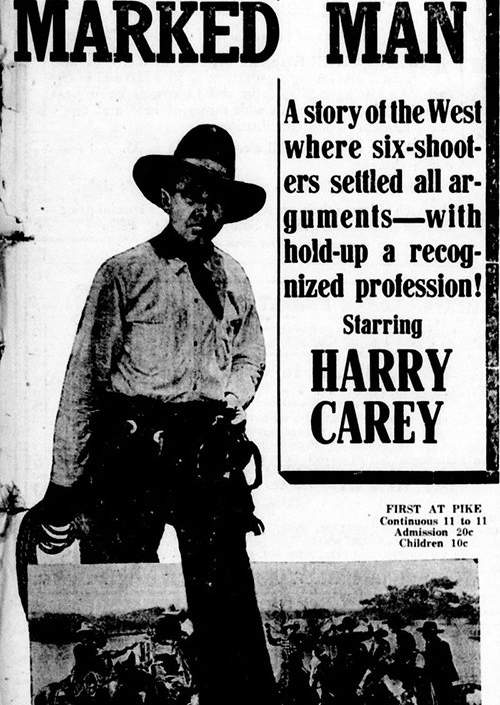
A definitive 4/10 rating for a film that redefined the boundaries of cult cinema. A Marked Man remains a cornerstone of transgressive art.
Stepping back into the silent era, one often finds themselves navigating a landscape of cinematic archaeology, unearthing gems that speak volumes without uttering a single word. John Ford's 1917 Western, A Marked Man (slug: a-marked-man), is precisely one such artifact, a powerful testament to the nascent storytelling prowess that would define a legend. More than just a simple tale of cowboys and outlaws, this film delves into the intricate psychological terrain of denial, unconditional love, and the harsh realities of a lawless frontier. It’s a compelling piece that, despite its age, resonates with an emotional depth often lacking in more contemporary fare, proving that true drama transcends technological advancements.
At its heart, A Marked Man is an exploration of a mother's unwavering, almost pathological, belief in her son. Anna Townsend, in a performance that, even through the veil of time and silent film conventions, projects an immense gravitas, portrays this matriarch. Her character is not merely an elderly woman; she is the living embodiment of an ideal, a bulwark against the harsh truths of her son's existence. She sees him as a prosperous ranch owner, a respected figure whose hands are calloused by honest labor, not by the grip of a gun in a desperate escape. This delusion isn't presented as weakness or senility, but as a profound act of will, a protective cocoon spun around her heart, shielding it from the brutal reality that her beloved son, played with a compelling duality by Hoot Gibson, is an outlaw, a man constantly on the run, marked by the very society his mother believes him to command. This central conflict, the chasm between a mother's perception and her son's grim reality, forms the emotional core of the film, elevating it beyond a mere action-adventure narrative into a psychological drama of considerable weight.
Gibson, a prolific Western star of the era, brings a nuanced portrayal to the 'marked man.' We see glimpses of the son his mother loves, perhaps even a man who yearns for that life, but his actions firmly place him outside the bounds of legality. His quiet desperation, the burden of his secret, and the constant threat of exposure are palpable even without dialogue. His interactions with his mother are particularly poignant, a silent dance of unspoken truths and carefully maintained facades. He cannot shatter her illusions, understanding that her belief is perhaps the only thing that sustains her, and perhaps, in some twisted way, redeems him in his own eyes. This dynamic is reminiscent of the concealed lives and desperate measures seen in films like Garden of Lies or The Yellow Passport, where characters construct elaborate fictions to survive or protect loved ones, though A Marked Man grounds this deception in the very specific, stark context of the American frontier.
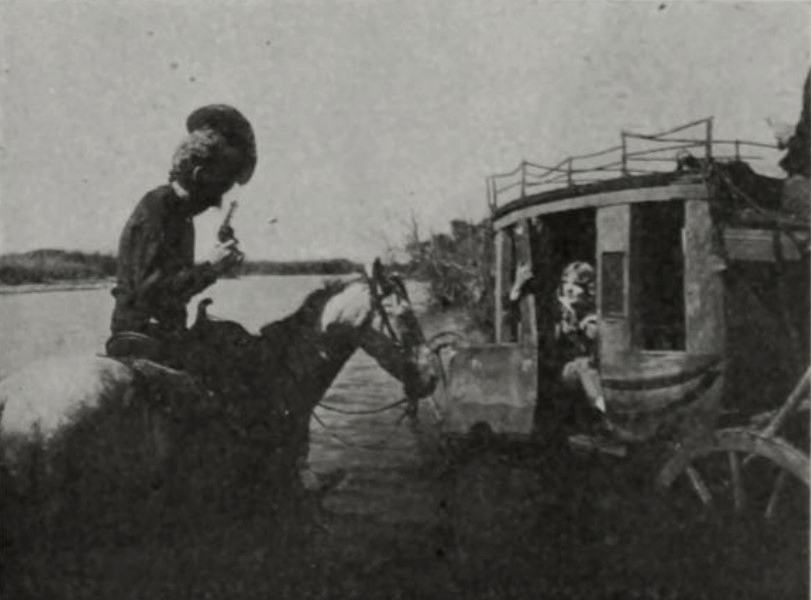
Even in this relatively early work, John Ford's directorial signatures are beginning to emerge. The sprawling landscapes, the emphasis on character over pure spectacle, and a deep understanding of the human condition against the backdrop of a challenging environment are all present. Ford, even then, understood the power of the visual narrative, using the vastness of the Western plains to emphasize both freedom and isolation, and the starkness of the frontier to highlight the stark choices his characters face. The film's pacing, while deliberate, builds tension effectively, particularly as the narrative hurtles towards its inevitable confrontation with justice. The cinematography, though limited by the technology of the time, is remarkably effective in conveying mood and action. Close-ups of Townsend's face, etched with worry and love, speak volumes, while wider shots capture the dynamism of a chase or the solemnity of a looming execution.
The influence of writers John Ford and George Hively is evident in the efficient yet emotionally resonant storytelling. They manage to convey complex relationships and motivations with minimal exposition, relying heavily on visual cues and the actors' expressions. The narrative arc, from the comfortable delusion to the harsh reality of the gallows, and finally to the mother's desperate act, is tightly constructed. This narrative economy is a hallmark of strong silent film writing, where every intertitle and every frame must contribute meaningfully to the plot and character development. The writers skillfully weave the suspense of the outlaw's life with the quiet tragedy of the mother's misunderstanding, culminating in a dramatic climax that feels both inevitable and profoundly shocking.
While Townsend and Gibson carry the emotional weight, the supporting cast, including Molly Malone, William Steele, Harry L. Rattenberry, Vester Pegg, and Harry Carey, contribute significantly to the film's authenticity and dramatic texture. Malone likely embodies a more grounded perspective, perhaps a love interest or a voice of reason, while Steele and Rattenberry probably fill the roles of lawmen or fellow outlaws, adding to the inherent dangers of Gibson's character's life. These actors, through their expressions and physical performances, help to flesh out the world of the frontier, making the stakes feel real and immediate. Their presence grounds the central, almost mythical, conflict of mother and son in a believable community, however harsh or unforgiving it may be. The portrayal of frontier justice, swift and uncompromising, is also a crucial element, underscoring the constant peril faced by those who live outside the law. This stark portrayal of justice echoes the grim realities depicted in other early crime dramas, even those in different genres, such as the relentless pursuit in Fantômas: In the Shadow of the Guillotine, albeit with a distinctly American Western flavor.
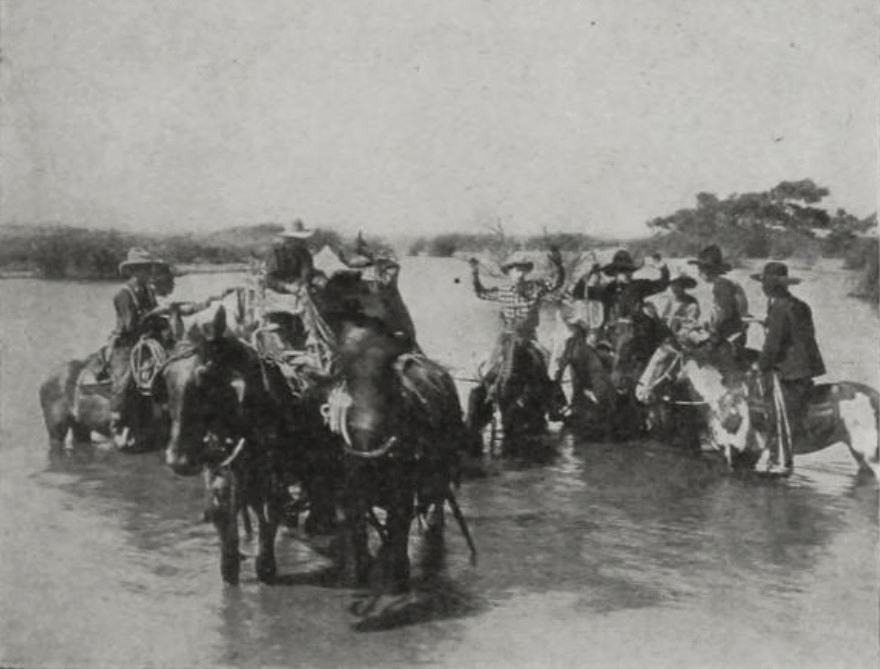
The film's climax, the scene of the impending hanging, is where A Marked Man truly transcends its genre conventions. It’s a moment of raw, visceral drama. The outlaw son, captured and condemned, stands on the gallows, the symbol of frontier law's ultimate judgment. The gathered crowd, the stern faces of the lawmen, the stark rope – all contribute to an atmosphere of grim finality. It is precisely at this moment, when all hope seems lost, that the mother, driven by an almost supernatural force of will, intervenes. Her actions are not those of a rational observer; they are the desperate, instinctual movements of a creature protecting its young. This intervention is not merely a plot device; it is the culmination of her unwavering belief, a physical manifestation of her denial. She doesn't save an outlaw; she saves the ranch owner she believes him to be. This act of salvation, born of delusion, is both tragic and profoundly heroic, highlighting the immense power of a mother's love to defy even the most irrefutable evidence. This kind of last-minute, desperate intervention, driven by deep emotional stakes, can be found in various forms across cinematic history, from the personal struggles in Through Turbulent Waters to the moral dilemmas in Hypocrisy, underscoring the universal appeal of characters pushed to their limits for those they cherish.
Watching A Marked Man today offers a fascinating glimpse into the evolution of cinematic language. Silent films, with their reliance on visual storytelling, exaggerated expressions, and evocative intertitles, developed a unique grammar that is both challenging and rewarding for contemporary viewers. Ford, even in these early years, was a master of this grammar, understanding how to communicate complex emotions and intricate plot points without dialogue. The film stands as a testament to the power of the image, proving that a story can be profoundly moving and deeply engaging even without spoken words. This reliance on visual narrative forces the audience to engage more deeply, to interpret nuances in gestures and expressions, creating a more active viewing experience.
Beyond its historical significance as an early work by a legendary director and a showcase for silent Western stars, A Marked Man retains a timeless relevance. The themes it explores – the nature of identity, the power of perception versus reality, the unconditional and sometimes blinding force of familial love, and the harshness of justice – are universal. How do we reconcile the person we believe someone to be with the person they truly are? What sacrifices are we willing to make for those we love, even when their actions are indefensible? These questions remain pertinent, making the film more than just a historical curiosity. It's a poignant reminder that the human heart, with all its complexities and contradictions, has always been fertile ground for compelling storytelling. The film's examination of a mother's unshakeable faith, even in the face of overwhelming evidence, echoes the profound emotional stakes often explored in melodramas like Livets konflikter or the desperate choices made by protagonists in The Ransom, proving the timelessness of these core human struggles.
In conclusion, A Marked Man is far more than a mere relic of early cinema; it is a meticulously crafted drama that offers a profound insight into human nature. John Ford, even at this nascent stage of his career, demonstrates a keen understanding of character and setting, laying the groundwork for the iconic Westerns he would later create. Anna Townsend's portrayal of the mother is heartbreakingly powerful, a performance that transcends the limitations of the silent medium to deliver a truly memorable character. Hoot Gibson, as the conflicted outlaw, provides the perfect counterpoint, embodying the struggle between his true self and the image his mother holds dear. The film's ability to evoke such strong emotions and provoke thought, without a single spoken word, is a testament to its enduring artistry and the skill of its creators. It’s a film that reminds us of the power of belief, the weight of a secret, and the extraordinary lengths to which love will go, even in the unforgiving expanse of the Old West.
For those interested in the origins of the Western genre, the early works of John Ford, or simply a deeply moving human drama, A Marked Man is an essential viewing experience. It’s a film that leaves an indelible mark, much like its titular character, on the landscape of cinematic history.
IMDb —
1930
Community
Log in to comment.