DbcultAccessing Vault...
Cult Review
Senior Film Conservator
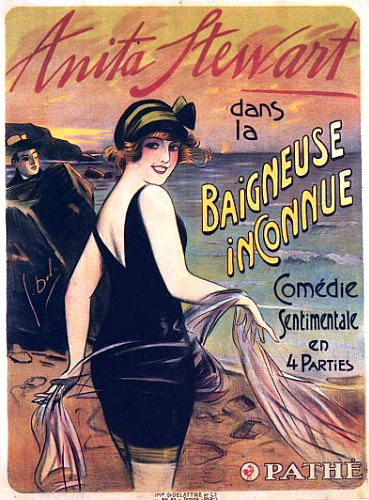
The year 1919 stood as a threshold between the Victorian remnants of the past and the burgeoning modernity of the Roaring Twenties. Within this liminal space, A Midnight Romance emerges as a profound meditation on the volatility of identity and the fragility of social architecture. Directed and written by the legendary Lois Weber—a filmmaker whose name is synonymous with intellectual depth and social critique—this film transcends the typical melodrama of its era to offer a biting commentary on the arbitrary nature of class. It is a work that feels remarkably contemporary in its deconstruction of status, even as it utilizes the lush, silent-era visual language that defined the early 20th century.
The narrative engine is fueled by the magnetic presence of Anita Stewart, whose portrayal of Marie is a masterclass in subtlety. Initially presented as a humble hotel maid, Stewart conveys a sense of suppressed nobility that hints at the secrets lurking beneath her apron. Opposing her is Jack Holt as Roger, the millionaire’s son whose conflict is not one of malice, but of systemic indoctrination. The tragedy of their first encounter lies in Roger’s inability to see beyond the uniform. Unlike the themes explored in The Money Master, where wealth is a tool of overt manipulation, here it is a psychological barrier that prevents Roger from achieving true emotional honesty.
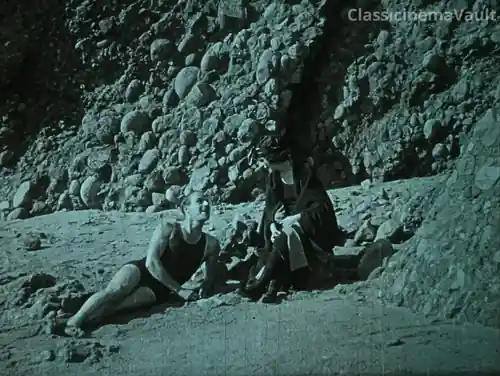
Lois Weber’s mise-en-scène meticulously delineates the spaces occupied by the characters. The hotel, with its labyrinthine corridors and stark contrasts between the lavish suites and the service quarters, serves as a microcosm of the global class struggle. We see echoes of this spatial politics in The House of Lies, yet Weber brings a specific feminine gaze that highlights the vulnerability of women within these rigid structures. When Roger rejects Marie, it is a moment of profound cowardice disguised as filial piety—a theme that resonates through the ages and finds a different, more youthful expression in Little Lord Fauntleroy.
The second act of the film introduces a narrative twist that could have easily descended into farce under a less capable hand. The revelation that Marie is a princess is handled with a sense of tragic irony rather than celebratory triumph. By the time Roger discovers her true station, the power dynamics have shifted so violently that he finds himself in the exact position of inferiority that Marie once occupied. This inversion is a brilliant stroke of writing, highlighting the absurdity of the very labels that kept them apart. It mirrors the existential dread found in Der Märtyrer seines Herzens, where the protagonist is similarly crushed by the weight of societal expectations.
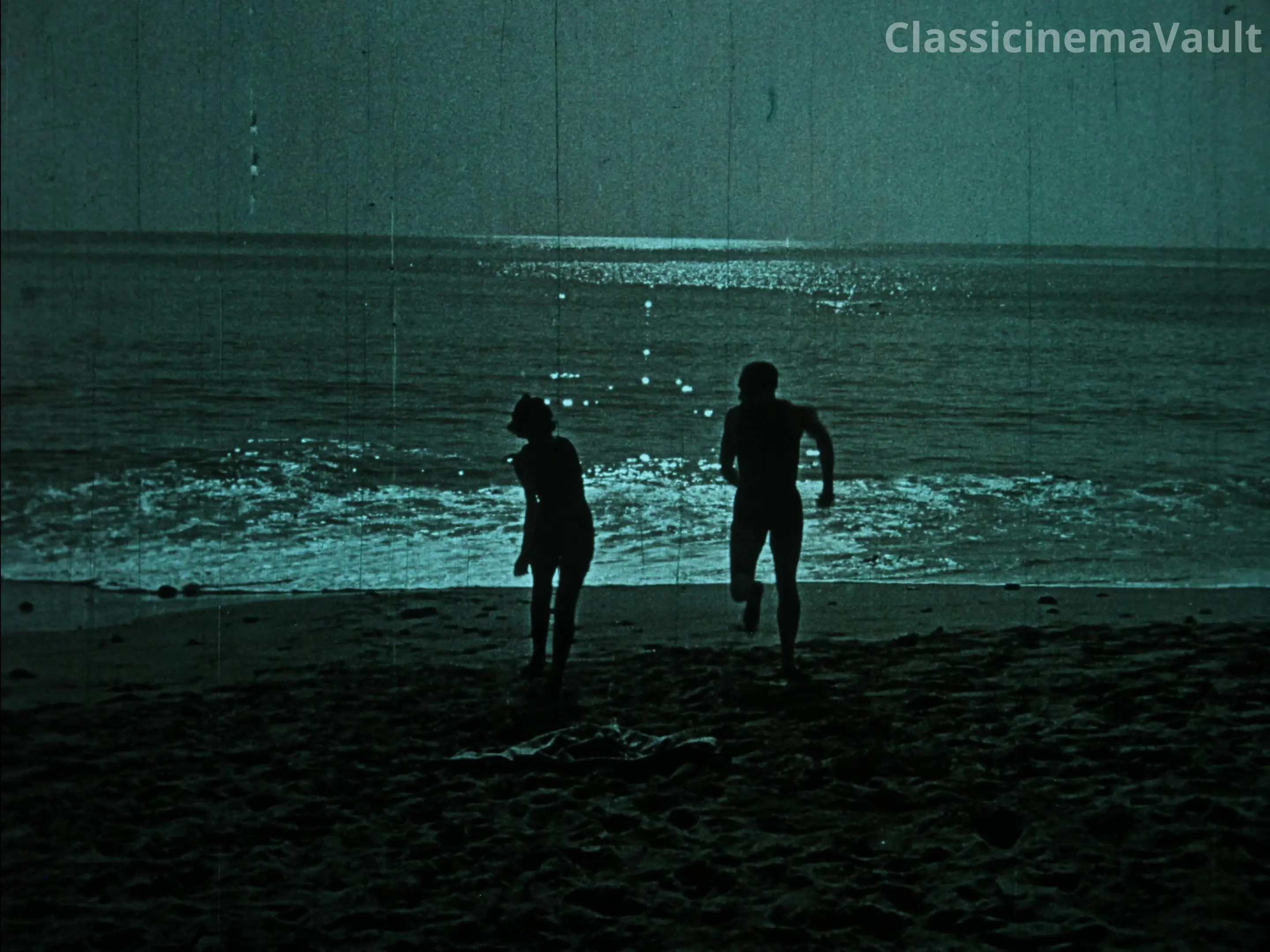
What elevates A Midnight Romance beyond a mere romance is its inclusion of the Bolshevik Revolution. In many silent films, such historical events were treated as distant thunder, but Weber utilizes the revolution as a literal and metaphorical fire that purges the world of its titles. The chaos in Russia serves as the ultimate equalizer. When the crowns fall and the palaces are stormed, the distinction between a millionaire’s son and a princess becomes irrelevant. This geopolitical intrusion provides a resolution that is both earned and hauntingly beautiful. It shares a thematic kinship with Stolichnyi iad, which also grappled with the decaying grandeur of the Russian elite.
The cinematic techniques employed during the revolutionary sequences are surprisingly visceral. Weber uses rapid cutting and stark, high-contrast lighting to convey the collapse of the old order. The sense of urgency is palpable, a far cry from the languid pacing of Still Waters. Here, the stakes are not just matters of the heart, but matters of survival. The revolution acts as a narrative solvent, dissolving the barriers that Roger and Marie could not dismantle themselves. It is a sobering reminder that often, only total systemic collapse can facilitate true human connection.
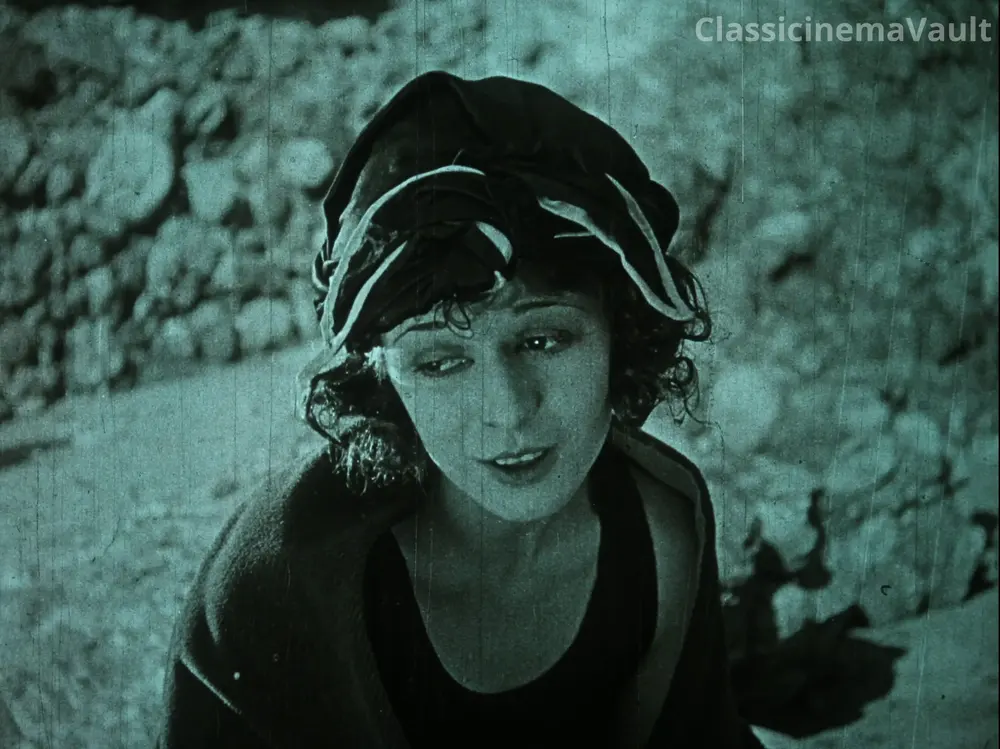
The cast, including Montague Dumond and Juanita Hansen, provides a sturdy framework for the central duo. Hansen, in particular, brings a certain vivacity that contrasts with Stewart’s more melancholic performance. The cinematography by the uncredited but clearly skilled crew captures the opulence of the wealthy and the grit of the revolution with equal aplomb. One cannot help but compare the visual splendor here to the allegorical beauty of The Triumph of Venus, though Weber’s work is far more grounded in political reality.
Jack Holt delivers a performance that is uncharacteristically vulnerable for the era’s leading men. His Roger is not a swashbuckling hero but a man paralyzed by the fear of social ostracization. This psychological realism is a hallmark of Weber’s direction. She was never interested in caricatures, preferring instead to explore the messy, often contradictory impulses of the human psyche. This depth of character is also evident in Overalls, another film that looks at the person beneath the social costume.
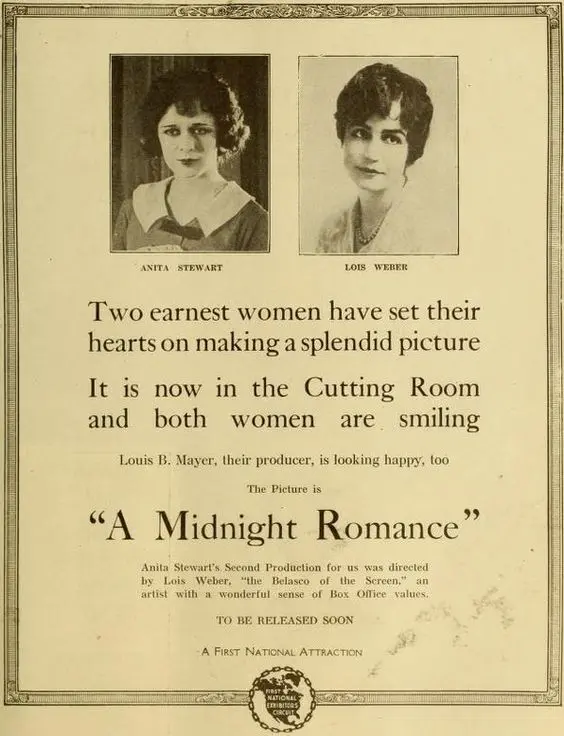
As we look back at A Midnight Romance from a century’s distance, its themes of displacement and the search for authentic identity remain strikingly relevant. The film does not offer a simple happy ending; rather, it offers a hard-won peace in a world that has been irrevocably changed. It avoids the sentimental traps found in Blind Man's Holiday or the melodramatic excesses of Gold and the Woman. Instead, it presents a vision of love that is only possible when the participants are stripped of their external identifiers.
The film’s exploration of inherited status vs. earned character is also reflected in Inherited Passions, but Weber’s focus on the intersection of gender and class adds a layer of complexity that sets it apart. Marie’s journey from maid to princess to refugee is a testament to the resilience of the female spirit in a world designed to categorize and confine it. Even in the face of the sweeping historical epics like The Napoleonic Epics, this intimate story of two souls caught in the gears of history holds its own through sheer emotional honesty.
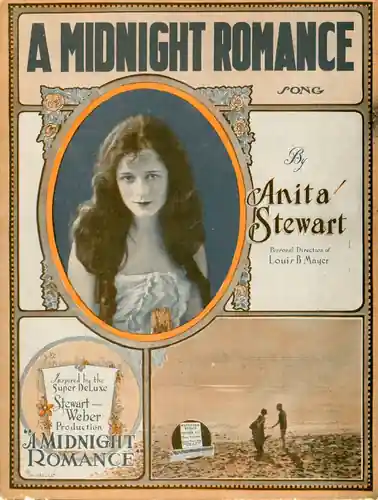
The visual storytelling here is a reminder of why Lois Weber was once the highest-paid director in Hollywood. Every frame is composed with an eye for balance and narrative significance. The use of intertitles is sparse, allowing the actors’ expressions and the carefully choreographed movements to carry the weight of the story. This is pure cinema, unencumbered by the need for spoken dialogue, much like the atmospheric tension found in Il mistero dei Montfleury. The costumes, ranging from the drab uniforms of the service staff to the ornate gowns of the nobility, serve as a visual shorthand for the film's central conflict.
In the final act, the imagery of the revolution—smoke, fire, and the frantic movement of the masses—creates a sense of cosmic justice. The film suggests that the old world had to burn to make room for something more human. It is a bold, almost radical stance for a 1919 production, echoing the patriotic but complex sentiments of For King and Country. Weber’s Marie is not a victim of the revolution, but a survivor of it, finding her freedom in the ashes of her former life.
Ultimately, A Midnight Romance is a triumph of early feminist filmmaking and social critique. It challenges the viewer to look beyond the surface, to question the hierarchies we take for granted, and to recognize the inherent dignity of the individual regardless of their station. Like the enigmatic figures in The Fox Woman, Marie is a character of many layers, and Anita Stewart’s performance ensures that every one of those layers is felt by the audience. This is a film that demands to be seen, not just as a historical curiosity, but as a vibrant, breathing piece of art that continues to speak to the human condition.
A Midnight Romance is a sophisticated, intellectually rigorous exploration of class and revolution. Lois Weber’s direction is impeccable, and Anita Stewart delivers one of the most nuanced performances of the silent era. It is a vital chapter in cinematic history that remains as potent today as it was in 1919.
IMDb 8
1927
Community
Log in to comment.