DbcultAccessing Vault...
Cult Review
Senior Film Conservator
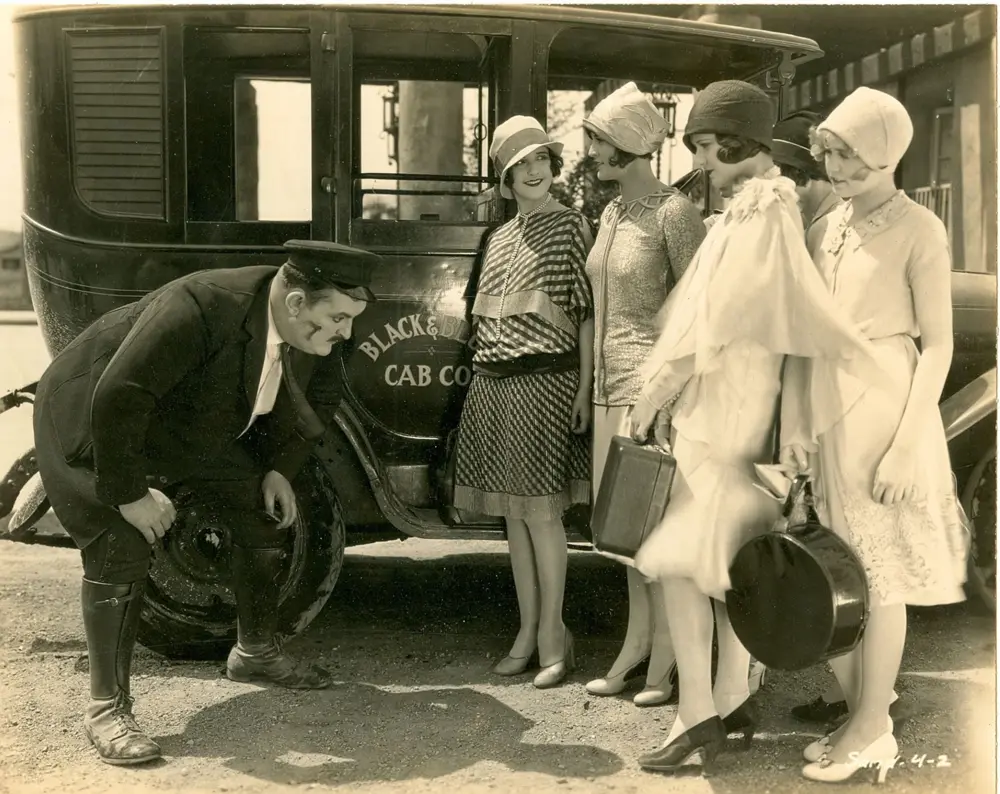
Is 'A Midsummer Night's Steam' a forgotten gem begging for rediscovery, or a relic best left in the annals of silent cinema? Short answer: yes, but with a few caveats that demand a specific taste from its audience. This film is unequivocally for those who appreciate the physical comedy and unique narrative rhythms of early 20th-century filmmaking, particularly fans of slapstick and farcical misunderstandings. Conversely, viewers accustomed to modern pacing, dialogue-driven humor, or sophisticated character arcs will likely find its charms elusive, if not entirely baffling.
It’s a film that demands a certain surrender to its era, a willingness to engage with a form of storytelling that speaks through exaggerated gesture, rapid-fire editing, and a relentless pursuit of the visual gag. For the right viewer, it’s a delightful, if occasionally exhausting, journey into the heart of silent-era farce. For others, it might feel like watching a foreign language film without subtitles, the humor occasionally lost in translation across a century of cinematic evolution.
Early in our exploration, it's crucial to distill the essence of 'A Midsummer Night's Steam' into its fundamental strengths and weaknesses.
This film works because... of its relentless commitment to physical comedy, leveraging a talented ensemble cast whose expressive faces and exaggerated movements carry the narrative with surprising clarity. The uncredited director understands the mechanics of farce, orchestrating a series of escalating mishaps with admirable precision.
This film fails because... its humor, while often inventive, occasionally feels stretched thin across its runtime, relying on repeated gags that lose their punch after the initial surprise. A few sequences linger longer than necessary, hinting at a slight padding of the runtime that could have been trimmed for tighter comedic impact.
You should watch it if... you're curious about the roots of cinematic comedy, enjoy the broad strokes of silent-era farce, and are willing to embrace a film that prioritizes visual spectacle over intricate plotting. It’s a genuine artifact of its time, offering a window into the comedic sensibilities that shaped an entire generation of filmmakers and audiences.
The narrative, while ostensibly simple, is a masterclass in building comedic tension through setting and character archetype. The Elysian Springs, a health resort positioned as a bastion of tranquility, becomes the perfect pressure cooker for a comedy of manners gone awry. Mr. Bumble, played with a delightful blend of pomposity and panic by Henry Armetta, is the quintessential authority figure whose world is about to unravel. His wife, Lucille Miller's Mrs. Bumble, is his equally rigid counterpart, a woman whose stern gaze could curdle milk. Their collective anxiety over maintaining 'proper' resort decorum sets the stage for inevitable breakdown.
The catalyst for this delightful pandemonium arrives in the form of Professor Phineas Fogg, portrayed by W.T. McCulley. Fogg is not merely a guest; he is a walking, talking (or rather, gesturing) anachronism, a man of science burdened by a mysterious 'nervous condition' and an even more mysterious steam-powered therapeutic device. This contraption, more a character than a prop, serves as the engine for much of the film's physical comedy, its unpredictable hisses and bursts of steam disrupting the carefully curated order of the resort.
The supporting players, particularly Eddie Clayton's impish bellhop and Sally Phipps's charmingly irreverent bath attendant, provide the necessary sparks to ignite the Bumbles' fuse. Their youthful exuberance and disregard for stuffy rules are a stark contrast to the resort's management, creating a dynamic friction that is ripe for comedic exploitation. The plot escalates from minor misunderstandings – a misplaced towel here, an accidental splash there – into a full-blown farcical chase, all centered around the Professor’s device and the Bumbles' desperate attempts to restore order amidst the rising steam.
It’s a setup that promises, and largely delivers, a cascade of visual gags and physical humor, demonstrating a keen understanding of silent film storytelling. The lack of spoken dialogue forces the narrative to be communicated through expressive performances and carefully choreographed action, making every gesture and facial contortion critically important to the audience's comprehension and enjoyment.
In silent cinema, the actor’s body is their voice, and the cast of 'A Midsummer Night's Steam' speaks volumes. Henry Armetta, as Mr. Bumble, is a revelation of comedic timing. His perpetually furrowed brow and frantic gestures become a comedic anchor, particularly in a scene where he attempts to discreetly retrieve a misplaced garment from a bustling steam room, his every movement a masterclass in controlled panic. He embodies the 'dignified man in an undignified situation' trope with an almost painful sincerity that elicits genuine laughs.
Lucille Miller, as Mrs. Bumble, offers a perfect foil. Her rigid posture and disapproving glares are a constant source of humor, a comedic counterpoint to Armetta’s escalating hysteria. There’s a particular moment where she discovers the Professor’s device emitting an alarming amount of steam in a 'ladies only' section, and her expression shifts from stern indignation to wide-eyed horror in a blink, a testament to the power of silent acting.
W.T. McCulley’s Professor Phineas Fogg is a delightful caricature of the eccentric inventor. He moves with an almost childlike wonder, oblivious to the chaos he inadvertently causes. His interactions with the steam device are especially noteworthy; his attempts to control it often result in further mayhem, his bewildered expressions adding layers to the escalating absurdity. It’s a performance that truly grounds the film’s more fantastical elements in a believable, if exaggerated, human response.
The younger cast members, Eddie Clayton and Sally Phipps, bring a youthful energy that prevents the film from becoming too bogged down in the Bumbles' anxieties. Clayton's bellhop is a whirlwind of cheeky grins and nimble escapes, often seen darting through the background, subtly instigating further mischief. Phipps, as the bath attendant, possesses a charming defiance, her playful interactions with guests and her disregard for stuffy rules acting as a breath of fresh air amidst the resort's stifling atmosphere. Their presence ensures the film maintains a light, buoyant tone, even as the chaos reaches its peak. One might draw parallels to the early farcical adventures seen in films like Mary Moves In, which also relied heavily on domestic chaos for its laughs, but 'A Midsummer Night's Steam' injects a more public, resort-based mayhem.
Despite the uncredited nature of its direction, 'A Midsummer Night's Steam' exhibits a confident hand in orchestrating its comedic set pieces. The pacing is, for the most part, commendably brisk, especially during the film's initial setup and its riotous climax. The director understands the rhythm of slapstick, allowing gags to build, peak, and then quickly transition to the next, maintaining a sense of momentum that is crucial for sustained laughter.
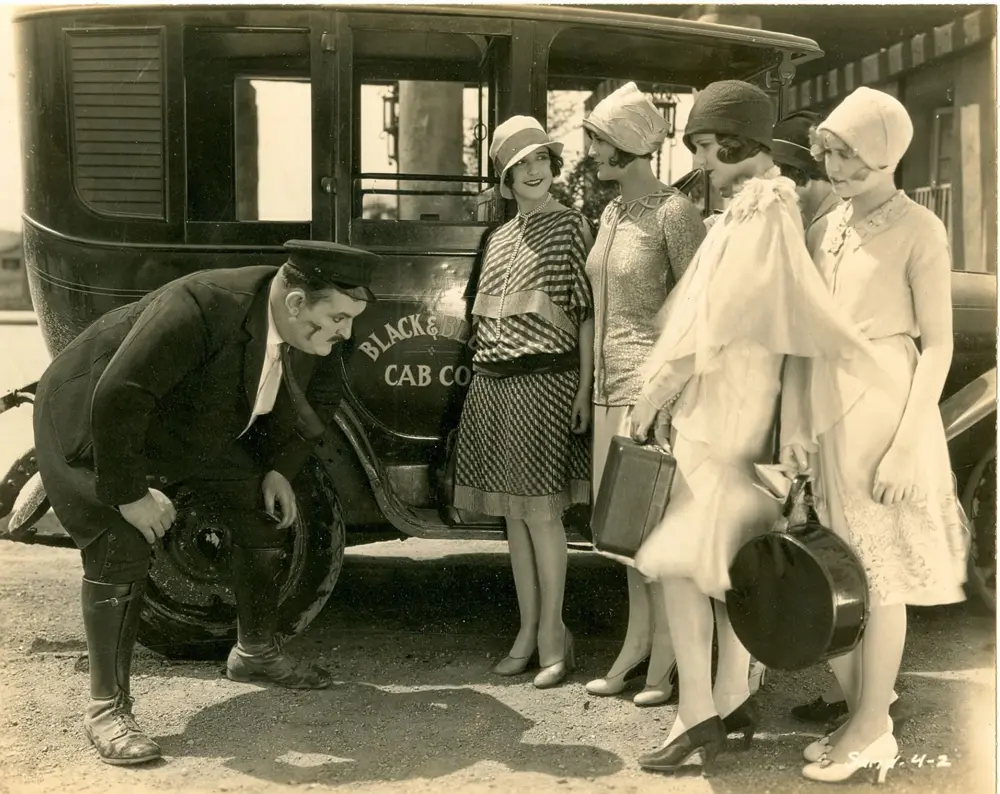
The use of parallel editing, particularly during the climactic chase through the mud baths and steam rooms, is surprisingly effective. Cutting rapidly between the bewildered Professor Fogg, the frantically pursuing Bumbles, and the increasingly disoriented resort guests, amplifies the escalating chaos. This technique, while common today, feels dynamic and purposeful in the context of this silent film, demonstrating an early understanding of how editing could heighten comedic tension. It’s a clear example of how silent filmmakers were pushing the boundaries of visual storytelling long before sound arrived.
However, there are moments where the pacing falters. A recurring gag involving a perpetually malfunctioning steam valve, while initially amusing, outstays its welcome in the film's second act, causing a slight dip in energy. It’s a minor misstep, but one that highlights the challenge of sustaining pure visual comedy without the aid of dialogue to vary the comedic texture. The director's reliance on a few too many reaction shots during these extended gags could have been tightened, allowing for a more relentless comedic assault.
Despite these small lulls, the overall direction ensures that the film never truly loses its way. The blocking of the actors within the often-crowded resort sets is handled with precision, allowing for multiple layers of comedic action to unfold simultaneously. It’s a testament to the director’s ability to manage a busy frame and keep the audience’s attention focused on the most immediate source of humor. The film’s comedic spirit, while distinct, shares a certain DNA with the lighthearted escapism found in features such as The Innocent Lie, albeit with a much more frantic energy.
The visual aesthetic of 'A Midsummer Night's Steam' is deeply rooted in the conventions of its era, yet it employs these conventions with a clarity that serves the comedic purpose. The cinematography, while not groundbreaking, is functional and effective. The soft, diffused lighting often used in the 'Elysian Springs' promotional shots, subtly highlighting the ornate spa architecture and the Bumbles' attempts at grandeur, contrasts sharply with the stark, high-key lighting employed for the frantic chase sequences. This visual shift effectively emphasizes the comedic transition from serene luxury to utter pandemonium, guiding the audience's emotional response.
The use of medium shots and wider frames allows the audience to fully appreciate the physical comedy and the intricate choreography of the ensemble. Close-ups are reserved for moments of intense reaction – a horrified grimace from Mrs. Bumble, a wide-eyed stare from Professor Fogg – effectively drawing the viewer into the characters' immediate emotional states. While the film doesn't boast the grand, sweeping vistas of some silent epics, its focus on interior spaces is deliberate and well-executed.
The production design of the Elysian Springs resort is commendable. The sets, from the bustling lobby to the steamy bathhouses and the chaotic mud baths, feel lived-in and authentic to the period. The attention to detail in the spa equipment, the period costumes, and the general ambiance contributes significantly to the film’s immersive quality. The Professor’s steam device, in particular, is a wonderfully conceived prop, its clunky, unpredictable nature a constant source of visual humor and narrative progression. It’s a testament to the ingenuity of early filmmakers working within practical constraints, creating a believable (within the context of farce) world for their characters to inhabit.
The visual gags are often enhanced by the clear, uncluttered framing, ensuring that every pratfall, every comedic collision, and every spray of steam is perfectly visible and impactful. This simplicity in presentation is, ironically, one of the film’s strengths, allowing the inherent humor of the situation and the performances to shine without distraction. It’s a reminder that sometimes, less is indeed more, especially when the comedic timing is as precise as it is here.
Watching 'A Midsummer Night's Steam' today is more than just an academic exercise in cinematic history; it’s an opportunity to connect with the foundational elements of screen comedy. While many contemporary critics might dismiss silent film for its perceived simplicity, this movie inadvertently reveals a deeper truth: the purest forms of comedy often stem from universal human predicaments, stripped bare of linguistic nuance. The embarrassment of public exposure, the frustration of technological malfunction, the absurdity of social pretenses – these are timeless themes that transcend the need for dialogue.
Perhaps the most surprising element is how *modern* some of the silent film techniques feel, particularly in their ability to convey complex emotions without a single spoken word. It challenges the notion that dialogue is always king, demonstrating that a well-timed glance, a frantic gesture, or a perfectly executed pratfall can communicate volumes. It works. But it’s flawed.
The film serves as a valuable reminder of the ingenuity required to tell stories visually. Without the crutch of spoken words, filmmakers were forced to be inventive, relying on visual cues, exaggerated performances, and dynamic editing to engage their audiences. This constraint often led to a heightened sense of theatricality that, while perhaps jarring to modern sensibilities, is undeniably captivating once you adjust to its rhythm. Its comedic roots can be traced to vaudeville and stage farce, but its execution is purely cinematic, leveraging the unique capabilities of the medium.
For those willing to bridge the temporal gap, 'A Midsummer Night's Steam' offers genuine laughs and a fascinating insight into the evolution of comedic cinema. It stands as a testament to the enduring power of physical humor and the universal language of human folly, proving that a good laugh doesn't always need an audible punchline. Its charm, though perhaps niche, is undeniable, particularly for those who cherish the rich tapestry of film history.
Absolutely, but with a significant caveat. This film is a specific taste. It's not for everyone, and that's perfectly fine. If you approach it with an open mind and an appreciation for the history of cinema, particularly the silent era, you'll find much to enjoy. It’s a film that asks you to meet it halfway, to adjust your expectations of pacing and humor to its specific cadence.
For silent film enthusiasts, it’s a delightful, if perhaps minor, entry into the canon of farcical comedies. For newcomers to the genre, it could serve as an accessible entry point, demonstrating the raw energy and inventiveness that defined early cinema. Its plot is easy to follow, and its humor, though broad, is generally clear. It’s less about intellectual engagement and more about pure, unadulterated visual fun.
However, if you struggle with the lack of dialogue, find exaggerated physical comedy tiresome, or demand complex character development, 'A Midsummer Night's Steam' might test your patience. It’s a product of its time, and while its core humor is timeless, its presentation certainly isn't. It’s a film that rewards patience and a sense of historical curiosity, offering a unique glimpse into a bygone era of entertainment.
‘A Midsummer Night's Steam’ is a spirited, if imperfect, relic from the silent era that offers a potent dose of old-fashioned farce. While it won't convert skeptics of silent film, it provides ample entertainment for those attuned to its unique rhythms and visual language. Its charm lies in its unpretentious commitment to making its audience laugh through sheer physical effort and inventive gags. It’s a valuable piece of cinematic history that, for the right viewer, still delivers a satisfying comedic punch. It’s not a masterpiece, but it’s undeniably a lot of fun, particularly if you're prepared to embrace its wonderfully chaotic, steam-filled world. A solid watch for those who appreciate the foundational humor of the silver screen, even if it occasionally runs out of steam itself.
IMDb 6.5
1918
Community
Log in to comment.