DbcultAccessing Vault...
Cult Review
Senior Film Conservator
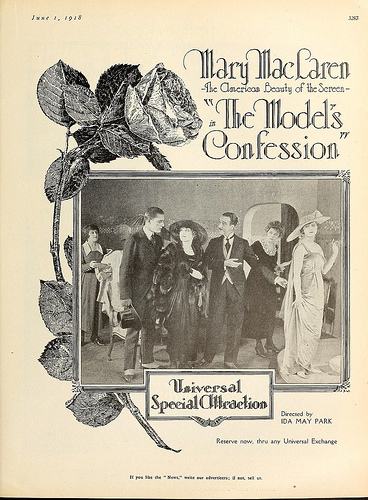
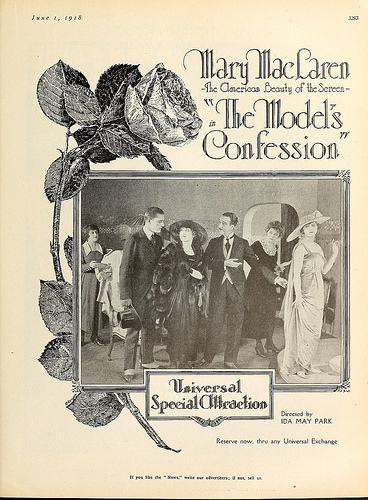
The early cinematic landscape, often a fertile ground for exploring human foibles and societal constructs, occasionally yielded narratives of profound emotional resonance. Among these, 'A Model's Confession' stands as a compelling, if somewhat overlooked, testament to the era's storytelling prowess. It's a film that masterfully weaves together themes of identity, class aspiration, and the convoluted pathways to familial reconciliation, all against a backdrop of burgeoning metropolitan glamour and underlying moral ambiguities. From its very inception, the narrative plunges us into a world where appearances are paramount, and the pursuit of social standing often dictates personal integrity. The film doesn't merely present a plot; it unfolds a tapestry of human desires and desperate measures, each thread meticulously placed to reveal the intricate patterns of a society grappling with its own contradictions.
At the heart of 'A Model's Confession' lies Iva Seldon, portrayed with a compelling blend of vulnerability and resolve by Mary MacLaren. Iva's life as a model at Armande's, a purveyor of high fashion, positions her at the periphery of the very society she yearns to penetrate. Her existence is one of observation, intimately familiar with the trappings of wealth yet personally distanced from its embrace. This initial setting establishes a crucial tension: the constant proximity to luxury without the means to claim it. Enter Billy Ravensworth, a character whose initial presentation as a man of means purchasing lavish gowns for the enigmatic Rita Challoner quickly devolves into a revelation of his true, impoverished circumstances. This initial deception, a bad check, serves as the catalyst for Iva's journey, propelling her from the relative anonymity of the atelier into the heart of a scandal that becomes profoundly personal.
The pivotal moment arrives when Iva is dispatched to retrieve the unpaid finery from Rita Challoner's residence. Here, a chance encounter with Bertrand Seldon, impeccably portrayed by Louis Willoughby, shatters the mundane. Iva recognizes him as her father, a man who had abandoned his family years ago, leaving a void of unacknowledged lineage. This discovery is not merely a plot point; it is the fulcrum upon which Iva’s entire trajectory pivots. The emotional weight of this recognition, silent yet palpable, transforms the narrative from a simple tale of debt collection into a profound exploration of identity and unresolved paternal relationships. The film, through subtle visual cues and MacLaren's expressive performance, conveys the seismic shift within Iva – the sudden confluence of her professional duty and deeply personal history. This moment resonates with the quiet desperation seen in films like En Søns Kærlighed, where familial bonds, once severed, dramatically resurface.
The character of Rita Challoner, brought to life by Edna Earle, is a fascinating study in early cinematic 'vamp' archetypes – cold, calculating, and ultimately pragmatic. Her swift abandonment of Billy upon discovering his financial precarity underscores the transactional nature of certain societal relationships depicted in the era. This rejection, while harsh, inadvertently creates the vacuum into which Iva steps, offering Billy a lifeline in exchange for his participation in her audacious scheme. Iva's proposition for Billy to pose as her fiancé is a calculated gamble, a strategic maneuver to leverage societal expectations for her own entry into the upper echelons. It’s a testament to her intelligence and resourcefulness, a stark contrast to the passive heroines often seen in contemporary cinema. This kind of self-determination, even if born of desperation, echoes the spirited protagonists found in narratives like The Common Law, where women navigate complex social landscapes to secure their place.
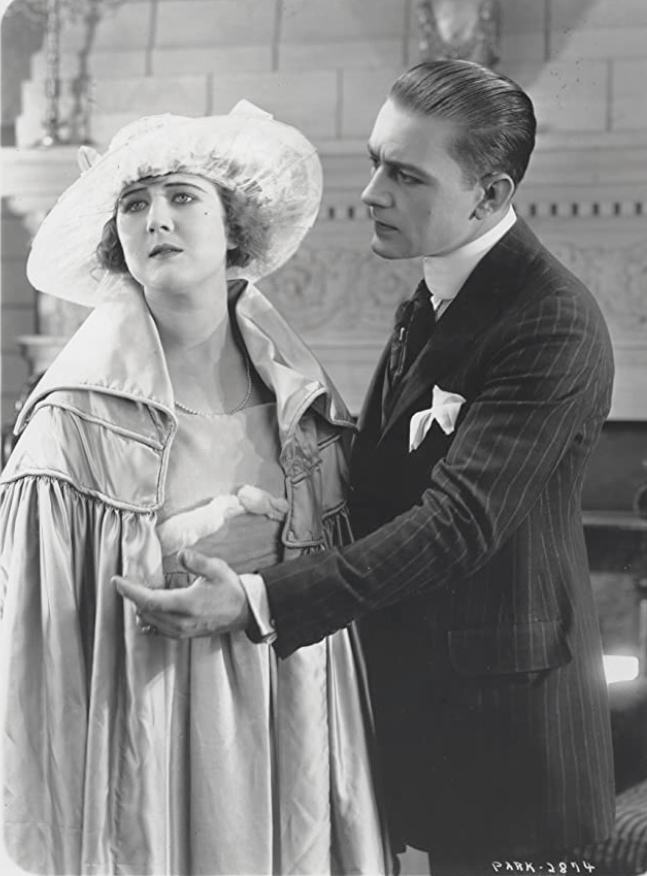
Kenneth Harlan's portrayal of Billy Ravensworth is equally nuanced. Initially presented as a charming rogue, beholden to financial artifice, Billy gradually evolves. His agreement to the masquerade with Iva, driven by self-interest and a need for her money, slowly gives way to genuine emotion. The burgeoning jealousy he experiences over Iva's apparent romance with Bertrand is a crucial turning point, signaling a shift from a purely transactional relationship to one imbued with authentic feeling. This emotional complexity elevates Billy beyond a mere plot device, transforming him into a character capable of growth and introspection. The film subtly explores the idea that even the most opportunistic individuals can be swayed by the unexpected currents of the heart, a theme often explored in melodramas of the period.
The strength of 'A Model's Confession' lies significantly in the performances of its ensemble cast. Mary MacLaren, as Iva Seldon, carries the film with an impressive range of emotion, conveyed primarily through facial expressions and body language, a hallmark of silent era acting. Her eyes, in particular, speak volumes – from the quiet longing in the early scenes to the determined resolve of her social ascent, and finally, the profound sorrow and revelation in the film's climax. Kenneth Harlan's Billy Ravensworth is charming and conflicted, embodying the morally ambiguous character with a certain roguish appeal that makes his eventual emotional awakening believable. Louis Willoughby's Bertrand Seldon is the epitome of the detached society man, his eventual recognition of Iva imbued with a tragic grace that is both poignant and earned. Edna Earle's Rita Challoner, though a smaller role, carves out a memorable impression as the 'vamp' whose pragmatism drives key plot developments. The supporting cast, including Gretchen Lederer and Herbert Prior, contribute to the film's believable social fabric, each playing their part in the intricate dance of societal expectations and personal desires.
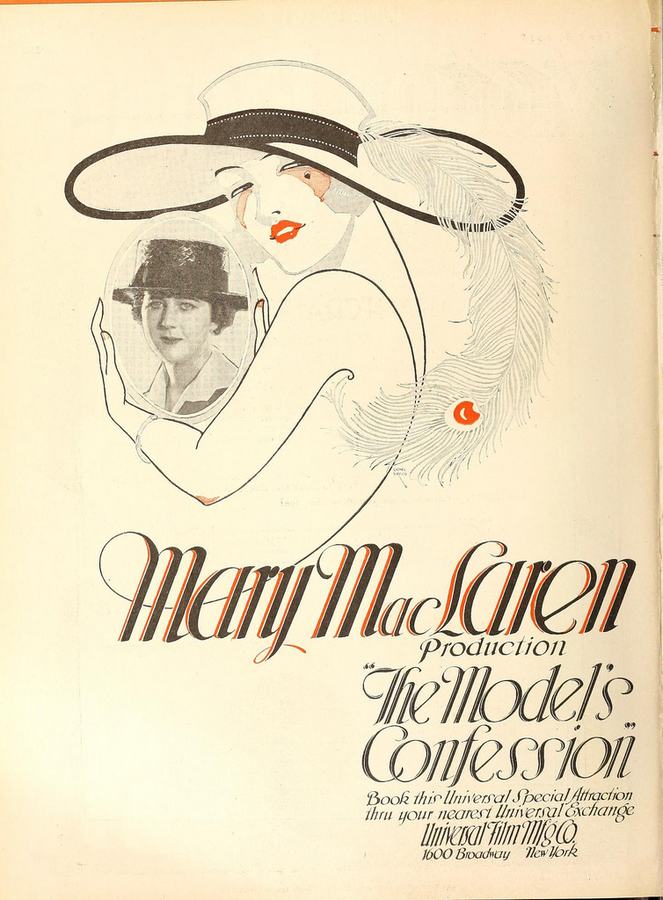
The writers, Ida May Park and Ruby M. Ayres, deserve commendation for crafting a narrative that, while adhering to many melodramatic conventions of the time, manages to inject considerable psychological depth. Their screenplay avoids simplistic villainy and heroism, instead presenting characters driven by a complex mix of ambition, survival, and ultimately, love. The gradual unveiling of Iva's identity, the slow burn of Billy's jealousy, and Bertrand's belated paternal recognition are all testament to a well-structured narrative design. The plot's twists are not merely for shock value; they serve to deepen character arcs and propel the thematic exploration forward. This careful construction allows the silent performances to truly shine, giving the actors ample emotional terrain to traverse without the crutch of dialogue. Their narrative craftsmanship shares a certain meticulousness with other period dramas like The Mystery of Edwin Drood, where intricate plots unravel with deliberate pacing.
As a product of the silent era, 'A Model's Confession' relies heavily on visual storytelling, a craft that, when executed well, transcends the absence of spoken words. The film employs a rich visual language – from the elaborate costumes that signify social status to the grand sets that evoke the era's opulence. The use of close-ups to capture the subtle shifts in characters' emotions is particularly effective, allowing the audience to connect intimately with their inner turmoil and unspoken thoughts. The pacing, characteristic of early cinema, allows for moments of quiet reflection and prolonged tension, building suspense through visual cues rather than rapid-fire dialogue. The cinematography, though perhaps not groundbreaking for its time, efficiently serves the narrative, framing the drama with a keen eye for composition and emotional impact. The visual grammar of the film, in its depiction of social climbing and hidden identities, brings to mind the intricate narrative structures of films such as Lady Audley's Secret, where secrets are revealed through careful visual cues and dramatic staging.
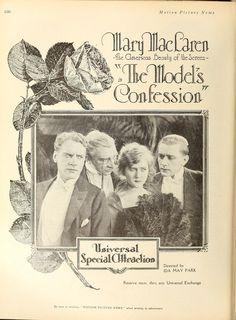
The film's direction, while uncredited, demonstrates a clear understanding of how to maximize the emotional impact of silent film techniques. The sequence leading up to the car plunging down a cliff is particularly effective, building tension through escalating peril and the desperate pleas conveyed through the actors' expressions. The revelation of Iva's identity in these dire circumstances is a masterstroke of dramatic timing, amplifying the emotional stakes and ensuring Bertrand’s recognition is imbued with profound significance. This climax is not merely an action sequence; it is a crucible for truth, forcing long-buried secrets into the light. Such dramatic confrontations, often culminating in profound revelations, were a staple of the era, offering audiences cathartic resolutions to complex moral dilemmas. The dramatic weight of such moments often defined the success of films like The World's Great Snare, where characters are forced to confront their pasts under duress.
Thematically, 'A Model's Confession' delves into the perennial human quest for identity and belonging. Iva's journey is a poignant struggle against the societal constraints of her birth and the emotional burden of paternal abandonment. Her decision to use deception to enter society is not portrayed as purely villainous but rather as a desperate measure born of profound longing and a desire to reclaim a heritage denied to her. This moral ambiguity adds layers to her character, making her more relatable than a straightforward heroine. The film also critiques the superficiality of high society, where wealth and status often mask underlying moral failings and personal emptiness. Rita Challoner's 'vampire' moniker, while perhaps a bit sensational, effectively conveys the emotional barrenness that can accompany a life solely focused on material gain.
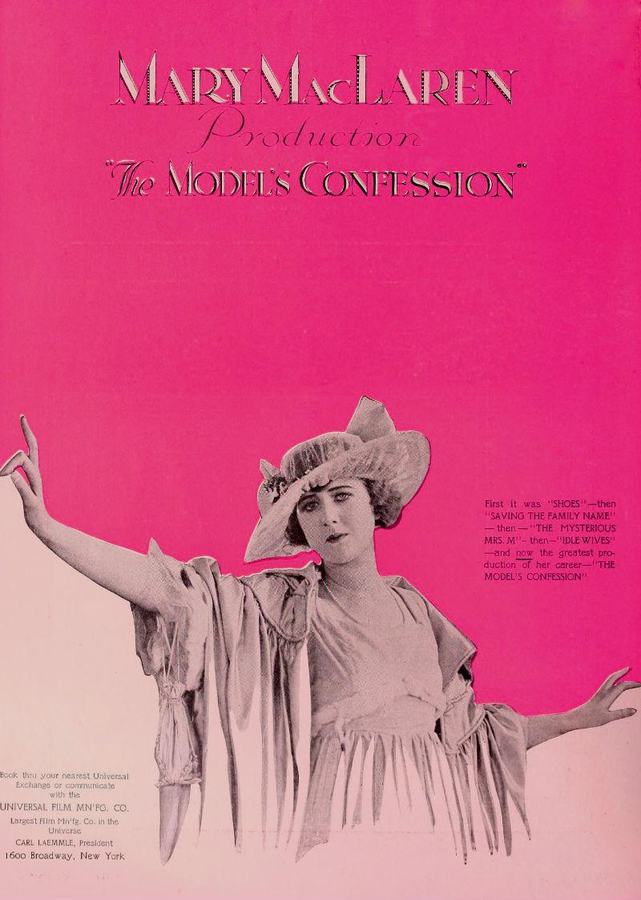
The film's resolution, with Bertrand's eleventh-hour recognition of his daughter and the subsequent inheritance, offers a classic melodramatic conclusion – a triumph of justice and familial love over past wrongs. This ending, while perhaps idealized, provides a satisfying emotional closure, suggesting that even in a world riddled with deceit and social stratification, there remains hope for redemption and a fresh start. The new life Iva and Billy embark upon is not merely a financial windfall but represents a chance to build a relationship founded on honesty and genuine affection, free from the masquerades that defined their earlier interactions. It speaks to the enduring appeal of narratives where characters, through trials and tribulations, find their true selves and forge meaningful connections. This narrative arc, where characters overcome adversity to find happiness and a sense of belonging, is a recurring motif in cinema, much like the journey of self-discovery in films such as The Conquest of Canaan, where personal integrity ultimately triumphs.
While 'A Model's Confession' may not be as widely celebrated as some of its contemporaries, it offers valuable insights into the storytelling sensibilities of early 20th-century cinema. It showcases how silent films, through evocative performances, carefully crafted narratives, and a nuanced visual language, could explore complex human emotions and societal critiques without the aid of spoken dialogue. The film's enduring appeal lies in its exploration of universal themes: the yearning for belonging, the pursuit of love, and the painful process of confronting one's past. It reminds us that the fundamental elements of compelling drama – character development, emotional stakes, and a journey towards self-discovery – are timeless, transcending technological limitations and evolving cinematic trends. To watch 'A Model's Confession' today is to step back into a formative period of film history, to appreciate the artistry and innovation that laid the groundwork for the cinematic language we now take for granted.
The film's ability to create a palpable sense of tension and emotional release through purely visual means is a testament to the talent of its creators. From the subtle glances between Iva and Bertrand, loaded with unspoken history, to the dramatic urgency of the cliffside accident, every scene is carefully constructed to elicit a specific audience response. This meticulous approach to visual storytelling ensured that audiences of the time, accustomed to the theatricality of stage productions, could fully immerse themselves in the unfolding drama on screen. It is a work that, despite its age, continues to resonate, offering a window into the societal anxieties and romantic ideals that shaped an era. The journey of Iva and Billy, from deception to genuine connection, serves as a timeless reminder of the redemptive power of truth and love, even in the most unlikely of circumstances. It is a quiet triumph, a film that, like a faded photograph, retains its power to evoke strong emotions and provoke thought, solidifying its place as a significant, albeit often unsung, contribution to early American cinema.

IMDb 5.7
1927
Community
Log in to comment.