DbcultAccessing Vault...
Cult Review
Senior Film Conservator
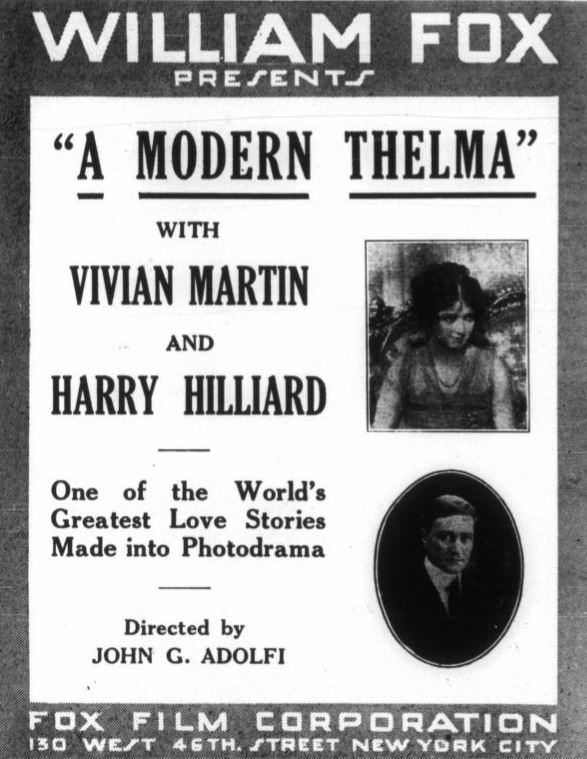
Stepping back into the nascent days of cinema, we often encounter narratives that, despite their age and the limitations of their medium, resonate with a timeless power. John G. Adolfi’s 1916 adaptation of Marie Corelli's celebrated novel, 'A Modern Thelma,' is one such cinematic artifact. It’s a compelling journey into the heart of a grand romantic melodrama, a tale that pits the purity of natural love against the corrosive machinations of societal malice. For contemporary audiences, it offers not just a glimpse into early filmmaking techniques but also a profound reflection on enduring themes of identity, belonging, and the often-perilous path of true affection.
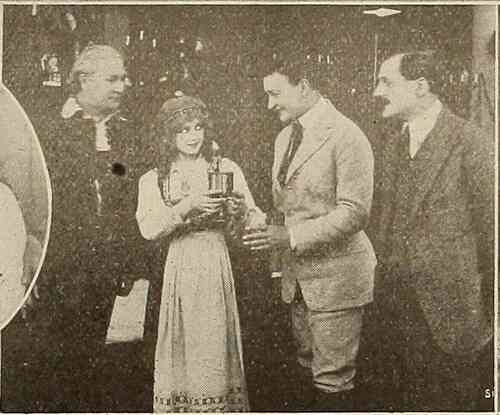
Marie Corelli, a titan of Victorian literature, was a novelist whose works, though often dismissed by critics, captivated millions. Her narratives brimmed with spiritualism, social critique, and, crucially for filmmakers, high-stakes romance and dramatic tension. Thelma, her debut novel from 1887, was a sensation, tapping into the public’s fascination with exotic locales and the triumph of virtue. Translating such a dense, emotionally charged narrative to the silent screen was no small feat. John G. Adolfi, who not only directed but also co-wrote the screenplay, faced the challenge of distilling Corelli’s verbose prose into visual storytelling, relying on the expressive power of his actors and the nascent language of cinematic imagery. The result is a film that, while undeniably a product of its era's melodramatic sensibilities, manages to capture the essence of Corelli's enduring appeal: a story of an innocent beauty navigating a treacherous world.
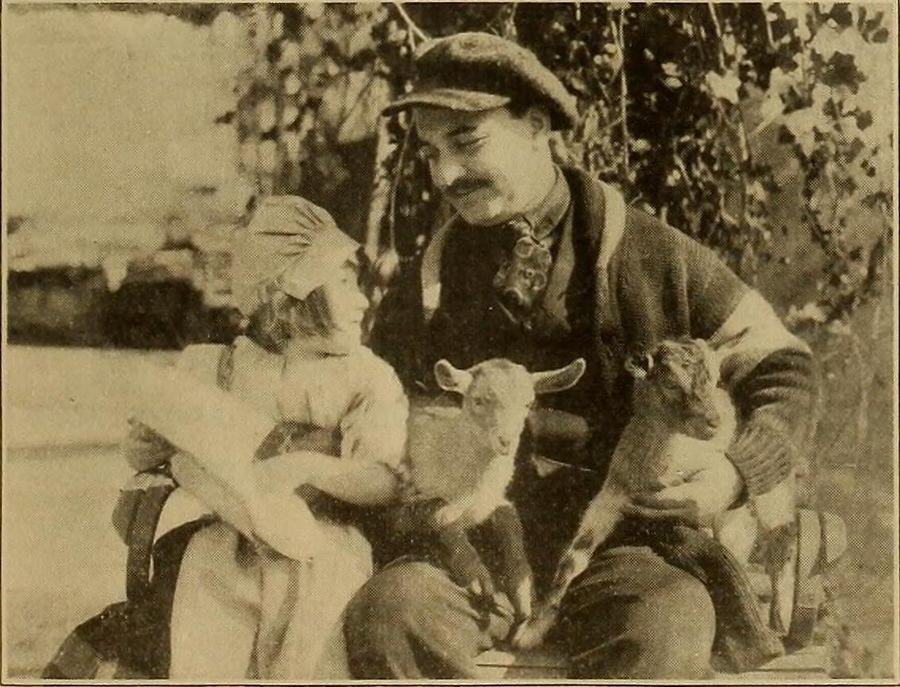
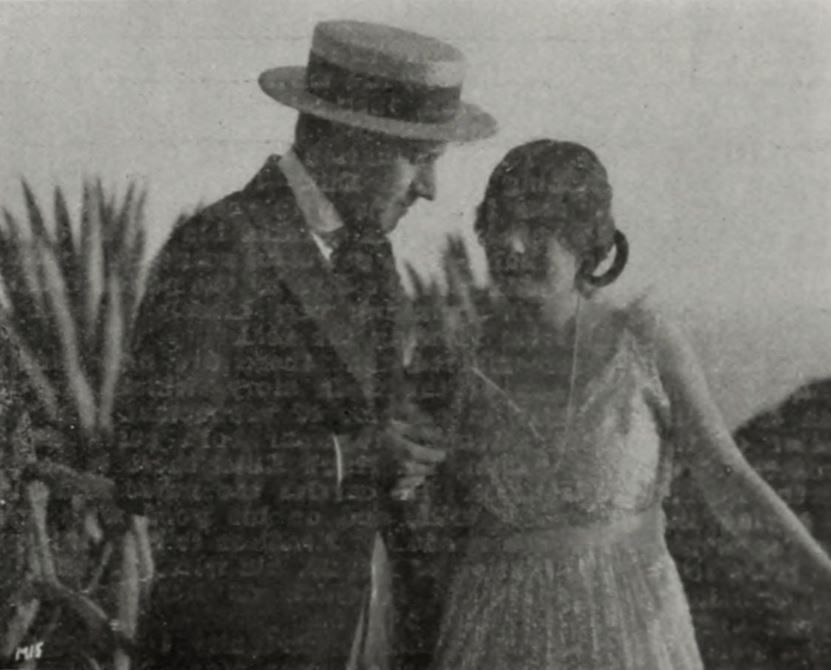
The film opens with a breathtaking, albeit implied, panorama of Norway, a land of stark beauty and ancient traditions. Here, we are introduced to Thelma, portrayed with ethereal grace by Vivian Martin. She is the daughter of a formidable, almost mythical Norse chieftain, a man whose presence evokes the very spirit of the Viking age. Thelma's existence is one of unblemished purity, deeply rooted in the natural world. Her initial encounters with the visiting English aristocrat, played by Albert Roccardi, unfold with a lyrical tenderness. It’s a romance born of genuine connection, unburdened by the artifice of society. Roccardi’s character, initially perhaps a curious observer of this 'wild' beauty, quickly falls under her spell, captivated by her genuine spirit and radiant innocence. This segment of the film is a masterclass in establishing contrast, setting the stage for the dramatic clashes to come. The simplicity of their love, the grandeur of the Norwegian landscape, and the genuine affection between the leads create an almost Edenic atmosphere, a stark counterpoint to the complexities that await them across the sea. The visual storytelling, even without dialogue, aims to convey the profound connection between Thelma and her homeland, a bond that will be tested but never truly broken.
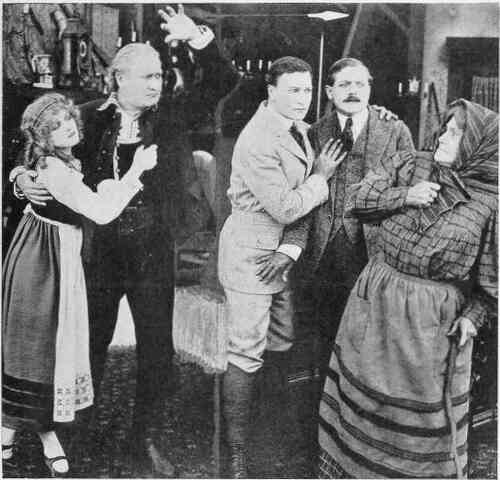
The transition from Norway's rugged authenticity to England's polished, yet often perfidious, high society forms the narrative's central pivot. The aristocrat, having married Thelma, brings her to his homeland, expecting her to be embraced. However, the arrival of this 'foreign' beauty sends ripples through the established social order. The film shrewdly, if melodramatically, portrays the inherent snobbery and xenophobia lurking beneath the veneer of polite English society. The society women, a formidable collective of judgmental eyes and sharp tongues, are instantly put off. One particular individual, played with suitable venom by Flora Nason or Gladys Wynne (the cast list suggests several potential antagonists), harbors a long-standing infatuation with Thelma's husband, fueling her resentment. What truly confounds and infuriates these women is not Thelma’s perceived lack of sophistication, but rather her undeniable charm and effortless popularity. She is not merely beautiful; she possesses an innate grace and 'pretty manners' that win over even the most hardened skeptics. This unexpected triumph of Thelma’s character in a foreign land only intensifies the jealousy and fuels the malevolent plot that is soon to unfold. It echoes the challenges faced by heroines in films like The Undesirable, where an outsider's virtue is often met with suspicion and hostility.
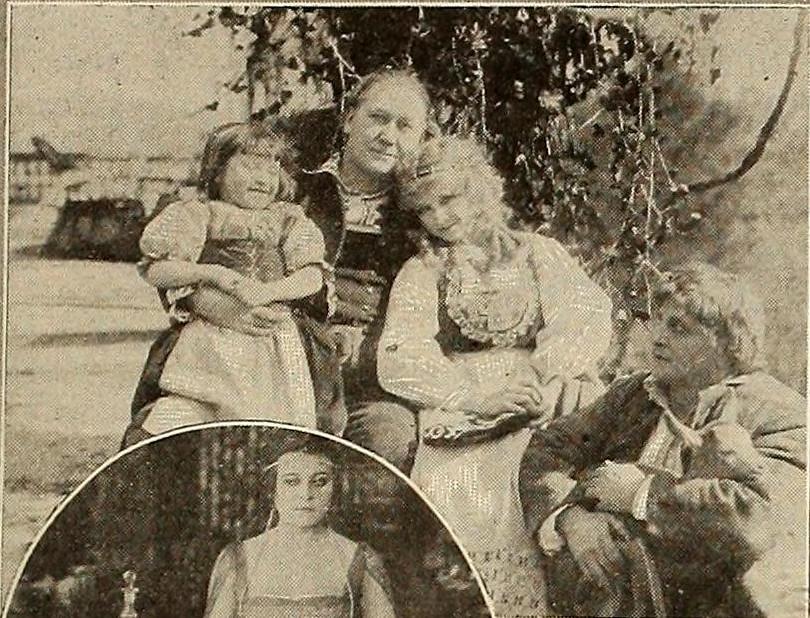
The heart of the film's dramatic tension lies in the meticulously crafted conspiracy to dismantle Thelma’s happiness. This isn't just casual gossip; it's a deliberate, calculated campaign to break her spirit by making her doubt the man she loves. The conspirators, leveraging the rigid social codes and the inherent vulnerabilities of a young woman far from home, set about planting seeds of suspicion regarding her husband's fidelity. The silent film medium, with its reliance on exaggerated gestures and expressive facial acting, is perfectly suited for conveying the insidious nature of such a plot. We see Thelma's initial confusion, her growing unease, and ultimately, her profound despair as the 'evidence' mounts. The genius of Corelli's original narrative, and Adolfi's adaptation, lies in making this deception deeply personal and psychologically damaging. It's not just about losing her husband; it's about losing her trust, her sense of security, and her belief in the idyllic love she once shared. The dramatic weight rests heavily on Vivian Martin's ability to convey this emotional degradation, a task she reportedly handled with compelling authenticity. The effectiveness of this melodramatic device, while perhaps appearing quaint to modern eyes, was incredibly potent for audiences of the era, who reveled in stories of virtue tested and eventually triumphant. This narrative arc, where a protagonist faces cruel deception, finds parallels in other silent-era dramas, such as The Woman Pays, which often explored the devastating consequences of betrayal and societal judgment on innocent women.
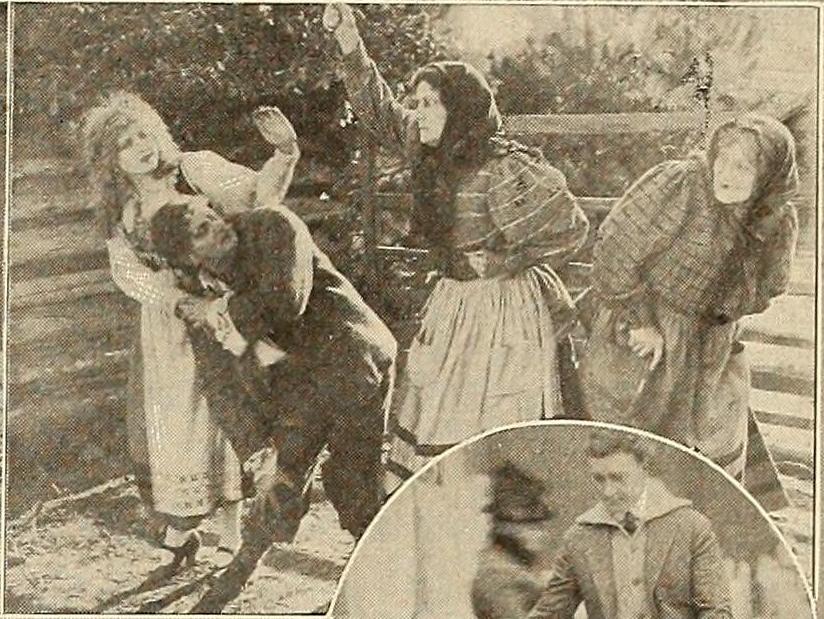
Overwhelmed by the perceived betrayal and the crushing weight of societal judgment, Thelma makes the only choice she feels she can: she flees. Her return to Norway is not merely a physical journey but a desperate spiritual retreat to the only place she has ever felt truly safe and understood. This sequence is crucial, portraying her profound sense of alienation and her yearning for the authentic, uncorrupted world of her youth. Meanwhile, her husband, portrayed by Albert Roccardi, is left to confront the devastating consequences of the conspiracy. His realization of the truth, and the depth of his wife's suffering, propels him into a determined pursuit. This chase, though perhaps lacking the frenetic pace of modern thrillers, is imbued with emotional urgency. It's a quest for redemption, a husband's desperate attempt to reclaim his lost love and right the wrongs inflicted upon her. The dramatic climax builds as he tracks her back to the familiar, comforting embrace of the old Norse homestead. The reunion, though silent, is intended to be profoundly moving, a testament to the enduring power of true love to overcome even the most malicious of obstacles. It’s a narrative trope that speaks to the era’s romantic ideals, where love, once proven, could conquer all adversity, much like the resilient spirit celebrated in films such as My Old Dutch, which also explored enduring bonds through hardship.
In the silent era, the burden of storytelling rested squarely on the shoulders of the actors. Their faces, gestures, and physical presence had to convey every nuance of emotion, every twist of plot. Vivian Martin, as Thelma, truly shines. Her portrayal of innocence, burgeoning love, profound heartbreak, and eventual resilience is central to the film's success. She embodies the 'modern' aspect of Thelma, not just as a woman of her time, but as a timeless figure of grace under pressure. Albert Roccardi, as the English aristocrat, provides a solid, earnest counterpoint. His journey from infatuated lover to bewildered husband and finally to determined redeemer requires a range of subtle expressions, which he delivers effectively. The supporting cast, including Gladys Wynne, William H. Tooker, Elizabeth Kennedy, Flora Nason, and Harry Hilliard, contribute significantly to the film's atmosphere, particularly in their roles as the conniving society figures. Their exaggerated villainy, a hallmark of silent melodrama, effectively underscores the purity of the central couple's love. John G. Adolfi’s direction of these performances, guiding them to convey complex emotions without dialogue, is commendable, demonstrating his understanding of the silent medium's unique demands. The collective effort of the cast, under Adolfi's steady hand, transforms Corelli's intricate plot into a visually engaging and emotionally resonant experience. The film's ability to draw the audience into Thelma's plight and root for her eventual triumph is a testament to the power of these silent performances, allowing the story to transcend its period setting and speak to universal human experiences.
John G. Adolfi, a prolific director of the era, demonstrates a keen understanding of how to translate literary grandeur into cinematic spectacle. His approach to 'A Modern Thelma' is characterized by a balance between faithful adaptation of Corelli’s core narrative and an intuitive grasp of silent film's visual grammar. Rather than simply illustrating the novel, Adolfi and co-writer Marie Corelli (credited, which is noteworthy for the era) endeavor to craft a cinematic experience that stands on its own. The pacing, though deliberate by today's standards, allows for the emotional beats to register fully, giving the audience time to connect with Thelma's journey. The use of intertitles, while necessary, is judicious, allowing the visual storytelling to take precedence. Adolfi's direction, particularly in staging the crucial scenes of conspiracy and emotional breakdown, showcases a nascent sophistication in cinematic technique. He understands the power of close-ups to capture nuanced expressions and the use of wider shots to establish the contrasting environments of Norway and England. This film serves as an excellent example of how early directors grappled with and ultimately mastered the art of adaptation, laying groundwork for future generations of filmmakers. The ambition to bring such a popular novel to life, with its grand themes and dramatic scope, speaks volumes about the burgeoning confidence of the film industry in the early 20th century. One can draw parallels to the grand scale attempted in productions like Salambo, a $100,000 Spectacle, even if the budget for 'A Modern Thelma' was likely more modest, the ambition for dramatic impact was similar.
Beyond its historical significance as a silent film adaptation of a popular novel, 'A Modern Thelma' continues to resonate due to its exploration of universal themes. It is a story about the clash of cultures, the resilience of the human spirit, and the enduring power of love in the face of adversity. Thelma's journey from innocent Norwegian maiden to a woman scarred by betrayal but ultimately triumphant is a compelling narrative of self-discovery and strength. The film subtly critiques the superficiality and cruelty inherent in certain strata of society, celebrating instead the virtues of authenticity and genuine affection. In an age where silent films are often viewed as mere curiosities, 'A Modern Thelma' reminds us that the fundamental human dramas that drive storytelling remain unchanged. Its melodramatic flourishes, far from being a weakness, are a testament to the era's emotional landscape, where grand passions and dramatic reversals were the very fabric of popular entertainment. The film offers a rich text for understanding the social anxieties and romantic ideals of the early 20th century, cementing its place as more than just a forgotten relic but a vibrant piece of cinematic history. Its narrative of overcoming societal pressure and finding true happiness through perseverance is a theme that continues to be explored in modern cinema, making it a truly 'modern' story despite its age. It stands as a testament to the fact that compelling storytelling, regardless of the technological advancements, will always find an audience and leave a lasting impression.
In conclusion, 'A Modern Thelma' is far more than a historical footnote; it is a vibrant, emotionally charged silent film that deserves renewed attention. It offers a captivating blend of romance, intrigue, and social commentary, all brought to life by dedicated performances and thoughtful direction. For enthusiasts of early cinema, literary adaptations, or simply a good old-fashioned melodrama, this film provides a rich and rewarding experience. Its narrative arc, culminating in a triumphant return to the simplicity and authenticity of its Norwegian origins, serves as a powerful reminder that true happiness often lies not in societal approval, but in the steadfastness of the heart and the courage to pursue one's true home, both physically and emotionally. It's a testament to the power of cinema, even in its earliest forms, to transport, to move, and to reflect the timeless complexities of the human condition. Seek it out, and allow yourself to be swept away by this compelling silent saga.
IMDb 6.3
1932
Community
Log in to comment.