DbcultAccessing Vault...
6.6/10
Senior Film Conservator
A definitive 6.6/10 rating for a film that redefined the boundaries of cult cinema. Dangerous Virtue remains a cornerstone of transgressive art.
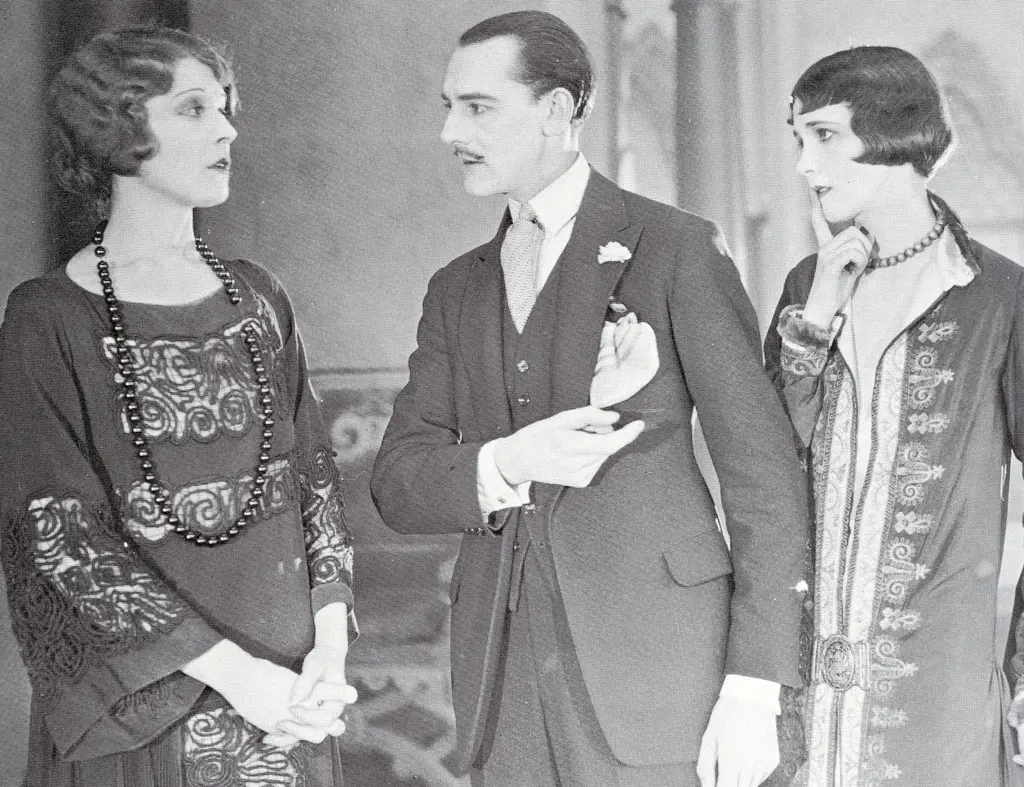
Within the dimly lit chamber, the French captain, a character of both charm and deception, encounters a widow who is both rich and bereft of her previous husband’s affections. The setting is elegant, with the soft glow of candlelight casting shadows across the room, creating a sense of both allure and foreboding. The widow, portrayed with a mix of vulnerability and resolve, is the object of the captain's latest scheme, but this is not merely a tale of love and lust. It is a psychological exploration of trust and sincerity, a narrative that challenges the audience to question their own moral compass.
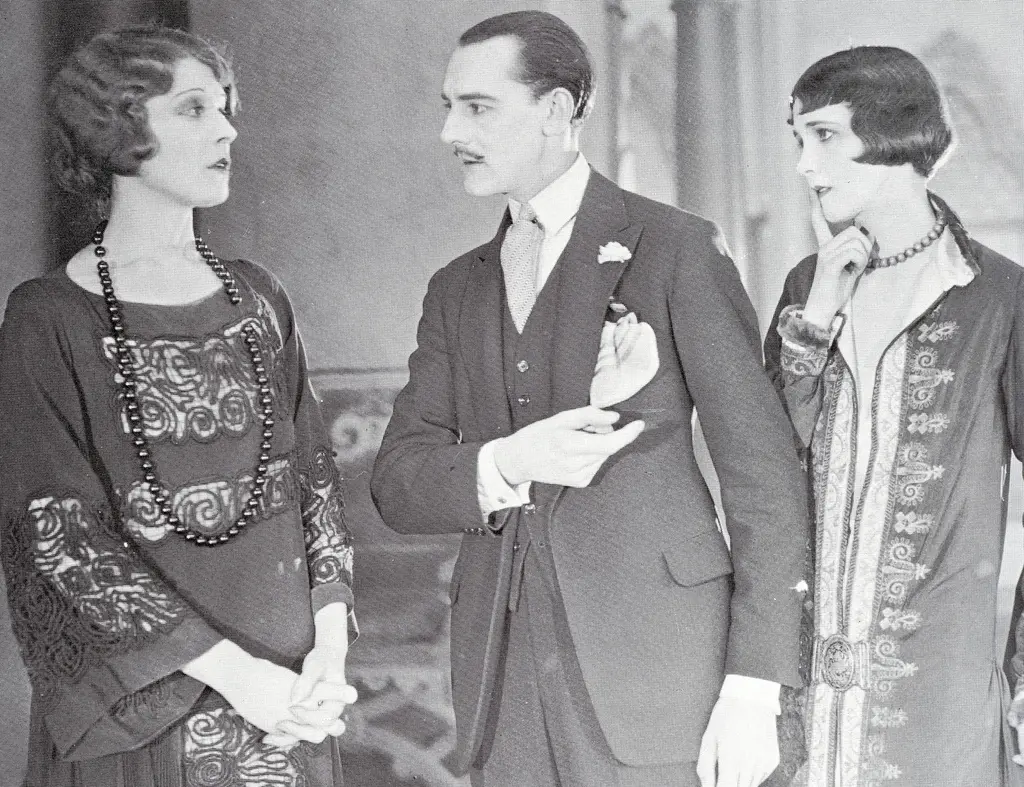
The relationship that ensues is complex, a dance of emotions and motivations that keeps the viewer on edge. The captain, played with a nuanced performance by Warwick Ward, is a master of manipulation, his every word and gesture a carefully crafted tool in his scheme. His character is a mix of charm and calculated ruthlessness, making him both sympathetic and repulsive. The widow, on the other hand, is portrayed by Julanne Johnston, whose performance is layered with a depth that invites the audience to sympathize with her predicament, despite the clear deception.
The plot is intricately woven, with the captain’s motives and the widow’s responses intertwining in a web of moral ambiguity. This is not a straightforward tale of good versus evil, but rather a nuanced exploration of human nature. The film’s pacing is deliberate, allowing the audience to fully immerse themselves in the complex interactions between the characters. The atmosphere is one of tension and unease, with the captain’s words and actions always hinting at a deeper, more sinister purpose.
The supporting cast, including Marie Ault and Gladys Jennings, adds depth to the story, each character contributing to the overall narrative in a way that enhances the film’s psychological depth. The screenplay, penned by May Edginton and Rudolph Besier, is masterful in its ability to create a sense of unease and intrigue. Alfred Hitchcock’s direction is particularly noteworthy, his attention to detail and the use of subtle visual cues adding a layer of sophistication to the film.
The film’s moral ambiguity is one of its strongest assets, inviting viewers to question the nature of love and trust. The captain’s scheme is a test of the widow’s character, but it also serves as a mirror to the audience, reflecting our own tendencies to judge and to be judged. The film’s exploration of these themes is both compelling and thought-provoking, making it a standout piece of its time.
When compared to other films of the era, such as Days of Daring or Samhällets dom, Dangerous Virtue stands out for its psychological complexity and moral ambiguity. While these other films, such as A Woman of Pleasure and The Crime of the Camora, delve into similar themes of deception and morality, Dangerous Virtue does so with a level of nuance and depth that elevates it to a different level.
The cinematography, by Arthur Edeson, is also worth mentioning. The use of soft lighting and intricate camera work enhances the film’s atmosphere, creating a sense of intimacy and tension that is palpable. The sound design, with its subtle background noises and the occasional sharp sound effects, adds to the film’s overall immersive experience.
Overall, Dangerous Virtue is a film that challenges the viewer to think deeply about trust, love, and morality. Its complex narrative and morally ambiguous characters make it a standout piece of its era, a film that continues to resonate with audiences today. It is a testament to the skill of its cast and crew, and a reminder of the power of film to explore complex themes with nuance and depth.
In conclusion, Dangerous Virtue is a must-see for anyone interested in films that explore the depths of human nature. Its intricate plot, nuanced performances, and sophisticated direction make it a standout piece of its time, and one that continues to captivate audiences with its moral ambiguity and psychological complexity.
IMDb —
1921
Community
Log in to comment.