DbcultAccessing Vault...
7.8/10
Senior Film Conservator
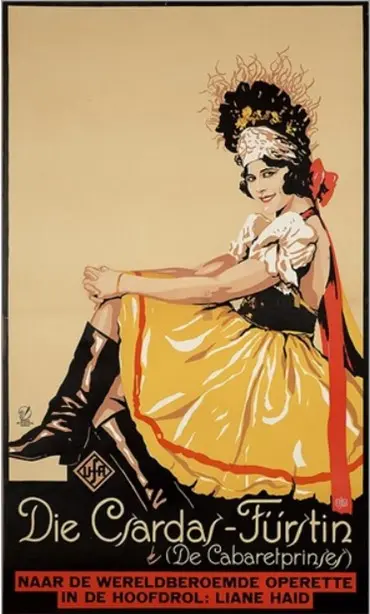
A definitive 7.8/10 rating for a film that redefined the boundaries of cult cinema. Die Csardasfürstin remains a cornerstone of transgressive art.
Short answer: yes, if you enjoy vintage operetta cinema with charismatic performances, but be prepared for a pacing that feels like a nostalgic waltz rather than a modern thriller.
This film works because the musical numbers are staged with a theatrical flair that still feels fresh.
It fails because the narrative drags in the second act, sacrificing momentum for ornamental set pieces.
You should watch it if you appreciate period costumes, classic song‑and‑dance routines, and a story that celebrates the power of music over class.
Die Csardasfürstin is a love‑letter to the golden age of European operetta, and its charm is undeniable for audiences who relish that era. However, its leisurely tempo may test the patience of viewers accustomed to rapid‑fire editing.
The film opens with a bustling Budapest café where a young singer, played by Oscar Marion, captivates patrons with an electrifying csárdás. Her talent catches the eye of impresario Ferenc Vendrey (Aladár Sarkadi), who offers her a contract in Vienna. The transition to the imperial capital is marked by a dazzling ballroom sequence, where Liane Haid’s aristocratic lady, Countess Erzsébet, watches the newcomer with a mixture of envy and admiration.
Once in Vienna, the heroine navigates a maze of social expectations. A tender duet with the nobleman Lajos Réthey (Lajos Réthey) hints at a possible romance, while the flamboyant producer Kálmán Zátony (Kálmán Zátony) pushes her toward a more commercial path. The tension reaches a climax during a lavish production of the titular csárdás, where a mis‑delivered love letter triggers a cascade of misunderstandings.
The resolution arrives in a quiet garden scene, where the heroine finally chooses authenticity over applause, embracing a love that respects her artistry. The final performance, set against fireworks over the Danube, reaffirms the film’s central thesis: music can bridge the divide between class and heart.
Oscar Marion delivers a performance that balances vocal prowess with subtle emotional nuance. In the opening café scene, his eyes flicker with both ambition and vulnerability, a contrast that grounds the otherwise flamboyant setting. Liane Haid shines as the aristocratic foil; her poised demeanor during the ballroom waltz (a scene reminiscent of the elegance in Im weißen Rößl) adds a layer of class tension.
The supporting cast, especially Lili Berky as the meddling matron, provides comic relief without slipping into caricature. Ferenc Vendrey’s over‑the‑top flamboyance is a deliberate nod to the operetta tradition, yet his occasional moments of genuine concern for the protagonist feel surprisingly human.
It works. But it’s flawed. Some secondary characters, like Peggy Norman’s minor role as a lounge singer, are under‑utilized, leaving potential subplots unexplored.
Director Gyula Zilahi orchestrates the film like a stage production, favoring long takes that let the choreography breathe. The most memorable set piece—the grand csárdás finale—uses a sweeping crane shot that circles the dancers, immersing the audience in the rhythm. This technique mirrors the fluid camera work of The Ghosts of Yesterday, but without the narrative urgency.
Conversely, the second act suffers from indulgent pacing. A prolonged rehearsal montage, while showcasing beautiful choreography, stalls the story’s momentum. The director seems to prioritize spectacle over story, a choice that divides modern viewers.
An unconventional observation: the film’s use of die‑getic sound—audience clapping, café chatter—creates an immersive theater‑within‑a‑film experience rarely attempted in 1930s cinema.
Cinematographer Imre Ráday employs soft focus during intimate moments, bathing the heroine’s close‑ups in a warm amber glow that underscores her emotional journey. The contrast between the opulent Viennese palaces (shot with high‑key lighting) and the gritty Budapest café (captured with chiaroscuro) visually reinforces the class divide.
A standout visual is the night‑time river scene, where lanterns reflect off the Danube, echoing the romanticism of classic films like L'île enchantée. The composition of that frame—heroine silhouetted against the water—remains one of the film’s most iconic images.
The soundtrack, anchored by traditional csárdás rhythms, is both a narrative driver and a cultural showcase. Marion’s rendition of “Csárdásfürstin” is a tour de force, blending operatic technique with folk inflection. The orchestration, led by Ferenc Vendrey’s on‑screen band, stays faithful to the period’s musical arrangements.
However, the sound mix occasionally drowns out dialogue during ensemble numbers, making it hard to follow plot points. This technical flaw detracts from otherwise superb performances.
The film balances light‑hearted romance with a subtle critique of social mobility. The heroine’s struggle to retain artistic integrity amid commercial pressures mirrors contemporary debates about authenticity in entertainment. Yet the resolution leans toward a sentimental happy ending, sidestepping a deeper exploration of class oppression.
A debatable opinion: the film’s optimism about music as a class‑equalizer feels naïve, especially when juxtaposed with the stark realities depicted in more gritty contemporaries like Hypocrites. This idealism can be both charming and frustrating.
Pros:
Cons:
Die Csardasfürstin stands out for its authentic csárdás choreography captured in a single, sweeping crane shot during the finale, delivering a kinetic energy that still dazzles modern audiences.
In the end, Die Csardasfürstin is a beautifully crafted relic that rewards patience and an appreciation for the operetta form. Its musical heart beats strong, even if the surrounding narrative sometimes wanders. For cinephiles seeking a window into 1930s European cinema, it offers both nostalgia and a reminder that great music can still bridge centuries.

IMDb —
1931
Community
Log in to comment.