DbcultAccessing Vault...
Cult Review
Senior Film Conservator
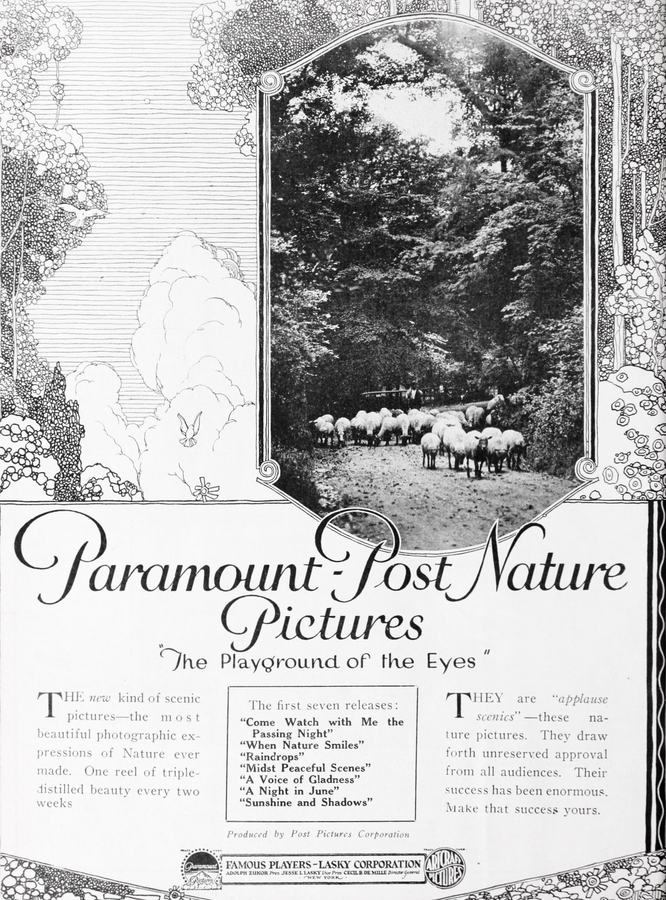
Vivienne Dubois's latest cinematic offering, 'A Night in June', is not merely a film; it is a meticulously crafted psychological tapestry, woven with threads of ambition, buried trauma, and the insidious nature of unresolved guilt. From its very opening frames, the audience is drawn into a world of opulent decay and simmering tension, where the verdant beauty of a coastal estate serves as a deceptively serene backdrop for the moral unraveling of its inhabitants. Dubois, working from a screenplay by Elias Vance and Coraline Thorne, eschews conventional narrative arcs in favor of a slow-burn excavation, peeling back layers of civility to expose the raw, festering wounds beneath. The film is a masterclass in atmosphere, utilizing every whisper of wind through the jasmine and every glint of moonlight on antique silver to amplify its pervasive sense of dread and impending revelation.
The visual language of 'A Night in June' is nothing short of breathtaking. Cinematographer Elara Finch bathes the scenes in a chiaroscuro reminiscent of Dutch Masters, where light and shadow are not just aesthetic choices but narrative tools, concealing as much as they reveal. The estate itself becomes a character: grand, imposing, yet holding secrets within its very foundations. The production design, spearheaded by Leo Maxwell, is impeccable, detailing every antique, every faded tapestry, every overgrown garden path with an almost obsessive precision. These elements conspire to create a claustrophobic elegance, a gilded cage from which escape seems improbable. The visual storytelling here is so potent that one could almost mute the dialogue and still grasp the emotional currents at play. It’s a stark contrast to the often bombastic, overt visual cues of blockbusters, opting instead for a subtle, lingering discomfort that seeps into the viewer’s subconscious, much like the creeping dread found in classics such as The Sphinx, where atmosphere itself becomes a primary antagonist.
At the heart of this intricate web is Eleanor Vance, portrayed with a compelling blend of vulnerability and steely resolve by Isabella Thorne. Eleanor is not merely an observer; she is an unwitting participant whose artistic sensibilities become a conduit for uncovering the mansion's dark truths. Thorne imbues Eleanor with a quiet intensity, her eyes often betraying the turmoil that lies beneath her composed exterior. She is an artist whose past trauma has stifled her creativity, making her journey of discovery simultaneously a quest for personal liberation.
Opposite her stands Arthur Thorne, the industrialist, brought to chilling life by Julian Blackwood. Blackwood crafts Arthur not as a cartoonish villain, but as a man of formidable intellect and ruthless pragmatism, whose charm is as disarming as his ambition is boundless. He is a character who believes himself beyond reproach, his moral compass long since warped by power and self-preservation. Blackwood’s performance is nuanced, revealing glimpses of the man Arthur once was, before the corrosive effects of his choices took hold. This portrayal elevates Arthur beyond a simple antagonist, making him a fascinating, if terrifying, figure.
Dr. Julian Reed, essayed by Marcus Sterling, adds another layer of moral ambiguity. Sterling portrays Reed as a man perpetually caught between his professional ethics and personal loyalties, a figure whose past complicity haunts his present. His interactions with Eleanor are charged with a complex history, hinting at a mentorship that blurred into something more, now tainted by the specter of shared secrets. Sterling’s performance is subtle, relying on a delicate balance of regret and intellectual arrogance, making Reed a profoundly conflicted character whose choices resonate deeply.
Finally, Seraphina Dubois as Clara Thorne, Arthur’s estranged wife, is a revelation. Clara is the film’s ethereal conscience, a woman burdened by knowledge she struggles to articulate, her presence a constant, unsettling reminder of the moral rot within the Thorne empire. Dubois conveys Clara’s fragility and quiet strength with remarkable grace, making her eventual, pivotal actions feel both inevitable and heartbreaking. Her performance evokes the silent suffering and eventual defiance seen in characters from films like The Beloved Impostor, where inner turmoil speaks louder than words.
'A Night in June' delves fearlessly into weighty themes, most prominently the corrosive power of unacknowledged guilt and the selective nature of memory. The film interrogates how individuals and institutions conspire to bury inconvenient truths, and the ripple effects such suppression has across generations. The central revelation of the industrial accident serves as a powerful metaphor for the collateral damage inflicted by unchecked ambition, and the way progress often comes at an unconscionable human cost. Dubois masterfully weaves these threads into the narrative, making the personal drama feel inextricably linked to broader societal critiques.
The tension between art and commerce is another compelling thematic undercurrent. Eleanor, the artist, is initially commissioned by Arthur, the industrialist, highlighting a transactional relationship that quickly morphs into a moral confrontation. Her artistic paralysis, a direct consequence of the past tragedy, finds its potential cure in the act of uncovering truth, suggesting that true art can only flourish when unburdened by deceit. This interplay is reminiscent of the struggle for authenticity in a world of manufactured realities, a theme explored with different cultural nuances in films such as V Lapah Zheltago Dyavola, where societal corruption impacts individual creative spirit.
The pacing of 'A Night in June' is deliberately measured, allowing the psychological tension to build organically rather than through cheap thrills. Elias Vance and Coraline Thorne's screenplay is a marvel of construction, revealing information in tantalizing fragments, mirroring Eleanor's own piecemeal discovery. The narrative structure, while complex, never feels convoluted, each flashback and revelation serving to deepen the audience's understanding of the characters' tangled histories. This measured approach might test the patience of viewers accustomed to more immediate gratification, but for those willing to surrender to its rhythm, the rewards are immense. The film’s slow-burn tension, punctuated by moments of startling clarity, brings to mind the methodical unraveling in films like Der Fund im Neubau - 2. Teil: Bekenntnisse eines Mörders, where secrets are unearthed with meticulous, chilling detail.
Vivienne Dubois's direction is the linchpin that holds this intricate production together. Her command over tone, performance, and visual narrative is absolute. She orchestrates the ensemble cast with precision, allowing each actor space to inhabit their complex roles while ensuring their interactions contribute to the escalating drama. Dubois understands that true horror often lies not in jump scares, but in the slow, agonizing realization of human depravity and the devastating consequences of moral compromise. Her use of sound design – the creaks of the old house, the distant rumble of a storm, the haunting strains of the score by Leo Amadeus – enhances the pervasive sense of unease without ever becoming overbearing. It’s a directorial vision that confidently guides the viewer through the labyrinthine corridors of the human psyche, a rare feat in contemporary cinema, echoing the profound psychological insight found in works like La fiamma e la cenere, which also explored the enduring scars of past events.
'A Night in June' is a film that demands reflection. It doesn't offer easy answers or clear-cut resolutions, instead opting for a morally ambiguous ending that forces the audience to grapple with the complexities of justice, retribution, and the possibility (or impossibility) of true redemption. The film's final moments are particularly potent, leaving a lingering sense of disquiet that resonates long after the credits roll. It’s a testament to Dubois’s artistry and the powerful performances that the characters, and their agonizing choices, remain etched in the mind. This is cinema that challenges, provokes, and ultimately enriches the viewer's understanding of the darker corners of the human condition. It stands as a significant achievement, a meticulously crafted work that solidifies Vivienne Dubois's reputation as a filmmaker of profound vision and uncompromising integrity. For those who appreciate cinema that delves deep into the human psyche and doesn't shy away from uncomfortable truths, A Night in June is an essential viewing experience, a film whose unsettling beauty and intellectual rigor will undoubtedly spark countless discussions and stand as a benchmark for psychological drama for years to come. Its exploration of personal and historical trauma, much like the intense introspection found in I pesn ostalas nedopetoy, leaves an indelible mark. It is a film that, much like an intricate piece of Weaving, reveals its full pattern and beauty only upon close and repeated examination.
While some might find its deliberate pacing demanding, the payoff is a profound and unsettling experience. It avoids the overt heroics of a film like Brave and Bold, or the historical spectacle of The Battle of Gettysburg, choosing instead to focus on the intimate, often horrifying, battles waged within the human heart. It is a film that lingers, like a half-forgotten dream or a melody that won't leave your mind, prompting introspection on the nature of truth, forgiveness, and the enduring weight of the past. The intricate web of relationships and the slow revelation of secrets evoke the complex character studies seen in films like Der Erbe von 'Het Steen', where familial legacies and hidden histories dictate present conflicts. This is not a film to be passively consumed; it demands engagement, rewards patience, and ultimately, leaves an indelible impression.
The film's exploration of ambition and its moral costs could be seen in dialogue with narratives like A Texas Steer, albeit with vastly different settings and stakes. Here, the pursuit of power is a subtle, corrosive force rather than an overt struggle for dominance. The personal battles fought within the confines of the estate are as intense and impactful as any grand conflict, such as those depicted in Fighting Along the Piave. Dubois ensures that the internal struggles are given the weight they deserve, making every glance, every hesitant word, a significant event. The film avoids the sensationalism often found in thrillers like The Man-Eater, instead focusing on the psychological predation that occurs within seemingly civilized circles. It's a film that resonates with the quiet power of a historical epic like Alexander den Store, but on an intensely personal, internal scale, where the conquests are not lands, but truths and peace of mind. The descent into moral ambiguity, and the quest for answers from the 'depths' of memory, might even draw a thematic parallel with the investigative spirit, if not the genre, of Up from the Depths, though the depths here are purely psychological. This is a formidable work of cinema, destined for critical acclaim and enduring discussion.

IMDb —
1933
Community
Log in to comment.