DbcultAccessing Vault...
7.4/10
Senior Film Conservator
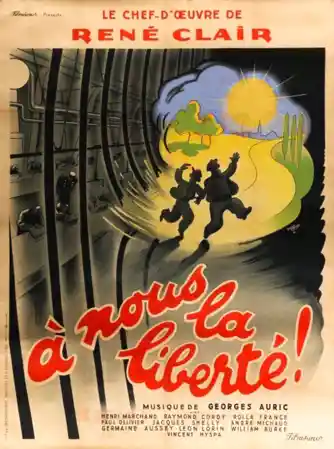
A definitive 7.4/10 rating for a film that redefined the boundaries of cult cinema. À nous la liberté remains a cornerstone of transgressive art.
Okay, so, À nous la liberté. This one’s a trip. If you’re into those fast-paced, CGI-heavy blockbusters, you’re probably gonna be bored stiff. But if you’ve got a soft spot for really old movies, especially ones that try to say something without being all preachy, this 1931 French flick is absolutely worth a peek. It’s for folks who appreciate film history, a bit of social commentary with their slapstick, and aren’t afraid of black and white. Anyone expecting a modern rom-com or thriller? Hard pass.
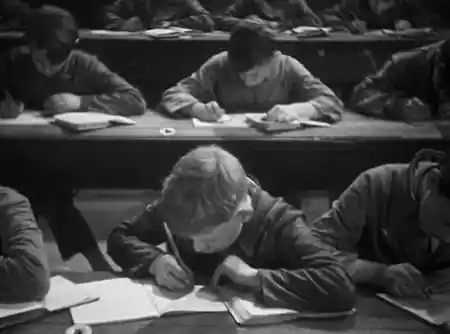
The story starts with Louis and Émile, these two convicts, making a break for it from prison. They’re best buddies, you know? One of those pairs. The escape itself is pretty goofy, feels straight out of a silent film, honestly. And that’s a lot of the charm here.
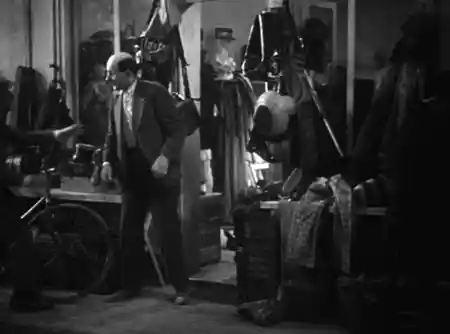
Once they’re out, the world splits them up. Louis, bless his heart, somehow gets rich. He ends up owning a huge record factory, a big shot now. Émile, though, he just keeps wandering. A real free spirit, but also kinda lost. The movie plays this contrast for laughs and for some pretty sharp observations.
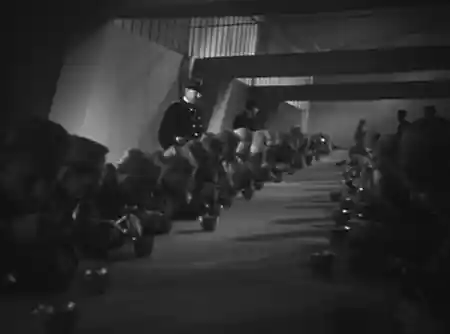
The factory scenes? Oh man, those are the absolute highlight. You’ve got workers on a conveyor belt, doing the same repetitive movements over and over. It’s so mechanized, so *assembly line*. You can’t help but think of Chaplin’s Modern Times, which actually came out years later. It’s like these people are still in prison, just a different kind of one. They’re literally cogs.
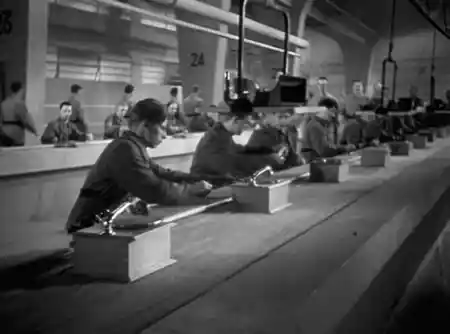
There’s this amazing sequence where the entire factory goes wild. Machines break down, records fly everywhere, everyone’s just running around in chaos. It’s pure, beautiful anarchy. Then the rich folks, Louis’s fancy friends, they show up and somehow mistake the whole mess for a new dance. It’s hilarious and also kinda sad. You see them trying to find meaning in everything, even something as nonsensical as that.
The musical numbers are… well, they’re there. The main tune, “La liberté, c’est pour demain” (Freedom, it’s for tomorrow), is pretty catchy. It pops up a few times, a real earworm. But sometimes the songs just sort of *happen* without much build-up. It reminds you this is early sound film; they were still figuring things out.
Émile, he spends a lot of time trying to steal things. Not because he’s bad, but because he just never quite figures out how to *be* in the regular world. He’s always looking over his shoulder. The system, even outside the prison walls, just keeps pulling him back to that old life, or at least how he knew it.
And Louis, the big boss, he’s not really free either. He’s trapped by his wealth, by the expectations. He’s got all the stuff, but he can’t just walk away. It’s a subtle thing, but you see it in his face sometimes, that little bit of stress. 😬
The ending is a bit ambiguous, which I dig. Does anyone really find true freedom? Maybe it’s not about escaping to some perfect place, but about how you live, you know? Louis and Émile end up together again, sort of, still on the move. And the factory? Well, it just keeps on going, with or without its owner.
This film is a real gem for its time. It’s witty, visually inventive, and doesn’t hit you over the head with its message. It just kinda lays it out there. Sure, some of the jokes are a bit dated, and the pacing is definitely not what we're used to. But for a movie from 1931, it feels remarkably fresh in its ideas about what it means to be free in a world that always seems to want to put you in a box. 📦
IMDb 6
1930
Community
Log in to comment.