DbcultAccessing Vault...
6.7/10
Senior Film Conservator
A definitive 6.7/10 rating for a film that redefined the boundaries of cult cinema. The Best Bad Man remains a cornerstone of transgressive art.
A mesmerizing tale of love, betrayal, and Western adventure
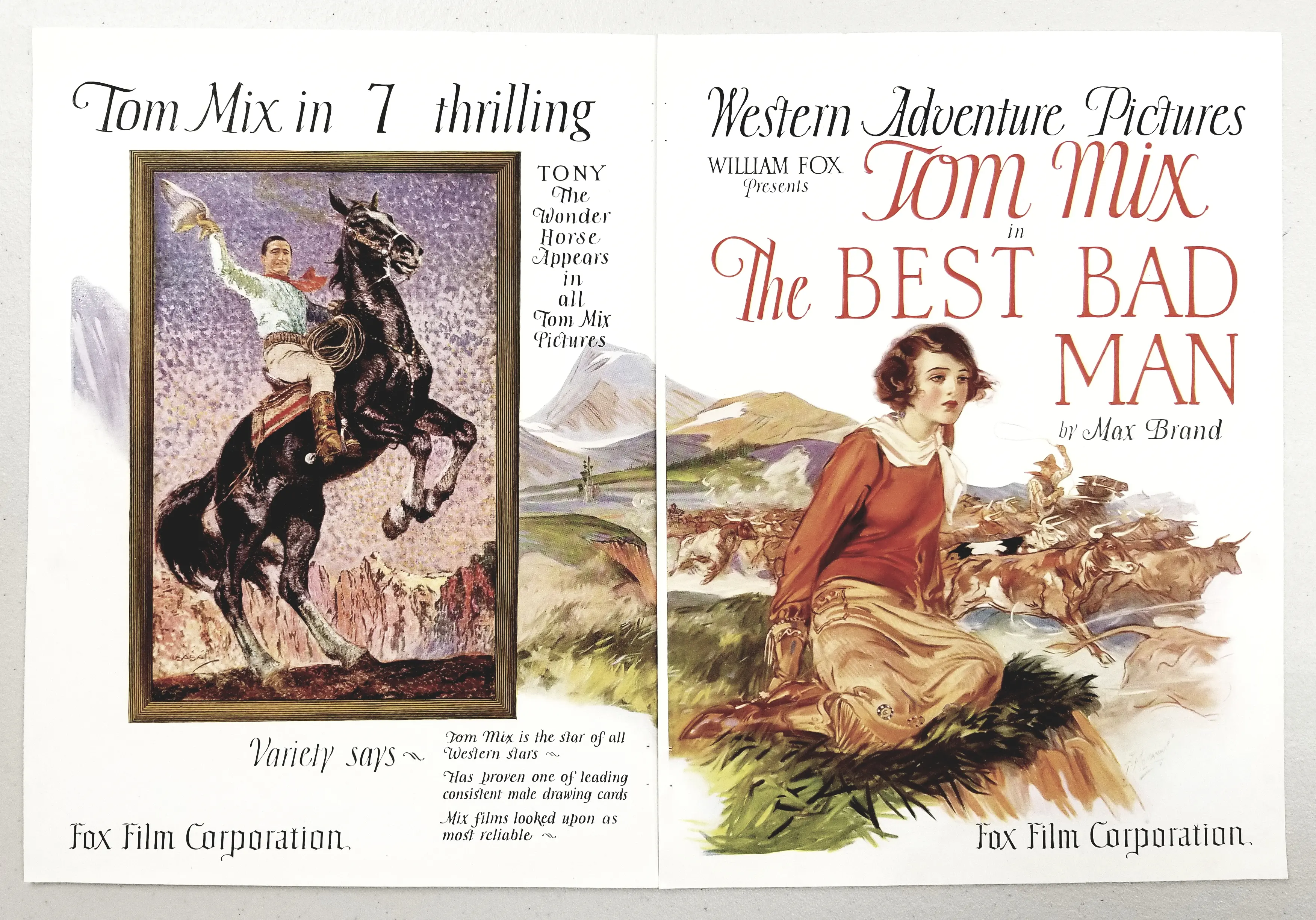
Stepping into the world of The Best Bad Man, you're transported to a rugged, untamed Western landscape where the lines between good and bad blur, and the stakes are high. This film, masterfully crafted by Max Brand and Lillie Hayward, offers a compelling narrative woven with intricate character dynamics and unexpected plot twists. At the heart of the story is Hugh Nichols, an absentee ranch owner, who visits his Colorado properties under the guise of a peddler of musical instruments. His journey is one of discovery, confrontation, and, ultimately, redemption.
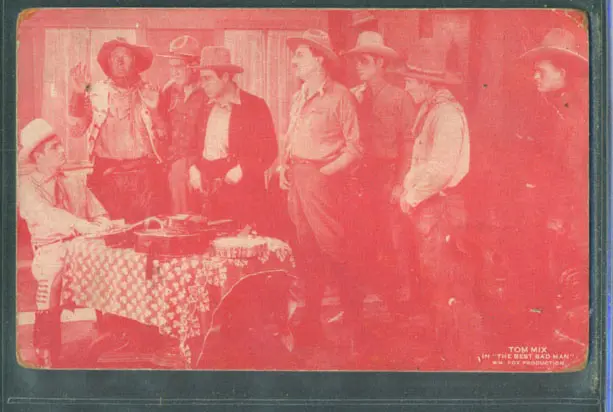
The film's narrative begins with a series of revelations. Hugh discovers that his agent, Frank Dunlap, has been embezzling funds and obstructing the construction of a dam, a project promised by Hugh's father to the ranchers. This act of betrayal sets the stage for further conflict, as Dunlap becomes obsessed with ruining Old Man Swain, a rancher with whom he has a personal vendetta. Dunlap's motivations are further complicated by his desire for Old Man Swain's daughter, Peggy, who he covets. Meanwhile, Hugh finds himself drawn to Peggy, who is the leader of the irate ranchers, fighting against Dunlap's machinations.
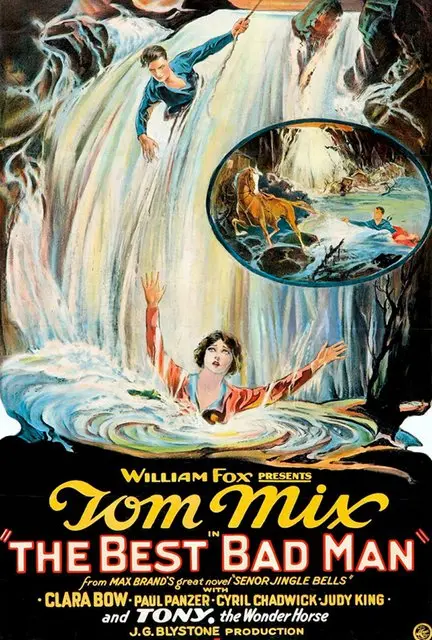
As tensions rise, Hugh's true identity is exposed, leading to a series of dramatic confrontations. Dunlap, in a fit of rage, dynamites the dam, trapping Peggy in a resulting flood. In a heart-stopping moment, Hugh, aided by his loyal horse, Tony, rescues Peggy. This rescue not only showcases Hugh's bravery and loyalty but also solidifies his bond with Peggy. The film culminates in a thrilling climax, with Dunlap arrested and justice served, though not without a bittersweet twist.
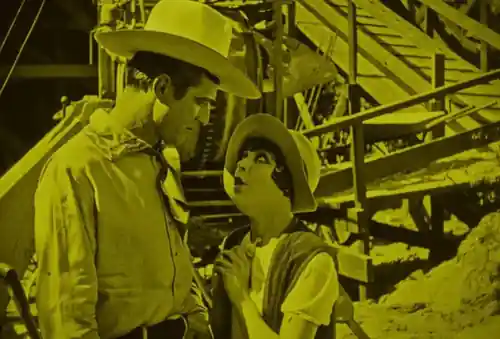
One of the most striking aspects of The Best Bad Man is its rich character development. Each character is multi-dimensional, with layers of complexity that make them feel human and relatable. Hugh Nichols, played with dignity by Tom Wilson, is a man torn between his duty as a ranch owner and his personal values. Clara Bow, as Peggy, brings a fiery spirit to her role, embodying the indomitable spirit of the Western women who refuse to be silenced. Paul Panzer, as Frank Dunlap, portrays a character whose motivations are both understandable and reprehensible, making him a compelling antagonist.
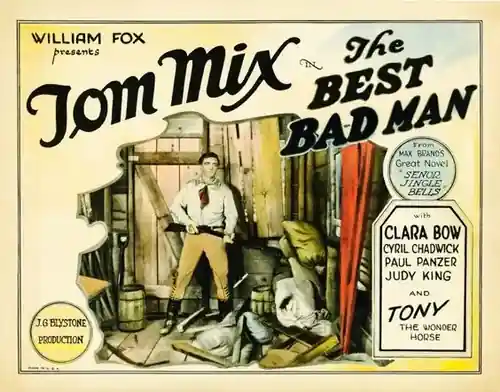
The film's visual narrative is equally impressive. The cinematography captures the vast, desolate landscapes of Colorado, with its rugged mountains and arid plains, creating a sense of isolation and danger. The use of natural light and shadow adds depth to the scenes, enhancing the mood and atmosphere. The film's pacing is well-balanced, with moments of tension and quiet introspection that keep the audience engaged.
Comparisons can be drawn to other Western classics, such as Phantom Fortunes and The Man in the Moonlight, which also delve into themes of betrayal, love, and the complexities of human nature. However, The Best Bad Man stands out for its nuanced portrayal of its characters and its ability to blend thrilling action with emotional depth. It is a film that invites multiple viewings, each revealing new layers of the story and the characters.
In conclusion, The Best Bad Man is a gem of the Western genre, offering a narrative that is both thrilling and thought-provoking. It is a film that transcends its era, resonating with audiences today due to its exploration of universal themes. If you're a fan of classic Westerns, or simply enjoy a well-crafted narrative with complex characters and unexpected turns, The Best Bad Man is a must-watch. It is a testament to the enduring power of storytelling, proving that even in a world often perceived as black and white, there is always more to the story.
IMDb 7.7
1917
Community
Log in to comment.