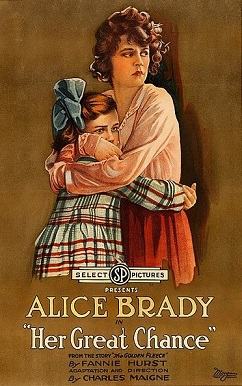
Lola Gray working in a New York department store as a clerk, loves Charles Cox, a millionaire's son who is described by his friends as "Broadway's million-dollar kid." One evening at a lavish party, Charlie, quite intoxicated, proposes to Lola, but because of his irresponsible habits, she refuses him.
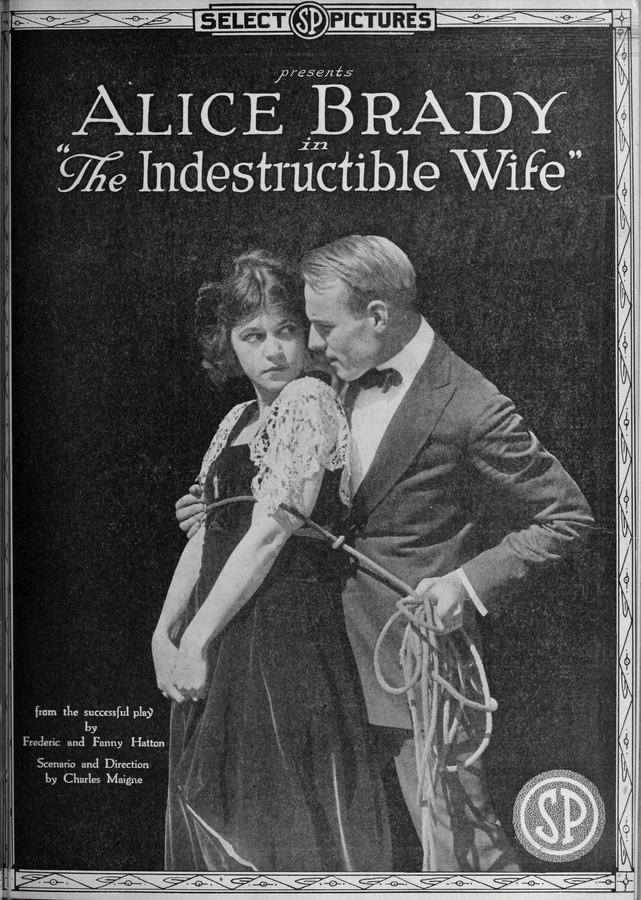
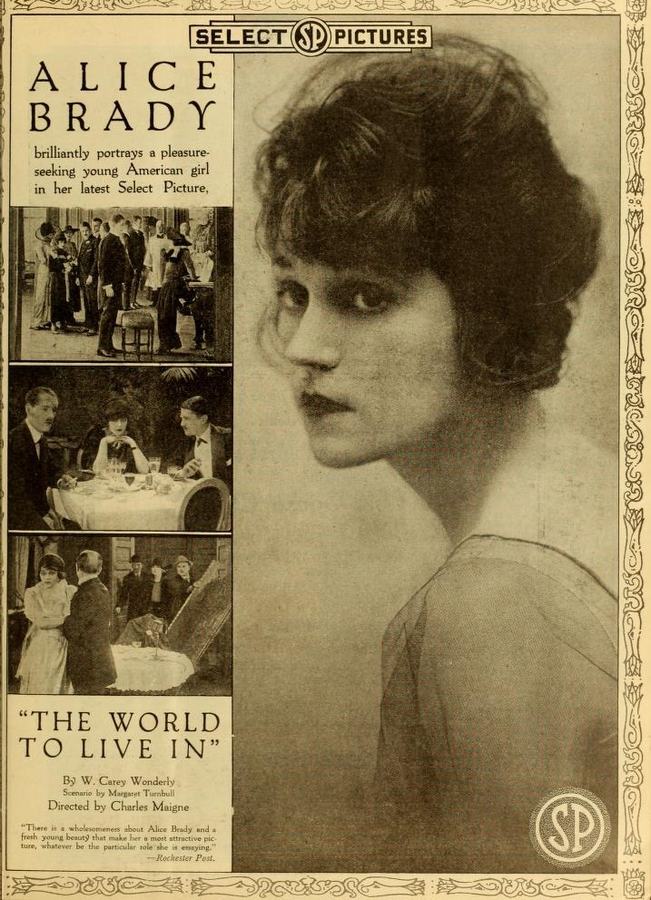
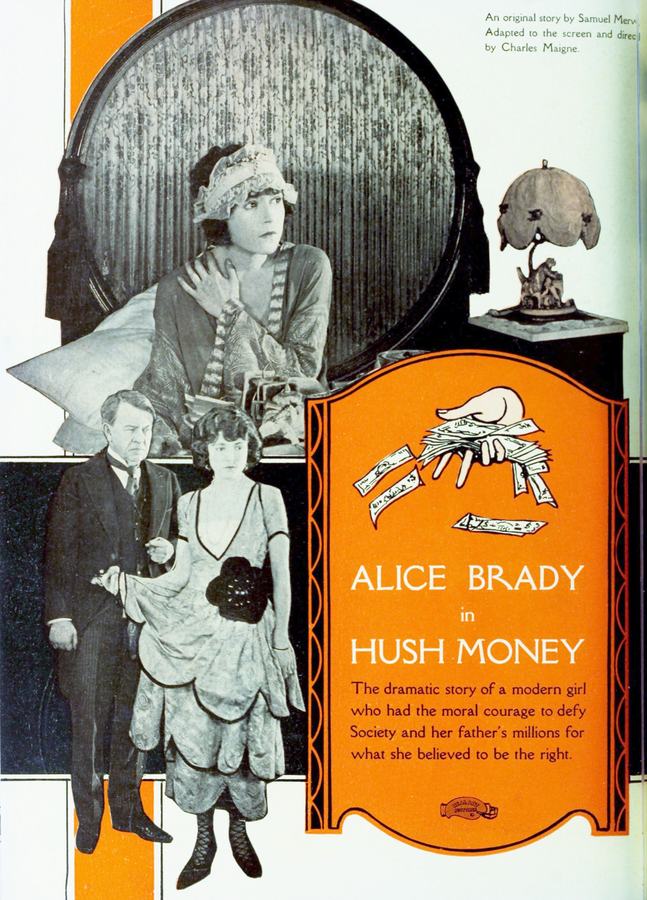
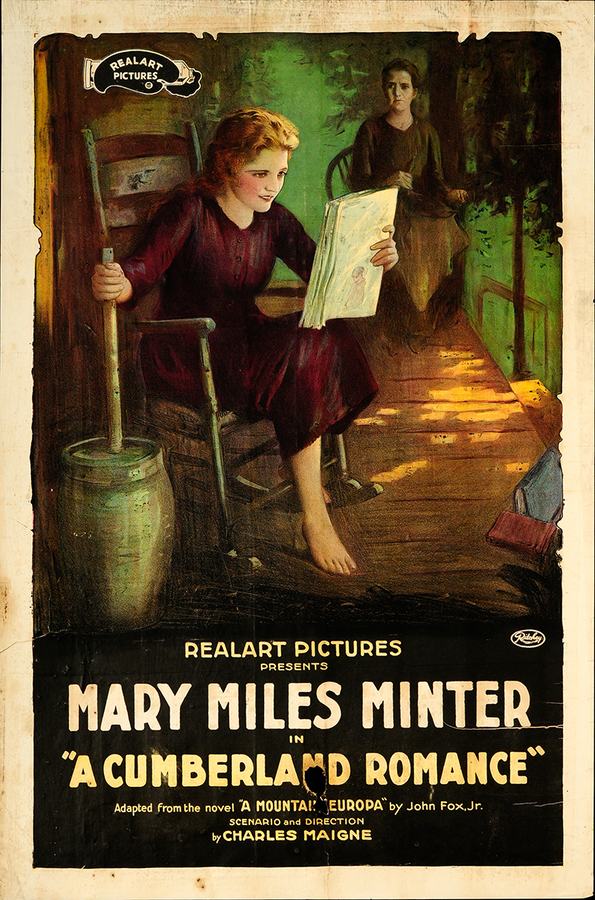
Charles Maigne, Fannie Hurst
United States
*Her Great Chance* (1929), directed with a deft hand by Charles Maigne and penned by the incisive Fannie Hurst, is a luminous yet flawed relic of the early Hollywood romance genre. The film’s narrative, a taut interplay of emotional crescendos and moral ambiguity, captures the tension between materialism and authentici...
Comparing the cinematic DNA and archive impact of two defining moments in cult history.
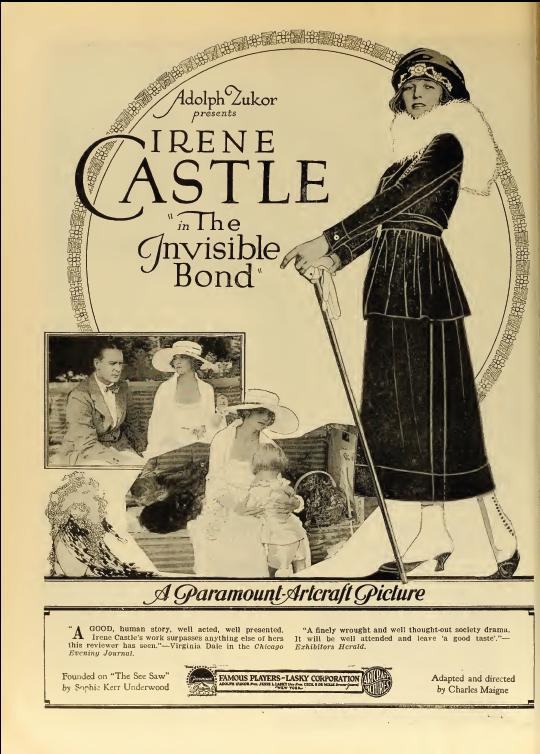
Charles Maigne
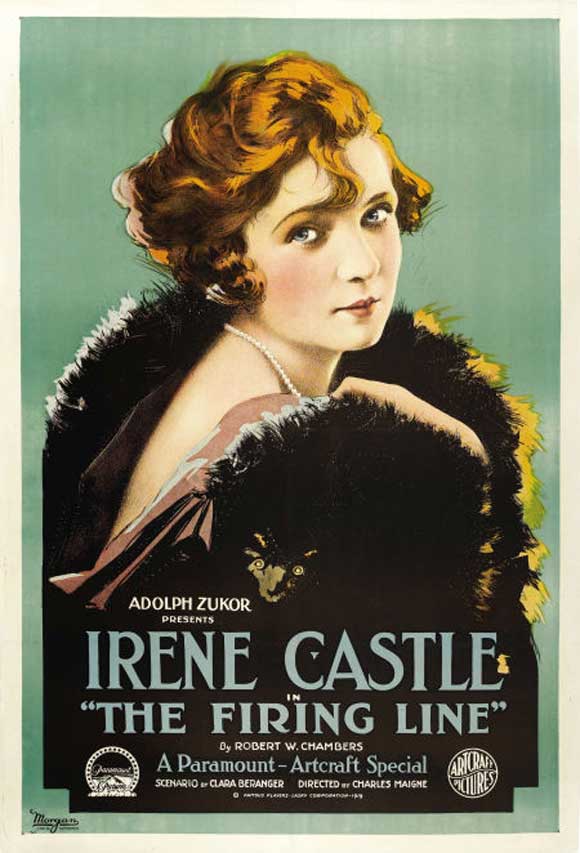
Charles Maigne
Community
Log in to comment.
"*Her Great Chance* (1929), directed with a deft hand by Charles Maigne and penned by the incisive Fannie Hurst, is a luminous yet flawed relic of the early Hollywood romance genre. The film’s narrative, a taut interplay of emotional crescendos and moral ambiguity, captures the tension between materialism and authenticity in the Jazz Age. At its core lies Lola Gray (Nellie Parker Spaulding), a working-class heroine whose journey from disillusionment to reluctant idealism mirrors the societal shif..."
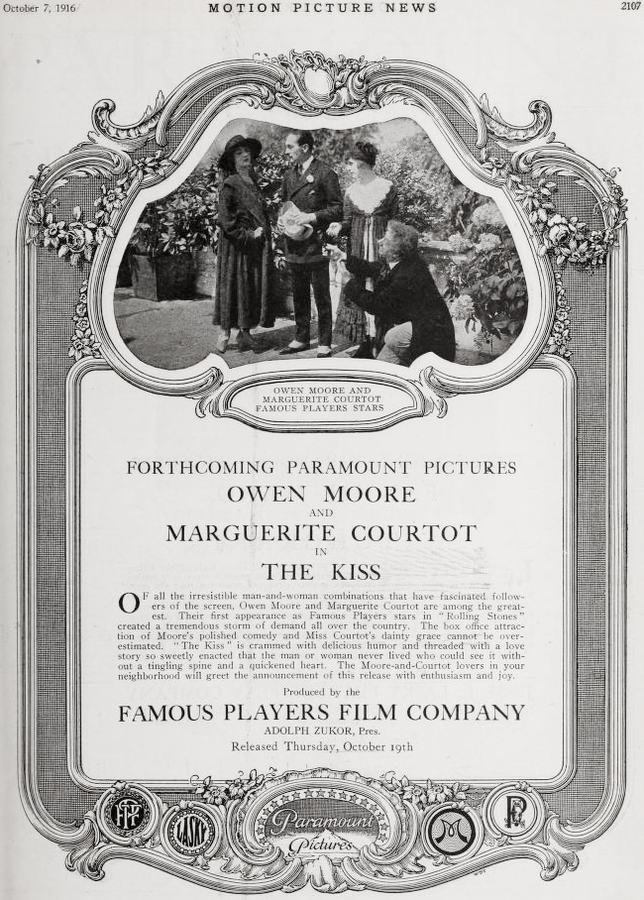
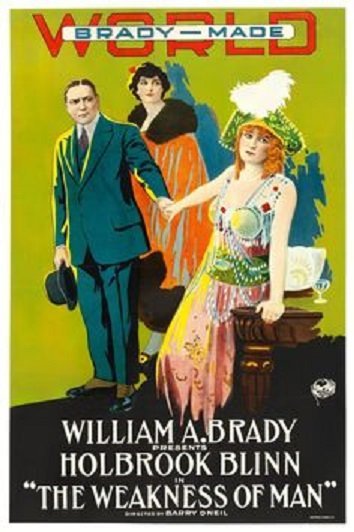
Deep dive into the cult classic
Discover similar cinematic experiences
A Directorial Spotlight on Charles Maigne