DbcultAccessing Vault...
6.6/10
Senior Film Conservator
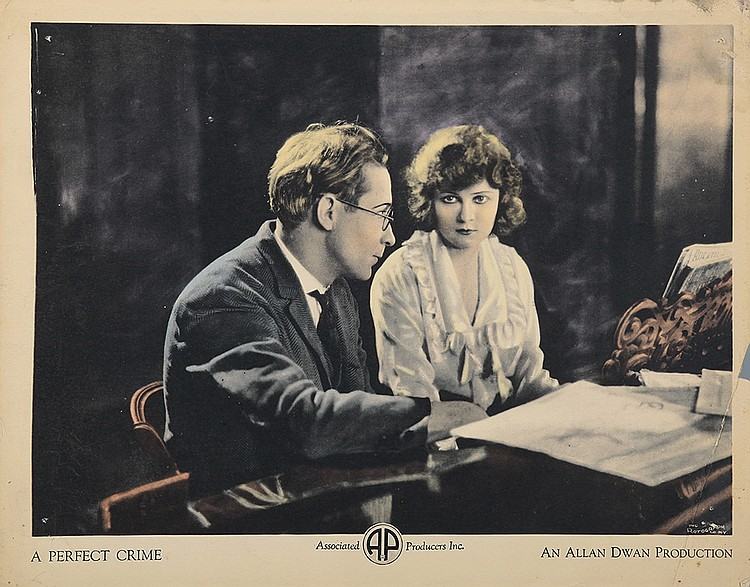
A definitive 6.6/10 rating for a film that redefined the boundaries of cult cinema. A Perfect Crime remains a cornerstone of transgressive art.
A 1921 alley-cat of a film has slinked back into the lamplight, and it carries itself like it never forgot how to purr.
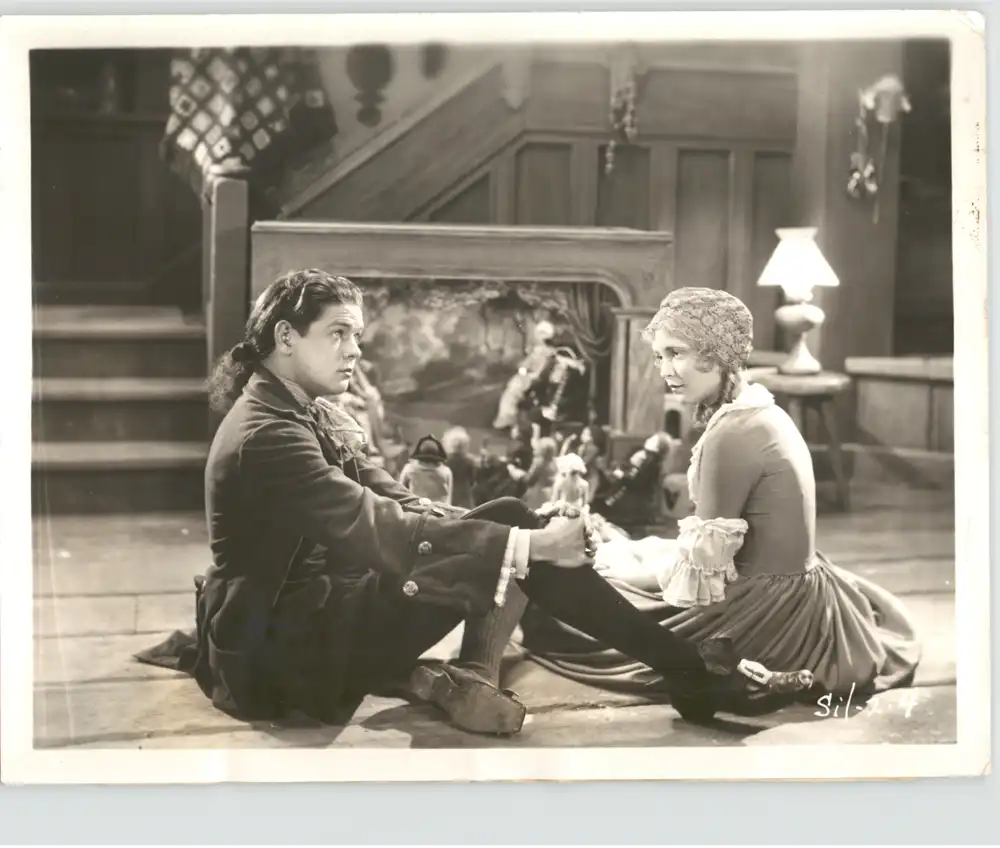
A Perfect Crime lands on modern retinas with the crackle of nitrate reborn: Allan Dwan’s Manhattan fable, long buried beneath the sediment of Keystone slapstick and Swanson melodrama, now flickers in a 4K wash that makes every bead of desk-jockey sweat look like a topaz. The plot is a Möbius strip of moral bookkeeping: a mouse who roars, a banker who applauds the roar, a DA who once bit the flock he now claims to shepherd.
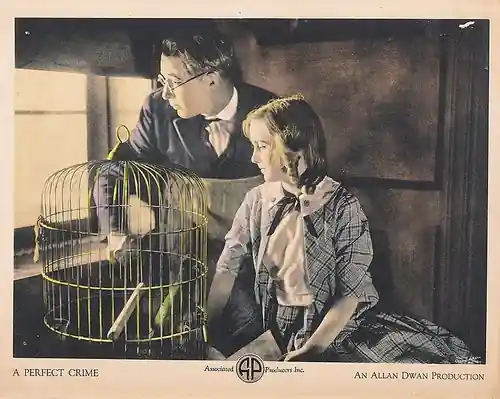
The opening iris-in feels borrowed from Edgar Allan Poe’s chequebook—ink-dark streets, sodium lamps hemorrhaging light onto snow that refuses to stay white. Enter Wally Griggs (Monte Blue), shoulders folded meekly inside a second-hand coat, eyes telegraphing nothing more than tomorrow’s overdraft. Yet the man’s pupils jitter like silent-film bees whenever he speaks of places where men wrestle pythons for sport. Blue, never the matinee-idol slab, uses that rangy kindness of his—think a young Henry Fonda who’s read too much Rimbaud—to make the fibs feel oxygenated rather than tawdry.
Halliday, marble-hewed by Stanton Heck, sits atop the bank like a gargoyle who’s learned to applaud. His office is a mausoleum of Greek key patterns and ticker-tape ticker-tocking the nation’s panic. When Wally yarns about trading diamonds for coconuts along Orinoco mists, Halliday’s pupils dilate with proxy lust; the old robber-baron would buy adventure wholesale if only someone stocked it. The performance is a masterclass in stillness—Heck lets one vein twitch beneath the starched collar, and we read entire balance-sheets of yearning.
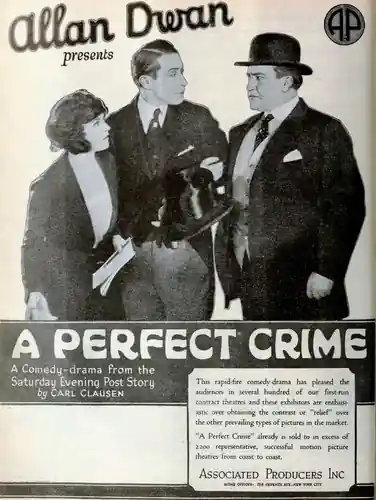
Mary, Jacqueline Logan’s finest hour, swans through these corridors draped in the last Parisian tweed her inheritance can still afford. Logan’s silent-era reputation rests on a capacity to look both regal and economically ravaged; one moment she’s porcelain, next she’s a chipped cup someone still wants to drink from. When she learns that Thaine—her former guardian, now civic paladin—siphoned her stocks to shore up a gubernatorial bid, her blink is slower than the law of gravity. No hand-to-brow theatrics, just a fractional tilt of the head as if listening to the sound of trust snapping.
Carole Lombard appears in two, maybe three sequences, a glittering pre-fame cameo that historians will freeze-frame like besotted schoolboys. She’s the switchboard girl who buzzes Wally into the executive suite, a role seemingly sketched on a tram ticket. Yet Lombard gifts the moment a kinetic snap—hips, gum, eyes that have already clocked the exits. You sense 1921 audiences leaving the theatre asking, “Who was that?”
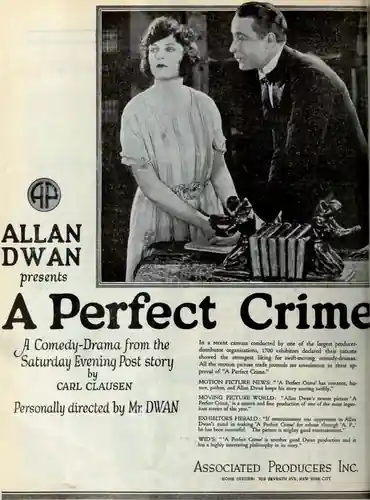
The heist itself is staged with Dwan’s geometric wit: a travelling matte makes the vault corridor stretch like pulled taffy while Wally’s shadow recedes into a rectangle of darkness. No dynamite, no tommy-guns—just a manila envelope kissing the inside of a coat. Because capital in the Jazz Age is spectral, the theft is spectral; the crime is perfect precisely because nobody sees it happen.
Arrest follows in a flurry of German-expressionist angles—Thaine looms, elongated by a low camera that could have been borrowed from Homunculus. The DA’s grin is a guillotine window. Yet the film’s bravura pivot arrives in the courtroom, a twenty-minute set-piece that prefigures every crackling Capra climax to come. Wally, defending himself, cross-examines the man who framed him by asking the stenographer to read back Thaine’s earlier boasts. The montage alternates between ink-stained documents and close-ups of jurors whose faces rearrange themselves like paper dolls. When the verdict lands, the title card—simply “For the plaintiff, Wally Griggs”— detonates a cheer that 1921 audiences reportedly sustained until the orchestra cued the next reel.
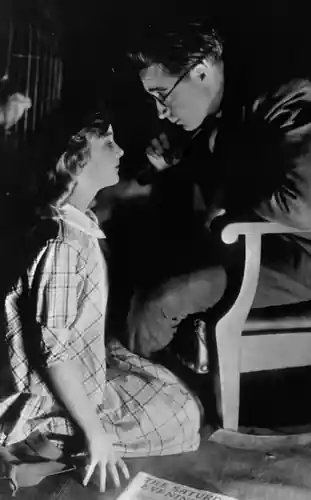
But Dwan isn’t trafficking in populist wish-fulfillment alone. Once the damages are paid, Wally feigns a stroke on the courthouse steps, a hush of white noise falling over the crowd. It’s the film’s slyest gesture: our hero plays invalid to escape the limelight, sliding the redeemed bonds back into the vault under cover of medical emergency. Applause pivots to pity; the press swarm; Mary clasps his inert hand. We realize the performance has not ended—it has only shifted proscenium. In that moment A Perfect Crime anticipates the meta-finale of The Smilin’ Kid, where the hero likewise exits into artifice, except Dwan does it with a dentist’s clinical grin.
Visually, the restoration is a sonata of grain and gleam. The 4K scan retains cigarette burns that once told projectionists when to switch reels; the blemishes look like comets across a sepia firmament. Tinting alternates between nicotine amber for interiors and a sea-blue nocturne for exteriors, recalling the aquatic hues of Saffo minus the mythic nudity. A new score—piano, clarinet, brushed snare—punctuates Wally’s fantasias with waltz-time impudence, then collapses into discordant strings when Thaine’s machinations tighten.
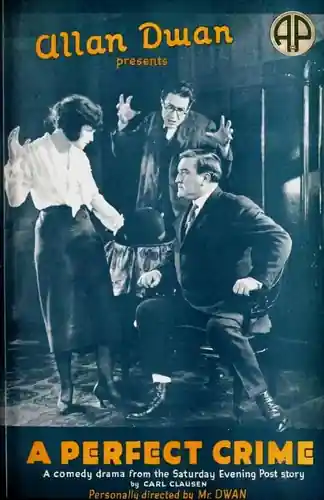
Performances across the ensemble feel eerily contemporary. Blue underplays so hard that when he finally unleashes a triumphant grin—teeth like courthouse steps—it lands like a klieg light. Logan lets sorrow seep rather than spurt; watch how she fingers the frayed hem of her sleeve while Wally testifies, calculating every cent of restitution. Even the bit players—stenographers, bailiffs, newsboys—move with the caffeinated snap of people who know the camera is hungry.
Yet the film’s true coup is thematic: it recognizes that in modernity the most exquisite theft is narrative. Thaine steals through ledgers; Wally steals through anecdote. Both understand that if you control the story, the bonds will trot home like well-trained terriers. Dwan, who would later dabble in westerns and Crayola-bright musicals, here practices a cynicism so urbane it feels compassionate. The final image—Wally at a typewriter, pecking out his first novel while Mary brings him coffee—should read as conservative capitulation: marry the girl, join the bourgeoisie, turn adventure into content. Instead, because we have watched him weaponize fiction in court, the typewriter becomes a loaded revolver. The words he spins now are both souvenir and warning.
Comparative lenses help gauge the film’s modernity. Where Voodoo Vengeance externalizes guilt through occult pyrotechnics, A Perfect Crime locates guilt in the pause before a smile. Where The Fighting Chance treats restitution as brute fist-fight, here it is a sleight-of-hand. And beside the continental despair of Tosca, Dwan’s film opts for a pragmatic American enchantment: if the system is broken, rewire it into a story that sells.
Shortcomings? A few. The comic-relief janitor who pops up clutching his broom like a rifle feels airlifted from a Mack Sennett two-reeler, tonally jarring. One reel appears lost, bridged by a title card that summarizes a car-chase we never see—though the elision oddly accentuates the film’s thesis that life’s most explosive moments occur offstage. And modern viewers may flinch at the gender algebra: Mary’s financial agency restored only through male courtroom bravura, a narrative spine that bends toward patriarchy even as it pretends to straighten.
Still, these are flecks on a diamond. At 72 unhurried minutes, A Perfect Crime is a masterclass in narrative legerdemain, a film that bets its shirt on the proposition that stories are negotiable instruments. It wins the wager, then saunters into the night whistling a tune that sounds suspiciously like the opening riff of Hearts or Diamonds?—only played in a minor key.
Verdict: mandatory viewing for anyone who believes silent cinema ended with Chaplin’s tramp or Keaton’s stone-face. Dwan’s rediscovered jewel proves that the most subversive act in 1921 was not stealing money but stealing the right to narrate the theft.
Grade: A | Availability: 4K Blu-ray from Kino Lorber, streaming on Criterion Channel, region-free.
IMDb —
1924
Community
Log in to comment.