DbcultAccessing Vault...
Cult Review
Senior Film Conservator
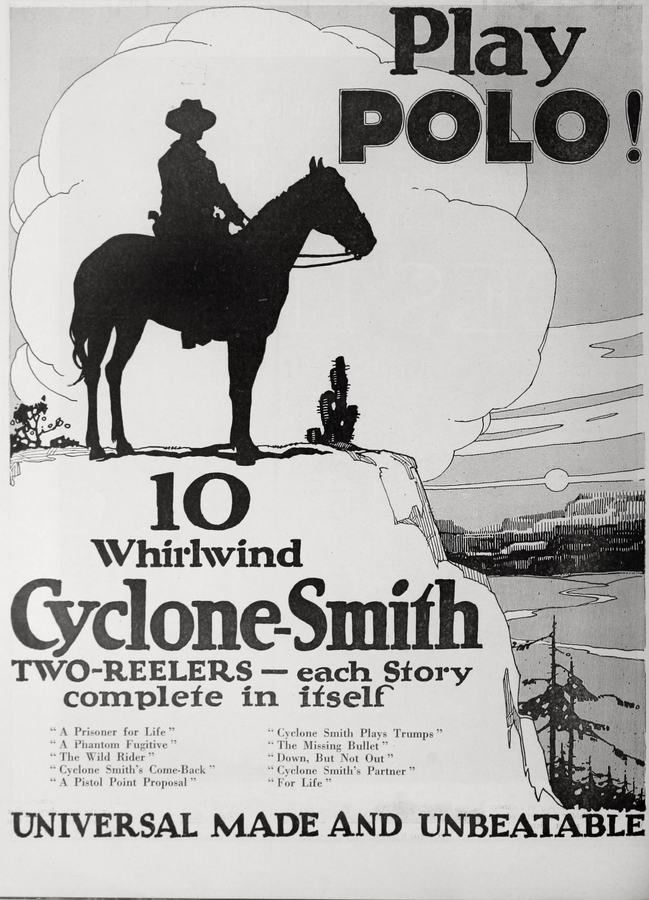
Stepping back into the cinematic annals of 1917, one encounters A Phantom Fugitive, a film that, even a century later, retains a certain raw, unvarnished charm. It’s a relic, yes, but one that speaks volumes about the storytelling impulses of its era: direct, visceral, and often surprisingly prescient. Directed by the collaborative efforts of Jacques Jaccard and George Hively, with a narrative co-conceived by Marie Walcamp, who also graces the screen, this picture plunges us headfirst into the political maelstrom of Sunset City, an evocative name for a place perpetually on the cusp of chaos. The election day setting isn't merely a backdrop; it's a pulsating artery, pumping tension and urgency through every frame, making the unfolding drama feel profoundly consequential.
The plot, deceptively simple on the surface, quickly unravels into a complex web of civic duty, corruption, and outright banditry. We are introduced to Eddie, played with compelling earnestness by Eddie Polo, a figure whose very presence seems to galvanize the inert forces of justice. His mission? To systematically dismantle a deeply entrenched 'nest of bandits' that has, with brazen audacity, taken root within the city's very fabric. This isn't a hero's journey in the classical sense, but rather a gritty, ground-level campaign against organized crime, infused with the kind of populist fervor that often accompanies pivotal elections. The film, in its silent grandeur, manages to convey the weight of these stakes, making Eddie's endeavors feel not just personal, but existential for Sunset City itself.
Marie Walcamp, a formidable presence in early cinema, brings her characteristic intensity to the screen. Her contributions extend beyond her performance; as a co-writer, she undoubtedly shaped the narrative's contours, injecting it with a dynamism that was often her hallmark. Walcamp was a trailblazer, a woman who commanded respect both in front of and behind the camera, and her influence here is palpable. Her characters often possessed an agency and resilience that set them apart, and one can infer a similar strength within the narrative framework of A Phantom Fugitive. Alongside Polo and Walcamp, Eileen Sedgwick, Robert Anderson, and Joe De La Cruz round out a cast that, despite the limitations of silent film acting (which demanded exaggerated gestures and expressions), manages to imbue their roles with a persuasive verisimilitude. The ensemble works in concert, painting a vivid portrait of a community grappling with internal strife.
The directorial choices made by Jaccard and Hively are particularly noteworthy. Given the technological constraints of the era, they demonstrate a remarkable understanding of visual storytelling. The camera work, though static by modern standards, is employed with a keen eye for composition, framing scenes in a way that maximizes dramatic impact. Close-ups, while perhaps not as prevalent as in later films, are used judiciously to highlight emotional states or crucial plot details. The pacing, a critical element in silent features, is expertly managed; moments of tense anticipation are carefully balanced with bursts of exhilarating action, ensuring the audience remains thoroughly engaged. This meticulous attention to rhythm is what elevates A Phantom Fugitive beyond a mere historical curiosity into a compelling piece of early cinematic art.
One cannot discuss silent films without acknowledging the unique demands placed upon the actors. With no dialogue to convey nuance, performers relied entirely on their physicality, their facial expressions, and their command of pantomime. Eddie Polo, a renowned stuntman and strongman, leveraged his formidable physique and magnetic screen presence to portray a hero who is both physically imposing and morally unwavering. His actions speak louder than any words ever could. Marie Walcamp, on the other hand, often brought a more nuanced, almost proto-feminist sensibility to her roles, showcasing intelligence and grit that transcended the often-limited portrayals of women in early cinema. Their combined performances are a masterclass in silent-era acting, demonstrating how much emotion and narrative thrust could be conveyed without a single spoken line.
Thematically, A Phantom Fugitive touches upon enduring concerns: the fragility of democracy, the pervasiveness of corruption, and the eternal struggle between good and evil. The election day backdrop infuses these themes with a palpable urgency, suggesting that the integrity of the ballot box is inextricably linked to the moral fiber of the community. In this sense, the film resonates with The Fall of a Nation, another film from the same era that grappled with grand political narratives and societal threats, albeit with a more overtly alarmist tone. Both films, in their distinct ways, reflect the anxieties and aspirations of a nation on the cusp of significant global and domestic changes, demonstrating how cinema often serves as a mirror to its contemporary society.
The screenwriting team of George Hively, Jacques Jaccard, and Marie Walcamp crafted a narrative that, despite its age, feels remarkably tight. There are no superfluous subplots, no meandering digressions. Every scene, every character interaction, seems to propel the central conflict forward. This economical storytelling is a testament to their skill, particularly given the nascent state of screenwriting as an art form. They understood the power of visual narrative, of showing rather than telling, and this understanding underpins the film’s enduring appeal. It's a testament to their collaborative vision that the film maintains a coherent and compelling through-line, a feat not always achieved in the early days of feature filmmaking.
While A Phantom Fugitive might not possess the gothic dread of The Haunted Bedroom, or the profound emotional depth found in a drama like Le crépuscule du coeur, it carves out its own niche as a vibrant, action-packed crime thriller. Its strength lies in its unpretentious commitment to delivering thrills and a clear moral compass. It's a film that doesn't attempt to reinvent the wheel but perfects the art of the chase, the confrontation, and the eventual triumph of good over evil. This directness is, in itself, a form of artistic integrity.
The film’s portrayal of Sunset City, while perhaps archetypal, still manages to create a sense of place. One can almost feel the tension in the air, the whispers of conspiracy, and the palpable fear of the citizenry. The 'nest of bandits' isn't just an abstract threat; it's a tangible force disrupting daily life, making Eddie's crusade all the more urgent and relatable. This grounding in a specific, if fictional, urban landscape gives the narrative an immediacy that transcends its silent format. It’s a classic tale of a community reclaiming its sovereignty from those who would usurp it, a timeless struggle rendered with compelling clarity.
In terms of character development, while the silent era often favored archetypes, A Phantom Fugitive allows for glimpses of internal struggle, particularly through the nuanced performances. Eddie Polo’s hero, while resolute, isn't a one-dimensional automaton. There are moments, however fleeting, where one can infer the weight of his task, the personal cost of his crusade. Similarly, Marie Walcamp's character likely navigates complexities that add depth to the unfolding drama, preventing the film from descending into simplistic good-versus-evil tropes. This subtle layering enriches the viewing experience, inviting audiences to read between the lines of the intertitles and the exaggerated gestures.
The influence of A Phantom Fugitive and similar films of its era on subsequent cinematic developments cannot be overstated. These early thrillers laid the groundwork for entire genres, establishing conventions and narrative structures that would be refined and expanded upon for decades to come. The idea of a lone hero cleaning up a corrupt town, particularly in the context of political upheaval, became a staple of Westerns and urban crime dramas alike. While it might not be as widely discussed as some of its contemporaries, its contribution to the evolution of action-adventure storytelling is undeniable.
Comparing it to other films from the period provides further insight. Unlike the more introspective or character-driven narratives such as Sunshine Nan or His Wife's Friend, A Phantom Fugitive opts for a more externalized conflict, driven by plot mechanics and physical confrontation. Yet, like The Long Arm of Mannister, it champions the relentless pursuit of justice, albeit through different means. It's a testament to the diverse landscape of silent cinema that such varied stories could coexist and thrive, each catering to different facets of the public's appetite for entertainment and social commentary.
The technical aspects, while primitive by today's standards, are executed with a surprising degree of sophistication for 1917. The use of natural light, the construction of sets (even if minimal), and the efforts in costuming all contribute to the film’s authenticity. One can appreciate the ingenuity required to create compelling visual narratives without the benefit of sound, color, or advanced editing techniques. The filmmakers had to rely on sheer creativity and an intimate understanding of human psychology to convey meaning, and in A Phantom Fugitive, they largely succeed. It’s a masterclass in making the most of limited resources, proving that compelling cinema is more about vision than budget.
Moreover, the film's title itself, A Phantom Fugitive, is intriguing. It hints at an elusive quality, perhaps referring to the bandits themselves, who operate like ghosts in the machinery of the city, or perhaps to Eddie, who must move with stealth and cunning to achieve his objectives. This element of mystery, even if resolved through direct action, adds another layer to the narrative, inviting audiences to ponder the true nature of the 'phantom' at play. It's a title that promises intrigue and delivers on it, drawing viewers into its world of shadows and revelations.
In conclusion, A Phantom Fugitive stands as a robust example of early American silent cinema, particularly within the action and crime genres. It's a film that encapsulates the raw energy and narrative ambition of its time, offering a compelling blend of political drama and thrilling bandit-busting. The performances by Eddie Polo and Marie Walcamp are captivating, providing the necessary emotional and physical anchors for the story. The directorial vision, though constrained by technology, is clear and effective, ensuring a brisk pace and engaging visual storytelling. For anyone interested in the foundational elements of cinematic narrative, or simply in experiencing a vibrant slice of early film history, A Phantom Fugitive is an essential watch. It reminds us that even in the absence of spoken words, the power of a well-told story, driven by compelling characters and urgent themes, can resonate across generations, echoing the timeless struggle for justice in a world perpetually in flux.
IMDb —
1920
Community
Log in to comment.