DbcultAccessing Vault...
7.3/10
Senior Film Conservator
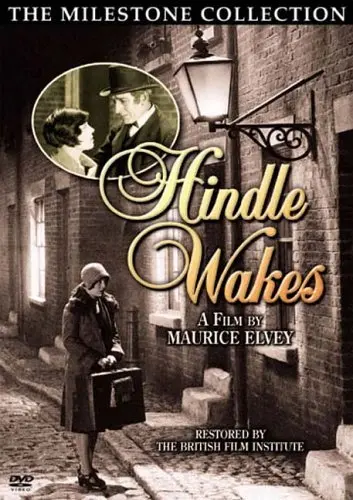
A definitive 7.3/10 rating for a film that redefined the boundaries of cult cinema. Fanny Hawthorne remains a cornerstone of transgressive art.
Is Fanny Hawthorne worth your time nearly a century after its release? Short answer: Absolutely, but only if you are prepared for a quiet revolution rather than a loud spectacle.
This film is for viewers who appreciate gritty social realism, nuanced character studies, and the history of feminist defiance; it is not for those who require the high-octane escapism of modern blockbusters or the sanitized, moralistic endings typical of the later Hays Code era.
1) This film works because it rejects the 'fallen woman' trope in favor of a 'rising woman' narrative, allowing its protagonist to maintain her dignity without needing a man to validate it.
2) This film fails because the pacing of the initial mill sequences is deliberately, perhaps overly, sluggish, which may test the patience of modern audiences accustomed to faster setups.
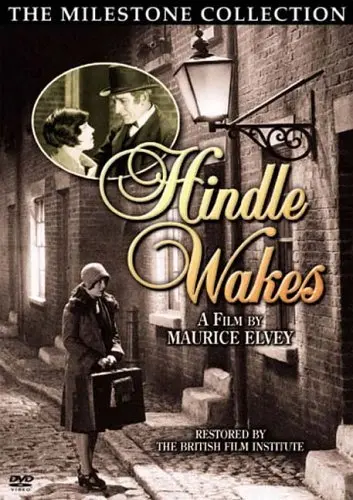
3) You should watch it if you want to witness the exact moment British cinema learned to stop lecturing its audience and start observing the complexities of the working class.
Yes, Fanny Hawthorne is a pioneering feminist film because the protagonist chooses her own independence over a forced marriage. She does not apologize for her desires or her actions. By treating her male counterpart as an equal in a brief affair rather than a master of her fate, the film subverts 1920s social norms. It remains one of the earliest examples of a woman claiming agency over her own narrative in cinema.
In 1927, cinema was often obsessed with the 'fallen woman'—a character who, having strayed from the path of virtue, must either die or be rescued by a repentant hero. Fanny Hawthorne, portrayed with a startling, modern intensity by Estelle Brody, refuses both options. When the truth of her weekend in Blackpool with Alan Jeffcote comes to light, the expectation is clear: Alan must marry her to 'make an honest woman' of her. The brilliance of Victor Saville and Maurice Elvey’s direction lies in how they build this expectation, only to have Fanny dismantle it with a few simple, devastating lines of dialogue.
She isn't a victim. She isn't a tragic figure. She is a woman who had a good time and sees no reason to pay for it with the rest of her life. This was radical in 1927, and frankly, it still feels radical today. While films like The Common Law toyed with similar themes of social propriety, they often lacked the raw, working-class grit found here. Fanny doesn't live in a bohemian loft; she lives in a world of cotton dust and clock-watching. Her rebellion is grounded in the reality of labor.
The cinematography in Fanny Hawthorne is a fascinating blend of documentary-style location shooting and expressive studio work. The sequences filmed in Blackpool during the actual Wakes Week provide a priceless historical record of working-class leisure. We see the crowds, the rudimentary amusement park rides, and the sheer, overwhelming energy of thousands of people escaping the grind. One specific moment stands out: the shot of the roller coaster descending. It’s a metaphor for the thrill of Fanny’s brief escape, but it’s filmed with a kinetic energy that rivals the experimental cinema coming out of Germany at the time.
Contrast these bright, chaotic scenes with the oppressive gloom of the Hindle interiors. The Jeffcote household is a tomb of Victorian furniture and heavy drapes. The lighting here is starker, casting long shadows that suggest the weight of tradition. The film uses space to tell the story—Blackpool represents the horizontal freedom of the promenade, while Hindle represents the vertical hierarchy of the mill. It’s visual storytelling at its most potent. Even compared to contemporary dramas like Social Hypocrites, the sense of place in Fanny Hawthorne is vastly more authentic.
Estelle Brody is a revelation. In an era where silent acting often leaned into broad, theatrical gestures, Brody is remarkably contained. Her power lies in her eyes. There is a specific scene late in the film where she sits in the Jeffcote parlor, surrounded by people deciding her future. She says very little, but her gaze—unblinking, slightly bored, and entirely unimpressed—tells the audience everything. She is the smartest person in the room, and she knows it.
John Stuart, as Alan, provides the perfect foil. He plays the 'gentleman' son not as a villain, but as a weak man trapped by his own privilege. He is willing to do the 'right thing' only because he lacks the imagination to do anything else. Their chemistry is not one of romantic longing, but of a shared secret that they interpret in completely different ways. It’s a sophisticated dynamic that you don't often see in silent cinema. It makes the melodrama of The Ace of Cads look almost amateurish by comparison.
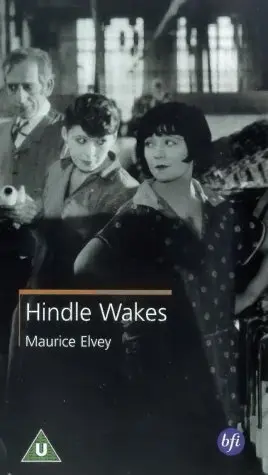
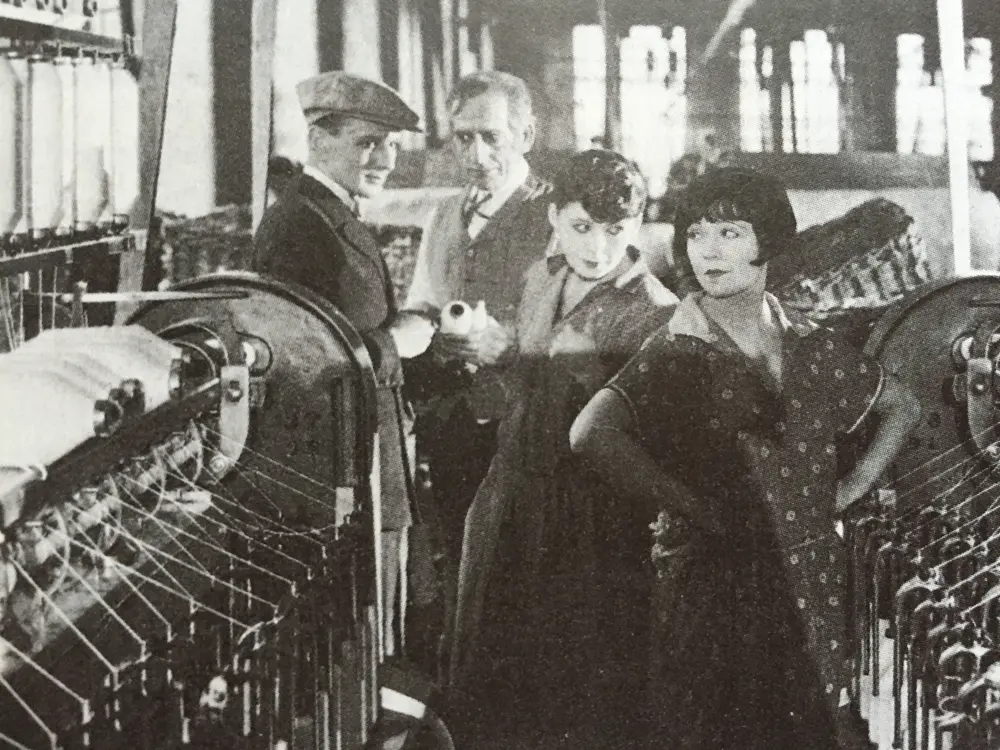
Maurice Elvey and Victor Saville understood that for the ending to land, the audience had to feel the weight of the work week. The first act of the film is slow. We see the repetitive motions of the mill, the dust in the air, and the exhausted faces of the workers. This isn't 'boring' filmmaking; it's essential world-building. It establishes why the Blackpool escape is so vital. It’s a pressure cooker. When the holiday finally arrives, the film’s rhythm shifts into high gear, mirroring the heartbeat of its characters.
The directors also make the bold choice to humanize the 'antagonists.' Alan’s father, the mill owner, is not a mustache-twirling villain. He is a man of his word who believes in a certain kind of justice, even if that justice is narrow-minded. This complexity elevates the film from a simple morality play into a genuine drama. It’s a far cry from the more simplistic characterizations found in The Texan or other genre fare of the period.
Pros:
Cons:
Fanny Hawthorne is a towering achievement of the silent era. It manages to be both a time capsule of a lost way of life and a timeless statement on personal freedom. While other films of 1927, like the animated Trolley Troubles, were focused on pure entertainment, Fanny Hawthorne was interested in the human soul. It works. But it’s flawed in its pacing. She wins, but the victory is lonely. If you want to see a film that treats its audience like adults, this is it.
"A woman's reputation is her own to lose, and Fanny Hawthorne proves she never lost it in the first place—she simply used it."
IMDb 5.4
1914
Community
Log in to comment.