DbcultAccessing Vault...
6.4/10
Senior Film Conservator
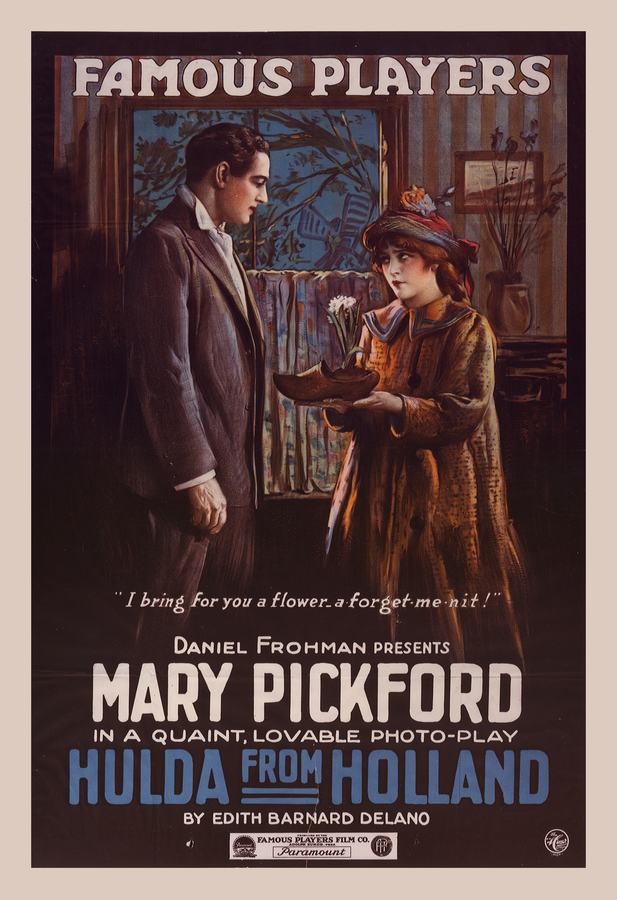
A definitive 6.4/10 rating for a film that redefined the boundaries of cult cinema. Hulda from Holland remains a cornerstone of transgressive art.
The silent film era, often romanticized as a period of grand gestures and melodramatic narratives, gifted cinema enthusiasts with a treasure trove of stories that continue to resonate. Among these, 'Hulda from Holland' emerges as a charming testament to the power of human spirit, familial bonds, and the timeless allure of a plucky protagonist. Released in an age when storytelling relied solely on visual artistry and the emotive capabilities of its stars, this film, with its simple yet profound narrative, exemplifies the magic that could be conjured without spoken dialogue. It's a journey back to a time when expressions, body language, and carefully crafted intertitles carried the full weight of a character's inner world, inviting audiences into a deeply immersive, albeit quiet, experience.
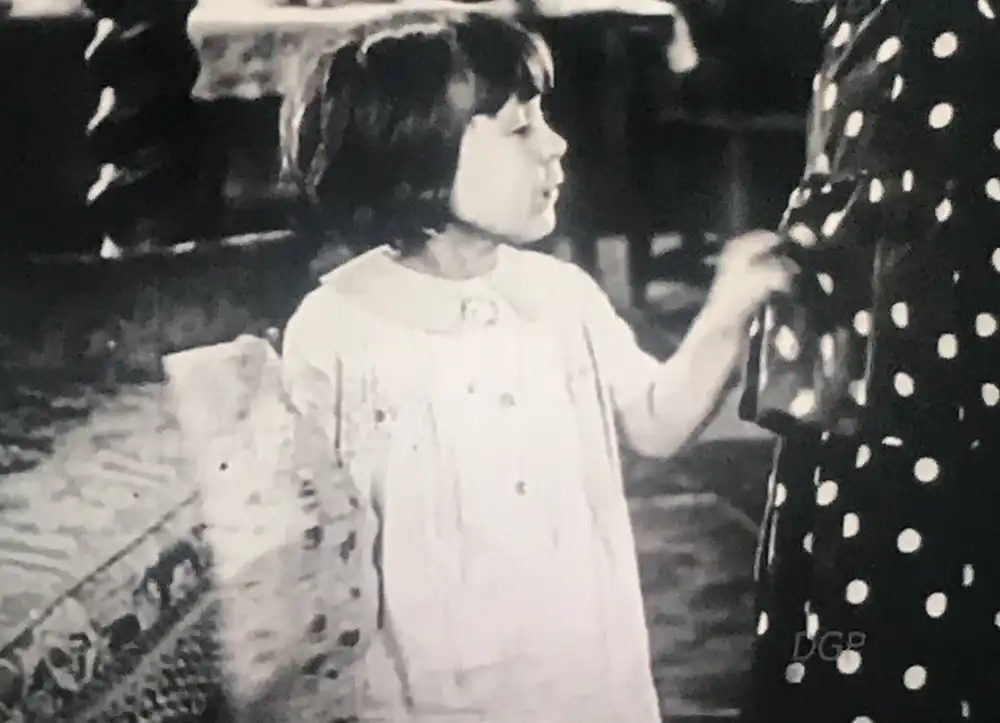
At the heart of 'Hulda from Holland' is the incandescent presence of Mary Pickford, an actress whose star power during the silent era was virtually unparalleled. Known affectionately as 'America's Sweetheart' and 'Little Mary,' Pickford possessed an unparalleled ability to convey innocence, resilience, and an unwavering moral compass, often through characters who, despite their youthful appearance, carried immense burdens. Her portrayal of Hulda is a masterclass in this persona. She imbues the Dutch girl with a blend of naiveté and steely determination that makes her journey not just believable, but deeply empathetic. Pickford’s expressive eyes and subtle mannerisms speak volumes, painting a portrait of a young woman thrust into extraordinary circumstances, yet refusing to buckle under pressure. This performance alone is a compelling reason to revisit the film, offering a window into why Pickford captivated millions and became one of the most influential figures in early Hollywood.
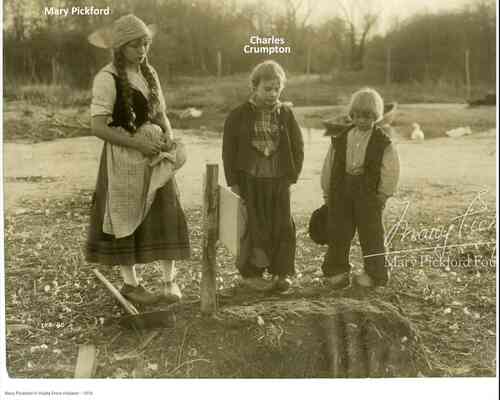
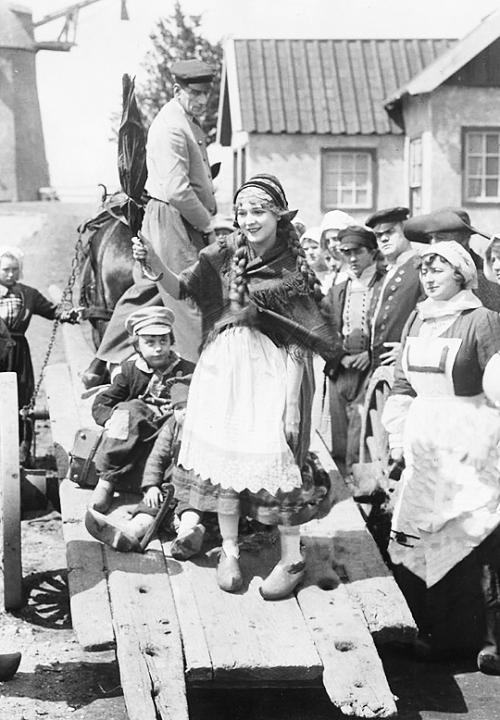
The narrative itself is a touching saga of migration and familial responsibility. Hulda, a mere girl herself, shoulders the monumental task of transporting her three younger brothers from their quaint Dutch homeland to the bustling, intimidating shores of America. This transatlantic voyage is more than just a physical journey; it's a symbolic passage from a familiar, humble existence to an unknown future dictated by the whims of a wealthy, distant relative, Uncle Peter. The film excels in illustrating the cultural shock Hulda and her brothers experience. Their simple, honest ways often clash with the sophisticated, somewhat detached world of their affluent uncle, played with a nuanced blend of initial aloofness and eventual warmth by Frank Losee. This dynamic creates both humor and pathos, highlighting the stark contrast between material wealth and the richness of genuine human connection.
Hulda's fierce protectiveness of her siblings, portrayed by Harold Hollacher, Charles Crompton, and Cesare Gravina, forms the emotional bedrock of the story. Every decision, every interaction, is filtered through her singular purpose: to ensure the well-being and happiness of her little charges. This unwavering dedication resonates deeply, tapping into universal themes of sacrifice and unconditional love. It's a testament to Edith Barnard Delano's writing, which, even through the medium of silent film, crafts characters with palpable motivations and emotional depth. The challenges Hulda faces are not just external – navigating a new country and a demanding uncle – but internal, as she grapples with her own coming of age while simultaneously acting as a surrogate parent.
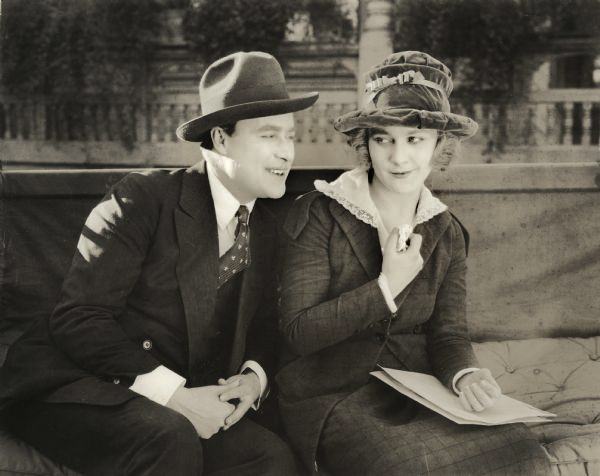
As Hulda strives to create a semblance of home within Uncle Peter's grand estate, a romantic subplot gracefully unfolds. She finds an unexpected connection with a poor artist, a character often portrayed in silent films as the embodiment of artistic integrity and genuine passion, standing in stark contrast to the often-cold world of commerce and inherited wealth. This artist, whose name is not explicitly detailed in the provided plot but whose presence is crucial, offers Hulda not material comforts, but emotional solace and understanding. Their burgeoning affection serves as a powerful counterpoint to the opulence surrounding Uncle Peter, suggesting that true happiness lies not in possessions, but in shared values and mutual respect. The romance is depicted with a delicate touch, characteristic of the era, relying on glances, gestures, and the unspoken language of the heart. It’s a classic narrative device, certainly, but one that Pickford executes with such sincerity that it feels fresh and compelling, highlighting the triumph of sincere feeling over superficial status.
'Hulda from Holland' masterfully weaves together several enduring themes that continue to resonate with modern audiences. At its core, it is a story of immigration and assimilation, depicting the challenges and triumphs of adapting to a new culture while holding onto one's heritage. Hulda's journey is emblematic of countless real-life experiences, making the film's message particularly potent. Furthermore, the conflict between material wealth and intrinsic human value is a central pillar. Uncle Peter's initial standoffishness slowly gives way to an appreciation for Hulda's genuine character, demonstrating that true riches are found in family and love, not just in bank accounts. This transformation is subtly handled, allowing the audience to witness the gradual softening of a hardened heart, a common yet always moving trope.
The film also champions the idea of female agency, even within the confines of a patriarchal society. Hulda, despite her youth and gender, takes charge of her family's destiny, displaying a strength and independence that defied typical societal expectations of the time. Her character serves as an inspiration, proving that determination and a pure heart can overcome daunting obstacles. This aspect of her character might remind some viewers of the unwavering spirit found in protagonists navigating societal challenges, not unlike the resilience portrayed in films such as The Dream Lady, where female characters often find their inner strength to overcome adversity and societal expectations.
While 'Hulda from Holland' stands unique in its specific narrative, its thematic underpinnings and character archetypes resonate with other films of its era and beyond. The journey of a young, determined individual facing an unknown world with only their family as a compass can be seen in echoes throughout cinematic history. For instance, the profound sense of responsibility and the moral compass guiding the protagonist, even in the face of daunting challenges, might draw parallels to the earnest devotion seen in Your Obedient Servant, where duty often dictates the course of one's life. The stark contrast between the wealth of Uncle Peter and the humble origins of Hulda and her artist lover is a classic 'riches vs. heart' trope, a narrative explored with different nuances in films like Le nabab, which often critiques the societal implications of immense wealth.
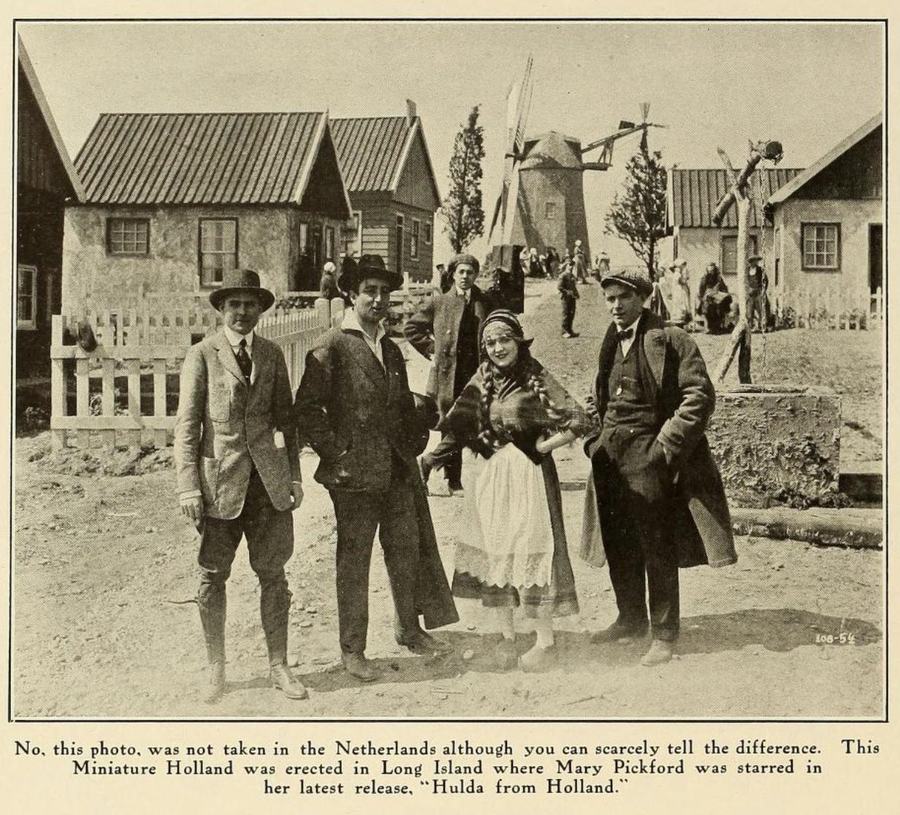
The overarching theme of finding one's place in a new, often bewildering, environment, and the struggle to maintain one's identity, touches upon the immigrant experience depicted in many silent films, as well as more contemporary works. Hulda's resourcefulness and adaptability, her unwavering spirit in the face of the unknown, harken to the core strengths often celebrated in tales of survival and self-discovery, much like the enduring spirit of the titular character in Robinson Crusoe, though in a vastly different context of societal integration rather than isolation. Even the legal and familial entanglements, though lightened by the film's optimistic tone, touch upon the complexities seen in more dramatic works like Il processo Clémenceau, where family obligations and legal structures often collide with personal desires.
Furthermore, the exploration of societal expectations and personal integrity, particularly when confronted with the temptations of wealth or the pressures of conformity, finds a less cynical but equally poignant expression in 'Hulda from Holland' compared to the more severe moral examinations found in films such as The Crucible of Life. While 'Hulda' maintains a heartwarming demeanor, it subtly critiques the superficiality that can accompany affluence, ultimately championing an authentic, heartfelt existence. This narrative thread, where true values are upheld against a backdrop of potential corruption, is a timeless cinematic device.
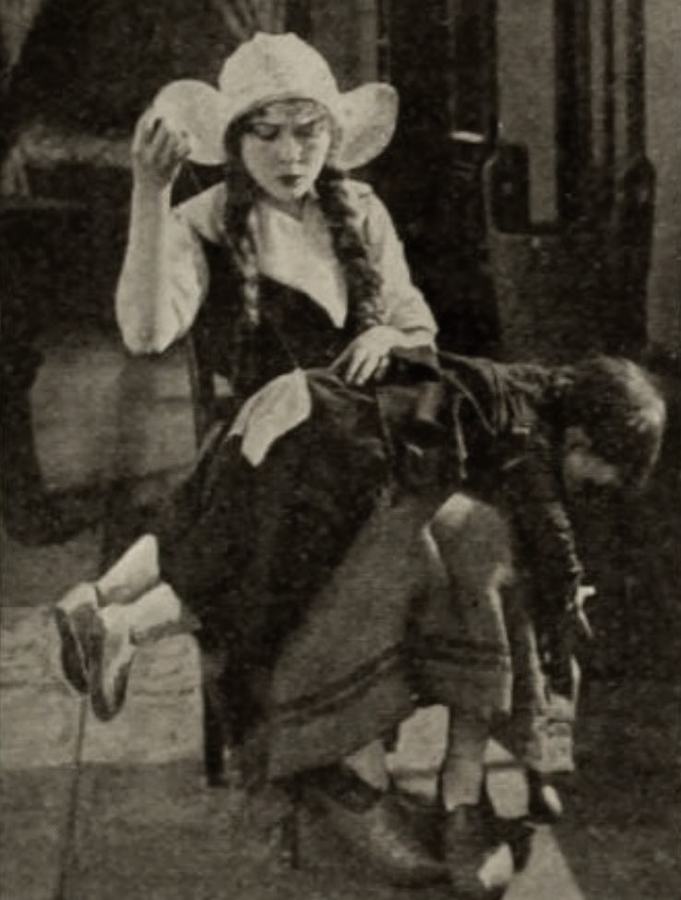
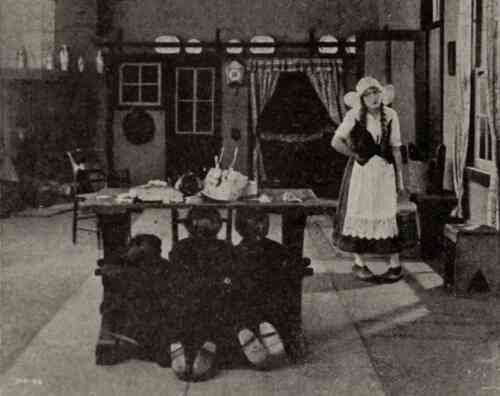
The direction, though not explicitly attributed in the provided details, showcases a keen understanding of silent film aesthetics. The visual storytelling is paramount, with careful attention paid to set design, costuming, and the framing of shots to convey emotion and plot points without relying on dialogue. The portrayal of both the Dutch countryside and the American urban environment would have been crucial in establishing the cultural contrasts central to the film. The performances by the supporting cast, including Charles E. Vernon, Russell Bassett, and John Bowers, complement Pickford's central role, creating a believable and engaging world around Hulda. Frank Losee, as Uncle Peter, undergoes a significant character arc, transitioning from a seemingly stern, unfeeling patriarch to a man softened by the genuine affection and unwavering spirit of his young relatives. This transformation is handled with a subtlety that avoids caricature, making his eventual acceptance and warmth feel earned and genuine. The ensemble works in concert to elevate the simple premise into a compelling human drama.
The film's technical aspects, from cinematography to editing, would have adhered to the conventions of the era, focusing on clear, legible storytelling. Intertitles are used judiciously, providing necessary exposition and dialogue without overpowering the visual narrative. The pacing, though perhaps slower by modern standards, allows for a deeper immersion into the characters' emotional states and the unfolding drama. This deliberate tempo encourages viewers to linger on expressions and gestures, extracting the full emotional weight of each scene. It’s a reminder of a bygone era of filmmaking, where patience was a virtue and visual literacy was key to appreciating the cinematic art form.
'Hulda from Holland' serves as more than just a historical artifact; it is a heartwarming narrative that speaks to the enduring power of family, the courage of the human spirit, and the universal search for belonging and love. Mary Pickford's performance is, as always, a highlight, showcasing her remarkable ability to embody characters that are at once vulnerable and incredibly strong. For those interested in the foundational works of cinema, or simply in a story that champions goodness and perseverance, 'Hulda from Holland' offers a delightful and emotionally resonant experience. It's a testament to the fact that even without spoken words, a film can convey profound truths and leave an indelible mark on the audience's heart. It solidifies Pickford's legacy as a pioneer and a master of her craft, proving that true star power transcends technological limitations.
In an age saturated with complex narratives and cutting-edge special effects, there is a refreshing simplicity and sincerity in films like 'Hulda from Holland.' It reminds us that the most compelling stories are often those that explore the depths of human emotion and the unwavering bonds that tie us together. The film's message about finding true wealth in relationships rather than material possessions remains profoundly relevant, offering a gentle yet powerful critique of societal priorities. As a piece of cinematic history, it provides invaluable insight into the storytelling techniques and cultural values of the early 20th century. As a work of art, it stands as a charming, poignant, and ultimately uplifting tale of a young girl's journey to build a home and find happiness against all odds. It's a delightful watch for anyone yearning for a touch of classic Hollywood charm and a story with a genuine, beating heart.
IMDb —
1926
Community
Log in to comment.