DbcultAccessing Vault...
Cult Review
Senior Film Conservator
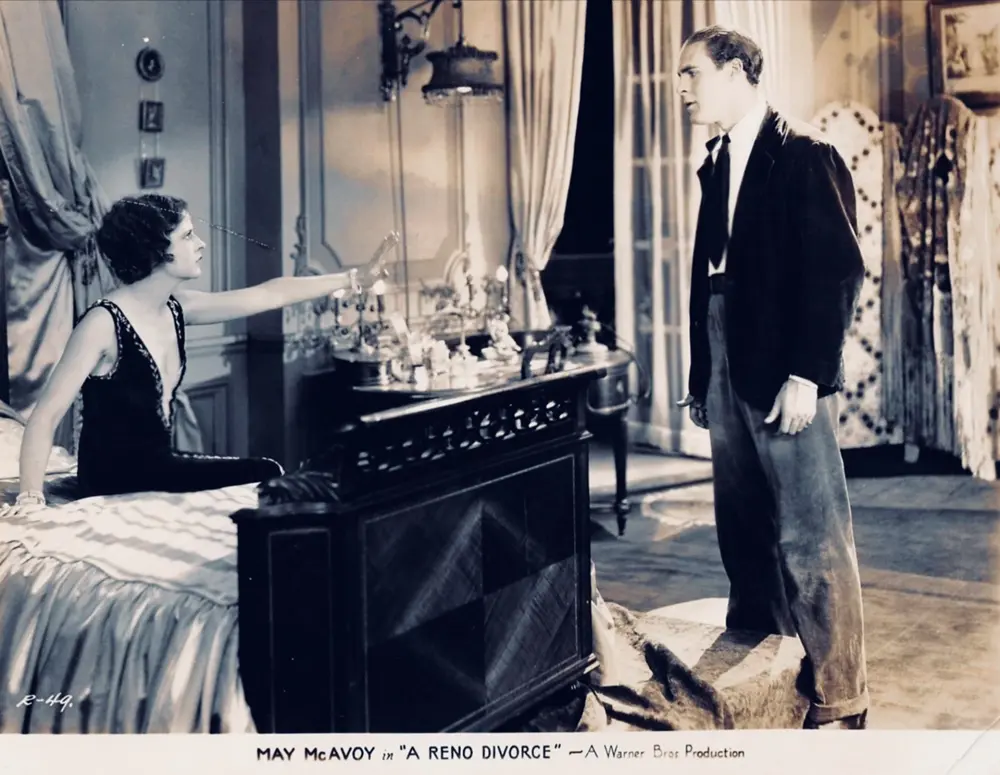
Is 'A Reno Divorce' a forgotten gem of the silent era or a relic best left in the archives? Short answer: It is a fascinating social document that works as a character study, even if its plot relies on the thinnest of coincidences.
This film is for enthusiasts of late-silent-era melodrama and those interested in the historical 'divorce colony' culture of 1920s Nevada. It is certainly not for modern audiences who demand high-octane pacing or a narrative free of theatrical contrivances.
1) This film works because it captures the specific cultural anxiety of the 1920s regarding the fragility of marriage and the burgeoning independence of wealthy women.
2) This film fails because the central conflict hinges on a communication breakdown so easily avoidable that it tests the viewer's patience.
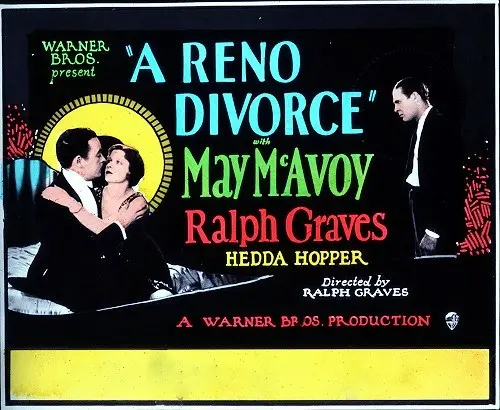
3) You should watch it if you want to see May McAvoy at the height of her expressive powers, navigating a role that balances vulnerability with upper-class stoicism.
The film begins with a literal bang. The automobile accident that brings Carla and David together is more than a plot device; it is a symbolic destruction of Carla's shielded, heiress existence. In 1927, the car represented the ultimate freedom, but here it serves as the catalyst for a domestic entanglement. Unlike the gritty realism of Sahara, the disaster here is framed with a certain romantic gloss.
May McAvoy plays Carla with a luminous intensity. Fresh off her success in 'The Jazz Singer', she brings a level of nuance to the screen that many of her contemporaries lacked. When she looks at Ralph Graves’ David, you don’t just see a woman in love; you see a woman realizing that her money cannot buy the creative fire he possesses. It is a classic trope: the bored socialite meets the soulful artist. It works. But it’s flawed.
The early scenes of their marriage are portrayed as an idyll. The cinematography focuses on soft lighting and intimate close-ups, creating a sense of isolation from the outside world. This makes the eventual 'misunderstanding' feel all the more jarring. The film shifts gears from a romance to a procedural drama about the ease of ending a union in the titular city of Reno.
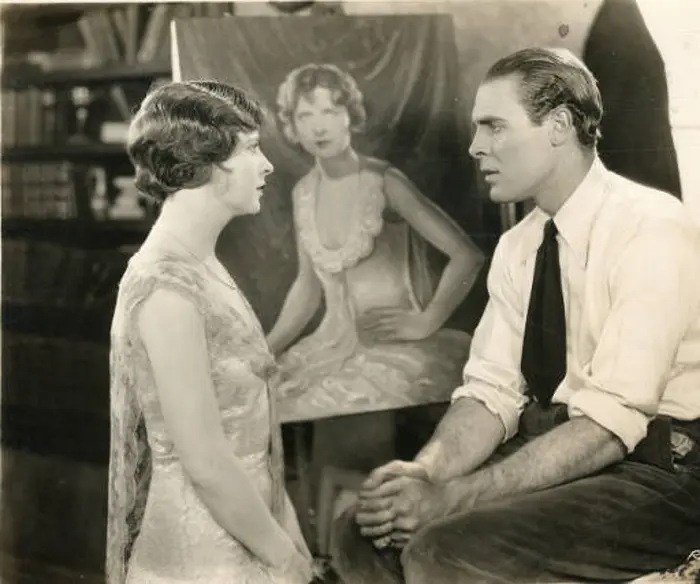
During the 1920s, Reno was the 'divorce capital of the world,' a place where the wealthy could bypass the strict moral codes of their home states. By centering the film on a 'Reno-quickie,' writers Ralph Graves and Robert Lord were tapping into a very real, very controversial social phenomenon. This isn't just a love story; it’s a critique of how easily the elite could discard their commitments.
Compare this to the thematic weight of The Misfit Wife, where the social pressure of marriage is handled with a heavier hand. In 'A Reno Divorce', the act of divorcing is presented as almost mechanical. Carla’s flight to Nevada is a knee-jerk reaction to a perceived slight, highlighting the impulsive nature of the 'Lost Generation'.
Hedda Hopper, long before she became the queen of Hollywood gossip, provides a supporting performance that adds a layer of cynical sophistication to the proceedings. Her presence reminds the audience that in Carla’s world, appearances are everything, and a scandal is often worse than a heartbreak. The film uses her character to ground the melodrama in a recognizable social reality.
The biggest hurdle for a modern viewer is the 'misunderstanding' that drives the second act. Without the benefit of dialogue, silent films often relied on visual cues that could be misinterpreted by both the characters and the audience. Here, the confusion feels forced. It is a mechanical plot point designed to get the characters from point A (marriage) to point B (Reno).
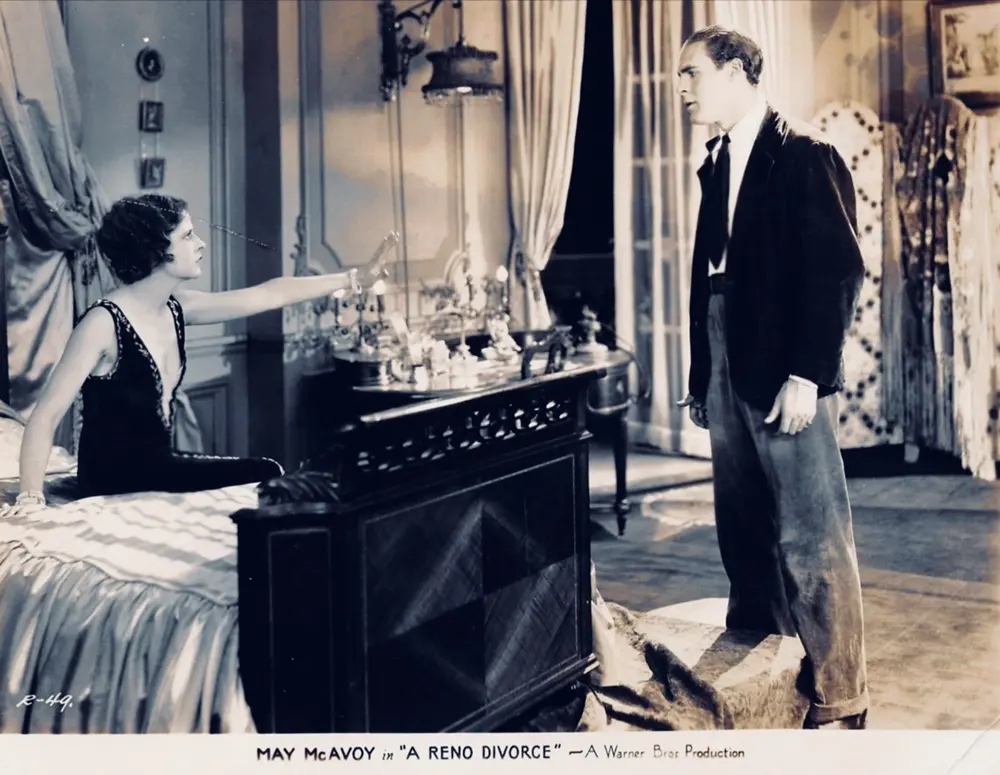
In films like Someone Must Pay, the stakes of a misunderstanding are often life and death. In 'A Reno Divorce', the stakes are purely emotional, which requires a higher level of acting to sustain. Ralph Graves, who also co-wrote the script, struggles at times to convey the necessary depth of David’s despair. He is a fine lead, but he lacks the magnetic pull that McAvoy brings to every frame.
The pacing in this middle section drags. We spend a significant amount of time watching Carla navigate the social circles of Reno, which, while historically interesting, does little to advance the emotional core of the story. The film seems more interested in the 'scandal' of the divorce than the pain of the individuals involved.
The direction is competent, if not revolutionary. The film employs standard late-silent techniques: iris shots to focus attention, expressive intertitles, and a reliance on pantomime to convey complex internal states. However, there are moments where the visual storytelling shines, particularly in the chance meeting years later.
The use of shadows in the reconciliation scene is particularly effective. It mirrors the 'grey area' the characters have lived in since their divorce. It’s a subtle touch that elevates the film above the standard 'programmer' fare of the era, such as Go Easy or Hit-the-Trail Holliday.
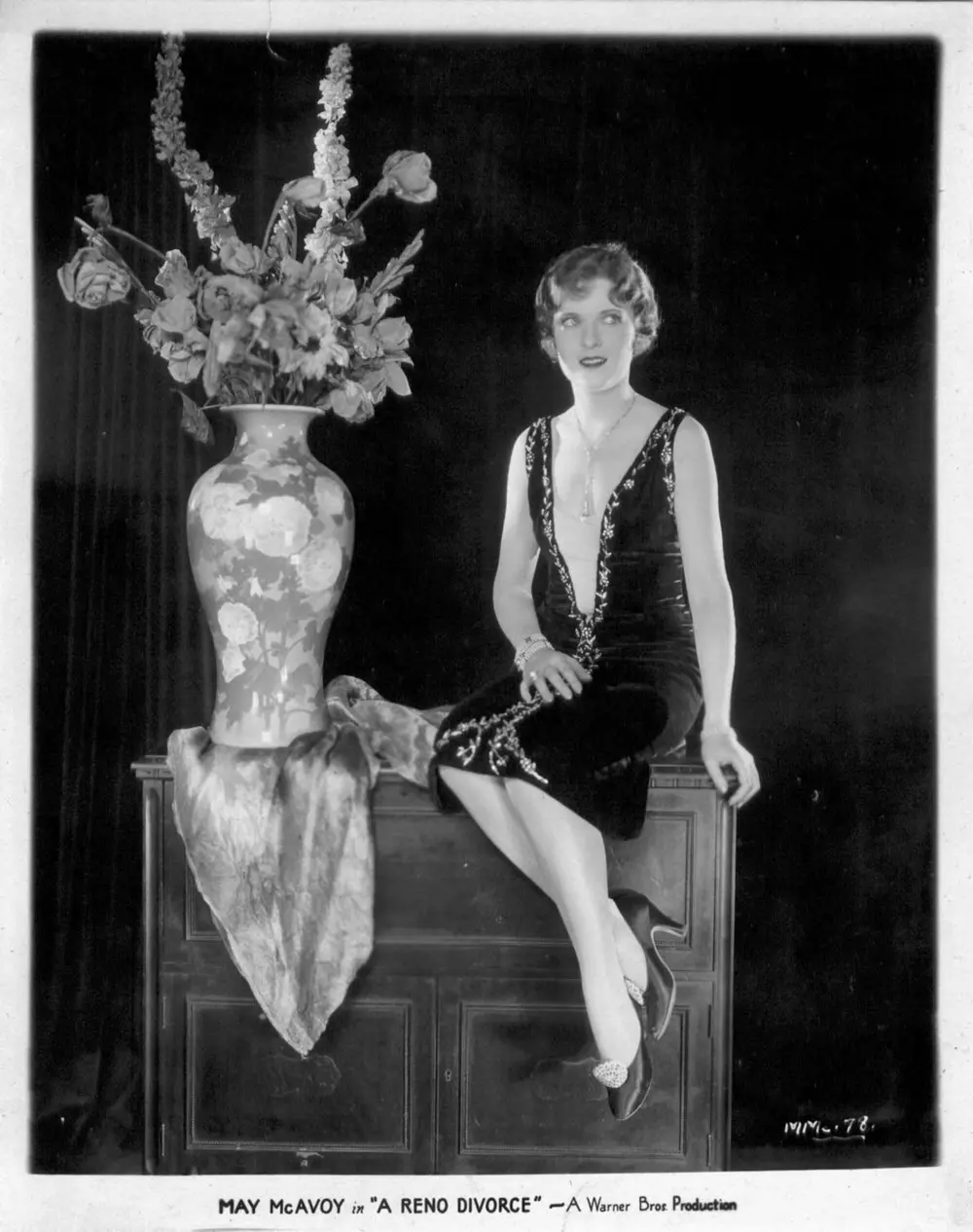
The editing by the uncredited staff at Warner Bros. ensures that the transition between the years is smooth, though a bit abrupt. One moment they are young and impulsive; the next, they are seasoned by regret. This jump-cut through time is a bold choice that pays off by focusing the climax on their emotional maturity rather than the details of their time apart.
Is 'A Reno Divorce' a must-see for cinema fans?
Yes, if you are a student of film history or a fan of May McAvoy. The film offers a rare look at the 1920s divorce culture and features a strong lead performance. However, if you dislike the 'misunderstanding' trope or find silent melodramas too stilted, you may find it frustrating. It is a solid example of a studio-era drama that prioritizes sentiment over logic.
Pros:
Cons:
'A Reno Divorce' is a fascinating, if uneven, relic. It captures a moment in time when Hollywood was beginning to explore the complexities of modern relationships while still being tethered to the simplistic plot devices of the Victorian stage. It’s not as stylistically bold as Lord Saviles brott, nor as emotionally raw as The Scarlet Oath, but it occupies a unique space in the 1927 release calendar.
The film’s greatest strength is its lead. McAvoy manages to make a pampered heiress sympathetic, even when she’s making terrible decisions. The ending is too neat, but in the context of the era, it’s the catharsis the audience craved. It works. But it’s flawed. If you can forgive the creaky plot, there is a lot of heart and history to be found here.
Ultimately, this is a film about pride. It suggests that while the law can grant a 'quickie' divorce, the heart doesn't settle its accounts quite so easily. For that observation alone, it remains a worthy watch for the patient cinephile.
IMDb —
1914
Community
Log in to comment.