DbcultAccessing Vault...
6.6/10
Senior Film Conservator
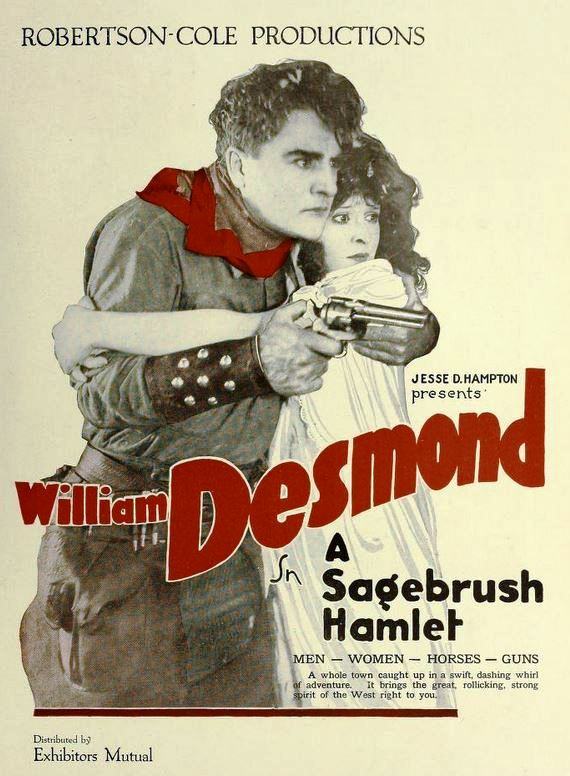
A definitive 6.6/10 rating for a film that redefined the boundaries of cult cinema. A Sagebrush Hamlet remains a cornerstone of transgressive art.
Stepping back into the silent era is often like unearthing a forgotten language, a cinematic dialect spoken through gestures, expressions, and the stark power of visual storytelling. Few films from this nascent period resonate with the raw, elemental force of the Western quite like A Sagebrush Hamlet. Released in 1919, this film isn't merely a relic; it's a vibrant, if somewhat faded, tapestry woven with threads of classic revenge narrative, frontier eccentricity, and an unexpected bloom of romance. It offers a fascinating glimpse into the genre's formative years, a time when the mythos of the American West was still being actively constructed on celluloid, often with a Shakespearean gravitas hinted at by its very title.
The titular comparison to Shakespeare's most famous tragedy is not merely a clever conceit; it's a thematic compass guiding the film's protagonist, Larry Lang. Played with a compelling blend of intensity and brooding introspection by William Desmond, Lang is a man consumed by a singular, all-encompassing purpose: avenging the cold-blooded murder of his father at the hands of the notorious Claude Dutton. This isn't a hasty, hot-blooded quest for retribution, but a long-simmering, almost pathological obsession, a decade in the making. The film paints Larry not as a conventional hero, but as a figure teetering on the brink of perceived madness, his unusual methods and solitary nature alienating him from the very community he ostensibly protects. The townspeople, observing his seemingly irrational employment of a boisterous gang of cow punchers for a negligible herd, dismiss him as 'plumb locoed.' This public perception of eccentricity serves as a brilliant narrative device, allowing Larry to operate under the radar, his true motives obscured by a veil of perceived mental instability. It’s a clever subversion of the typical Western hero archetype, who is usually understood, if not always embraced, by his community.
The film's setting, a rugged Western border town and the formidable Bottle Canyon, becomes more than just a backdrop; it’s an active participant in the drama. Claude Dutton, portrayed with menacing authority by Edward Peil Sr., is not merely a villain but a territorial force, ensconced in his natural fortress, its narrow neck perpetually guarded by his loyal, ruthless henchmen. This geographical advantage underscores Dutton’s power and the seemingly insurmountable odds facing Larry. The visual language of the film, though constrained by the technology of its time, effectively communicates this sense of isolation and strategic deadlock. The wide-open spaces, often a symbol of freedom in Westerns, here feel like a trap, a vast arena for a personal, deadly duel. The tension is palpable as Dutton’s attempts to capture Larry, first through his inept henchman Two-Gun Dan (George Field), then by his own hand, escalate the stakes. Each failed attempt by Dutton only serves to highlight Larry's cunning and his almost supernatural ability to evade capture, further solidifying his mysterious, almost mythic status among the townsfolk.
Just as the vendetta reaches its boiling point, a new element is introduced, subtly altering the narrative's trajectory: the arrival of Dora Lawrence, Larry's cousin, seeking refuge and guardianship. Played by Marguerite De La Motte, Dora's presence injects a much-needed humanizing force into Larry's stark, vengeance-driven world. Her innocence and vulnerability stand in stark contrast to the harsh realities of the frontier and Larry's dark purpose. This narrative turn is a classic device in Westerns, where the arrival of a female character often signifies a potential for redemption, a softening of the hardened male protagonist. However, Dora's introduction also immediately places her in peril, becoming an unwitting pawn in Dutton's machinations. A particularly tense sequence sees a Mexican bandit, Pedro (Frank Lanning), holding Dora captive while Dutton, ever the opportunist, attempts to locate a hidden fortune within Larry's home. This moment of vulnerability for Dora is crucial, not just for advancing the plot, but for deepening Larry's character, forcing him to confront not only his past demons but also his present responsibilities.
The film culminates in a swift, decisive confrontation that, while perhaps lacking the drawn-out theatricality of its Shakespearean namesake, delivers a satisfying catharsis. Larry's return to his home, whether by instinct or fate, is perfectly timed to thwart Dutton's robbery and rescue Dora. The ensuing struggle is brief but impactful, with Larry finally exacting his long-awaited revenge, bringing Dutton's reign of terror to a definitive end. The visual shorthand of silent cinema makes this moment of justice potent, relying on Desmond's intense portrayal and the audience's understanding of the narrative's build-up. The resolution of the primary conflict, however, is not the film's true concluding note. Instead, from the crucible of violence and fulfilled vengeance, an unexpected romance blossoms between Larry and Dora. This final development, though somewhat abrupt by modern standards, serves as a poignant testament to the possibility of renewal and hope, even in the harshest of environments. It suggests that even a man consumed by a Hamlet-esque quest for retribution can find solace and a future beyond the shadow of his past.
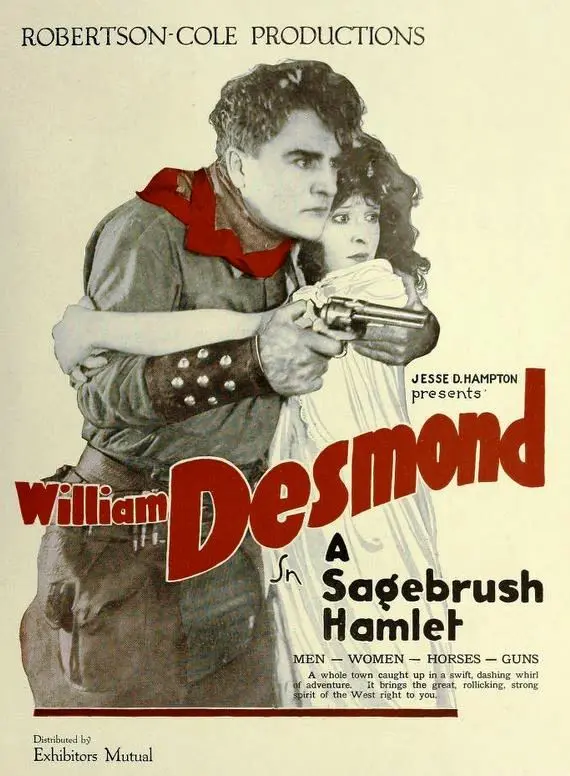
The success of any silent film hinges entirely on the expressive capabilities of its cast, and A Sagebrush Hamlet is fortunate in this regard. William Desmond, as Larry Lang, carries the weight of the film on his shoulders. His performance is a masterclass in silent acting, conveying deep-seated grief, cunning intelligence, and simmering rage through subtle facial shifts and deliberate body language. He makes Larry's 'locoed' reputation believable while simultaneously hinting at the calculated mind beneath. Edward Peil Sr. as Claude Dutton is equally effective, his physical presence and grim demeanor embodying pure villainy. Marguerite De La Motte brings a delicate strength to Dora, her vulnerability never descending into weakness, making her a compelling love interest. The supporting cast, including Bill Patton and George Field, contribute to the film's gritty authenticity, each playing their part in the tapestry of frontier life and conflict. The ensemble truly understood the art of non-verbal communication, making the film's emotional beats clear and impactful.
The script, penned by George Elwood Jenks, is a testament to the skill required to craft compelling narratives for the silent screen. Jenks had a knack for distilling complex motivations into clear, actionable plot points, understanding that economy of storytelling was paramount when dialogue was limited to intertitles. His ability to weave together a classic revenge plot with elements of frontier drama and unexpected romance, all while maintaining a consistent tone, is commendable. The 'Hamlet' comparison, whether a conscious choice from Jenks or a later interpretation, elevates the material beyond a simple shoot-em-up, infusing it with a sense of tragic destiny and moral ambiguity. Jenks's work here, much like his contributions to other films of the era, showcases a keen understanding of audience engagement and the power of archetypal storytelling. His narratives often explored the darker corners of human nature juxtaposed with moments of heroism and surprising tenderness, a balance evident in A Sagebrush Hamlet.
A Sagebrush Hamlet, while perhaps not as widely known as some of its contemporaries, offers a compelling case for the enduring power of the silent Western. It tackles themes that remain relevant: the nature of justice, the psychological toll of vengeance, the struggle between individual will and societal perception, and the redemptive power of human connection. The film's portrayal of Larry Lang's isolation and his single-minded pursuit of retribution can be seen as a precursor to many later Western anti-heroes. This exploration of a protagonist driven by a personal code, often misunderstood by the wider world, resonates deeply. It's a theme explored in other films of the period, though perhaps less overtly than in this title. For instance, while The Tar Heel Warrior might focus on a different kind of conflict, the underlying current of a determined individual fighting against overwhelming odds or societal expectations is a common thread that binds these early Westerns. Similarly, the drive for a clear resolution, whether through personal action or broader conflict, is a hallmark of the genre that finds a strong voice in Jenks's writing here.
The film's exploration of Larry's reputation as 'plumb locoed' also touches upon the precarious nature of sanity and perception in isolated communities. In a world without formal justice systems, where personal honor and self-reliance were paramount, the line between determined avenger and madman could blur. This psychological depth adds layers to what could otherwise be a straightforward action narrative. The sudden shift from grim vengeance to burgeoning romance at the film's conclusion, while a common trope in early cinema, feels earned here because of the sheer weight of Larry's preceding struggle. It's a promise of peace after profound turmoil, a quiet resolution that suggests life, even on the harsh frontier, finds a way to move forward.
In an era dominated by cinematic spectacles and technological marvels, revisiting films like A Sagebrush Hamlet is a vital exercise. It reminds us of the foundational elements of storytelling: compelling characters, clear motivations, and a dramatic arc that captivates. It’s a testament to the fact that even without spoken dialogue or elaborate special effects, a film can convey profound emotional truths and thrilling action. For fans of early cinema, Westerns, or anyone curious about the evolution of film, this silent gem offers a rich, rewarding experience. It's a reminder that the echoes of classic literature can be found in the most unexpected places, even amidst the dust and drama of the American frontier. The enduring power of its narrative, the compelling performances, and its unique blend of classic tragedy with Western grit make it a film well worth rediscovering, proving that some stories, much like the sagebrush itself, stand resilient against the winds of time.
IMDb 6.6
1922
Community
Log in to comment.