DbcultAccessing Vault...
Cult Review
Senior Film Conservator
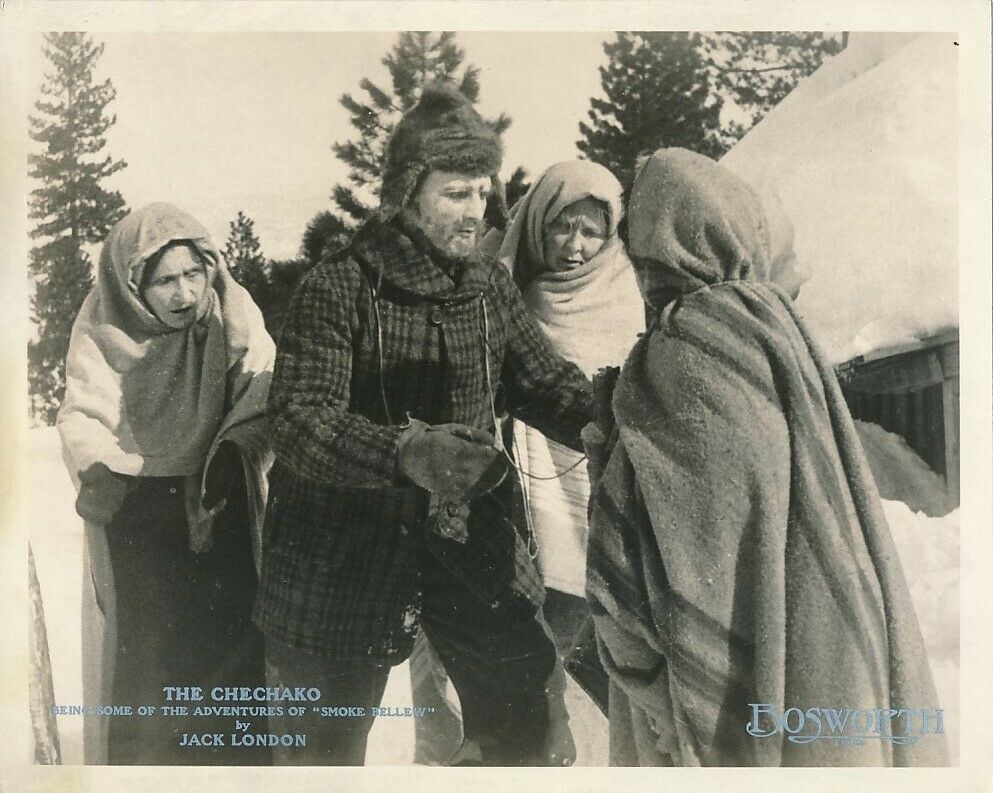
The flickering canvas of early cinema often served as a grand stage for narratives of human endurance against the untamed wild, and few films encapsulate this primal struggle with the raw intensity of 'The Chechako'. Emerging from the pens of Hettie Grey Baker and the legendary Jack London, this cinematic artifact, starring the compelling Myrtle Stedman and the steadfast Jack Conway, presents more than just a plot; it offers a profound meditation on adaptation, resilience, and the forging of character in the harshest of crucibles. It is a testament to an era when stories were told not merely with dialogue, but with the visceral power of gesture, expression, and the sweeping grandeur of the landscape itself.
At its heart, 'The Chechako' is a deeply human story of displacement and eventual belonging. Elara, portrayed with a delicate yet burgeoning strength by Myrtle Stedman, is our titular 'chechako'—a term, for the uninitiated, denoting a newcomer, particularly to the Alaskan or Yukon wilderness, often implying a lack of experience and a certain tenderfoot vulnerability. Her arrival in the desolate, snow-choked mining camp is not born of adventurous spirit, but of a more poignant quest: the desperate search for a brother lost to the siren call of gold. This motivation immediately grounds Elara's journey in relatable emotion, elevating her beyond a mere damsel in distress to a woman driven by familial devotion, even if ill-equipped for the perils ahead.
The film masterfully establishes the stark contrast between Elara's refined origins and the brutal environment she now inhabits. Every shot of the vast, indifferent landscape, every glimpse into the rough-hewn lives of the prospectors, underscores her alien status. This initial vulnerability is not a weakness, however, but a narrative springboard, setting the stage for a transformation that is both inevitable and deeply satisfying. One cannot help but draw parallels to other tales of individuals thrown into unforgiving circumstances, perhaps even the societal upheavals depicted in Strejken, though here the struggle is against nature and human avarice rather than industrial exploitation.
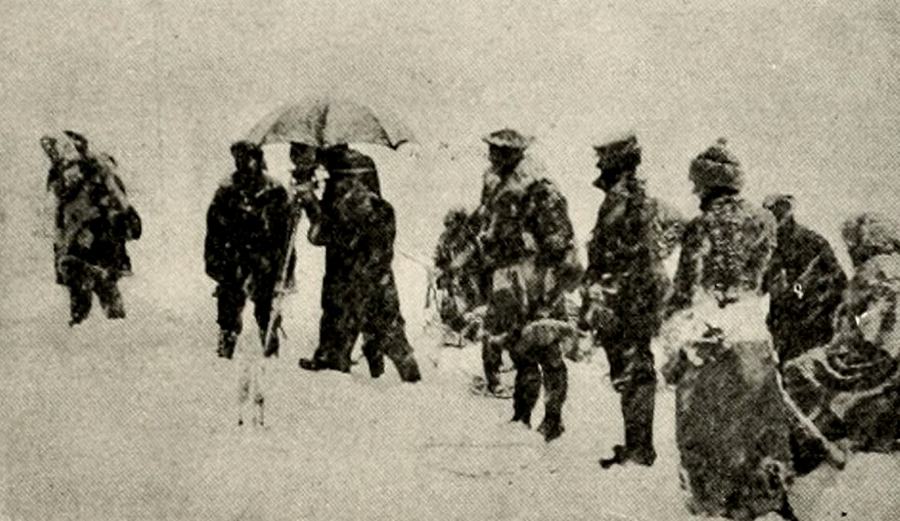
The performances in 'The Chechako', particularly by its lead actors, are pivotal in conveying the film's thematic depth without the aid of spoken dialogue. Myrtle Stedman as Elara navigates a complex emotional arc, transitioning from wide-eyed naiveté to hardened resolve. Her initial expressions of shock and fear are palpable, making her eventual displays of courage all the more resonant. It is a nuanced portrayal that avoids caricature, instead presenting a character who grows organically through adversity.
Jack Conway, in the role of 'Yukon' Jack, embodies the stoic, rugged individualism of the frontier. His initial gruffness and dismissiveness towards Elara are slowly chipped away, revealing a core of decency and protective instinct. Conway's performance relies heavily on subtle gestures and the intensity of his gaze, communicating a wealth of unspoken emotion. This slow-burn development of his character, from a cynical observer to a steadfast ally and eventual romantic interest, is a hallmark of strong silent film acting. The dynamic between Stedman and Conway is reminiscent of the understated yet powerful relationships seen in films like Anna Karenina, where unspoken connections often carried more weight than grand declarations.
Gordon Sackville's portrayal of 'Grizzly' Thorne, the film's primary antagonist, is a masterclass in silent era villainy. Thorne is not merely a bad man; he is a force of nature, a manifestation of the greed and ruthlessness that the Gold Rush often attracted. Sackville imbues Thorne with a menacing physicality and an almost animalistic cunning, making him a truly formidable obstacle for Elara. His presence casts a long shadow over the narrative, providing constant tension and driving much of the plot's conflict. Joe Ray, while perhaps in a less central role, likely provides some grounding or comic relief, a common structural element in these dramas, much like the supporting characters in Behind the Scenes who add texture to the primary narrative.
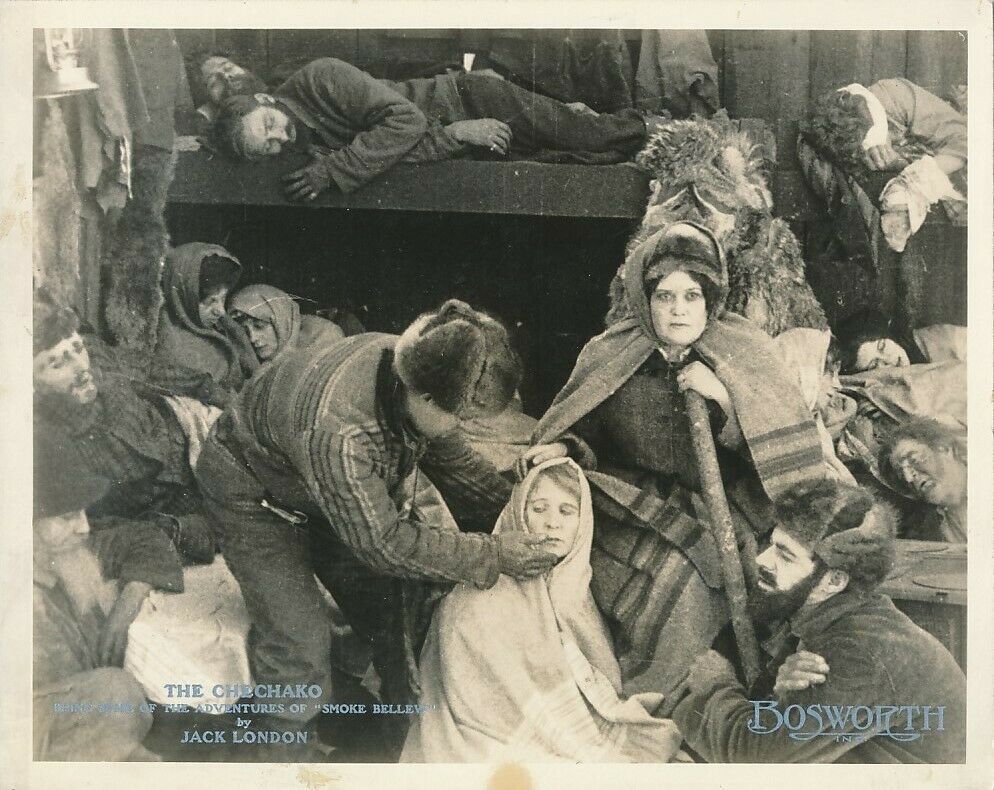
The influence of Jack London on 'The Chechako' is undeniable, even without explicit plot details. London's literary oeuvre is replete with tales of individuals confronting the brutal indifference of nature, where survival is a constant, desperate struggle and civilization's thin veneer often cracks under pressure. This film embodies many of his core themes: the 'survival of the fittest,' the testing of human spirit against overwhelming odds, and the often-corrupting influence of greed. Elara's journey from an unprepared Easterner to a resilient woman of the North is a classic Londonian arc, mirroring the transformative experiences of characters in his celebrated novels. The stark realism, the emphasis on the physical challenges, and the psychological toll of isolation all resonate deeply with London's narrative voice.
The film's depiction of the frontier as both a place of immense beauty and deadly peril is a thematic cornerstone. The snow-laden landscapes, while visually stunning, are never romanticized; they are an active character in the drama, a force to be contended with. This portrayal stands in stark contrast to more urban dramas of the period, such as Father John; or, The Ragpicker of Paris, which focused on different kinds of societal struggles. Here, the struggle is elemental, reducing human concerns to their most basic—food, shelter, safety, and the primal drive to endure.
In an era devoid of synchronized sound, visual storytelling reached an apex of sophistication, and 'The Chechako' is a compelling example of this artistry. The cinematography, though perhaps rudimentary by modern standards, would have been groundbreaking for its time, capturing the vastness of the Alaskan wilderness and the intimate expressions of its characters. The use of long shots to emphasize isolation, and close-ups to convey emotion, would have been crucial in drawing the audience into Elara's plight. The staging of action sequences, particularly those involving the harsh elements or confrontations with Thorne, would have relied on clear, impactful movements and dramatic lighting to communicate peril and tension. This emphasis on visual clarity and emotional impact is a shared trait with many early narrative films, including the more fantastical elements of Drama v kabare futuristov No. 13, though with vastly different aesthetic goals.
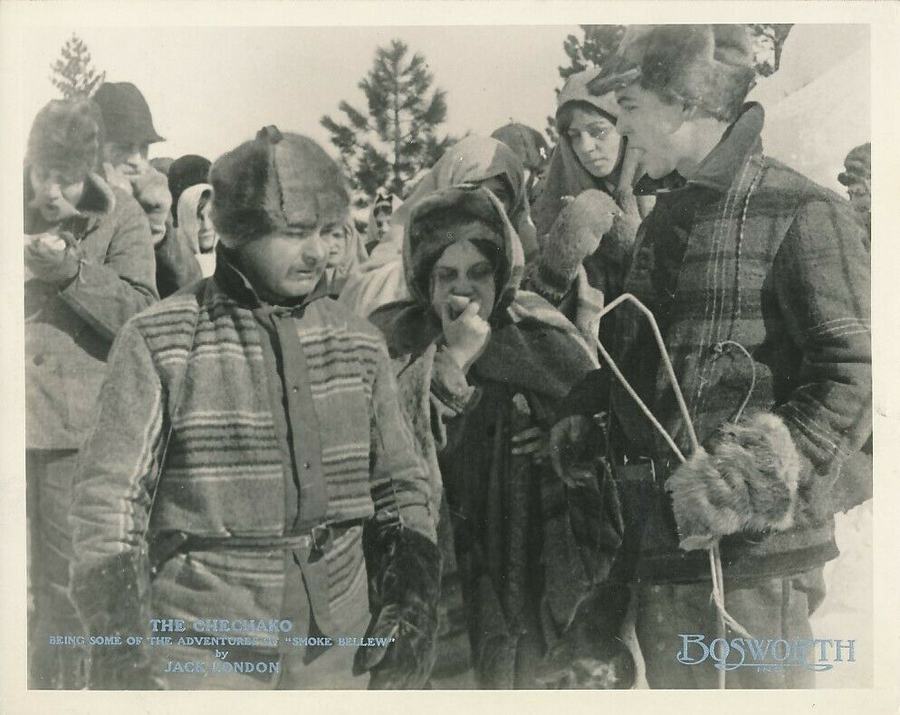
The editing, too, would have played a critical role in pacing the narrative, building suspense during Elara's arduous treks or the escalating threats from Thorne. The intertitles, sparse but impactful, would have provided necessary exposition and dialogue, guiding the audience through the more intricate plot points without disrupting the visual flow. This delicate balance between image and text is a defining characteristic of silent cinema, and when executed well, as it appears to be in 'The Chechako', it creates a deeply immersive experience. The film, in its very structure, invites the viewer to fill in the gaps, to interpret the unspoken, forging a more active engagement with the narrative than later, more explicit forms of cinema. One might even compare this active interpretation to the complex societal observations found in A World Without Men, where thematic depth is often conveyed through subtle visual cues and implied narratives.
The true triumph of 'The Chechako' lies in its portrayal of Elara's metamorphosis. Her journey is not merely about finding her brother or even escaping Thorne's clutches; it is about finding herself. The wilderness, far from breaking her, refines her. The hardships she endures—the biting cold, the hunger, the constant threat—strip away the superficialities of her former life, revealing an inner core of strength she never knew she possessed. She learns to read the signs of nature, to trust her instincts, and to fight for her survival. This transformation from a vulnerable 'chechako' to a capable, self-reliant woman is deeply empowering and speaks to the enduring human capacity for adaptation. It's a powerful narrative of self-discovery that transcends its specific setting, offering a universal message of resilience. This theme of personal growth through adversity is a recurring motif in cinema, seen in various forms from the grand historical sweep of Les Misérables, Part 2: Fantine to the more personal struggles in Locura de amor, highlighting the human spirit's ability to overcome.
The burgeoning romance between Elara and 'Yukon' Jack is handled with a delicate touch, evolving naturally from mutual respect forged in shared hardship. It is not a whirlwind passion but a slow-burning affection born of companionship and trust, a partnership built on the solid foundation of shared survival. This understated love story provides a warm counterpoint to the film's harsh realities, offering a glimmer of hope and connection in an otherwise unforgiving world. Their bond signifies not just personal happiness, but Elara's complete integration into her new environment, no longer an outsider but an integral part of the frontier community. This sense of belonging, hard-won and deeply felt, is the ultimate reward for her arduous journey.
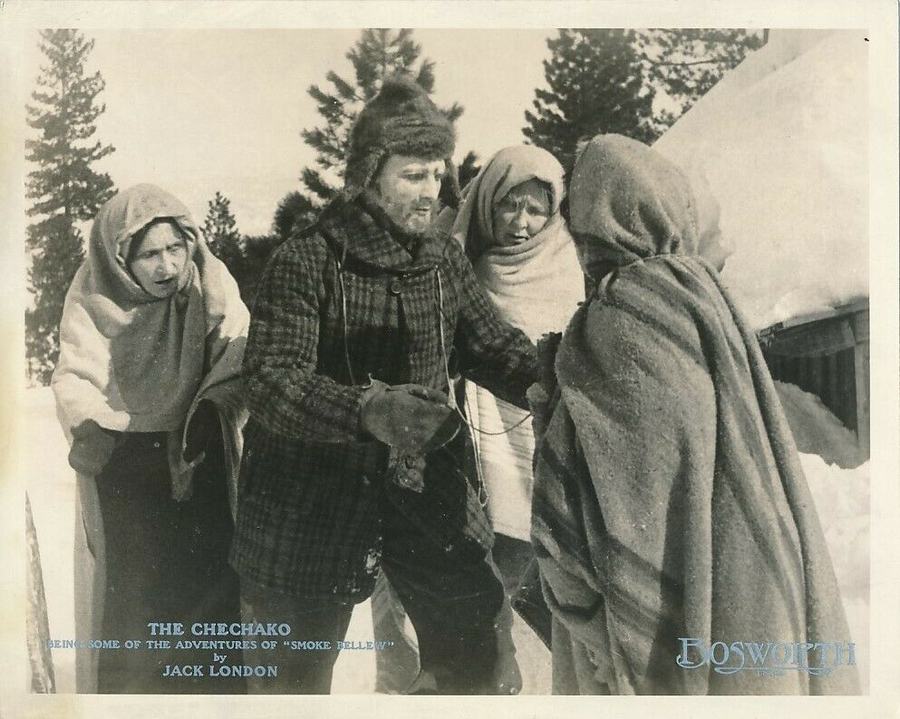
As with many films from this nascent period of cinema, the preservation and accessibility of 'The Chechako' are crucial for understanding the evolution of film as an art form. Each surviving reel is a window into a bygone era of storytelling, showcasing the ingenuity of filmmakers who were inventing the language of cinema as they went along. The collaboration between a literary giant like Jack London and the burgeoning film industry speaks volumes about the early recognition of cinema's potential to reach vast audiences with powerful narratives. Films like The Perfect Thirty-Six or Doctor Nicholson and the Blue Diamond, while potentially different in genre, all contribute to this rich tapestry of early filmmaking, each offering unique insights into the cultural and technical landscape of the time.
The continued effort to restore and digitize these silent masterpieces ensures that their artistic and historical significance is not lost to the ravages of time. For modern audiences, watching 'The Chechako' offers a unique opportunity to connect with the roots of cinematic narrative, to appreciate the raw power of visual storytelling, and to witness the birth of archetypes that would continue to shape film for decades to come. It's a reminder that even without spoken words, a story can resonate with profound emotional depth and universal appeal. The grand spectacles, such as Desfile histórico del centenario, or the adventurous pursuits in Die Jagd nach der Hundertpfundnote oder Die Reise um die Welt, all form part of this precious heritage, each piece contributing to our understanding of film's foundational period. And even more directly, the dramatic intensity, though in a different cultural context, might be compared to the intense emotional stakes in Sapho or the grand sweep of heroism in Scotland Forever, demonstrating the diverse range of narratives explored during this vibrant era.
In conclusion, 'The Chechako' stands as a compelling example of early American cinema's capacity for complex character development and powerful thematic exploration. It is a film that transcends its silent origins, speaking volumes through its evocative imagery, compelling performances, and a narrative that taps into fundamental human experiences. The journey of Elara, from a vulnerable 'chechako' to a woman forged in the fires of the Alaskan wilderness, is a timeless testament to the spirit of endurance and the transformative power of adversity. It's a film that reminds us that true strength often emerges when we are pushed to our limits, and that even in the most desolate corners of the world, connection, love, and a sense of belonging can ultimately be found. For enthusiasts of classic cinema and those fascinated by the enduring allure of the frontier narrative, 'The Chechako' remains a vital, resonant piece of cinematic history, much like the compelling drama found in Sealed Orders, which also explored themes of hidden truths and personal revelations within a dramatic context. Its legacy endures, whispering tales of courage and survival across the decades, an essential watch for anyone seeking to understand the foundational narratives of film.
IMDb 6.5
1924
Community
Log in to comment.